Working groups to strengthen engagement with international, Chinese mainland, ASEAN markets and various sectors

The Hong Kong Trade Development Council (HKTDC) announced the formation of the HKTDC Belt and Road Committee today. The Committee, comprising leading figures from various sectors, aims to establish Hong Kong’s position as a commercial and information hub for the Belt and Road by promoting and facilitating investment and business opportunities. Through its five working groups targeting different markets and business sectors, the Committee will implement a comprehensive and targeted programme to engage various sectors to participate in Belt and Road development and share in the potential benefits presented by the Initiative.

Vincent HS Lo, Chairman of the HKTDC and the HKTDC Belt and Road Committee, said: “I am pleased that the HKTDC continues to make progress with our work to promote Hong Kong’s role as the commercial hub of the Belt and Road Initiative. I particularly treasure this opportunity to work with such heavyweight community leaders in the Committee. Through this Committee and the working groups, I look forward to achieving tangible results in helping Hong Kong play a significant role in the Belt and Road.”

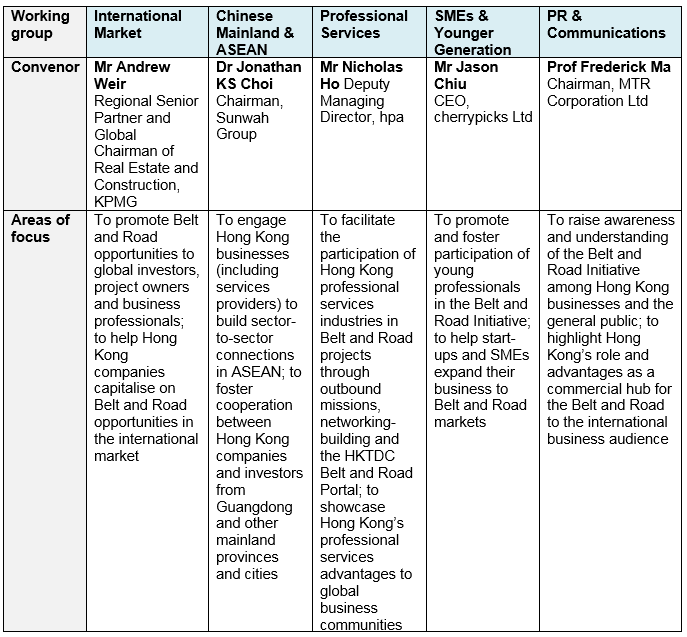
Five working groups will be set up under the HKTDC Belt and Road Committee with business and professional leaders from relevant sectors acting as convenors. The working groups will enhance the promotion of Hong Kong’s advantages as a commercial and services hub for the Belt and Road to international, Chinese mainland and ASEAN markets, and raise awareness and increase participation of different sectors, including professional services, SMEs, the younger generation, as well as the local and international community at large in the Belt and Road Initiative.


workgroup_en.png

Andrew Weir, Convenor of the International Market Working Group and Regional Senior Partner and Global Chairman of Real Estate and Construction, KPMG, said: “The HKTDC has been promoting the Belt and Road Initiative and Hong Kong’s advantages through its overseas trade and investment missions and international conferences such as the Belt and Road Summit. With the establishment of the Committee and working groups, we will enhance the promotion of Belt and Road opportunities to international investors, project owners and business communities. We will also foster international cooperation and help Hong Kong companies capitalise on the business opportunities along the Belt and Road.”

Dr Jonathan KS Choi, Deputy Chairman of the HKTDC Belt and Road Committee, Convenor of the Chinese Mainland & ASEAN Working Group and Chairman of the Sunwah Group, said: “The ASEAN region has always been an important trading and investment partner of Hong Kong, and collaboration with mainland enterprises is key to Hong Kong companies’ participation in Belt and Road development. The working group will strengthen the connection between Hong Kong businesses and their ASEAN counterparts, and promote exchange and cooperation between Hong Kong companies and mainland investors.”

Nicholas Ho, Convenor of the Professional Services Working Group and Deputy Managing Director of hpa, said: “We will facilitate the participation of Hong Kong professional services providers in Belt and Road projects through the HKTDC’s international conferences, investment missions, Belt and Road Portal and business-matching platforms. We will also showcase Hong Kong’s advantages as a professional services hub for the Belt and Road.”

Jason Chiu, Convenor of the SME & Younger Generation Working Group and CEO of cherrypicks Ltd, said: “The working group will explore how to engage young professionals to take part in the Initiative, and support start-ups and SMEs to leverage Belt and Road business opportunities through e-commerce and promotion platforms.”

Prof Frederick Ma , Deputy Chairman of the HKTDC Belt and Road Committee, Convenor of the PR & Communications Working Group and Chairman of the MTR Corporation Ltd, said: “As the Belt and Road vision is gradually turned into action around the world, the Committee will raise the awareness and understanding of local businesses and the public towards the Belt and Road through communications and public relations work, while also communicating the opportunities presented by the Initiative and Hong Kong’s advantages to international audiences.”   


Editor's picks

By Lan Shen

SUMMARY

China’s Belt and Road (B&R) initiative – the ambitious project to build infrastructure and expand trading relationships along a new Silk road – has made significant headway in the past four years, and is now well into the implementation stage. So far, 20 per cent of investment in B&R has been in power and 19 per cent in railways, followed by roads, pipelines and other transport. With China’s government prioritising B&R as a key initiative to help open up its economy, there are five trends that show B&R is taking off in a big way.

Please click here to read the full article.

More articles from Standard Chartered Bank

12 Apr 2019 Standard Chartered Bank
By Mohamed Salama, Country Head of Global Banking, UAE, Standard Chartered   SUMMARY The UAE features prominently as a key component of China’s trade strategy in the AME region, as 60% of China-UAE trade is re-exported to Africa or Europe, thus supporting the Belt & Road Initiative’s mandate. Please click HERE to read more.
06 Mar 2019 Standard Chartered Bank
SUMMARY There are at least 65 countries involved in the Belt and Road Initiative, but which of them stand to benefit the most, and where has the money gone so far?   Please click HERE to read more.
27 Nov 2018 Standard Chartered Bank
By Kelvin Lau, Senior Economist, Greater China, Standard Chartered   SUMMARY Launched just five years ago, the Belt and Road Initiative has come a long way in a short time. While the rising risk of prolonged US-China trade dispute looks set to reshape the global trade and investment landscape, we believe that it could fuel B&R’s growth and make it even more important for the long-term development of China and its partner countries.   Please click HERE to read more.
17 Jul 2018 Standard Chartered Bank
By Philip Panaino, Regional Head, Transaction Banking, Africa & Middle East, Standard Chartered SUMMARY With the Belt and Road initiative fostering financial cooperation and trade in Africa, it makes economic sense for countries along the modern “Silk Road” to use the Chinese currency. The deepening trade relationship between China and Africa clearly points to a long-term story in which the RMB will play a more strategic role in facilitating cross-border trade. Please click HERE to read more.
12 Mar 2018 Standard Chartered Bank
By Kelvin Lau, Becky Liu, Chidu Narayanan SUMMARY Things are looking up for Renminbi internationalisation in 2018. The CNY has been off to a strong start to 2018, and barring a full-fledged trade war, it is expected that the Chinese authorities will allow further CNY appreciation against a weak USD backdrop while keeping the CNY basket value steady. The Dim Sum bond market is expected to have a revival as gross issuance picked up evidently in January. Please click HERE to read more.
14 Feb 2018 Standard Chartered Bank
SUMMARY For international investors looking for the next big opportunity, China’s ‘new economy’ companies offer plenty. China’s Belt and Road (B&R) initiative – which involves large-scale infrastructure development along China’s centuries-old trade routes across Asia, Africa, the Middle East and Europe – is part of the solution to ensure Chinese companies continue growing.There is also opportunity for global investors. Please click here to read the full article. By Clive McDonnell

The future of the Hong Kong trust industry looks both promising and challenging as the competition continues to intensify regionally and globally. The main objective of this report is to outline the latest industry trends in Hong Kong and provide insights on how the HKSAR can enhance its competitive edge. This includes suggestions to expand the size of the industry and the range of services that will reinforce Hong Kong’s position as a premier trust jurisdiction in the long term.

In this report, we have identified a number of key challenges and areas that the HKSAR should look at addressing:

1) The compliance conundrum

Trust companies are spending an increasing amount of time and effort on compliance and regulatory matters, which has led to a surge in operating costs. The higher cost either undermines profitability or is passed on to clients, neither of which is positive for the industry. Some companies are turning to technology-based solutions, while others are calling for the government to develop simplified policies for global compliance.

2) Improving the talent pool

A common theme expressed by interviewees is the shortage of talent across many aspects of the industry such as trust administration, legal and compliance, and client management. A lack of formal training and qualifications for trust professionals was widely cited as an issue.

However, the HKTA is working with the Hong Kong Securities and Investment Institute (HKSI) on providing a solution.

3) Streamlining of the regulatory framework

The diverse nature of the Hong Kong trust industry means the regulatory regime is highly fragmented. While the areas under governance are defined, there are overlaps in the reporting, licencing and approval processes. The regulation of trust companies was the industry’s top pick as the most effective method to drive further development, while some respondents have called for a single regulator model, which could streamline disclosures and boost efficiencies.

4) Clarity on tax

The application of current tax legislation to trusts and, in particular, trusts carrying on a trade or business in Hong Kong, is considered somewhat opaque by many practitioners. Greater clarity and certainty is therefore regarded as desirable and can enhance Hong Kong’s competitiveness as a trust jurisdiction. Hong Kong should look at establishing a comprehensive tax code for the taxation of trusts, similar to other comparable jurisdictions like Singapore and the United Kingdom.

There are also more sector-specific improvements that can be made such as further enhancements to the MPF system (including developing the eMPF, availability of more retirement income stream products and increasing contribution rates over time), introducing purpose trust legislation and establishing a charities commission.

In order to build on Hong Kong’s strong foundations and leverage its advantages as a location for financial services, the government, regulators and the industry will need to increase their collaboration.

Greater coordination among stakeholders is required to position Hong Kong as the destination of choice for trust services amidst stiff competition from Singapore as well as traditional jurisdictions such as BVI, Cayman Islands and Channel Islands.

To view the full article, please click here to download the PDF version.

Content provided by Picture: Hong Kong Trustees' Association

Editor's picks

Djibouti Harbour Regeneration Master Plan, Republic of Djibouti, by Aedas

A straw poll of work colleagues will quickly confirm that few know the geographical location of Djibouti despite it being a strategically key port on the busiest shipping route in the world. The Belt and Road Initiative will have a transformational effect on a place known as the Crossroads Nation.

The highly distinctive and recognisable Aedas strategic master plan for Djibouti will reinvigorate the city and encourage the growth in trade of capital, goods and services through the whole of East Africa.

The strategic military bases within the city make it very secure. Its political stability is an additional asset. Its people incredibly polite and always smiling and the potential for growth is huge. Already its telecommunications system ranks among the best in Africa.

The strategic master plan is a progressive and sustainable model for regeneration that not only looks to the future but also draws from the rich heritage and culture of the city and the country. The astonishing cultural diversity of Djibouti, apparent in its historic French Colonial Quarter and Arabic houses, informs the urban grain and scale of the masterplan and ties the new into the historic fabric.

There is a danger with a master plan proposal of this scale is that the historic context and diversity is lost amongst the delivery of a skyline of high-rise towers and reflective glass. It is better to create a master plan that has been informed by the special nature of the place and so works with it.

The development is on the key peninsula site of Djibouti and will deliver not only a new and vibrant waterfront, but create a series of distinct places within a sustainable environment, offering leisure and tourist facilities, commercial office space, cultural and residential quarters and a focus for new foreign investment to the city and so the wider country. The master plan focus is not about buildings alone but is equally about space and places for the population to gather and connect. It has a new cultural heart which creates a public venue and focus for a new chapter in Djibouti’s history.

The recently completed railway connections and the planned airport upgrades will sit alongside the new port and cruise terminals ensuring that a full range of transport infrastructure facilities will be in place to deliver the sustained economic regeneration of the wider Aedas master plan. The huge benefits of the industrial parks and modern farms will ensure goods and services are able to be presented, traded and moved out from Djibouti, by various routes.

Catering for local and international investors and manufacturers, the master plan recognises culture and national identity as key to the success of the new opportunity, with revitalisation an ongoing process, which involves public participation as well as private investment. In addition the key principles of public space and landscape themes are in evidence throughout the masterplanning guidelines and will create the distinctive places Aedas has set out to deliver.

More articles from Aedas

Recently, Vincent Lo, Chairman of the Hong Kong Trade Development Council, shared his views on the opportunities arising from the Belt and Road Initiative at two events at the Hong Kong University of Science and Technology.

Click below to find out more:

The Belt and Road Initiative: What can Hong Kong do? – 24 October 2017

The Belt and Road – a Visionary Plan that will change the World – 30 October 2017

The Belt and Road – a Visionary Plan that will change the World (Presentation) – 30 October 2017

Editor's picks


The Belt and Road Initiative will open a new window for performing arts at Hong Kong’s West Kowloon Cultural District, says Executive Director Louis Yu. M+ museum Executive Director Suhanya Raffel sees the new centre for visual culture as reflecting Hong Kong’s “voice” for the future while CEO Duncan Pescod says the Cultural District will provide new, creative and original artistic offerings encompassing Belt and Road countries.

Speakers:
Duncan Pescod, Chief Executive Officer, West Kowloon Cultural District Authority
Louis Yu, Executive Director, Performing Arts, WKCDA
Suhanya Raffel, Executive Director, M+, WKCDA

Related Links:
Hong Kong Trade Development Council
http://www.hktdc.com

HKTDC Belt and Road Portal
http://beltandroad.hktdc.com/en/

Market(s)
Sector(s)
Country(ies) / Region(s)
Has been added to favorites Has been removed from favorites

The second edition of Hong Kong’s Belt and Road Summit spotlighted how the trade and economic development plan has begun to materialise into concrete projects.

Three years since Chinese President Xi Jinping unveiled the Belt and Road Initiative, the game-changing economic and development blueprint has begun taking shape. That was the consensus among participants attending the second Hong Kong Belt and Road Summit, held on 11 September at the Hong Kong Convention and Exhibition Centre.

“Our theme this year is ‘From Vision to Action,’ as we help to bring together tangible projects, serious investors and knowledgeable professionals to package complex developments into commercially viable and bankable projects,” said HKTDC Chairman Vincent HS Lo at the opening session.

Jointly organised by the Government of the Hong Kong Special Administrative Region (HKSAR) and the Hong Kong Trade Development Council (HKTDC), the Summit attracted 3,000 political leaders, policymakers, business leaders and experts in related trades from some 50 countries and regions. Some 40 senior government ministers and business leaders also spoke at the event. 
Carrie Lam

In her keynote speech, Hong Kong Chief Executive Carrie Lam said that Belt and Road-related infrastructure projects now underway will spark greater demand for services, including in investment and risk assessment, research, financing, insurance, accounting, legal services and arbitration. “Today, these service sectors represent new economic drivers for Hong Kong and are essential to the Belt and Road vision," Mrs Lam said.

Building Foundation

Some 1,700 Belt and Road-related projects are now underway around the world, many of them involving China’s state-owned enterprises (SOEs) undertaking infrastructure projects. One of them, the China Railway Group, plans to team up with Hong Kong’s MTR Corporation Ltd on rail projects along Belt and Road routes. Together, they have already bid for a project to build a 350 kilometre high-speed rail link between Malaysia’s Kuala Lumpur and Singapore.
Belt and Road Summit

The second edition of the Belt and Road Summit offered a platform for both high-level idea exchanges and concrete business cooperation

“Southeast Asia is far behind in infrastructure development,” said Jaime Ayala, Chairman and CEO of Philippine conglomerate Ayala Corporation, one of the speakers at a panel examining the region’s infrastructure development needs and related opportunities.

“In order for growth to continue, we need to develop infrastructure. There’s a unique opportunity to create the infrastructure necessary to expand globalisation.” 

Mr Ayala noted that Hong Kong can play a catalyst role by helping to link Southeast Asia’s private sector with China’s state-owned enterprise projects. The sentiment was echoed by Chairul Tanjung, Chairman of Indonesia’s CT Corp, who said that as a key Belt and Road partner, Hong Kong can serve as a communication bridge between China and Southeast Asia.

Fostering Concrete Cooperation

The Summit was also a business-matching platform for more than 200 project owners, investors and services providers. Loxley, a Thai-listed company that received an HKTDC mission in May, signed a Memorandum of Understanding with Hong Kong’s Insight Robotics Ltd at the Summit. The agreement paves the way for the introduction of Hong Kong’s advanced technologies to Thailand under the country’s “Thailand 4.0” development plan, which aims to accelerate Thailand’s economic development through technology. The HKTDC also organised project presentations and business-matching opportunities for Loxley representatives. 
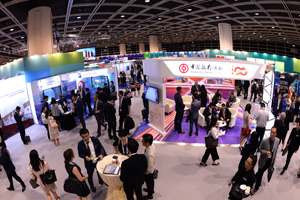
Belt and Road Summit

One-on-one business-matching meetings and an exhibition area showcased various professional services on offer at the Belt and Road Summit in Hong Kong
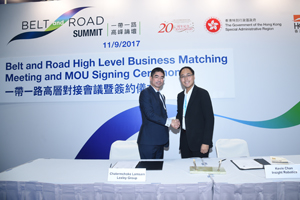
Belt and Road Summit

Thai-listed conglomerate Loxley signed a Memorandum of Understanding with Hong Kong’s Insight Robotics Ltd at the Belt and Road Summit

As Belt and Road projects gather steam, the Hong Kong Government is also working with the Central Government on a new agreement to boost Hong Kong’s role “that would give full play to Hong Kong's unique advantages under ‘one country, two systems’ in support of the Belt and Road Initiative,” said Hong Kong Chief Executive Mrs Lam. 

There will be greater emphasis on enlisting more SMEs to take advantage of opportunities, including with the setting up of a Hong Kong-based Belt and Road General Chamber of Commerce, to help prepare businesses with local knowledge about countries along the Belt and Road, with a focus on ASEAN countries. 

Companies that have already taken up the challenge say there’s no time to waste. “The last generation opened the mainland market over 30 years ago,” said hpa’s Mr Ho. “It wasn’t handed to them on a silver platter. With the awareness we have right now of opportunities, projects, success stories that we can hear and see, people should just change their mentality, especially the youth. Have the courage to go out there and get out of your comfort zone.”

SME in Focus

Just as the Belt and Road is not only a China initiative, the global development blueprint also offers countless opportunities for SMEs to grab a slice of the market, making Hong Kong the ideal conduit, said Hong Kong Secretary for Commerce and Economic Development Edward Yau. “Had the Belt and Road been confined to the Global 100s or Fortune 500s, Hong Kong would not have been the market place,” Mr Yau said.

At a panel featuring young entrepreneurs who have ventured outside their local markets, speakers outlined how they have started tapping opportunities from the Belt and Road Initiative. Hong Kong-based architectural and design firm hpa, for instance, is building smart cities across Southeast Asia, including in the Philippines. “At its core, the Belt and Road is about connecting people,” said hpa Deputy Managing Director Ho Nicholas Ho. “The future for companies like us is to identify key markets of what the Initiative can bring together.”

Still he noted: “Risk-mitigation is a huge issue for SMEs, which don’t have Chinese SOE backing.” He said that government agreements for taxation and financing would help boost SME support.

Return on investment for smaller companies won’t be immediate, said Glendy Choi, Executive Director and CEO of infrastructure company D&G Technology Holding Co, Ltd, which is present in 17 Belt and Road countries. Ms Choi said SMEs have to be prepared to sacrifice short-term profit, noting however that the long-term investment allows Hong Kong companies such as hers to diversify to other markets beyond the Chinese mainland.

Apart from physical infrastructure, developing the digital economy along Belt and Road economies is another key focus. Technology-related businesses are upbeat about prospects brought about by the Initiative, which brings together more than 63 per cent of the world’s population. 

Pawoot Pongvitayapanu, CEO of Thai-based online platform TARAD.com, said the Initiative pushes SMEs to think beyond the local market. “With just one click, you can connect a million people. The Initiative helps SMEs think outside the domestic market, to the bigger world.” 

Ivan Teh, CEO and Managing Director of Fusionex, a Malaysian-based data technology company specialising in big data analytics, artificial intelligence, deep learning and the Internet of Things (IoT), agreed, saying these were “exciting times.”

Mr Teh noted that some emerging economies already require that digital processes be put in place to ease transactions. “You will see a gradual shift in in terms of moving away from some of the bureaucracies that hinder a lot of the processes in trade, financing, loan and trade facilitation. There will be a lot of work put in place from government-to-government, government-to-business, and from businesses that are driving these platforms with SMEs. A lot of the permits, trade facilitation and trade agreements will gradually move towards digitisation,” he said.

Editor's picks

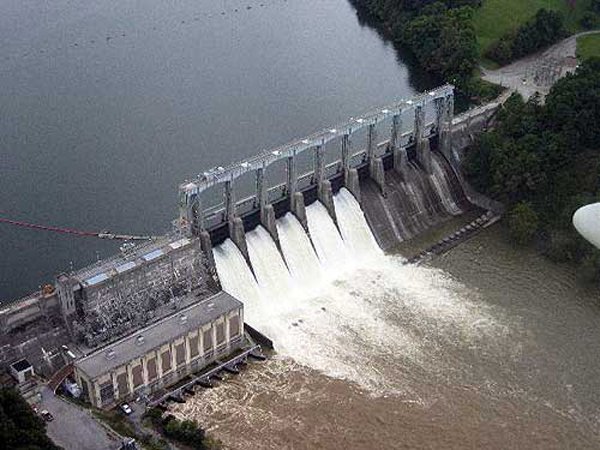
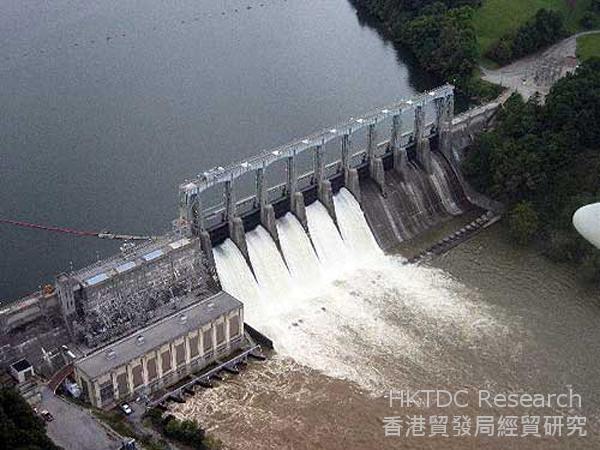
China's stake in Laos' sustainable-energy sector paves way for closer long-term Belt and Road collaboration.

Photo: Hydropower: Alleviating poverty across Laos while driving international co-operation.
Hydropower: Alleviating poverty across Laos while driving international co-operation.
Photo: Hydropower: Alleviating poverty across Laos while driving international co-operation.
Hydropower: Alleviating poverty across Laos while driving international co-operation.

China and Laos jointly initiated work on the second phase of the 1,156 MW Nam Ou Cascade Hydropower Project earlier this year. The project, set on Laos' principal river, is seen as one of the country's key contributions to China's Belt and Road Initiative (BRI).

With Laos' GDP for 2016 recorded at just US$15.9 billion, China has shouldered the bulk of the cost of the $2.8 billion initiative in exchange for the concession to operate the hydropower installation for the next 29 years. Once completed, it will comprise seven dams and hydropower stations and have a projected capacity of 1,156 MW, together with an annual energy output of 5,017 GWh.

The lead on the Chinese side has been taken by Sinohydro, a Beijing-headquartered state-owned hydropower engineering and construction company, which entered into an agreement to develop the project on a joint-venture basis with Electricite Du Laos (EDL), the Laos state electricity corporation, which holds a 15% stake in the site. Under the terms of the project, all electricity generated will be sold to EDL. Significantly, Nam Ou is the first project for which a Chinese enterprise has secured the whole basin rights for planning and development.

With work on Phase One completed more than two years ago – comprising construction of the Nam Ou 2, Nam Ou 5 and Nam Ou 6 plants – the site generated its first electricity on 29 November 2015. In total, the capacity of Phase One is estimated at about 540 MW, almost half the total envisaged for the completed project. The groundbreaking ceremony for the second phase was held some five months later and marked the beginning of the work on the remaining plants – Nam Ou 1, Nam Ou 3, Nam Ou 4 and Nam Ou 7. This second phase is scheduled for completion in 2020.

Emphasising the importance of the initiative, Dr Khammany Inthilath, the Lao Minister of Energy and Mines, said: "Once completed, the Nam Ou Cascade Hydropower Project will have a major role to play in the reduction of poverty across Laos. In particular, it will boost the socio-economic development of Luang Prabang and Phongsaly provinces, immeasurably improving the living standards of local residents.

"It will also play an important role in regulating the seasonal drought problems in the Nam Ou river basin. Ultimately, we hope it will ensure downstream irrigation for the region's plantations on a long-term basis, while also reducing soil erosion."

Despite Inthilath's optimism, the project has attracted criticism on a number of fronts. Firstly, there have been concerns over the possible adverse environmental impact of such large-scale hydropower projects, particularly given the scale and number of hydropower developments currently under way along the Mekong River and its tributaries. In addition to the Nam Ou project, China is also involved with several other hydropower installations, including Don Sahong, Pak Beng and Xayaburi.

A second wave of criticism has come from outside Laos, with a number of neighbouring countries expressing concerns that the cumulative effect of the hydropower projects already under way may adversely impact on the flow of the river. To this end, the governments of Thailand, Vietnam and Cambodia have all gone on record as objecting to the expansion of Laos' hydropower programme.

It is the sheer scale of Chinese investment in Laos, together with the country's resultant indebtedness, that has triggered a third wave of criticism. By the end of 2016, with $5.4 billion worth of funding already in place, China was by far the largest overseas investor in Laos.

According the Lao government's own figures, by the end of 2016 Chinese companies had signed up for $6.7 billion worth of construction projects in the country – some 30.1% of the total earmarked for Laos' infrastructure upgrade. The overall scale of the deals already in place makes Laos the third-largest market for China in the ASEAN bloc.

Overall, though, taking an active role in China's Belt and Road Initiative has been seen as a good fit with Laos' long-held ambition to shift from being a land-locked nation to becoming more of a land-linked economy. Furthermore, Laos' ongoing co-operation with China on a series of energy projects has underlined the positive relationship between the two countries.

Highlighting this, while speaking at the launch ceremony for Phase Two of the Nam Ou Cascade Hydropower Project, Li Baoguang, the Chinese Consul-General in Luang Prabang, Laos' ancient capital, said: "This year marks the 55th anniversary of the establishment of diplomatic ties between China and Laos and there could be no better way of commemorating that than with the commencement of work on this joint venture."

Geoff de Freitas, Special Correspondent, Vientiane

Editor's picks

Major hydropower and roadway investments chime well with the overall objectives of the Belt and Road Initiative.

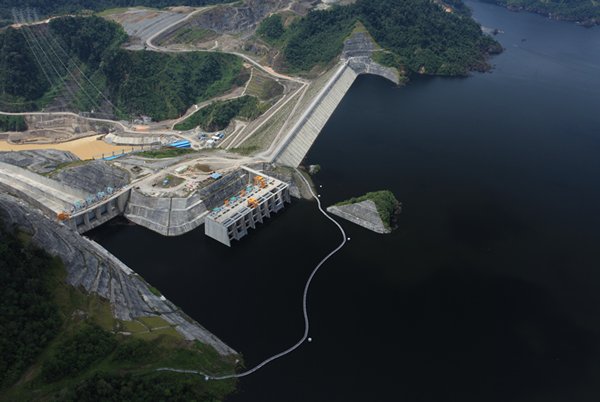
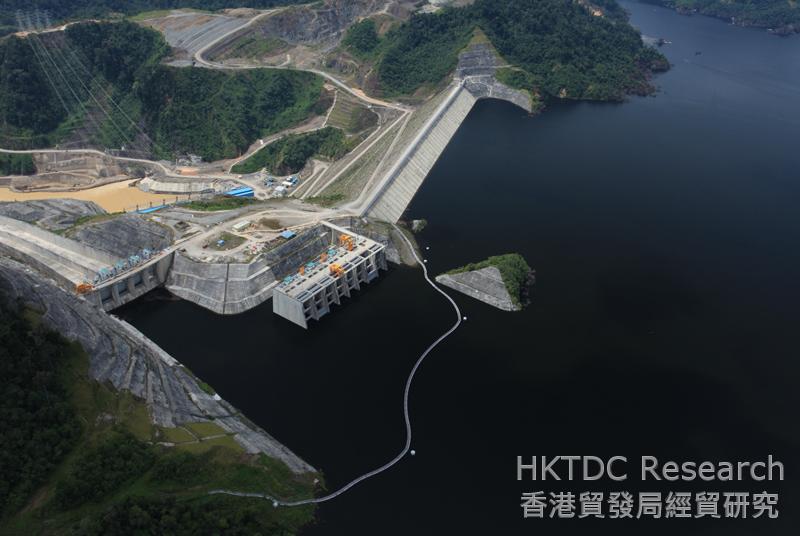
Photo: Dam good: Will the benefits of the Bakun hydroelectric facility jump-start the local digital economy?
Dam good: Will the benefits of the Bakun hydroelectric facility jump-start the local digital economy?
Photo: Dam good: Will the benefits of the Bakun hydroelectric facility jump-start the local digital economy?
Dam good: Will the benefits of the Bakun hydroelectric facility jump-start the local digital economy?

Speculation as to Malaysia's future economic priorities have frequently focused on the country's oil and gas reserves, palm oil production, high-tech manufacturing, real estate and, of course, tourism. While its potential strengths in the hydropower sector have remained largely overlooked, two high-profile dam projects may be about to change all that, with Sarawak's long-mooted Corridor of Renewable Energy now set to become a reality.

Last month, Sarawak Energy Berhad, the power generation company owned and operated by the state government of Sarawak, completed its purchase of the 2,400 mW Bakun Dam from Malaysia's Ministry of Finance. The company paid RM2.5 billion in cash, with a further RM6 billion in loan facilities, to take possession of one of Southeast Asia's most significant – and controversial – power projects. Work on the dam was originally completed in 2010, but the site didn't come fully online until July 2014.

In a further development, in October 2018, work is expected to begin on the construction of the 1,285 mW Baleh Hydroelectric Facility. The project is being jointly undertaken by the China Gezhouba Group, the Wuhan-based construction and engineering giant, and Untang Jaya, a Sarawak-based construction company.

Once completed, Baleh will be the fourth hydroelectric installation to have been co-opted into Sarawak's Corridor of Renewable Energy, an initiative launched in 2008 on Borneo, an island jointly administered by Malaysia, Indonesia and Brunei. This will see it line up alongside the Bakun Dam, the 944 mW Murum Dam and the 100 mW Batang Ai Dam.

Following the completion of the Bakun deal, the Sarawak government, together with its Sarawak Energy subsidiary, now owns all of the state's electricity generation facilities, granting it considerable leverage over the future direction of other local infrastructure projects. This will include the proposed redevelopment of the Bakun Lake region into a prime tourism destination, complete with a range of new hotels and resorts.

Another project with clear links to the Sarawak Corridor of Renewable Energy is a proposed coastal highway. At present, it is anticipated that up to 80% of its construction costs could be covered by Chinese investment in line with the overall objectives of the Belt and Road Initiative. Considered something of a huge undertaking, the project would entail the construction of several bridges, as well as substantial upgrades to roadways in the more rural and forested areas.

Should it get the go-ahead, the coastal highway would only be the latest of the country's array of ambitious transport infrastructure projects. Indeed, work is already under way on the RM16.5 billion, 1,073km Pan-Borneo Highway, a Malaysian government-backed initiative intended to link the country's two Borneo-based states, Sarawak and Sabah. It could also, ultimately, connect to Brunei via the 30km Temburong Bridge. Currently under construction by the China State Construction Engineering Corp, the bridge is scheduled for completion in late 2019.

The first 786km-long phase of the Pan-Borneo Highway is due to be finished a little later – in 2022. Once completed, though, it is hoped that the road will stimulate further investment in infrastructure, public transport, telecoms networks and public-health facilities across the vast tranches of Malaysia's rugged, underdeveloped terrain that the highway extends across.

For its part, the Sarawak government has claimed its bid to take overall control of the state's renewable-energy resources is in line with its long-term ambition to transform the region into a digital-communications hub. To this end, it has already pledged to invest RM2 billion over the next five years in installing fibre-optic cables and satellite connectivity across the state in order to jump-start the local digital economy. The move is part of a wider agenda intended to rebalance the economy and see it shift away from its traditional reliance on the oil and gas, mining, agriculture and forestry sectors.

Outlining the policy, Datuk Amar Abang Johari Tun Openg, Sarawak's Chief Minister, said: "Bakun and the other hydroelectric projects will play a strategic role in powering the digital economy. We believe that the integrated management of the local hydropower facilities will help attract many of the global digital giants to Sarawak."

Geoff de Freitas, Special Correspondent, Kuala Lumpur

Editor's picks

The Belt and Road (the Belt and Road Initiative, or B&R) research project was jointly initiated by ACCA and Shanghai Stock Exchange (SSE).

In 2013 Chinese President Xi Jinping started an ambitious initiative to develop the ancient silk routes over land and sea, the Belt and Road initiative (BRI).

Belt and Road initiative: five priorities of cooperation

1. Policy coordination

  • Promote intergovernmental cooperation
  • Build a multilevel intergovernmental mechanism for macro policy exchange and communication

2. Connecting infrastructure

  • Plan and build connected infrastructure
  • Align technical standards
  • Create an infrastructure network that connects all sub-regions in Asia, and connects the continents of Asia, Europe and Africa

3. Unimpeded trade

  • Remove barriers for investment and trade
  • Discuss free trade areas with countries and regions along the Belt and Road

4. Financial integration

  • Deepen financial cooperation
  • Promote systems for monetary stability system, investment and financing, and credit construction across Asia

5. People-to-people bonds

  • Inherit and promote the spirit of friendship and cooperation along the Silk Road
  • Carry out extensive cultural, academic and talent exchanges

Broad implications of the Belt and Road initiative

  • With over 60 countries identified along the route and USD 800 billion invested by the China Development bank the implications of the project are far reaching and significant.
  • Already engineering projects are booming, 6,877 new contracts for projects in 61 countries / Consumer demand in China has risen and the country’s outbound investment is up 18.3% year on year.
  • Not all smooth sailing
  • Other countries have similar initiatives for example; the US New Silk Road strategy, Russian Eurasian Economic Union strategy and Japan’s Silk Road Diplomacy strategy. In addition the diverse countries along the B&R routes bring with them a diverse collection of problems, and this includes national trade protection.

ACCA’s Belt & Road research project was conceived in August 2016. It explores the opportunities and challenges for B&R countries (including China) in politics, economics, society and culture through desk research, roundtable conferences and workshops.

This approach considers local experiences and international vision, historical achievements and future development.

The report is divided into three areas:

  • Desk research - an exhaustive review of B&R-related policies
  • Case studies - based on interviews with seven enterprises that are deeply engaged with B&R: China Communications Construction, Power China, Bank of China, Sany, Shanghai Electric, Conch Cement and Changjiang Electronics Technology
  • The third are explores the integration and innovation of B&R. These findings are based on roundtable and workshop discussion with those who are working close to the B&R Initiative.

The full report can be viewed here

Editor's picks

Help us to improve