









Chinese Mainland
Work expected to commence imminently on key element of national infrastructure redevelopment programme.


Late last year, the Philippines' National Economic and Development Authority (NEDA) finally gave the go-ahead for phase one of the Mindanao Railway Project (MRP), one of the country's key Belt and Road Initiative (BRI) backed mass transit infrastructure programmes. With this formal endorsement now in place, work is expected to begin imminently on the project – a 102km train line connecting the cities of Digos, Davao and Tagum on the Philippine island of Mindanao. Construction of the Tagum-Davao-Digos segment of the MRP will be carried out by an as-yet-unannounced Chinese contractor in line with the wider objectives of the BRI, China's ambitious global infrastructure development and trade facilitation programme.
Essentially, the Tagum-Davao-Digos line forms the first stage of a proposed 830km project, which has been conceived as ultimately looping around Mindanao, the second-largest island in the Philippine archipelago. It is also the first railway project in the Philippines to be sited outside of Luzon, the country's largest island and home to Manila, the national capital.
Scheduled for completion in 2022, the Tagum-Davao-Digos line is initially projected to handle up to 130,000 passengers a day, with trains travelling at a top speed of 160kph and stopping at six intermediate stations – Carmen, Panabo, Mudiang, Davao, Toril and Santa Cruz. Once fully operational, the service will cut journey times from Tagum to Digos to just 1.3 hours from about 3.5 hours at present, with the Department of Transport predicting that the daily passenger volume will steadily increase, rising to 237,000 by 2032 and to 375,000 by 2042.
Mindanao accounts for two-fifths of the land mass of the Philippines and is seen as badly in need of the economic boost the new rail line is expected to deliver. While the region is the country's primary source of agricultural products, poor transport connections have restricted economic development and deterred investment. It is a problem that has only been exacerbated by years of armed conflict and a series of natural disasters, notably typhoons and earthquakes. As a consequence, although Mindanao is home to just 25% of the Philippines' population, it accounts for 37% of all those living in extreme poverty.
Initially conceived as a twin-track, electrified line, political pressure to complete the Tagum-Davao-Digos railway during the tenure of President Rodrigo Duterte has seen it redesignated as a non-electrified diesel line. As it is located in the south of the country, where Duterte has his political base, it is seen as a particularly sensitive initiative, especially as it has taken so long to reach even this preliminary stage.
In fact, the development of an island-wide Mindanao railway has long been advocated but never before come close to being realised. For his part, Duterte promised to press ahead with the project if elected back in 2015, with NEDA subsequently rubber-stamping the original plans for the Tagum-Davao-Digos section of the line in 2017. Originally intended to be locally financed and to commence construction in 2018, phase one was delayed by a strategic rethink, which also saw the cost dramatically revised upwards. The estimated cost of phase one has more than doubled from the initially proposed PHP35.26 billion (US$695.5 million) to PHP81.69 billion.
This latest figure is expected to be covered by a loan from the China Export-Import Bank (Exim Bank) – due to be signed in April this year – with China now thought to be funding up to 86% of the entire project. With NEDA approval now in place, the next phase will see China submit a shortlist of three companies to bid for the various design-and-build and project contracts. According to local media speculation, the likely contenders are believed to include the China State Construction Engineering Corp, the China Communications Construction Company, the China Railway International Group and the China Civil Engineering Construction Corporation.
Marilyn Balcita, Special Correspondent, Manila
Editor's picks
Trending articles
Postponed following domestic financial concerns, the East Coast Rail Link is now scheduled to arrive in 2026.


Work is now set to resume on the East Coast Rail Link (ECRL), the long-gestating Belt and Road Initiative (BRI) project that will ultimately directly connect the east and west coasts of Peninsular Malaysia by a dedicated train service for the first time. Originally given the go-ahead in 2016, the development has been dogged by Malaysia's domestic financial woes, which led to the plan officially being put on hold in July 2018.
As originally conceived, the ECRL directly aligned with the aims of the BRI, China's ambitious international infrastructure development and trade facilitation programme, while also delivering on Malaysia's own commitment to revitalising its underdeveloped east-coast region and upgrading the transportation links between its cities, towns and rural areas. Although work on the project officially commenced in August 2017, this initial progress was swiftly derailed by a financial scandal that rocked the Malaysian government of the day.
In early 2018, the long-simmering 1MDB scandal, which had seen billions of dollars of public money siphoned out of Malaysia, threatened to wreck the nation's economy. Charged with investigating the illicit activities of his predecessor and determined to restore the country's financial wellbeing, newly elected Prime Minister Mahathir Mohamad halted the project, as well as many others, while its viability and ongoing costs were reviewed.
At the time, Mahathir stated that the previously agreed interest repayments for the MYR65.5 billion (US$15.85 billion) project would be unmanageable, given that the country was now saddled with MYR1 trillion of unanticipated national debt. As a result, the project was formally suspended, with no likely date given for its resumption.
There then followed nine months of heated renegotiation between the Chinese and Malaysian governments, which resulted in a revised and somewhat slimmed-down ECRL financing road map being unveiled in April last year. The following November, updated route details were released for the northernmost section, which runs through Kelantan and Terengganu states. This highlighted a reduction in the line to 640km from 688km, a decision that allowed for savings of MYR44 billion, a third of the previous total. In a revision to the initial schedule – and primarily to allow for the acquisition of land rights in the re-routed areas – it was also announced that that target completion date had been pushed back to December 2026 from June 2024.
As in the original ECRL plan, however, the construction cost is to be underwritten by a loan guarantee from the Export-Import Bank of China (EXIM Bank), while a higher level of participation by local contractors was written into the new agreement. This will involve them working closely with China Communications Construction Company (CCCC), China's state-owned infrastructure development giant, which remains the lead developer on the project.
According to figures provided by the Malaysian government, the construction cost has now dropped to MYR68.7 million per kilometre from MYR95.5 million per kilometre. This is due to a number of changes made to the initial proposals, including shortening the overall length of the railway, removing the northern extension that would have run from Kota Bharu to Pengkalan Kubor near the Malaysian-Thai border, and re-routing some of the planned elevated sections to allow them to run at ground level.
As of November last year, about 12.86% of the project was said to have been completed. Once finished, the single-gauge electric railway will connect Port Klang on the west coast, the country's largest container port, with Putrajaya, its administrative centre. It will also stop at several urban centres and ports along the eastern seaboard and offer a 160kph passenger service and a more sedate 80kph freight service.
For its part, CCCC has further committed to develop logistics hubs at each of the three interchange stations, as well as two industrial parks on the east and west coasts. It will also enter into a 50:50 joint-venture with Malaysia Rail Link Sdn Bhd, the national rail operator, to manage and maintain the ECRL once it comes online.
The one missing element of the revised plan – funding for the local contractors – finally fell into place late last year when the Small Medium Enterprise Development Bank Malaysia (SME Bank) announced it had set aside about MYR1 billion (US$240 million) for that specific purpose. This will now see such workers take on responsibility for up to 40% of the revised project.
Geoff de Freitas, Special Correspondent, Kuala Lumpur
Editor's picks
Trending articles
When we travel, most of us are keen to sample produce from the place we’re visiting. The trouble is that we don’t often know where to go to do that. That’s where a platform like SoveNear can be of assistance. Created by Showcase (Hong Kong) Technology Co Ltd, it’s designed to help tourists find that local authenticity without the inconvenience of having to search for it themselves. David Zhang, founder and CEO of Showcase Technology, spoke to HKTDC Research about his experience in establishing the SoveNear platform for goods from tourist destinations around the world and running the company in the Guangdong-Hong Kong-Macao Greater Bay Area (GBA).
Sourcing Special Local Products
Zhang explained that SoveNear was set up to help tourists keen on buying special local products, saying: “When we travel, we want to experience local culture, try local cuisine and buy special local products. This is how we understand different cultures. But people visiting a city for business or pleasure may know nothing about its special products. Even if they do, they may not have the time to go shopping and can only buy some ordinary souvenirs at the airport.
“Our purpose in establishing SoveNear was to put special products from different countries and places on our online platform. When travellers reach their destination, they can search for and buy special local products online and we can send their purchases to their hotel free of charge to save them time and hassle.”
SoveNear positions itself as a “platform for products of tourist destinations around the world”. Zhang said that it aims to bring together the most representative products of each city, adding: “Products on this platform are not restricted to traditional souvenirs and may include representative brand-name products, designer products and works of art from different places. We hope that travellers can appreciate the characteristics of local culture through these local products.”
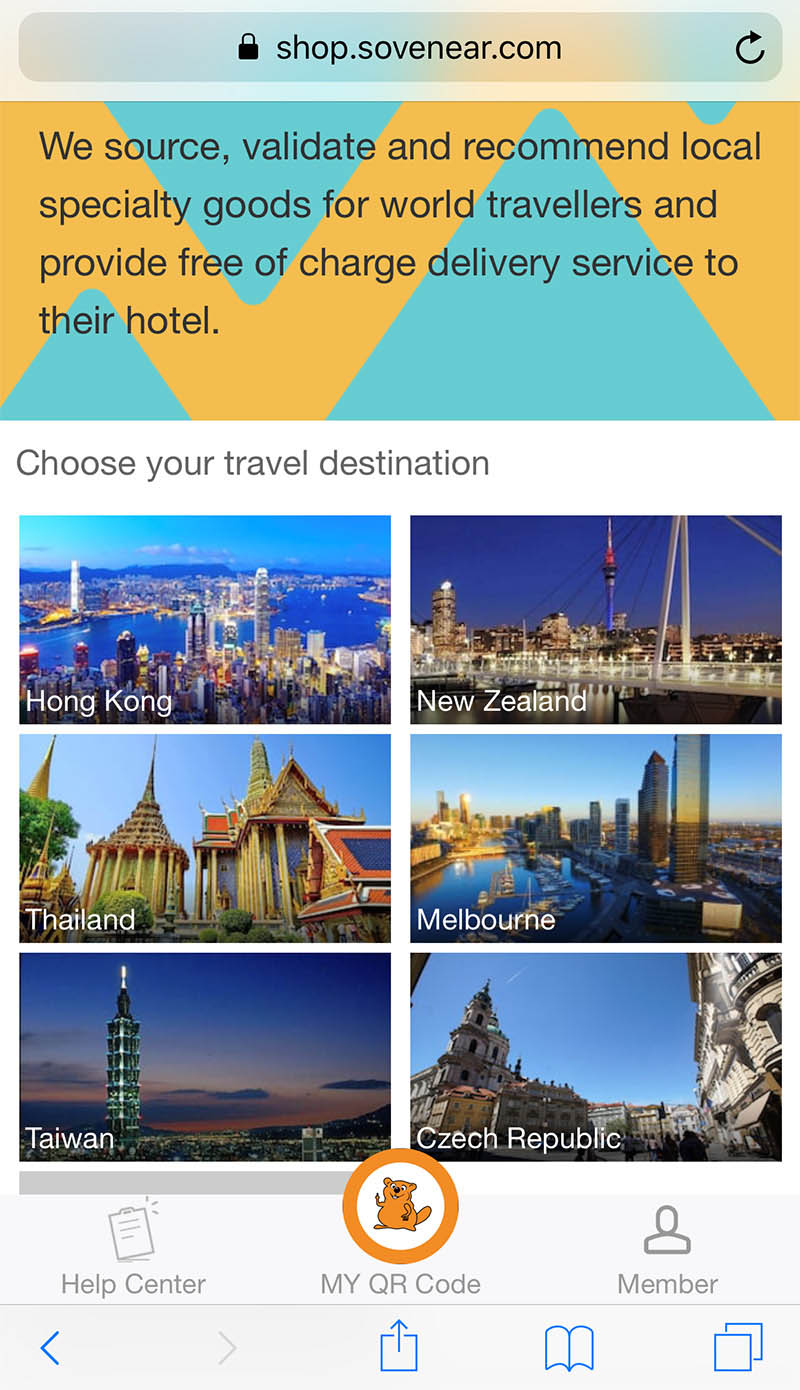
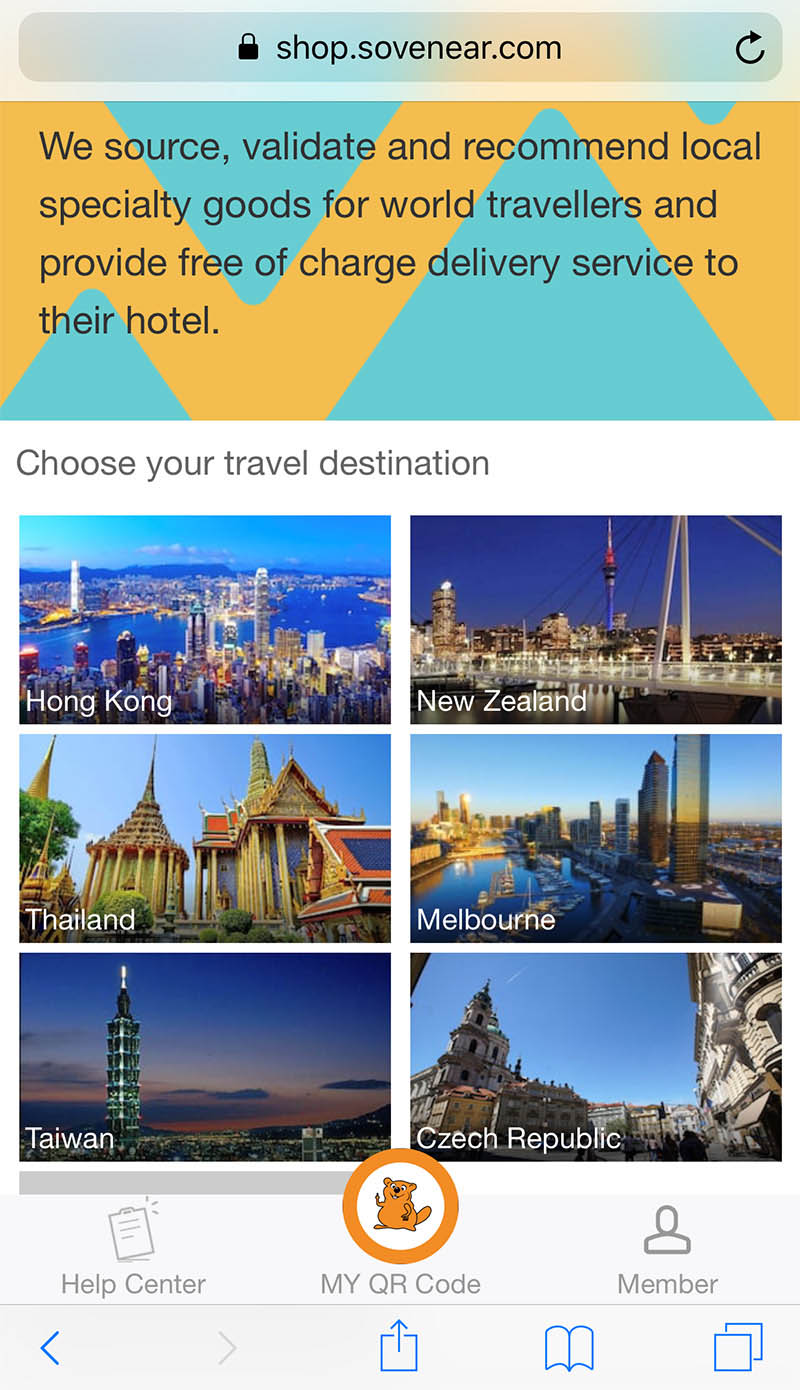
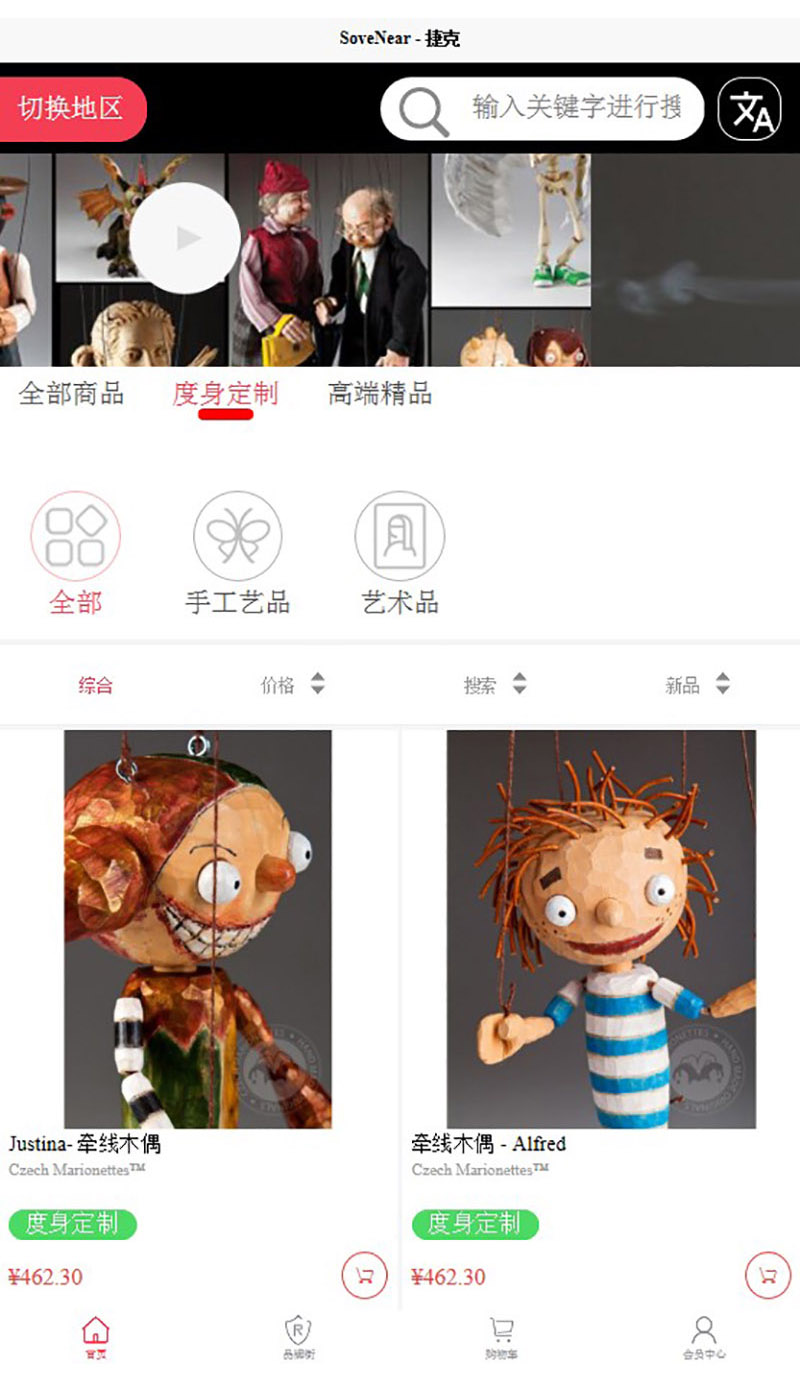
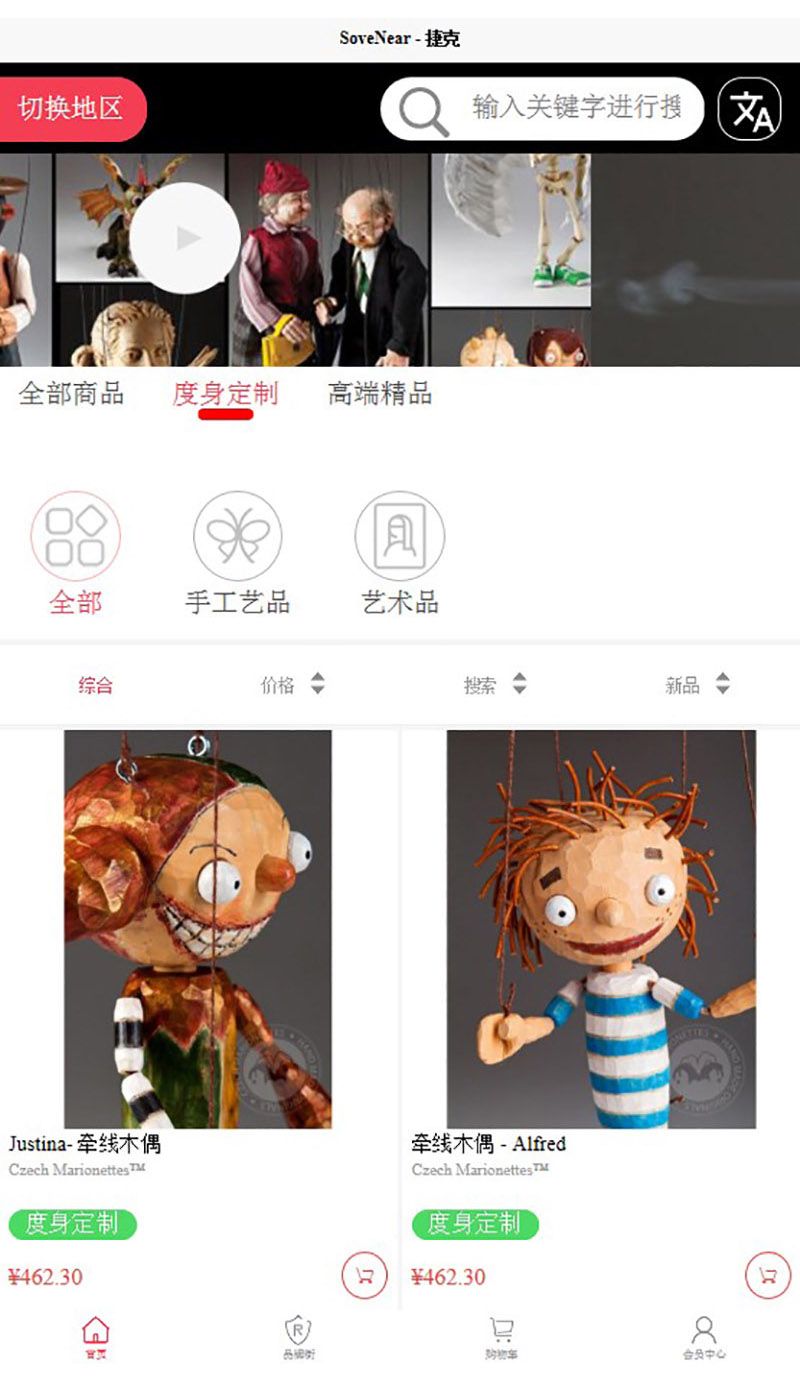
Launched in February 2019, the SoveNear platform has already attracted companies from a host of countries and territories, including Hong Kong, Taiwan, Macao, Thailand, Australia, New Zealand and the Czech Republic. Zhang said that SoveNear will continue to expand its services to more places, particularly in South-east Asia and countries along the Belt and Road routes, pointing out: “Most of the Belt and Road countries are developing countries with special commodities not many people know about. Our platform will help tourists visiting these destinations know about the local specialities. As well as boosting the local economy, this will also help promote cultural and economic exchanges between countries.”


Moving to Shenzhen
Zhang established Showcase Technology in Hong Kong in 2018 to design, research and develop online platforms. The company later joined the Shenzhen start-up services pilot scheme organised by the Hong Kong United Youth Association (HKUYA) and set up Showcase (Shenzhen) Technology Co Ltd the following year. Outlining how the move came about, Zhang said: “The Shenzhen start-up services pilot scheme was a scheme to help young Hong Kong people tap GBA opportunities. The HKUYA set up three pilot areas for this scheme in the innovation and entrepreneurship bases in Shenzhen’s Futian, Lohu and Nanshan districts for a period of six months, during which time one-stop support services and preferential measures were offered to start-up companies to lower their cost and help young people planning their future career in the GBA integrate into and align with the mainland market.
“The three innovation and entrepreneurship bases have different distinctive features. I chose Futian. Using the ‘own fund + co-operative fund” model, the Futian base brought together more than 100 leading investment institutions and paired off participating companies with investors to help start-up companies overcome financing problems and provide them with funding support. Companies in different sectors moved into the innovation and entrepreneurship bases. There were also business matchmaking companies. The base would introduce these companies to us to promote co-operation.”
Complementing Companies
Programmers in Showcase’s Hong Kong and Shenzhen offices develop online platforms and WeChat Mini Programs. Zhang explained how the different platforms are aimed at different sets of customers, saying: “Mainland travellers make about 120 million outbound trips each year while the total made by global outbound tourists is roughly 2 billion. Both groups are our target customers. WeChat Mini Programs are mainly designed for mainland travellers, while the web version is mainly intended for overseas tourists. Mainland people prefer using WeChat Mini Program, but there are not that many people capable of developing these programmes in Hong Kong. That is why WeChat Mini Programs are developed in Shenzhen. Conversely, mainland programmers are not familiar with the sort of webpage designs preferred by overseas tourists or their software preferences. So our Hong Kong colleagues are responsible for developing systems for overseas tourists. This division of work is good for both sides.”
Outlining a further distinction between the two parts of the company, Zhang continued: “Our Hong Kong company is mainly responsible for overseas development and establishing ties with businesses in overseas markets. Our Shenzhen company, meanwhile, is mainly responsible for turning mainland tourists into our target customers. With a population of 70 million, the GBA is a huge potential market, which is why we take it as our starting point for attracting customers and learning how to tap mainland tourist resources.
“Advertising campaigns on the SoveNear online platform mainly target overseas tourists and take place in overseas markets. The most effective publicity is to make overseas tourists aware of SoveNear’s services in their own country. In our co-operation with businesses in overseas markets, the most effective approach is to focus our publicity at the sort of places visited by most tourists, like hotels, travel agencies and car rental companies.”
Transport Network Boosts Tourism
The Hong Kong-Zhuhai-Macao Bridge and the Guangzhou-Shenzhen-Hong Kong High-Speed Rail have improved transport links in the GBA. Pointing out how they not only make business travel easier but also help promote the development of tourism in the area, Zhang said: “I live in Hong Kong but go to work in Shenzhen two to three days a week. It is very convenient to go to Futian from West Kowloon, taking only 17 minutes by high-speed rail. Over 20 million mainlanders visited Macao in 2018, while more than 50 million mainland visitors arrived in Hong Kong. The total number of mainland tourists visiting Hong Kong and Macao exceeded 70 million. Our hope is that all mainland tourists visiting Hong Kong and Macao get to know about SoveNear so that we can further expand our services.”
In Zhang’s opinion, each GBA city has a role to play in boosting the region’s economic value. Arguing that co-operation can turn the GBA into an integrated whole and create synergy, with the pooling of talents being the most obvious advantage available, Zhang said: “Dongguan is a manufacturing base. Innovative technology can achieve large-scale production here. Shenzhen is a science and technology centre with large numbers of skilled scientific and technological personnel working in telecoms giants such as Huawei and Tencent. As a financial centre, Hong Kong can help companies raise funds. Diversification of industries in the GBA can reinforce the pooling of talents while stimulating the growth of emerging industries.”
Editor's picks
Trending articles
By Martin Russell, Members' Research Service, European Parliamentary Research Service
Despite being strategically located at the crossroads of Europe and Asia, Central Asia has long been poorly connected: remote, landlocked, cut off from the main population centres of Europe and Asia by empty steppes and rugged mountains. As well as physical barriers, regulatory obstacles and political repression often inhibit the free flow of people, goods, services and ideas. However, in 2013 China announced its Belt and Road Initiative (BRI), one of whose aims is to revive the historic Silk Road trade route connecting Europe to the Far East via Central Asia. Uzbekistan's more open foreign policy since 2016 also favours improved connectivity.
The Belt and Road Initiative has provided impetus for a major transport infrastructure upgrade. Central Asian countries are also dismantling barriers to trade and travel. Many problems still remain – the poor state of physical infrastructure, limited digital connectivity, and regulatory obstacles. Progress has been uneven. In Uzbekistan and Kazakhstan, improved connectivity is driving increased trade and investment, while Kyrgyzstan, Tajikistan and Turkmenistan are lagging behind.
Given the importance of connectivity for Central Asia, it is key to the EU's relations with the region. The EU is making a difference, for example, by supporting educational exchanges and helping to dismantle trade barriers, but its role has not attracted the same attention as China's BRI. The EU's 2018 Connecting Europe and Asia strategy aims to redress the balance by setting out the values that underpin its own vision of sustainable, rules-based connectivity. For the strategy, connectivity is about more than infrastructure, and includes tackling non-physical (e.g. regulatory) barriers to movement. The EU has also expressed concerns about some aspects of the BRI, seen as prioritising China's interests over those of partner countries. However, given Beijing's growing influence, the EU needs to co-exist not only with China but also Russia, which is also a major connectivity player in the region through its Eurasian Economic Union.
Please click to read full report.
Editor's picks
Trending articles
中國民生銀行研究院研究團隊:黃劍輝、李岩玉、董運佳、郭曉蓓、王潤
“一帶一路”倡議的提出具有深刻的産業經濟背景。從國際視角看,當前,新一輪科技革命和産業變革正在興起,歐美掀起“再工業化”浪潮,以發達國家爲主導的國際産業分工向多極化發展,世界主要國家實施創新戰略重構國家競爭優勢;從國內視角看,我國面臨産業布局不盡合理、重要資源供給壓力大、産業升級成本逐步上升、自主創新能力不足等諸多瓶頸。在此背景下,“一帶一路”建設有利於構建新的經濟循環,破解我國産業結構轉型升級面臨的相關問題。
“一帶一路”建設促進我國産業結構升級的路徑主要有三個方面:一是發揮順向投資的自我選擇、“促長”以及資源“補缺”效應,有利於推動我國與“一帶一路”沿綫國家産業關聯升級;二是加强國際産能合作,有利於提升我國産品質量和全球價值鏈地位;三是發揮貿易結構先導、自由化競爭以及市場規模效應,有利於推動産業結構高度化升級,促進技術創新和培育壯大新興産業。
“一帶一路”建設爲我國重點産業轉型升級注入了新的活力:一是加大基礎設施建設投入,帶動基建産業鏈轉型升級;二是推進高端裝備製造業“走出去”;三是拓展我國能源供給空間;四是推動信息互聯互通建設;五是推動消費品工業貿易相關行業轉型升級;六是帶動服務業發展增量空間,促進相關行業國際化轉型。
業務機會分析:從區域分布看,重點聚焦俄羅斯、哈薩克斯坦、巴基斯坦等在“一帶一路”國別合作度排名前十的國家;聚焦廣東、山東、上海、浙江、江蘇等參與度得分排名前十的省區市;從行業發展趨勢來看,重點關注基礎設施建設、鋼鐵、建材、核電工程建設、能源、裝備製造、通信、電子商務、物流、旅遊等領域以及相關“走出去” 重點企業。
請按此閱覽原文。
Editor's picks
Trending articles
By Centre for Chinese and Comparative Law (RCCL) of School of Law, City University of Hong Kong
MISSION
This report is a product of the titled project conducted by the Centre for Chinese and Comparative Law (RCCL) of School of Law, City University of Hong Kong, sponsored by Microsoft Hong Kong Limited. The report has examined the legal issues related to cross-border data transfer and has assessed a proposal exploring Hong Kong to be a data center hub for the Greater Bay Area (GBA) as a pilot, and eventually for the entire China in the long run. In the end, some key recommendations have been made in relation to the relevant legal considerations to enable cross-border data flow within GBA.
Specifically, the report consists of two parts: analysis of current legal framework, and recommendations. Discussions in each part are presented according to the following order: mainland China, Hong Kong, and Macao.
The purpose of the project is threefold. Firstly, it reviews the legal framework of data protection and cybersecurity in mainland China, Hong Kong and Macao. Data transfer involves various areas of law, including inter alia, cyber law, data privacy law, criminal law, national security law. It is for this reason that a relatively comprehensive review of these relevant areas of law in the three legal jurisdictions has been carried out. Secondly, it aims to identify the key areas/restrictions on free data flow among the three jurisdictions and to therefore figure out the possible solutions. Thirdly, based on the above, this project attempts to explore a proposal whether Hong Kong is suitable to serve as a data depository and processing center in the region and for China. The research team considers recommending a special pilot of free data flow within GBA, and related requirements and criteria for gradual approach depending on the nature of data (e.g. non-critical information/non-personal data, pure commercial data, R&D data, personal data, sensitive/national security data) as its main methodology. The feasibility of the recommendations from legal and policy perspectives has been analyzed.
Key Findings and Recommendations
Key findings:
- China - Without any exaggeration, data flow is at the core of digital economy. Under the premise of protecting controllable security of important data, maximization of free flow of data is useful in advancing the development of digital economy. The Cyber Security Law of the People’s Republic of China has basically set out the fundamental rules regarding cross-border data flow in mainland China. Yet the enactment of the detailed implementation regulations and relevant statutes is well underway. Key terms and new concepts, such as “Critical Information Infrastructure” and “important data” found in Cyber Security Law need to be clarified and defined to facilitate further discussion on cross-border data flow.
- Hong Kong - Hong Kong’s data protection law focuses on the protection of privacy and security of personal data. To date, there is no legal/regulatory restriction on cross-border transfer of data to and from Hong Kong. Section 33 of the Personal Data (Privacy) Ordinance governs the transfer of personal data from Hong Kong to the overseas jurisdictions, but the section is not yet in force, despite being a provision of the Ordinance since 1996. Section 33 provides one may transfer data out of Hong Kong if certain criteria are met: for example, if the receiving jurisdiction provides similar protections to personal data as in Hong Kong, if data subject’s consent has been obtained, or if certain due diligence exercise has been carried out to ensure data will be handled properly in the receiving jurisdiction. In a nutshell, the current legal regime in Hong Kong does not restrict Hong Kong from being a global data hub to receive, store and share data. Hong Kong has the potential to be a data center hub.
- Macao - The question of whether personal data can be transferred to a jurisdiction outside Macao is dependent on 1) the level of compliance with the Personal Data Protection Act and 2) the level of adequate protection in the data receiving jurisdiction. When there is no adequate level of protection in the receiving jurisdiction, transfer of data out of Macao may still be allowed if certain criteria are met. For example, if data subject’s consent has been obtained and a notification for the transfer is filed with the Office for Personal Data Protection, if the transfer is necessary (e.g. to perform a contract) or related to public interest (e.g. public security), or in other scenario where approval is granted by the Office for Personal Data Protection to transfer data out of Macao.
- This project examines the feasibility of a pilot project employing Hong Kong to be a data hub within GBA. There are practical needs for cross-border data flow from China to the rest of the world. If the pilot is successful, Hong Kong may serve as a data center hub to connect China with the rest of the world: 1) At a personal level, there are over 800 million of Internet users in China and there are cross-border data transfer activities on a day-to-day basis; (2) there are needs to transfer data within GBA at the government level, for example for public health reasons; (3) at business level, cross-border data transfer is necessary, for example: (a) for collaboration purposes: by private entities in their business activities, especially for multinational corporations to transfer internal data within different affiliates within the organization; (b) for research purposes: there is a need for international cooperation in research projects and it will involve data sharing; (c) for regulatory compliance purpose: such as anti-money laundering or know-your-client compliance checks for banks; and (d) for litigation purpose: such as in overseas lawsuit that involves evidence originated from mainland China.
- Further, it is strategic to have the pilot in GBA, because 1) GBA is an important platform for mainland China to further engage the outside world. Realization of cross-border free flow of data within GBA can make the development of the area more vibrant and enhance deep integration in the development of GBA. 2) The uniqueness of the “One Country, Two Systems” structure provides advantageous conditions for exploring cross-border free flow of data within GBA. In tandem with the National Strategy published in President Xi Jinping’s report delivered at the 19th National Congress of the Communist Party of China [1], it is expected that certain special legal arrangements will be provided to promote the deeper integration among the three jurisdictions. 3) It does not seem attainable to expect the primary legislation at the national level, Chinese Cyber Security Law, enacted as recent as in 2017, to be amended to lift the ban completely. It will be appropriate to explore a pilot within GBA first.
- In summary, it is submitted that in view of the reasons above, GBA provides a feasible pilot project allowing Hong Kong to be the data center hub facilitating cross-border data transfer to and from China. The pilot can start with less sensitive/critical data, such as open data, “harmless” data, and data not otherwise subject to legal or regulatory restrictions. It can also cover data of small-mid size businesses (as they will unlikely fall within the scope of “Critical Information Infrastructure”), common e-commerce, data for specific purposes such as for enterprises/multinational corporations intergroup communication, regulatory compliance, and non-commercial research.
Recommendations for a GBA pilot:
- To establish a special task force group to coordinate data transfer issues within GBA;
- At institutional level, cross-jurisdiction coordination is needed to launch the pilot project participated by different parties from the three jurisdictions. All the three jurisdictions have different legal and institutional mechanisms to manage data privacy and data flow. Therefore, it is recommended that a special task force group be established to coordinate and mobilize the legal institutions and relevant government agencies in Guangdong, Hong Kong and Macao. The purpose is to enhance the communication among the three jurisdictions and to facilitate the rule-making and enforcement with regard to the free flow of data.
- To harmonize the policies, regimes, and technical aspects related to data transfer within GBA;
- Guangdong, Hong Kong and Macao have different social, economic and legal systems. Given the differences in the policies, legal regimes, and technical aspects related to data transfer, it is recommended that a harmonization of substantive rules at technical levels for the three involved jurisdictions is necessitated. To be specific, it is further recommended that the actual operators, end-users and all the stakeholders voluntarily participate in the proposed protection system.
- To establish a “white list” or a “negative list” for data flow;
- A “white list” is a mechanism which permits certain categories of data enter and exit in certain circumstances, while the “negative list” is able to ascertain the scope of data that are not allowed to be freely transferred. The establishment of a “white list” or a “negative list” could enhance the certainty and efficiency of free data flow in the GBA. The lists need to identify specific industries or categories (e.g. financial services, healthcare, small-mid size businesses), and identify specific purposes (e.g. for e-commerce, enterprises/multinational corporations intergroup communication, regulatory compliance, non-commercial research), which are amendable and adjusted according to the changes in the systems and technologies and other factors of the three places.
- To take reference to other existing arrangements on cross-border data transfer;
- Hong Kong has been actively participated in several international agreements about cross-border data transfer with several international organizations (e.g. WTO) and other countries, which allows Hong Kong to make arrangements with foreign states for cooperation in legal and judicial matters. Furthermore, the intraregional arrangements include the CEPAs between Hong Kong and Macao, and Hong Kong and the Mainland has been significantly enhanced through the liberalization of the trade in goods and services, in particular, in data services and E-commerce, which have significant reference value to the perfection and application of the cross-border data flow system within the GBA. Observing and learning from these existing mechanisms that focus on a specific sector, e.g. exchanges between two places regarding cross-boundary data flow in the e-commerce sector will be of great value to a GBA pilot in the future.
- To apply Hong Kong/Macao laws in the transfer of permissible data to Hong Kong/Macao;
- While the “border” between mainland and Hong Kong/Macao is different from “national border”, borders do exist due to the differences in the political systems and legal systems under the “One Country Two Systems”. Whether data flow between mainland and Hong Kong/Macao belongs to “cross-border”, and whether such kind of activity should be included in the scope of regulation of the cross-border data flow system need to be clarified. The data transferred from the Mainland to Hong Kong/Macao should be subject to local laws of Hong Kong/Macao.
- To adopt a step by step approach — addressing highly sensitive “important data”;
- Important data is the specific target of regulation of mainland China’s cross-border data flow system e.g. national defence, utility plants. Maintaining data security at the national level should be the basis of the proposal for the pilot project on cross-border free flow of data in the GBA. Under the premise of protecting controllable security of important data, maximization of free flow of data is useful in advancing the development of digital economy. Therefore, it is advised to promote the GBA pilot in a realistic and constructive manner.
[1] Xi Jinping, ‘Secure a Decisive Victory in Building a Moderately Prosperous Society in All Respects and Strive for the Great Success of Socialism with Chinese Characteristics for a New Era — Delivered at the 19th National Congress of the Communist Party of China’, China Daily, 18 October 2017, <http://www.chinadaily.com.cn/interface/flipboard/1142846/2017-11-06/cd_34188086.html> Accessed 23 January. 2019 4
Please click to read full report.
Editor's picks
Trending articles
中國民生銀行研究院民營企業研究團隊:黃劍輝、徐繼峰、馮立果、丁陽
“一帶一路”倡議提出六年來取得卓越成就。經過六年推動建設,“一帶一路”倡議已經成爲新型全球化的成功範式,多元化的投融資體系不斷完善,沿綫基礎設施互聯互通取得豐碩成果,中國與沿綫的貿易投資總體快速增長。六年來,中國與沿綫國家的進出口貿易總額累計達到約 6.5 萬億美元。
通過參與“一帶一路”建設,民營企業國際化進入新階段。在中國與 “一帶一路”國家的進出口貿易總額中,民營企業佔比達到 43%,是沿綫進出口貿易的主要力量;民營企業在沿綫國家的對外直接投資快速增加,主導建設的境外經貿合作區快速發展,發起的跨境企業併購呈現良好發展態勢;湧現出複星集團、青山控股、青建集團等一批參與“一帶一路”建設的民營企業優秀案例。
當前民營企業參與“一帶一路”建設面臨若干突出問題。中國民營企業所處的國際國內經濟政治環境發生了顯著變化,民營企業生存和發展均面臨巨大壓力,也直接影響了部分民營企業的國際化進程;民營企業在部分沿綫國家的投資合作也存在諸多非經濟風險,相關國家對“中國資本”存在不同程度的偏見。
支持民營企業參與“一帶一路”建設的政策建議。創新民營經濟發展理論,切實解决民營企業發展後顧之憂;著力加强支撑體系建設,爲民營企業海外投資創造良好環境;發揮好商會協會的作用,完善民營企業海外投資服務組織。
請按此閱覽原文。
Editor's picks
Trending articles
The Ogun-Guangdong Free Trade Zone looks to the future as work continues on its second phase.
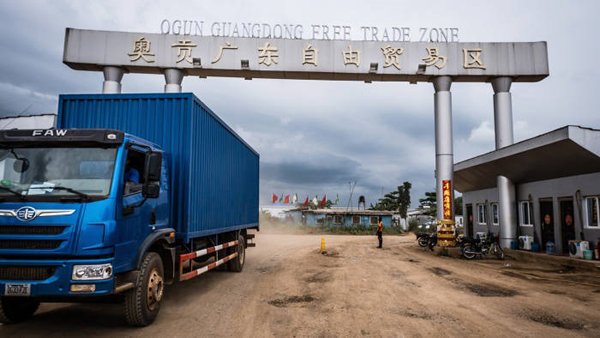
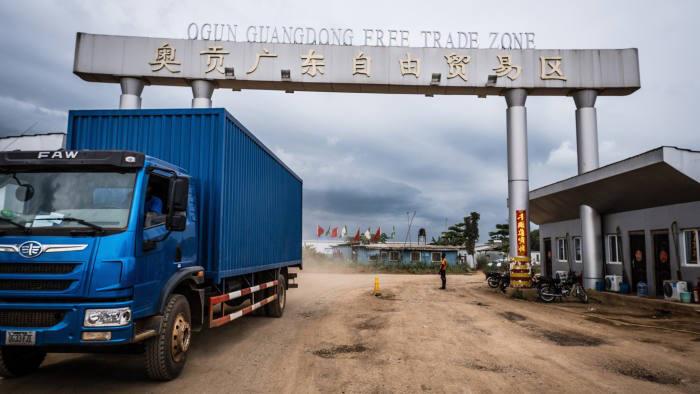
Late last month, Nigeria's China-backed Ogun-Guangdong Free Trade Zone (OGFTZ) celebrated 10 years of continuous operation and growth. Set some 50km from Lagos, Nigeria's commercial capital, it was one of the country's initial tranche of eight special economic zones to secure funding from Beijing and a project that has since been integrated within the wider framework of the Belt and Road Initiative (BRI).
The zone is now said to generate more than US$234 million in revenue a year, while having attracted in excess of $2 billion in total investment and provided about 6,000 jobs for local workers. Summing up the significance of the project as its 10th anniversary loomed, Adeniyi Adebayo, Nigeria's Minister of Industry, Trade and Investment, said: "The Ogun-Guangdong Free Trade Zone demonstrates just what special economic zones can do to help the country realise its true industrial potential."
Set about 55km from Apapa, the largest seaport in western Africa, and some 50km from Murtala Mohammed International Airport, the zone is a joint venture between the Ogun State Government and China African Investment Company (CAIC) – a consortium that comprises the Guangdong Xinguang International Group and China-Africa Investment. Overall, CAIC owns 82% of the joint-venture company, while having 100% management control of the zone and holding a 100-year concession on its manufacturing output.
The start-up phase of the zone extended across 2.24 sq km, an area that was almost fully occupied by 2017, with work then commencing on the agreed second phase. According to Daniel Chi, CAIC's Deputy General Manager, as of June this year, the zone was home to some 30 companies. The major enterprises active within its precincts include Goodwin Ceramic, which has invested more than $100 million; China (Nigeria) Glass (also about $100 million); Hewang Packing & Printing ($50 million); and the Lee Group, a Hong Kong-headquartered footwear manufacturer that has also made a substantial – but undisclosed – investment.
Among the other tenants of the zone are Sun Ceramic, Winghan Furniture, Panda Industry, Green Power Utility, East Steel, Flying Horse Aluminum and the Federated Steel Group. This has seen its manufacturing output extend to include ceramics, packaging, glass, furniture, electricity generation, electrical appliances, steel structures, wigs and hardware. The total planned area of the zone is about 10,000 hectares, with the leasehold falling to CAIC for the next 99 years.
The benefits of operating in the zone are substantial. There is, for instance, no duty charged on imports of raw materials, while customs clearance in and out of the zone is swift and facilitated by a dedicated on-site office. Resident companies are also exempt from Nigerian taxes and can be 100% foreign-owned. Such companies are also free from any obligation to secure import licences, with the on-site management team also offering a one-stop service for the provision of any additional documentation, certificates or licences that may be required. For those investors concerned with regard to the country's problematic labour relations, it has been made illegal for any employee of a zone-based company to go on strike or stage a lockout until any such business has been established on the site for a minimum of 10 years.
The zone also has its own independent gas-fired power plant, making it wholly self-sufficient in terms of meeting its own power needs. With demand set to increase, the plant's management has announced plans to double its existing 5 MW capacity. A less welcome sign of its success has been the need for heightened security. As a consequence, Ogun State's Police Commissioner has seconded 13 full-time officers to the zone, while 150 privately hired security operatives also patrol the site.
Geoff de Freitas, Special Correspondent, Lagos
Editor's picks
Trending articles
 392 Views
Mr Jimmy Chim
Senior Consultant Digital Transformation Division HKPC
Manufacturer Experience Sharing: Expansion of Business Operation to Indonesia
https://youtu.be/TG3m0Ayv1nw
Clicking the below links for full version videos of guest speakers:
Mr Mandala S. Purba (Consul for Economic Affairs, Consulate General of The Republic of Indonesia)
https://youtu.be/mHM3NpCJQ5M
Mr Iqbal Shoffan Shofwan (Consul of Trade Consulate General of The Republic of Indonesia)
https://youtu.be/9fHTnqHmBOQ
Mr Wan Andi Aryadi (General Manager of PT. Bank Negara Indonesia (Persero) Tbk)
https://youtu.be/37XqgE6cohQ
Mr Andrias Hendrik (Tax Partner, PwC Indonesia)
https://youtu.be/Xwxd2XlDWUw
Ms Jacqueline Yuen (Economist, Hong Kong Trade Development Council)
https://youtu.be/nVr-ioLxQ18
Mr Dominic Tam (Chairman and CEO of Combine Will International Holdings Limited)
https://youtu.be/Z2MYKyysn6E
Mr Du Qiqi (Assistant Country Manager, Bank of China (Hong Kong) Limited Jakarta
Branch)
https://youtu.be/IYN4C1a1-W8
Mr Jimmy Chim (Senior Consultant Digital Transformation Division HKPC)
https://youtu.be/tJPeQNWrIJg


 2095 Views
Smart control devices and IoT solutions will determine Hong Kong-based electronic engineering company Computime’s success for the future – as well as underline Hong Kong’s role as a smart city, says CEO Dr King Owyang. He expects the company will take a lead role in the Greater Bay Area plan for new IoT solutions and develop opportunities in Eastern Europe and Southeast Asia under the Belt and Road Initiative.
Speakers:
Dr King Owyang, Chief Executive Officer, Computime Limited
Victor So, General Manager, Salus Product Marketing, Computime Limited
Related Links:
Hong Kong Trade Development Council
http://www.hktdc.com
HKTDC Belt and Road Portal
http://beltandroad.hktdc.com/en/