









Hong Kong
Country Region

hpa
Infrastructure and Real Estate-Related Services

Aedas
Infrastructure and Real Estate-Related Services
17 Nov 2017
Aedas
A straw poll of work colleagues will quickly confirm that few know the geographical location of Djibouti despite it being a strategically key port on the busiest shipping route in the world. The Belt and Road Initiative will have a transformational effect on a place known as the Crossroads Nation.
The highly distinctive and recognisable Aedas strategic master plan for Djibouti will reinvigorate the city and encourage the growth in trade of capital, goods and services through the whole of East Africa.
The strategic military bases within the city make it very secure. Its political stability is an additional asset. Its people incredibly polite and always smiling and the potential for growth is huge. Already its telecommunications system ranks among the best in Africa.
The strategic master plan is a progressive and sustainable model for regeneration that not only looks to the future but also draws from the rich heritage and culture of the city and the country. The astonishing
17 Nov 2017
Aedas
A straw poll of work colleagues will quickly confirm that few know the geographical location of Djibouti despite it being a strategically key port on the busiest shipping route in the world. The Belt and Road Initiative will have a transformational effect on a place known as the Crossroads Nation.
The highly distinctive and recognisable Aedas strategic master plan for Djibouti will reinvigorate the city and encourage the growth in trade of capital, goods and services through the whole of East Africa.
The strategic military bases within the city make it very secure. Its political stability is an additional asset. Its people incredibly polite and always smiling and the potential for growth is huge. Already its telecommunications system ranks among the best in Africa.
The strategic master plan is a progressive and sustainable model for regeneration that not only looks to the future but also draws from the rich heritage and culture of the city and the country. The astonishing

Arup
Infrastructure and Real Estate-Related Services
04 Sep 2019
Arup
“People tend to look at output… but actually, we should look at the outcome. What does this piece of infrastructure have to do with the social and economic development of that location?” points out Arup’s East Asia Region Chair, Michael Kwok.
“That is why Belt and Road makes so much sense – not only in terms of supporting the development of a country, but actually in supporting the ambitions of shaping a better world.”
Speaking in a video for the Hong Kong Trade Development Council, Michael described the BRI – an ambitious, large-scale programme to connect Asia, Africa and Europe via land and maritime networks – as a very important initiative not just for China, but for the world.
He believes that Hong Kong is playing a vital role in helping to shape the Belt and Road Initiative due to its internationalism, openness and pragmatism.
Pioneering digital transformation work in Hong Kong, particularly around 3D printing, automation and artificial intelligence,
04 Sep 2019
Arup
Image used under license from shutterstock.com
The government of the Philippines has embarked on an ambitious “Build, Build, Build” infrastructure programme to spur economic growth throughout the country. According to the government, a total of PhP8.4 trillion (US$170 billion) will be spent for infrastructure during the six-year term of the Duterte administration. This will increase the infrastructure spending in the GDP from 3.4% in 2016 to 7.4% by 2022.
Challenges facing
The Philippines is one of the fastest growing economies in Asia averaging more than 6% growth over the past decade. However, infrastructure spending has lagged behind its neighbours. The crumbling infrastructure has resulted in transport and economic woes and has been identified as one of the most significant constraints sustaining to the country’s economic growth.
Underdeveloped infrastructure is attributed to the following factors:
inadequate infrastructure investment
27 Jun 2018
Arup
The Belt and Road Initiative (BRI) undoubtedly offers tremendous opportunities for countries along each of the corridors and for the countless organisation who will play a part in its progress. Yet the project also faces a number of issues that will be critical to the eventual success of the initiative, not least the challenge of social acceptance.
For design and engineering firms such as Arup, it is easy to look at BRI as a series of large-scale infrastructure projects. In reality though, it is a multi-faceted development whose core principles cover everything from policy coordination and trade freedoms to financial integration and globalization.
Ultimately, infrastructure is – always and everywhere – political. There are always strategic interests involved and there can be losers as well as winners. So even when the number of winners far outstrips the losers and there is a compelling case to build, we must always do our best for those who don’t see a critical new rail lin
19 Jan 2018
Arup
Rail networks are an important part of the Belt and Road initiative to improve connectivity along the historical Silk Road trading routes, and stations are powerful catalysts for development and regeneration. How are transport hubs evolving to meet local needs? What can we learn from trends in Europe and North America? Malcolm Smith, Arup’s Global Masterplanning and Urban Design Leader shares his perspective.
Train stations were places of wonder in the 19th century. The buildings, like the trains within, symbolised technological progress and economic power. These ‘palaces’ of the industrial age were awe-inspiring in their sheer size, dramatic in architecture and feats of engineering. St Pancras Station in London was one such example and on its completion in 1868, was the largest enclosed space in the world. This has allowed it to be remodeled into today’s spectacular transport hub.
© Hufton+Crow
The redevelopment of King’s Cross station represents a co
06 Dec 2017
Arup
Preparing for widespread growth
Rapid growth in energy demand across Asia is seeing LNG become the fuel of choice. Driven by expanding populations, rising standards of living, and sprawling urbanisation, demand will only keep growing. With LNG production and transportation at an all-time high, Asia is seeing new opportunities for both land-based import terminals as well as floating storage and regasification facilities.
This trend is set to keep on going, with energy growth predictions for Asia much higher than the rest of the world. Japan and Korea have long relied on LNG for energy security and power generation, but we’re now seeing a change across Asia. China, India, Indonesia, the Philippines, Thailand, Vietnam and Bangladesh have followed suit with the recent introduction of gas into their import markets and are helping to drive demand across the region. As demand increases, new ways of bringing large-scale power generation online quickly needs to be found to meet thes
18 Oct 2017
Arup
Sustainable and resilient infrastructure design is vital for the Belt & Road… not just for Asia, but for the world as well
Just over four years after President Xi Jinping first launched his vision for the Belt and Road Initiative (BRI), the concept is fast becoming a reality. With a vision of reform, development, trade and innovation at the heart of the concept, BRI is set to reshape and revitalise trade links around the globe.
The countries along the various corridors account for some two-thirds of the world’s population, but only one third of the world’s GDP. So there is tremendous potential for growth. And the new infrastructure developed under the BRI banner will be the key to the unlocking this potential.
That is not to say that some of this infrastructure would not be built without BRI, of course. In fact, the Asia Development Bank estimated that some US$1.7 trillion per annum would be required for infrastructure investment in Asia between 2016-2030 at current
18 Oct 2017
Arup
Sustainable and resilient infrastructure design is vital for the Belt & Road… not just for Asia, but for the world as well
Just over four years after President Xi Jinping first launched his vision for the Belt and Road Initiative (BRI), the concept is fast becoming a reality. With a vision of reform, development, trade and innovation at the heart of the concept, BRI is set to reshape and revitalise trade links around the globe.
The countries along the various corridors account for some two-thirds of the world’s population, but only one third of the world’s GDP. So there is tremendous potential for growth. And the new infrastructure developed under the BRI banner will be the key to the unlocking this potential.
That is not to say that some of this infrastructure would not be built without BRI, of course. In fact, the Asia Development Bank estimated that some US$1.7 trillion per annum would be required for infrastructure investment in Asia between 2016-2030 at current
06 Dec 2017
Arup
Preparing for widespread growth
Rapid growth in energy demand across Asia is seeing LNG become the fuel of choice. Driven by expanding populations, rising standards of living, and sprawling urbanisation, demand will only keep growing. With LNG production and transportation at an all-time high, Asia is seeing new opportunities for both land-based import terminals as well as floating storage and regasification facilities.
This trend is set to keep on going, with energy growth predictions for Asia much higher than the rest of the world. Japan and Korea have long relied on LNG for energy security and power generation, but we’re now seeing a change across Asia. China, India, Indonesia, the Philippines, Thailand, Vietnam and Bangladesh have followed suit with the recent introduction of gas into their import markets and are helping to drive demand across the region. As demand increases, new ways of bringing large-scale power generation online quickly needs to be found to meet thes
19 Jan 2018
Arup
Rail networks are an important part of the Belt and Road initiative to improve connectivity along the historical Silk Road trading routes, and stations are powerful catalysts for development and regeneration. How are transport hubs evolving to meet local needs? What can we learn from trends in Europe and North America? Malcolm Smith, Arup’s Global Masterplanning and Urban Design Leader shares his perspective.
Train stations were places of wonder in the 19th century. The buildings, like the trains within, symbolised technological progress and economic power. These ‘palaces’ of the industrial age were awe-inspiring in their sheer size, dramatic in architecture and feats of engineering. St Pancras Station in London was one such example and on its completion in 1868, was the largest enclosed space in the world. This has allowed it to be remodeled into today’s spectacular transport hub.
© Hufton+Crow
The redevelopment of King’s Cross station represents a co
27 Jun 2018
Arup
The Belt and Road Initiative (BRI) undoubtedly offers tremendous opportunities for countries along each of the corridors and for the countless organisation who will play a part in its progress. Yet the project also faces a number of issues that will be critical to the eventual success of the initiative, not least the challenge of social acceptance.
For design and engineering firms such as Arup, it is easy to look at BRI as a series of large-scale infrastructure projects. In reality though, it is a multi-faceted development whose core principles cover everything from policy coordination and trade freedoms to financial integration and globalization.
Ultimately, infrastructure is – always and everywhere – political. There are always strategic interests involved and there can be losers as well as winners. So even when the number of winners far outstrips the losers and there is a compelling case to build, we must always do our best for those who don’t see a critical new rail lin
04 Sep 2019
Arup
Image used under license from shutterstock.com
The government of the Philippines has embarked on an ambitious “Build, Build, Build” infrastructure programme to spur economic growth throughout the country. According to the government, a total of PhP8.4 trillion (US$170 billion) will be spent for infrastructure during the six-year term of the Duterte administration. This will increase the infrastructure spending in the GDP from 3.4% in 2016 to 7.4% by 2022.
Challenges facing
The Philippines is one of the fastest growing economies in Asia averaging more than 6% growth over the past decade. However, infrastructure spending has lagged behind its neighbours. The crumbling infrastructure has resulted in transport and economic woes and has been identified as one of the most significant constraints sustaining to the country’s economic growth.
Underdeveloped infrastructure is attributed to the following factors:
inadequate infrastructure investment
04 Sep 2019
Arup
“People tend to look at output… but actually, we should look at the outcome. What does this piece of infrastructure have to do with the social and economic development of that location?” points out Arup’s East Asia Region Chair, Michael Kwok.
“That is why Belt and Road makes so much sense – not only in terms of supporting the development of a country, but actually in supporting the ambitions of shaping a better world.”
Speaking in a video for the Hong Kong Trade Development Council, Michael described the BRI – an ambitious, large-scale programme to connect Asia, Africa and Europe via land and maritime networks – as a very important initiative not just for China, but for the world.
He believes that Hong Kong is playing a vital role in helping to shape the Belt and Road Initiative due to its internationalism, openness and pragmatism.
Pioneering digital transformation work in Hong Kong, particularly around 3D printing, automation and artificial intelligence,
In upgrading and transforming themselves, many companies try to boost competitiveness through various means, including R&D in technology, product design and branding. Modern Precision Dental Instrument Co Ltd in Foshan, however, goes a step further. In seeking to carve out more market space in a severe competitive environment, it implements an appropriate business layout to enhance product value and marginal profit.
High Value-added Products Strategy
Approved by and registered with the Guangdong Food and Drug Administration, Modern Precision is a manufacturer of precision dental instruments. With a production base set up in Foshan in 1989, it now engages in the R&D, manufacturing and sales of dental instruments. It told HKTDC Research that its core advantages include the R&D, design and production of precision parts and components as well as instruments that are up to the requirements of its clients, related health regulators and various technical standards.
Modern Precision says that the parts/components and instruments it produces are hi-tech, high value-added products. The key to the company’s competitiveness, therefore, lies in the technology, quality and reliability of its products as well as its brand name. This is in stark contrast to the strategy of its competitors who snatch market share through low costs and low prices for their uncertified and non-professional medical products. Instead of transferring its production base to minimise costs, the company’s current development strategy is to enhance product value by raising product quality and precision.
Modern Precision has R&D facilities in both Foshan and Henan Province and is investing continuously to build up the capability of its R&D teams. In the next five years, as well as upgrading the functions of its existing products, it will further develop higher-end and higher value-added products, including laser cutting dental equipment, laser treatment equipment, surgical craniotomy machines and precision orthopaedic surgery equipment.
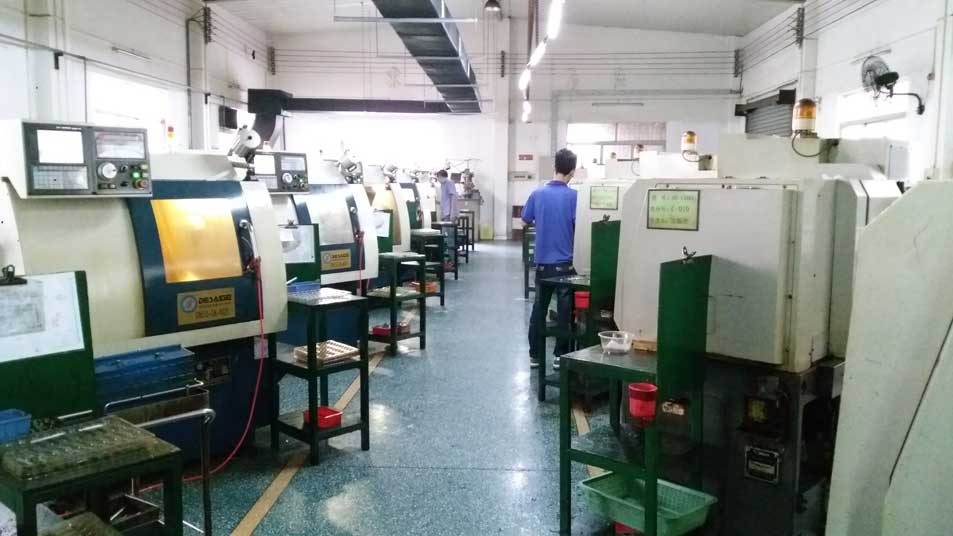
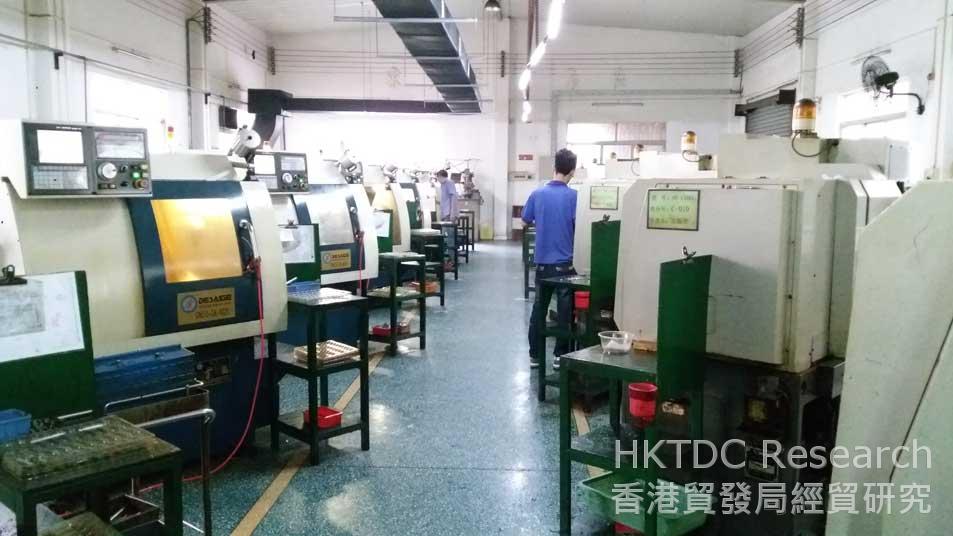
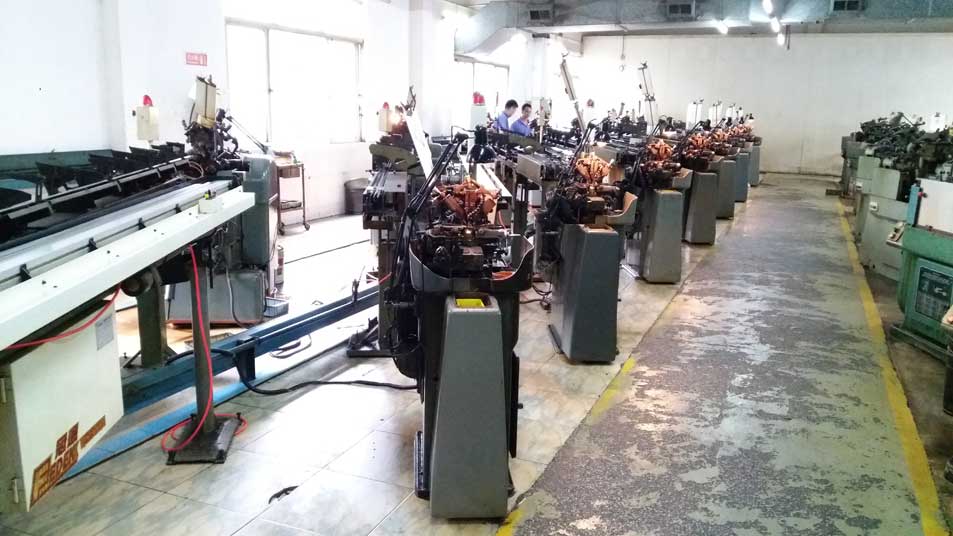
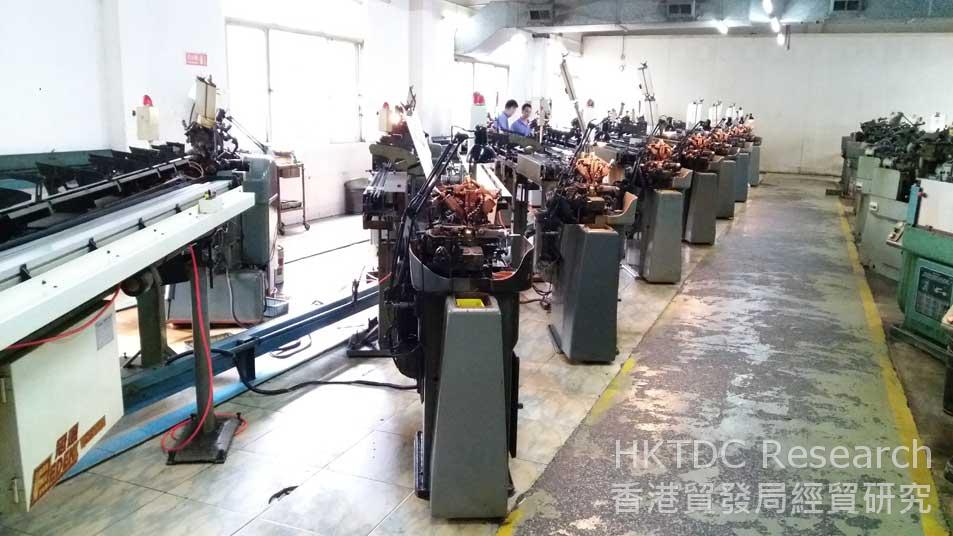
Modern Precision’s only mainland plant in Foshan is equipped with an array of automated production equipment imported from Japan, Germany and Sweden, including a computer numerical controlled machine tool (CNC) for precision production. It is also outfitted with related testing equipment to ensure the high quality of its products. The Foshan plant currently employs about 120 workshop staff, most of whom are technicians responsible for operating the production equipment. Low-tech staff members are a small minority.
Enhancing Brand and Product Values
Modern Precision is serious about building its brand and has been active in advertising and in participating in major exhibitions both at home and abroad. It set up a plant in Gyeonggi-do in South Korea in 2013 so that high-end dental instruments could be produced out of core parts and components made in Foshan, together with locally sourced industrial products to comply with Korean certificate of origin requirements. Modern Precision points out that, currently some mainland enterprises are relying on a low-price strategy, but because the design and quality of their products are often inferior, the reputation of Chinese products suffers. To avoid being tarred with the same brush, Modern Precision uses South Korea as a springboard to expand into international markets and to enhance product value while simultaneously building its brand and boosting marginal profit.
Modern Precision produces dental instruments such as pure titanium or chrome plated copper high-speed drills, low-speed drills, brushless electrical motor drive controls and wireless endodontic motors. Around 60% of its business is in carrying out OEM production for famous brands around the world, while the other 40% is in producing on an ODM or own-brand basis. Currently, some 80% of Modern Precision’s products are for export, and the rest are for domestic sales. Irrespective of their destination, all products are manufactured in compliance with the regulatory requirements of the markets concerned, such as FDA approval from the US or CE certification from the EU. Modern Precision has also set up an office in Hong Kong which, as well as catering to its Hong Kong business, is responsible for handling overseas investment, sales and sourcing and related financial arrangements.
(Remark: The above is among the case studies of a research project jointly undertaken by HKTDC Research and the Department of Commerce of Guangdong Province: Shift of Global Supply Chain and Guangdong-Hong Kong Industrial Development. Please refer to the research report of the aforementioned project for more details.)
Editor's picks
Trending articles
In a bid to pursue long-term business development, many technology-intensive and capital-intensive enterprises on the Chinese mainland have, in recent years, been devoting great efforts to formulating their international business plans as well as further exploring market opportunities arising from the Belt and Road. According to Keda Clean Energy Co Ltd of Guangdong, outbound investment in carrying out production offshore should not just take into account labour and direct production costs but also the overall costs, including transportation, logistics and tariffs. Also, investment strategy should be mapped out according to market demand in order to seek maximum benefit for the company’s business.
Keep an Eye on Belt and Road Market Potential
Keda Clean Energy, listed on the Shanghai Stock Exchange, is mainly engaged in building material machineries (building ceramic machineries, wall material machineries, stone material machineries, etc), clean energy for environmental protection (clean coal gas technology and equipment, gas purification technology and equipment), and clean energy materials (dynamic lithium-ion battery negative electrode materials). The company also provides project contracting arrangement, financing and leasing services. It has 27 subsidiaries in Guangdong, Anhui, Jiangsu, Henan and Liaoning, as well as a number of well-known brands in the trade such as Keda, Henglitai, Kehang, Xinmingfeng, Kdneu, Ai’er and Zhuodahao. Today, the company’s products are sold to more than 40 countries and regions.
Where building material machineries are concerned, Keda Clean Energy actively makes use of Chinese-made equipment to expand its overseas markets and has already established itself as a leader in the Asian market.
The company’s director Jason Zhong told HKTDC Research: “The building material machineries produced by Keda Clean Energy are technology- and capital-intensive, with both their quality and technology reaching international levels. This, coupled with the full support of the mainland in supplying metals in the form of raw materials, electronic/electrical parts and components, as well as abundant top-notch design and engineering personnel, is conducive to the production of building material machineries with advanced technology and high price-performance ratio.
“Although labour and production costs in the mainland have been climbing in recent years, Keda Clean Energy still manages to improve its mainland production business, excel in technology and quality, and further develop the market at home and abroad.”

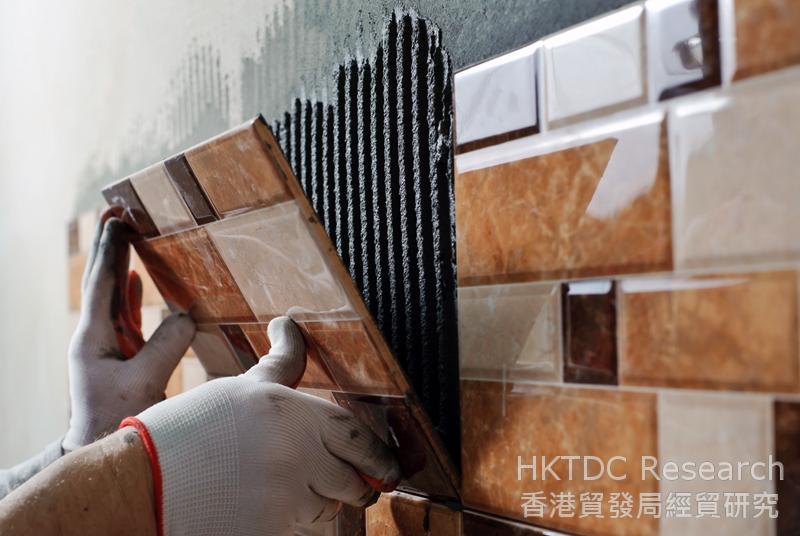
Zhong added that after 30 years of growth, the mainland building materials market is coming of age and the demand of downstream manufacturers for building material production equipment is becoming stable. To seek long-term business development, Keda Clean Energy is gradually expanding its overseas market. It also attaches importance to the development potential of countries along the Belt and Road. Many countries along the route are eagerly trying to import the necessary equipment for the production of building materials locally to support the burgeoning infrastructure construction and building activities in their countries.
Deploying Overseas Investment Based on Cost and Profit
In addition to exporting building material machineries from the Chinese mainland, Keda Clean Energy has also started to invest in production activities offshore. Such investment projects mainly concentrate in downstream business related to building material equipment, including investing in the production of ceramic building material products in African countries. The ceramic tiles production line the company set up in Kenya began operation at the end of 2016, while its factory in Ghana is scheduled for operation in mid-2017. Infrastructure construction work for its building materials project in Tanzania is also in progress.


Although the building materials made in China have the advantage of low cost, manufacturers in the trade often find it difficult to explore distant markets overseas due to the relatively high import tariffs imposed by some countries and the high transportation cost involved. As construction activities in certain developing countries, such as those in Africa, continue to surge, their demand for building materials is strong. Yet there are hardly any large-scale local investors who are willing to set up building material production lines there supplying the local market.
Zhong said: “Against this background, Keda Clean Energy co-operates with some African distributors whereby China-made equipment is exported to the countries concerned to set up building material production lines there, taking advantage of the raw materials available locally to produce ceramic tile products to supply to the African market.
“Actually, taking into account the labour efficiency and other production costs in Africa, the cost of producing ceramic tiles there is not lower than that in the mainland. But the great savings on import tariffs and transportation cost allow Keda Clean Energy to effectively explore the end market for building materials in Africa. Moreover, the keen demand of the African building materials market means that it can accept higher prices, which in turn brings about greater profit. At the same time, it can also drive the company’s equipment sales to Africa.”
Where building material machineries are concerned, Keda Clean Energy has realised localisation of building ceramic machineries and is moving towards its objective of becoming the world’s building material equipment industry leader. The company has two “state-accredited enterprise technology centres”, one “national engineering technology centre”, two “post-doctoral scientific research workstations”, and three “academician workstations” in the mainland. These innovative R&D platforms complement its mainland production bases in providing advanced equipment and relevant technical support services to its building materials clients. At present, the company is one of the leading enterprises in building material machineries in China and has been awarded honours such as China’s top 500 machinery enterprises, national-level high-tech enterprise, national intellectual property demonstration enterprise, and Guangdong’s top 20 innovative enterprises.
(Remark: The above is among the case studies of a research project jointly undertaken by HKTDC Research and the Department of Commerce of Guangdong Province: Shift of Global Supply Chain and Guangdong-Hong Kong Industrial Development. Please refer to the research report of the aforementioned project for more details.)
Editor's picks
Trending articles
In the face of fierce market competition and rising wages and raw materials costs, some enterprises on the Chinese mainland are considering relocating their production to regions offering lower costs. At the same time, a large number of enterprises are choosing to adopt the strategy of transformation and upgrading in a bid to increase competitiveness and meet challenges. PEAK Corporation in Nanhai district, Foshan city, Guangdong province, is actively upgrading its automated production equipment while formulating a strategic production layout plan in an effort to expand its market share.
Introducing Robots to Ease Technical Staff Shortage
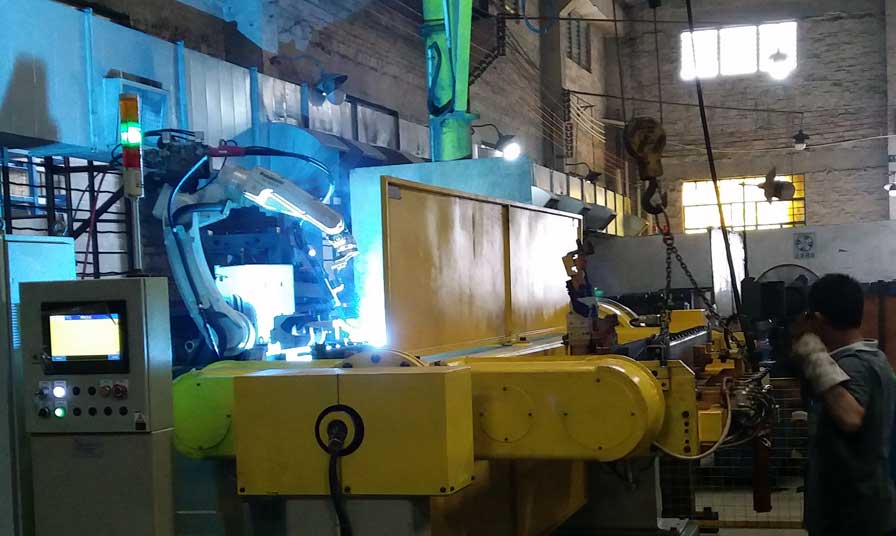
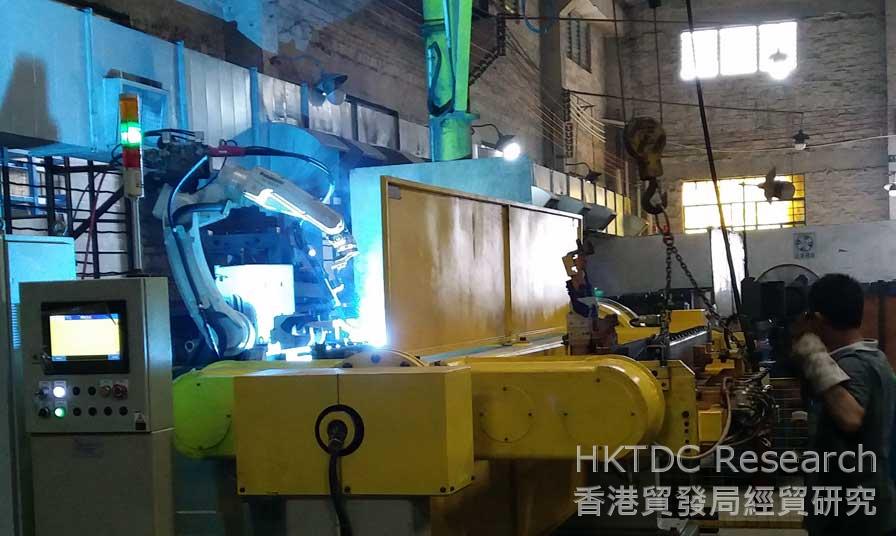
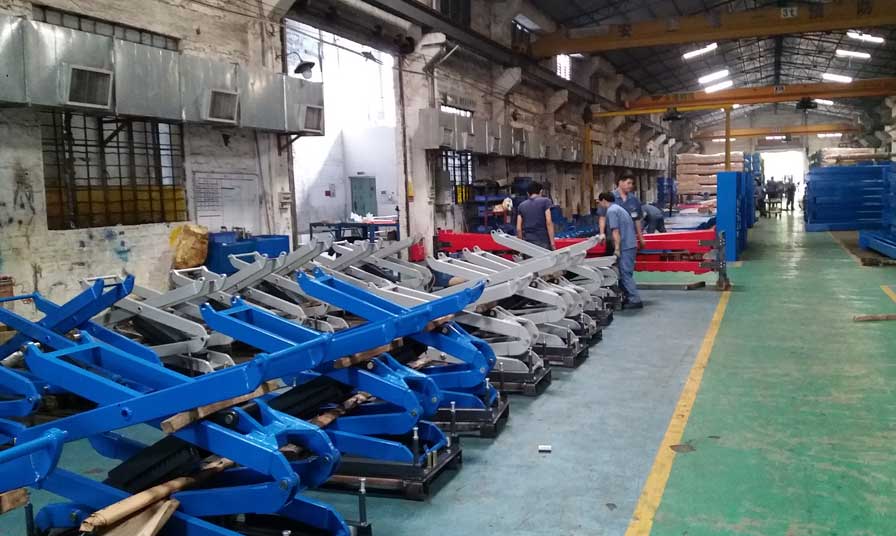
Engaged in the R&D and manufacturing of car lifts/hydraulic equipment, PEAK mainly relies on technology and quality to win in the market. Following changes in the external environment, some mainland enterprises seek to lower cost by relocating their production activities. But in contrast, PEAK spares no effort in enhancing its R&D capability and introducing welding robots and other automated production equipment, such as modified computer numerical control (CNC) sawing machines, stamping presses and automated feeder equipment. By so doing, the company can alleviate the problem of technical staff shortage while strengthening its ability to manufacture high-tech and high quality products.
A spokesperson for PEAK told HKTDC Research: “Manufacturing car lifts is a capital-intensive and technology-intensive production activity. While only a small number of non-technical workers are needed, skilled technical staff of the “master” grade are required to carry out the welding and installation processes.
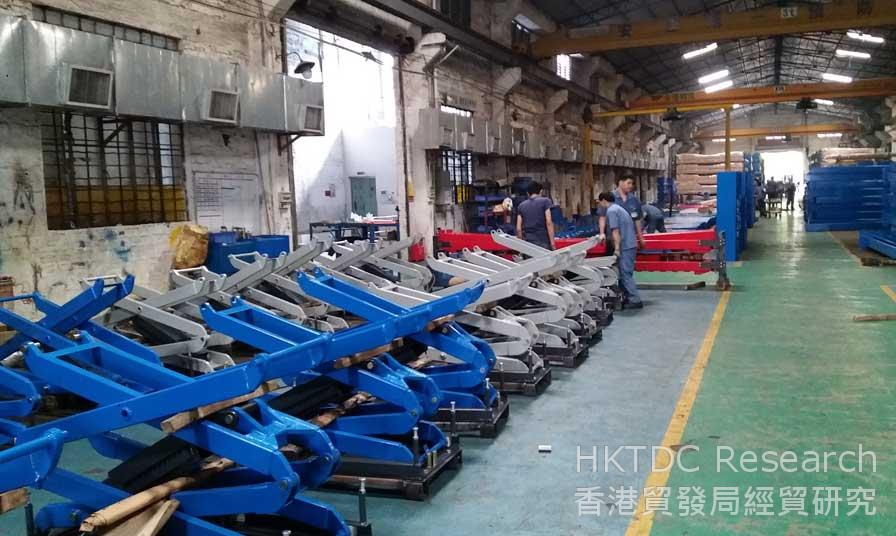
“As such, shifting production to low-cost regions overseas often cannot solve the problem of a shortage in technical staff. Also, the business operations in question have to rely on the support of upstream suppliers in providing raw materials including quality aluminium, iron and steel. The company not only uses the right machinery and production equipment but also has in place a sound quality control system to ensure that its products meet the stringent technical and quality requirements of the mainland and foreign markets.
“Some low-cost regions in Southeast Asia are in short supply of technical workers and their raw materials supply chain has yet to be developed. If the metal materials produced in China are used to support production in these regions, the cost of transportation involved is huge. So relocation just for the sake of taking advantage of the lower cost of non-technical labour in these regions is often not worth the while.
The spokesman added: “In view of the fact that Guangdong province has a well-developed supply chain system and good logistics supporting services, in order to ease the problem of shortage in technical staff, PEAK has started to introduce automated welding robots in recent years. It is also co-operating with colleges and technical institutes in training more technical staff capable of operating robots and automated production lines.”
Actually, PEAK has already invested in setting up production lines in the US, utilising automated equipment to produce and assemble car lifts and hydraulic products. The production lines are slated to begin operating in the second half of 2017. The products will be mainly sold to the markets in North America, South America and Europe. Apparently, this move has not been made to lower production cost but to save on tariffs levied on products (or raw materials) imported into the country. It also serves to provide better sales and after-sales services to local clients. In addition, the company can capitalise on the sound local logistics network to cut logistics costs and transportation time in supporting its sales activities in markets neighbouring the US.
PEAK was established in 1999. Today, the company boasts not only advanced production equipment and high technology, but also a strong team of management personnel. Its products include single-post, twin-post, four-post and scissors car lifts, which are designed and manufactured in accordance with the technical standards of the America National Standard Institute (ANSI) and/or European Union’s CE. These products reach the relevant quality control standards and are mainly exported to overseas markets. In 2016, the company’s sales amounted to around US$17 million.
(Remark: The above is among the case studies of a research project jointly undertaken by HKTDC Research and the Department of Commerce of Guangdong Province: Shift of Global Supply Chain and Guangdong-Hong Kong Industrial Development. Please refer to the research report of the aforementioned project for more details.)
Editor's picks
Trending articles
Globalisation has precipitated the integration of regional supply chains. Many companies engaged in manufacturing on the mainland have been actively accelerating the “going out” policy by shifting some of their manufacturing business to Southeast Asia and other regions to optimise their overall production layout and meet the challenge of rising production cost on the mainland. Sunny Tan, Executive Vice President of Luen Thai Holdings Limited, says companies need to consider a host of factors other than production cost, such as the trade measures imposed by foreign countries, the supply chain in the relocation destinations, and the demands of end users, before they can effectively upgrade their overall production and operational efficiency.
Preferential Trade Arrangements Affect Production Layout
Tan told HKTDC Research: “Labour and land supply will of course directly impact production cost, but preferential trade arrangements granted by foreign countries to some places of production may also be crucial for lowering the cost of export to overseas markets. For example, products such as apparel and handbags may incur double-digit import tariffs (actual tariff depends on product) when shipped to Europe and North America. However, if they are entitled to tariff reduction and exemption, the benefits may exceed the extent of cost cut.”
He cited the following example: “Thanks to the easing of the US generalised system of preferences (GSP), bags manufactured in beneficiary countries like Myanmar and Cambodia can now enjoy zero import tariff in the US market. In addition, these two countries are also entitled to export bags to the EU, Japan and China with zero duty under different GSP arrangements and free trade agreements. In order to seize the opportunities and enjoy the relevant preferential tax policies, Luen Thai is expanding its bag manufacturing business in the Philippines and Cambodia through developing new capacity and converting some apparel manufacturing facilities for bag production in recent years.”
Provision of Strategic Production Services
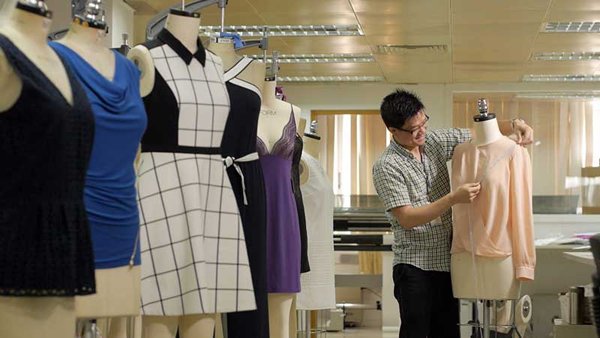
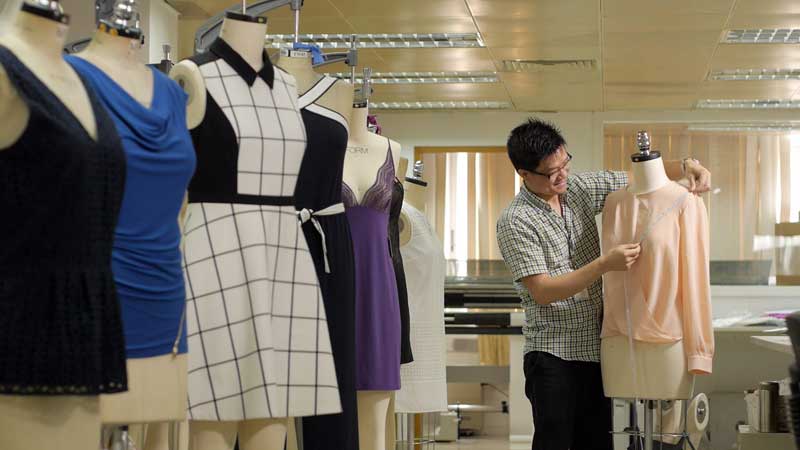
Hong Kong-listed Luen Thai is a leading consumer goods supply chain group. It specialises in casual and fashion apparel, sweaters and accessories such as fashion bags and backpacks and makes use of its competitive price, good quality, prompt response and other advantages to provide OEM and ODM services for famous international brands. Its business strategy is to establish regional production networks in China and countries like the Philippines, Cambodia, Vietnam and Indonesia to benefit from the production advantages of different places in the provision of strategic production services to clients.
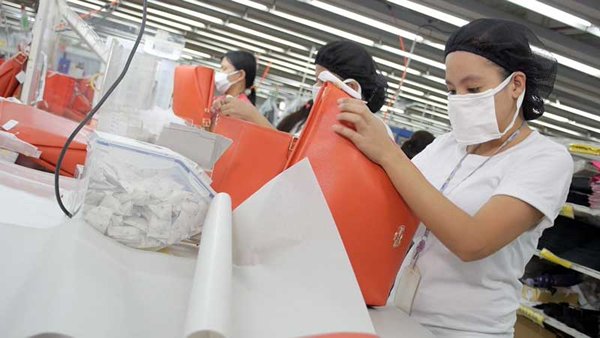
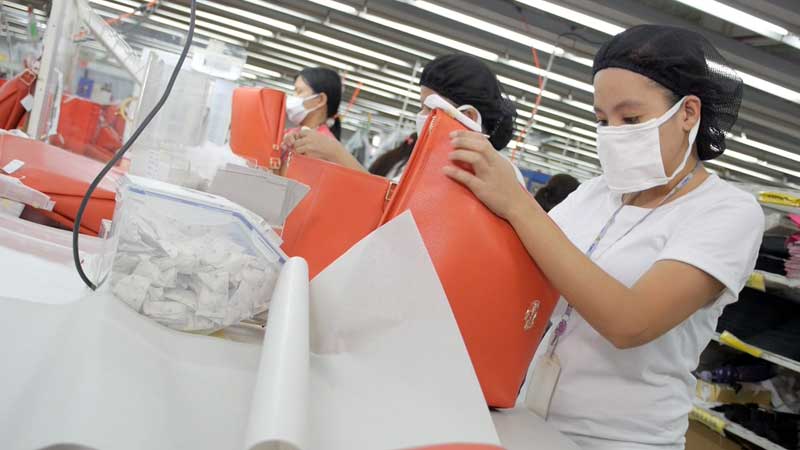
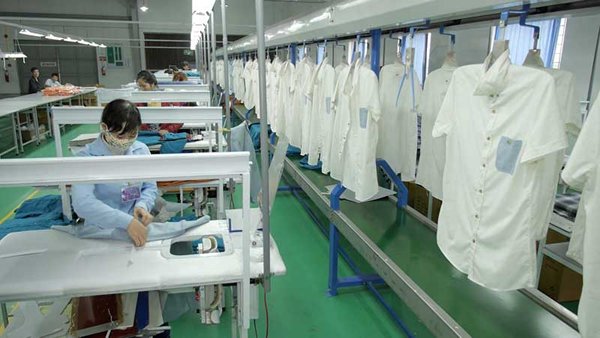
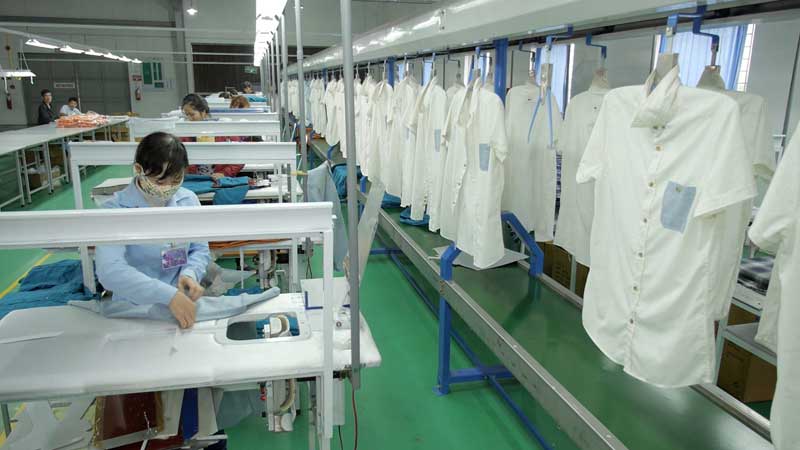
Luen Thai started its apparel production business in Hong Kong in the 1980s and established a network of production facilities in cities like Dongguan, Panyu and Meizhou in Guangdong province. In the wake of rising production costs and labour shortages on the mainland, it has gradually relocated its production to Southeast Asia in the past decade to lower costs and to benefit from the tariff advantages of these countries.
Tan said: “Not all low-cost countries are suitable for the relocation of production facilities from the Chinese mainland. It all depends on individual companies and the actual circumstances. For example, some ‘Belt and Road’ countries are not popular destinations for foreign investment. Companies may not know the laws and regulations and the culture of these places and may not be familiar with the local labour situation and production support services.
“These will directly affect the feasibility of plans to make investment and set up factories in these places. Moreover, low cost may be due to the lack of supply chain/material support, poor transport infrastructure and logistics services. Some countries have a good supply of unskilled labour but lack skilled workers and technical expertise, which makes it difficult for them to take on high quality and high value-added production activities.”
Catering to the Business Development of International Clients
Tan continued: “In addition to production factors, clients’ needs are also of crucial importance. Internationally renowned brands are quick to respond to market changes. As global economic growth slows down, different brands have been making every effort to upgrade their product design, materials and quality to fight for consumers’ limited spending power. They are willing to keep the production of these products in China and other places of production where the supply chain is more mature in order to be able to respond more swiftly to fierce market competition.
“For products that are more standardised or have a longer life cycle, such as T shirts, underwear and sports sacs, clients may be more willing to trade higher production risks and a longer production cycle for lower cost by shifting production to more backward places of production where cost is lower, such as Bangladesh and Ethiopia.”
Luen Thai owes its success not just to its policy of effectively using the best that the Chinese mainland and other overseas production bases have to offer to satisfy the demands of different clients, but also to its efforts to actively work with the overall brand development strategy of clients. In particular, the less well-known brands are very concerned about their brand and corporate image and want their manufacturers to strictly fulfill their corporate social responsibilities. Luen Thai strictly abides by the laws and regulations of the places of production and ensures compliance with the corresponding labour and moral codes. It also adopts effective environmental protection measures in compliance with the requirements of its clients in order to achieve the objective of sustainable business development.
(Remark: The above is among the case studies of a research project jointly undertaken by HKTDC Research and the Department of Commerce of Guangdong Province: Shift of Global Supply Chain and Guangdong-Hong Kong Industrial Development. Please refer to the research report of the aforementioned project for more details.)
Editor's picks
Trending articles
Asia is a fast-growing region. Companies in this region and multi-nationals are adjusting their business strategies rapidly in response to the changing investment environment. Hong Kong-based Artesyn Technologies Asia-Pacific Limited is a company mainly engaged in the manufacturing of information technology products and power supplies. In recent years, it has stepped up the integration of its mainland manufacturing activities, including upgrading its production plants in Guangdong, reinforcing the R&D capability of its Shenzhen Design Centre, and shifting some of its spare parts manufacturing activities to the Philippines where production costs are lower. In future, Artesyn hopes to capitalise further on the cheap labour of Southeast Asian countries in the production of power supply components and parts for its production plants in Guangdong, and make better use of the advantages of different regions for precision planning of production in order to improve its service to its clients in the Asian, European and North American markets.
Upgrading Production in China
Johnny Cheung, Artesyn’s Managing Director (China Operations), points out that, despite their cost advantages, many Southeast Asian countries are hindered by simple production conditions and supply chain systems. In comparison, the Chinese mainland boasts mature electronic manufacturing clusters that supply all the necessary spare parts and production backup services, as well as having an ample supply of tech talent. These are capable of effectively providing comprehensive services to domestic clients as well as to downstream manufacturers in the region, in the areas of material supply, mould and die design and manufacturing, technical support and provision of solutions. China remains a major region for the company’s development in the near future.
Cheung told HKTDC Research: “Faced with rising production costs and labour shortage on the mainland, Artesyn relocated its production facilities in Shenzhen to Zhongshan to lower cost while actively using the nation’s technological resources to reinforce the R&D capability of its Shenzhen Design Centre. Artesyn has in fact further upgraded its facilities in Zhongshan. The introduction of automated equipment has greatly eased labour shortage and made it possible for us to engage in production involving a higher level of technology. We have also built a production line in Luoding in a remote part of western Guangdong to make use of the city’s ample labour supply and lower labour cost to expand our production capacity.”
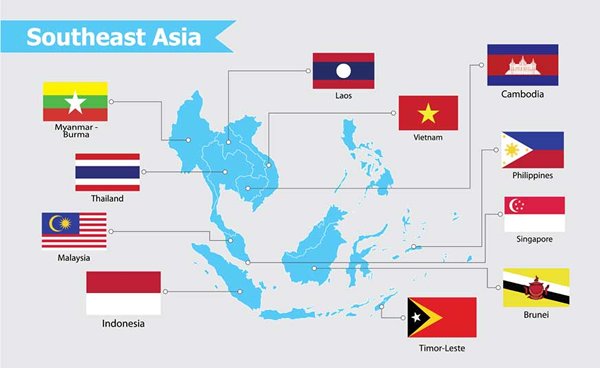
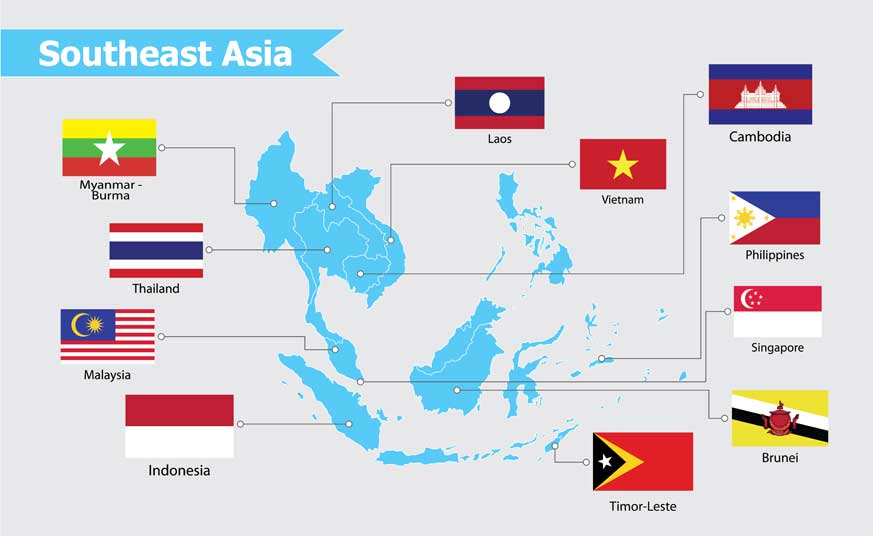
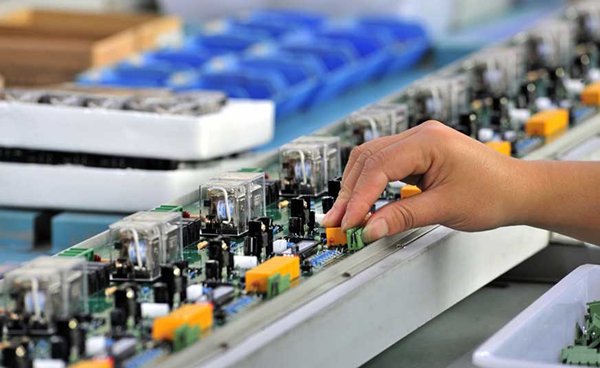
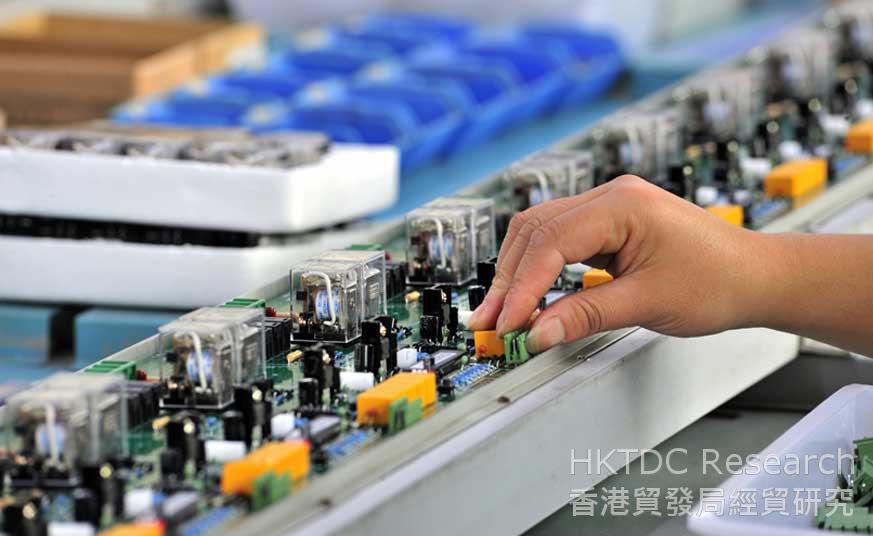
In order to diversify the risk of over-concentrated production, Artesyn acquired production facilities in the Philippines through its parent company, Artesyn Embedded Technologies Inc. This undoubtedly provides the company with a solution to rising production costs on the mainland. According to Cheung, employees in the Philippines speak good English and can effectively communicate with management personnel from Hong Kong and various parts of the world. This plant has a relatively low employee turnover rate, and stable employment is favourable for the management of production and staff training. Convenient transportation between the Philippines and China and reasonable logistics costs have also made it possible for Artesyn Embedded Technologies to continuously expand its production capacity in that country in recent years. It can take advantage of the relatively low cost of production in this country to produce electronic parts and components for Artesyn’s production activities in Guangdong.
Precision Planning for Production
Cheung said: “The Philippines is still in a developing stage in terms of supply chain, production network and support services, even in the supply of tech talent. Thus, we mainly make use of its labour resources to produce labour-intensive power supply parts and components as well as power supply units for which demand is relatively steady.
“The company’s production lines in Zhongshan and Luoding mainly produce a wide range of high-tech end products with the backing of the mature supply chain in the Pearl River Delta region. Artesyn also strengthens its engineering design so that its products can use more standard parts and components for automated production. While cutting down on the employment of unskilled workers on the mainland, it makes greater use of the cheap labour of the Philippines to produce power supply parts and components and strives to better leverage the advantages of different regions for precision planning of production in order to provide downstream clients with more cost-effective products.”
Artesyn is a subsidiary of the Artesyn Embedded Technologies Inc. and is mainly responsible for the company’s manufacturing business in China. Artesyn Embedded Technologies is a global leader in the design and manufacture of highly-reliable power conversion and embedded computing solutions for a wide range of industries, including communications, computing, healthcare, military, aerospace and industrial automation. As one of the world’s largest companies for embedded power supply business, it supplies clients with standard AC-DC products and a wide range of DC-DC power conversion products. It has over 20,000 employees worldwide across 10 engineering centres of excellence, four world-class manufacturing facilities, and global sales and support offices.
(Remark: The above is among the case studies of a research project jointly undertaken by HKTDC Research and the Department of Commerce of Guangdong Province: Shift of Global Supply Chain and Guangdong-Hong Kong Industrial Development. Please refer to the research report of the aforementioned project for more details.)