









Chinese Mainland
The lower labour costs, improved infrastructure and preferential tax treatment have all led to Vietnam attracting a significant inflow of foreign direct investment (FDI). Increasingly, the country is now targetting investment from higher value-added industries, with potential investors advised to look beyond labour cost advantages. There are, however, genuine concerns as to the lack of engineering expertise and ancillary industries within the country, a particular challenge for any business undertaking more sophisticated production with higher degree of automation.
In order to tackle this shortfall, certain investors – including a number from Hong Kong, are making use of the technical and other services, as well as material supplies from the Chinese mainland as a means of supporting their Vietnamese operations. Even for the infrastructural development, such as those in Northern Vietnam bordering China, one of Vietnam’s development directions is to strengthen the country’s access to the Chinese supply chain. In the circumstances, effective management and efficient logistics services are crucial when it comes to ensuring foreign investors and other related companies can properly orchestrate their cross-border arrangements and achieve the maximum operational efficiency.
Enhancing the Infrastructure of Northern Vietnam
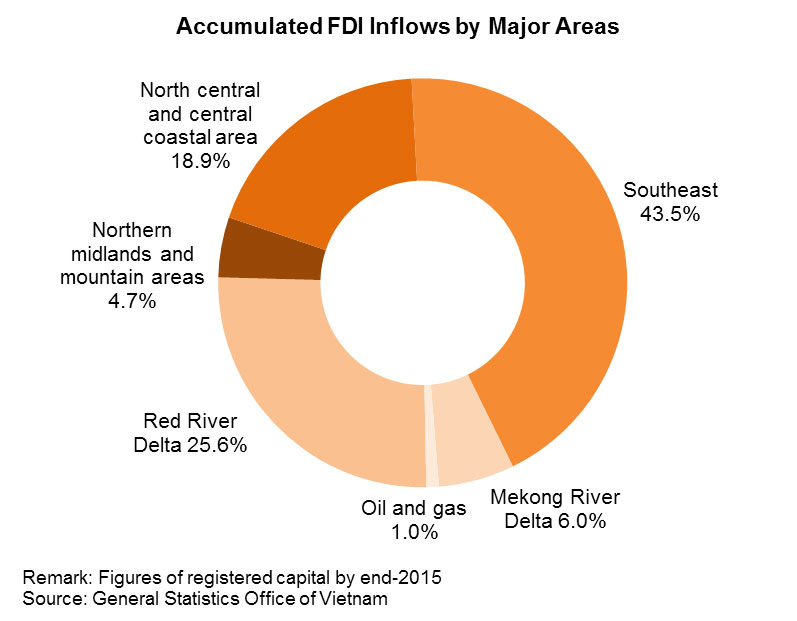
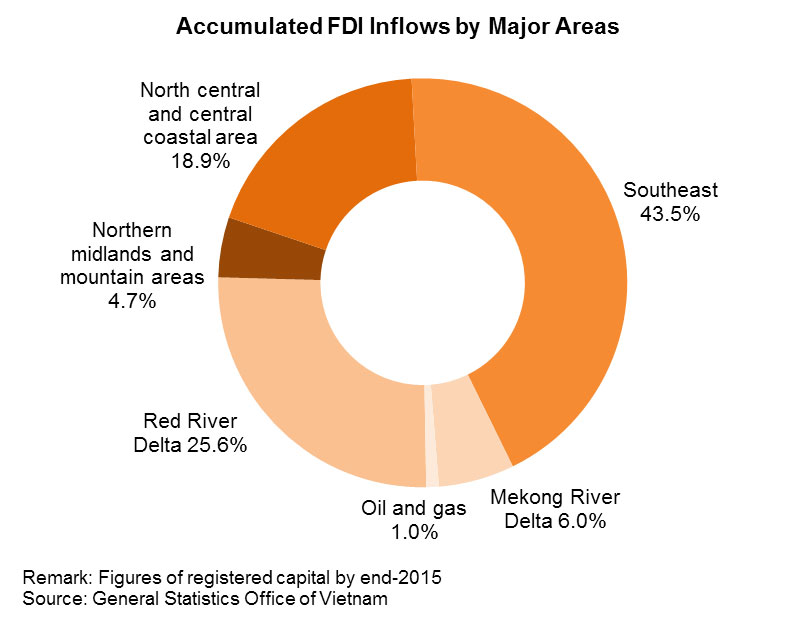
Northern Vietnam is being increasingly targetted by foreign investors, many of whom had previously favoured business opportunities in the south of the county. Highlighting this traditional preference, at the end of 2015, the southeast part of the country – extending across Ho Chi Minh City, Dong Nai and Ba Ria-Vung Tau – accounted for 43.5% of the total accumulated FDI inflow. By comparison, the Red River Delta – including Hanoi, Bac Ninh and Hai Phong – accounted for just 25.6% of the cumulative total. More recently, nonetheless, the northern cities and provinces have started to attract a greater proportion of overall FDI. This is down to both a greater effort on the part of the government to promote the economy of the north and a marked improvement to the infrastructure across the region.
A sign of this change in emphasis is the city of Hai Phong, which attracted the second highest level of FDI in Vietnam in 2016, solely trailing Ho Chi Minh City. Hai Phong is set within the Hanoi-Hai Phong-Ha Long economic triangle. It is also the site of Northern Vietnam’s largest seaport. Of late, sea freight connections between Hai Phong and the ASEAN, US and European markets have been bolstered by the increased availability of container liner services, the consequence of a shift in focus by the international shipping companies.
Cat Bi International Airport, Hai Phong’s principal air transportation hub, has direct links to several other Vietnamese regions, including Ho Chi Minh and Da Nang, as well as offering flights to other Asian countries. The completion of a new highway connecting the city to Hanoi, the country’s capital, has also provided a boost to business and industrial activities in the Hai Phong region. The highway also extends to Ha Long, capital city of the resource-rich Quảng Ninh province. Additionally, Hai Phong’s access to the markets and supply chains of southwest China have been further improved by the completion of highway connections to Mong Cai and Lang Son, the two Vietnamese cities that respectively border the Chinese townships of Tongxing and Pingxiang of Guangxi region.
Hai Phong: The Cost Benefits
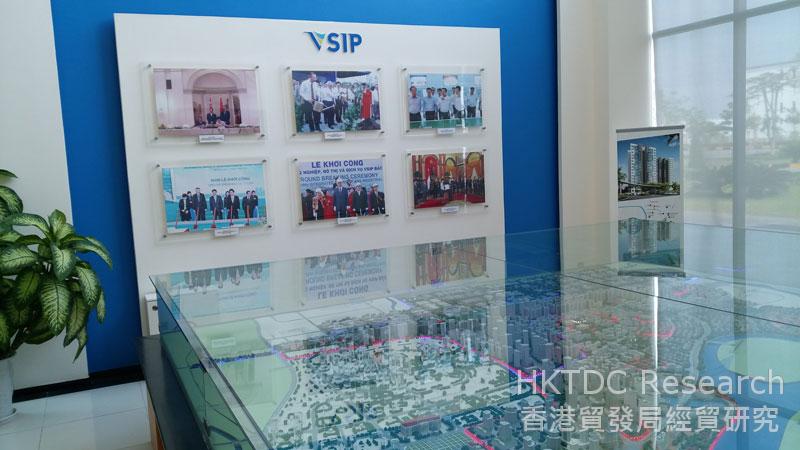
Overall, the improvements to its infrastructure have made Hai Phong far more attractive to a range of business and industrial investors, with the success of the VSIP Hai Phong Industrial Park being an example of this. Jointly established in 2008 by a Singapore consortium and a Vietnamese state-owned enterprise, it has a total area of 1,600 hectares, of which 500 hectares are reserved for industrial development. The remaining space has been given over to a range of commercial and residential projects.
As well as benefitting from improvements to the local transportation network, VSIP Hai Phong also owes much to its success to its access to all the required utilities, including reliable electricity, water supplies and optical fibre telecommunication services. This has seen it attract projects largely related to higher value-added industries. To date, these include companies specialising in:
- Electrical and electronics
- Precision engineering
- Pharmaceuticals and healthcare
- Supporting industries
- Consumer goods
- Building and specialty materials
- Logistics and warehousing
In line with the latest government regulations, industrial investors in VSIP Hai Phong are entitled to claim a range of tax benefits, including preferential corporate income tax rates and exemption from certain import taxes (those related to export processing enterprises[1]). Employees working in the park also pay a lower level of personal import tax[2]. In addition to this, labour costs are relatively low in Hai Phong and its neighbouring regions, with the total monthly cost per worker – factoring in statutory contributions, such as insurance – starting at around US$200-250. This is a relatively low cost when compared to the current wage levels in China.
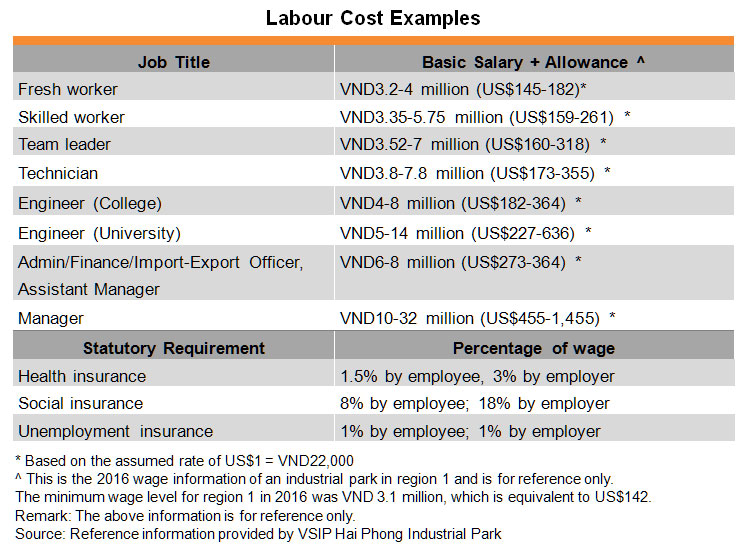
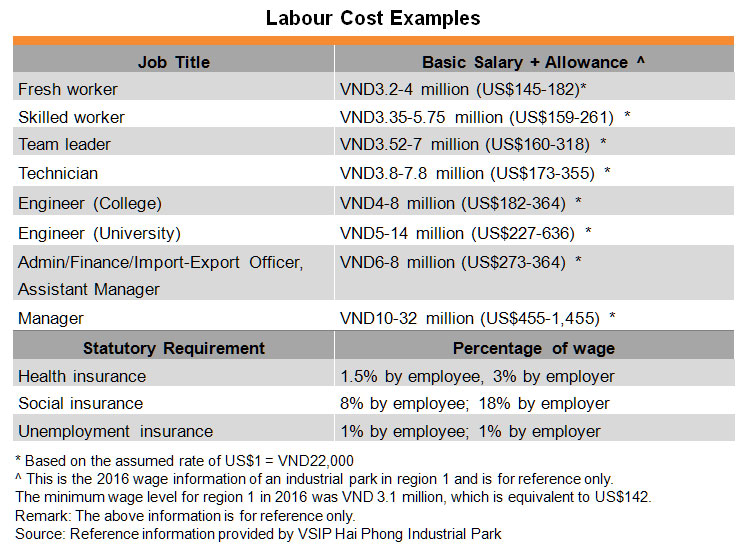
(Remark: For more information regarding labour costs, please see: Vietnam’s Youthful Labour Force in Need of Production Services.)
Seeking Production Supports from China
According to VSIP Hai Phong, the park is currently home to some 35 industrial projects, with investments sourced from ASEAN, Japan, Korea, Taiwan and Hong Kong. An estimated 70% of its industrial areas have already been occupied by such projects. For the future, the park plans to attract more high-end investments, specifically those related to production of technology products and the supporting industries. Any such investments, of course, will be obliged to comply with all the statutory environmental regulations, although any potentially polluting industry that demonstrates it can meet the required emission standards may not be refused.
Many of the industrial projects based in the park are related to processing production, particularly with regard to textiles and clothing items, electronic products and packaging materials. Among the other investors are several companies engaged in the manufacture of intermediate goods, the majority of which are utilised as production inputs by downstream clients in Hai Phong and Northern Vietnam. Production of this kind, however, relies heavily on imported industrial goods and raw materials. One foreign-invested company, which undertakes the assembly production of electronic products and office machinery, for instance, has indicated that it is sourcing competitively-priced, high quality parts and components from elsewhere in Asia in order to support its Hai Phong production activities.
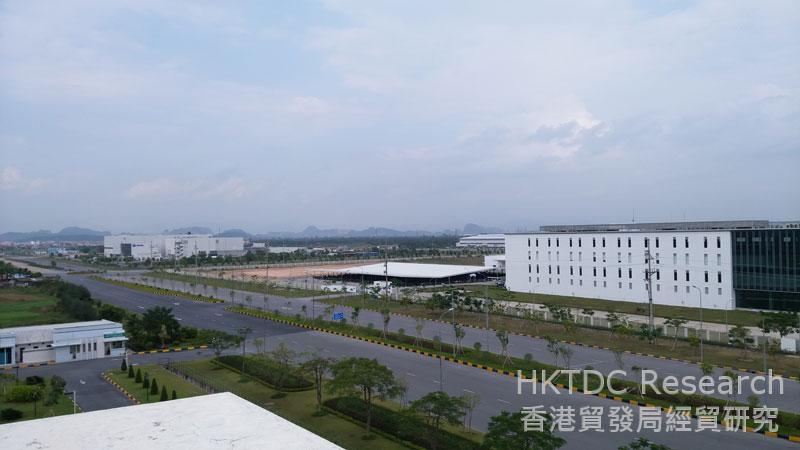
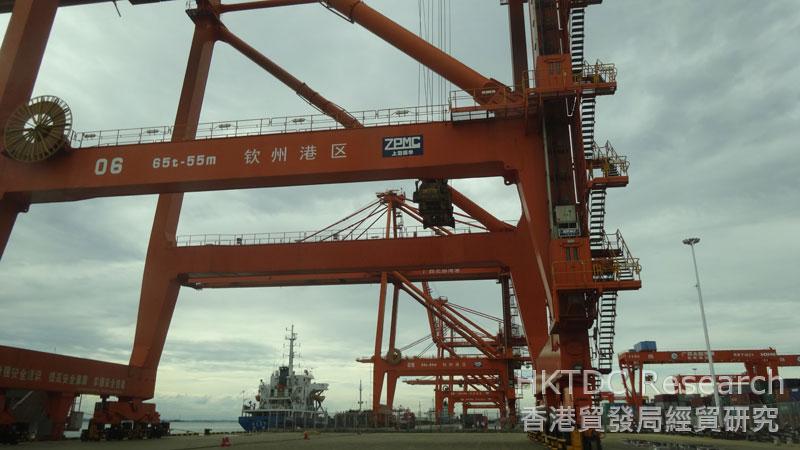
Several Hong Kong-invested companies are also operating in VSIP Hai Phong. One of them, which has a focus on plastic injection moulding, metal stamping and die-casting, told HKTDC Research that it had established a manufacturing operation in Vietnam in order to follow in the footsteps of one its downstream clients. Typically, the plastic and metal outputs of its Hai Phong factory are mainly used for the processing production of IT and other electronic products by its clients in Vietnam. As such, maintaining the Hai Phong factory saves the company money when it comes to logistics costs, while shortening the delivery lead time to its downstream clients. As another plus point, it also enjoys the accrued tax benefits of being based in Vietnam.
While acknowledging a number of clear advantages of being based in Vietnam, maintaining an operation in Hai Phong has not been without its challenges for the company. One of its particular problems is related to the relatively low skill levels of many local workers, with their productivity, consequently, a bit lower than that of their counterparts in southern China. While Vietnamese labour costs are lower, in productivity terms, the labour cost differential between Vietnam and China is far from substantial. In order to enhance its production efficiency, the company is now planning to further automate its operations, a development that will see it requiring lower staff levels. Labour costs, therefore, will ultimately become relatively insignificant when it comes to considering further investments at the site.
The fact that Vietnam lacks a number of the key supporting industries, such as precision tool-making and engineering support, has huge significance for the future industrial development of the country. This lack of technicians and engineers, for instance, has already deterred the aforementioned Hong Kong company from establishing an in-house manufacturing moulds and tooling facility in Hai Phong.
In order to tackle these problems, the company has to buy in various services and supplies from the Chinese mainland. For one thing, the company needs to orchestrate their in-house engineering talents and facilities like computer numeric control machines to make the moulds and tooling in south China, which would then be shipped to Hai Phong for use in processing production. As the plastics and metal raw materials are mainly sourced from China, as well as certain other Asian countries, the company is obliged to utilise efficient logistic services for the delivery of such materials to Hai Phong. The company, then, is making the best use of a variety of supports from China in order to facilitate its bid follow its client’s downstream investments in Vietnam.
[1] For details of the preferential treatment, please see: Vietnam Utilises Preferential Zones as a Means of Offsetting Investment Costs.
[2] According to VSIP Hai Phong, all local and expatriate labours working in Dinh Vu-Cat Hai Economic Zone (including VSIP Hai Phong) enjoy 50% reduction of personal income tax.
Editor's picks
Trending articles
By Jeffrey S. Payne, National Defense University's Near East South Asia Center for Strategic Studies in Washington, DC.
China’s One Belt, One Road (OBOR) initiative is both a reflection of China’s growing need for deeper engagement with the regions to its west and a grander vision for Chinese foreign policy. OBOR is an ambitious plan for integrating the provinces of China, especially underdeveloped ones in the west and south of the country, with Eurasia through intensified trade, telecommunication, and infrastructure. The plan faces immense challenges. Parts of Eurasia remain unstable, the region attracts major powers whose interests regularly diverge, and political challenges are rampant. Yet, the potential payoffs for both China and Eurasia if OBOR succeeds are substantial. In the Gulf region, OBOR’s impact is intended to maximize commerce among all actors, but its impact is likely to extend beyond economics. OBOR does not provide an equal opportunity for all states, and, in the case of the Gulf, it is Iran that will likely benefit over all others. The states of the G.C.C. also factor in to Beijing’s plan, just not to the same degree―and that is the problem. This imbalance will have political ramifications for the Gulf, and as OBOR progresses, the G.C.C. will need to measure its potential economic gains against the political risks associated with China’s efforts. There is a way for the states of the G.C.C. to effectively address this developing regional environment, and that is to mirror China by engaging eastward. Using OBOR and existing comparative advantages will allow the states of the G.C.C. to balance Iran’s potential windfall.
OBOR – What It Is and Is Not
OBOR actually provides two pathways for connecting China with Eurasia. The first, and the one garnering the most attention, is an overland route that begins in Central China, moves through Xinjiang and China’s west into Central Asia, across the Middle East, and terminates in Europe. The second is a maritime route that flows south through Southeast Asia, then west across the littoral states of South Asia, on past the Arabian Peninsula and East Africa, and finally concludes in the Mediterranean. The concept took form over the span of several years and has now become a cornerstone of President Xi’s foreign policy. OBOR is a strategy that includes the efforts of several ministries within the Chinese state and seeks to alter the future of much of continental Asia. It represents the most comprehensive vision for China’s engagement with the regions to its west since the founding of the People’s Republic. The plan progresses through a multitude of projects in stages, including roadways, bridges, telecommunication networking structures, pipelines, and so forth. OBOR emphasizes certain countries, namely Pakistan, Myanmar, Iran, and Kazakhstan, but includes virtually all of the countries that are considered part of China’s Eurasian west.
OBOR also includes a heavy dose of Chinese soft power. Chinese investment, beyond serving the national interest, is a means by which to show the communities of Eurasia that China is an attractive partner. Beijing has sold OBOR as a means of mutual development, serving as a way to show that China is a different type of major power and to combat China's reputation as a mercantilist regime. OBOR is conceived as a plan by which to increase economic fortunes, strengthen diplomatic ties, and bring societies closer by repurposing the legacy of the Silk Road. As it has been described among Chinese scholars, OBOR proposes a prosperous future for Eurasia, with China leading a community of equals.
OBOR is not a strategic vision for Eurasia that features a military and security footprint, at least not as it is initially conceived. Increased Chinese investment to its west has led to the use of private security contractors to protect Chinese projects and has encouraged greater operations and visits to the region by the People’s Liberation Army Navy (PLAN), but China does not have the desire or capability in the near term to become a security provider in Eurasia. China has avoided, by and large, becoming entangled in regional conflicts and, when engaging in a conflict environment, prefers to avoid taking sides in favor of facilitating some type of political dialogue between competing actors. China’s increased orientation to its west may one day reach a level where security concerns become an essential factor motivating Chinese policy, but OBOR was not designed to include security operations, and China will do what it can to avoid such concerns becoming central. OBOR seeks to thread the needle of becoming more involved in regional affairs while remaining removed from regional disputes.
China’s resistance to becoming a security provider for Eurasia is consistent with its traditional stance of non-intervention, but also reflects its continuing fixation on internal security and the Asia-Pacific. China sees itself and acts overwhelmingly as an East Asian nation that is on the ascendance. All of China’s major foreign policy challenges are found in the Asia-Pacific, whether it is the instability found on the Korean peninsula, the South China Sea, or the direction of the U.S.-China relationship. OBOR is designed to avoid the problems to China’s east by partnering with willing regimes in Eurasia. Its intent is to acquire economic benefits that can help underdeveloped parts of the Chinese homeland, while obtaining resources that are critical to the national interest. As China’s recently published Arab Policy Paper states,
"Joint efforts will be made by China and Arab countries to promote the “Belt and Road” initiative under the principle of wide consultation, joint contribution and shared benefit. China and Arab countries will adopt the “1+2+3” cooperation pattern to upgrade pragmatic cooperation by taking energy cooperation as the core infrastructure construction and trade and investment facilitation as the two wings, and high and new technologies in the fields of nuclear energy, space satellite and new energy as the three breakthroughs."
In short, OBOR is framed as a diplomatic and economic win-win.
The G.C.C. States’ Challenge
Given that OBOR is focused on enhancing relations with states that have a generally positive image of China and accessing strategic resources for China’s national interests, the member states of the G.C.C. are logical foci for China’s efforts. Yet, the strategy does not formally look to the Arabian Peninsula. The reason for this is that China’s relations with G.C.C. member states are primarily transactional in nature. Chinese-Saudi Arabian ties have deepened dramatically since 2001, fueled in part by increased petroleum sales and several substantial joint ventures in the energy and manufacturing sectors. In much of the G.C.C., trade with China has expanded rapidly along the same lines as in Saudi Arabia, making China the G.C.C.’s largest trading partner. Beijing’s relations with Abu Dhabi have progressed even further in the economic arena. Today, the United Arab Emirates and China are focused less on fossil fuel deals and manufactured imports and more on high-tech joint ventures in the arenas of construction and renewable energy. In total, ties have flourished in the energy, manufacturing, construction, and financial sectors.
For all the success that the G.C.C. states enjoy in their relations with China, the relationships are still focused almost solely on economic projects. The strategic dimensions associated with China’s westward push do not factor into most of the thinking in the Arabian Peninsula and warrant no strategic element at this time. OBOR’s overall function is to connect China to Europe through Eurasia, and the states of the G.C.C., save Oman, do not lie at natural waystations along either the overland or maritime paths. China has effectively established a reputation throughout the Gulf as a reliable economic partner, but any desire for a more overt political connection between these states has yet to emerge. Chinese companies may be a common partner, but a comprehensive relationship is not present.
Thus, China remains somewhat of a mystery for the governments within the G.C.C. Beijing’s approach is one of being a friend to all and an opponent to none, but friendship with Beijing does not equate to adopting the views of regional partners during times of instability and conflict. Beijing projects neutrality in its engagement with the Middle East, but its principal objective is the achievement of its national interests. China wants a seat at the table when major issues are discussed, and increasingly it has shown itself willing to take unpopular stances. As an example, Beijing has consistently expressed regret regarding the duration and the intensity of the Syrian civil war, but it remains supportive of the Assad regime continuing its rule. China’s leadership claims that its support for Assad’s government is not an affirmation of the Syrian regime’s methods or objectives. China argues it has no choice but to back Assad because there simply is no other actor that could possibly achieve some semblance of stability. This perplexes the Arab states of the Middle East, particularly the G.C.C., for obvious reasons. China’s support of Assad, no matter how qualified, goes against the prevailing opinion of the majority of regional states and can be perceived as support for one of Assad’s major benefactors, Iran. For much of the Arab world, Iran is a major threat to both Syria and the larger region. If China is a friend, then why show support for the actions of an adversary?
China explains its approach to the Middle East by emphasizing its historical support for state sovereignty and its commitment to non-intervention in foreign countries. Yet, the truth is that China has and will continue to ignore the ideals of its foreign policy if doing so will further the country’s national interests. In short, China’s policy towards the Middle East is not consistent, just like that of every other major non-regional power that has a footprint in the region. China wants to achieve its objectives with the minimal amount of blowback, but if an action is necessary, then it will incur the costs of said action. Within the context of the Gulf, China does fear that closer ties with any particular Gulf state will place it amidst one of the region’s most intense rivalries―that of the G.C.C. versus Iran (or more specifically, that of Saudi Arabia vs. Iran). A key component of China’s national interest—its energy security—is tied to supplies in the Gulf, and becoming entangled in the animosity between Iran and the Arab Gulf states would make China’s objective more complicated and expensive. So why come into proximity with this regional competition by backing Assad? Put directly, China knows its position will cause some strain in its regional ties, but it will not break those ties. Assad, for the time being, is best for China’s interests, and China will back him so long as it is favorable to do so. If the regional chessboard changes, though, then China’s orientation towards the region will likewise shift.
OBOR, oddly enough, complicates the chessboard for China in the Middle East. The maritime route, by and large, bypasses the region, but the overland route requires that attention be paid to Iran. Iran bridges Central Asia and the Middle East, is the location of ample, untapped natural resource wealth, and is governed by a regime that has long-standing relations with Beijing. Therefore, the strategic plan behind OBOR creates conditions facilitating a closer relationship between Beijing and Tehran, especially with the P5+1 Talks concluded and international sanctions targeting Iran loosened. Closer ties between China and Iran would certainly reverberate throughout the Gulf. China wants to be a prominent player in what could be an economic boom following the signing of the nuclear agreement. Beijing seeks to leverage its long-standing relations with Tehran, including its history of arms sales, in order to acquire better access to Iranian markets. Iran is China's priority in the Gulf. Yet, given the recent uptick in tensions between the members states of the G.C.C. and Iran, deepening ties between Beijing and Tehran would further complicate any claim of neutrality.
Beijing has consistently characterized its relations with Iran as only economic. Statements by the Ministry of Foreign Affairs have revealed no position regarding Iran’s security footing within the region, nor Iran’s role in regional conflicts. Xi Jinping’s much discussed visit to the Middle East in January 2016 was firmly fixated on diplomatic ties and economic relations, and he made sure to visit both Tehran and Riyadh. Does Beijing’s orientation towards Tehran poison its relations with the G.C.C.? No, it does not. Yet, China’s interests in Iran could further strengthen the Iranian regime, and this possibility is what concerns the states of the Arabian Peninsula.
Options for the G.C.C.
Iran’s geostrategic location and the possible economic windfall are too favorable for China to pass up. Yet, the states of the G.C.C. find themselves in a more favorable footing than is first apparent. OBOR, even if it does not overtly favor the G.C.C., does not fundamentally alter the relationship between China and each state of the G.C.C., nor does it in any way limit how the states of the G.C.C. can offset Iranian gains.
The G.C.C. states must recognize that Iran’s fortunes are set to improve, partially as a result of the Joint Comprehensive Plan of Action (J.C.P.O.A.) regarding the Iranian nuclear program and partially due to its stronger foothold throughout the Levant. The nuclear agreement allows Iran a mechanism for rejoining the community of nations, and that process will bring economic benefits that, in turn, enhance the reach of the Iranian state. China is no different than a host of other countries seeking to gain a footing in the newly viable Iranian market, but China has also shown no interest in backing the political machinations of the Iranian regime.
The G.C.C. needs Chinese consumer demand, China needs the G.C.C.’s natural resources and markets, and Beijing’s OBOR strategy will almost certainly help Iran. What options exist for the states of the G.C.C. to address this turn of events? So long as the Xi administration remains committed to OBOR, there is little chance for the G.C.C. member states to persuade China to abandon its plans for Iran. The best option for G.C.C. member states is to use OBOR to their advantage and offset gains made by Iran. Beijing’s plans for Eurasia are economic and diplomatic in nature. There are no plans for a security presence in this part of the world, nor has China shown any indication that it seeks to become a political leader for Eurasian states. Even if Beijing had such aspirations, they would be difficult to achieve. Russia remains a major actor throughout Eurasia, and, even amidst a warming of relations between Moscow and Beijing, it is unlikely that Beijing could reshape the political map of continental Asia unopposed. The United States retains a major presence in both the Gulf and Central Asia and would move to impede any effort by another state to upset its position. Beijing’s goal is to stimulate the region’s economies and contribute to its overall stability for the sake of increased strength at home.
The economic stability of G.C.C. member states is what provides their opportunity. Most of the states within the G.C.C. possess substantial wealth and have invested considerably in expanding their diplomatic reach. The G.C.C.’s influence has largely been used to affect Middle Eastern affairs and to interact with the world’s major powers: the United States, China, Russia, and the states of the European Union. The G.C.C.’s footprint in South Asia, Central Asia, and Southeast Asia is shallow, despite a large diaspora from these regions living throughout the G.C.C. member states. Why not invest greater national resources into deepening ties with continental Asia? OBOR is not a comprehensive solution for overcoming underdevelopment in Asia. There will remain ample opportunity to further assist the economies of Central, South, and Southeast Asia beyond what China plans. Diplomatic ties can move into the territory of greater cooperation, joint enterprise, and political dialogue. In short, the states of the G.C.C. have a chance to become more powerful actors in the regions to their east.
The biggest threat OBOR creates for the G.C.C. has little to do with China’s actual plan. The threat comes from Iran, which will use greater material wealth to develop greater political influence outside its borders. Iran would pursue such a strategy even without OBOR. While OBOR brings with it risks for Beijing, the strategy’s greatest strength is that it spreads Chinese influence throughout Asia without having to exert much political manipulation. Beijing’s reputation, at least right now, remains relatively untarnished while it engages in projects that are helpful for the nation’s growth. The G.C.C. can take a page out of the Chinese playbook by projecting power east. Member states could deepen preexisting relations and develop new ties. China has helped by facilitating a path by which the states of the G.C.C. could look eastward.
For example, the Asian Infrastructure Investment Bank (A.I.I.B.), which every state in the G.C.C., save Bahrain, has joined, is an institution intended to fund infrastructural development throughout Asia. The bank facilitates projects, with the burden shared among contributing member states. Due to the G.C.C.’s disproportionate economic influence, the A.I.I.B. is a potential platform for assisting less developed states in the region without the risk associated with direct financing. Much of Eurasia looks favorably upon the G.C.C. and, in some cases, actively seeks to replicate the success of G.C.C. states like the United Arab Emirates. This good reputation throughout Eurasia has not been leveraged by any state in the G.C.C. to any substantial degree. Certainly, G.C.C. member states cannot develop projects on the same scale and scope as those by China, but they do have the expertise and financing to coordinate on planned projects or to independently finance smaller-scale programs that provide real economic benefits for recipient states. Engaging in development opportunities would not only enhance G.C.C. relations with China, but, while Iran focuses primarily on its internal modernization, the member states of the G.C.C. would be projecting power outwards.
Such an effort would require changes to the foreign policies of G.C.C. member states. Some member states would have a more difficult task than others, but, in several cases, adapting OBOR to the national interests of the G.C.C. states would merely require developing already initiated programs. For the U.A.E., outreach to Asia is an already established objective of the Ministry of Foreign Affairs. The states of East Asia are its principal focus, but improving ties with Southeast Asia, South Asia, and Central Asia are also a part of this new diplomatic agenda. The leadership of the U.A.E. would need to intensify the speed by which it is developing this focus, through the training of its diplomatic corps, improved research efforts toward Asia, and selective high-level visits by prominent government officials. In December of 2015, the U.A.E. announced the U.A.E.-China Joint Investment Cooperation Fund, a joint fund with firms in China that is focused on development projects in Eurasia. This type of project is exactly the type of enterprise that the states of the G.C.C. should invest time in developing. For the U.A.E., it is a strong start, but progress in Asian outreach can, and should, be pursued independently of China or any other major Asian country.
Saudi Arabia, for its part, has for decades deployed soft power through cultural and religious exchanges with the Muslim-majority states of Asia. Such ties provide a useful platform for the Saudi royal family and the Ministry of Foreign Affairs from which to launch greater economic programs in these states. The most logical starting point is Pakistan, where China plans one of its largest OBOR projects and where Saudi Arabia has long enjoyed a positive relationship. The conflict in Yemen has created a small cleavage between Saudi Arabia and Pakistan, but supporting economic programs in conjunction with China’s efforts or independently would help repair whatever tension has emerged.
Each G.C.C. member state should leverage whatever advantages it possesses to deepen ties with Asia. Timelines and the intensity of this effort would vary from state to state, and G.C.C. member states would not engage with Asia at the expense of their relations throughout the Middle East or with the West. Every success in Asia would spread the influence of the respective G.C.C. member state and would offset gains made by Iran. Even if greater outreach throughout Asia does not follow, the G.C.C. will be better positioned, regardless of Iran’s success. If the G.C.C. can successfully foster greater engagement throughout Asia, then it can contribute to stability amidst one of the world’s most unstable regions. For years, the member states of the G.C.C. have sought to position themselves as states that exert outsized influence. The G.C.C. has been successful within the context of the Middle East and North Africa (MENA) but not to any great degree beyond that. G.C.C. member states have been searching for a way to counter Iran’s growing influence, and OBOR is an opportunity to do just that.
Conclusion
It is becoming increasingly clear that China is actively seeking to impact the future of Eurasia. OBOR is simultaneously a development regime for a conflict-ridden and underdeveloped part of the world and an ambitious plan to secure key components of China’s national interests. China’s plans for Eurasia will have a direct impact on the G.C.C., as OBOR will inevitably focus on and assist Iran. G.C.C. member states, however, can mimic OBOR and offset Iranian gains by strategically investing diplomatic and economic resources throughout Asia. Such actions will not complicate relations with China and will bring the member states of the G.C.C. closer to all of Asia. Looking east could prove to be a win-win for all parties involved.
Please click to read the full report.
Editor's picks
Trending articles
Guangxi is strategically located as part of China’s direct link to Southeast Asia, with a land border with Vietnam and multiple ports on its shoreline. Guangxi’s Beibu Bay is earmarked as a regional international logistics hub under the autonomous region’s 13th Five-Year Plan, as well as for vigorous development in manufacturing supply chain logistics. The industrial parks in the autonomous region have realised that in the long run they cannot rely solely on preferential policies to prosper but need to develop R&D and support services, such as raising the standards of inspection and testing, and providing training for key personnel, all of which are bound to boost the demand for logistics and professional services.
Potential of Developing Logistics Services in Guangxi
Aligning itself with the central government’s Belt and Road Initiative, Guangxi is stepping up efforts to strengthen the transport links between China’s inland and Southeast Asia, and enhance its ports’ handling capacity and links with the hinterland. It is also looking to build its capital city Nanning into an integrated transport hub. The development involves transport infrastructure as well as related logistics services. On land, according to the Guangxi Development and Reform Commission, Nanning as a regional hub will connect with the Indochina Peninsula to the south. At sea, Beibu Bay will be developed into a regional shipping centre forming part of the China-ASEAN port cities co-operation network. Ten new maritime routes have been operating since the network was established in 2013.
Guangxi is accelerating the pace of constructing a shipping-route network covering ASEAN’s port cities. There are now 35 regular container-ship routes in Beibu Bay connecting ASEAN countries including Brunei, Indonesia and Malaysia. Meanwhile, the overall planning of the entire Beibu Bay has been revised to reposition it as a mother port integrated with warehousing, multimodal transport, port industries, modern logistics, shipping services, passenger travel and international cruises. Division of labour will be carried out by the three main ports: Fangcheng will handle bulk cargo, complemented by container operations; Qinzhou will rely on its bonded port to set up international logistics and develop container and petrochemical maritime businesses; and Beihai will focus on tourism, plus some production operations.
The Guangxi government issued the Implementation Details of the Beibu Bay Economic Zone Port Logistics Development Subsidy in 2016 to attract cargo supply from the mainland and encourage relevant operators. Under the terms, subsidies of different kinds are offered to freight forwarders operating the routes or taking up contracts of sea-rail multimodal transport outside of Guangxi via Beibu Bay, and to Guangxi production enterprises making use of Beibu Bay’s newly added function for containerisation for import and export.
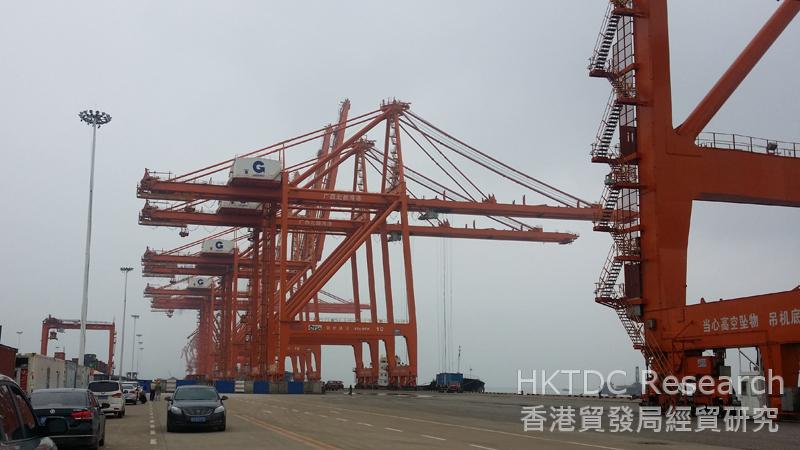
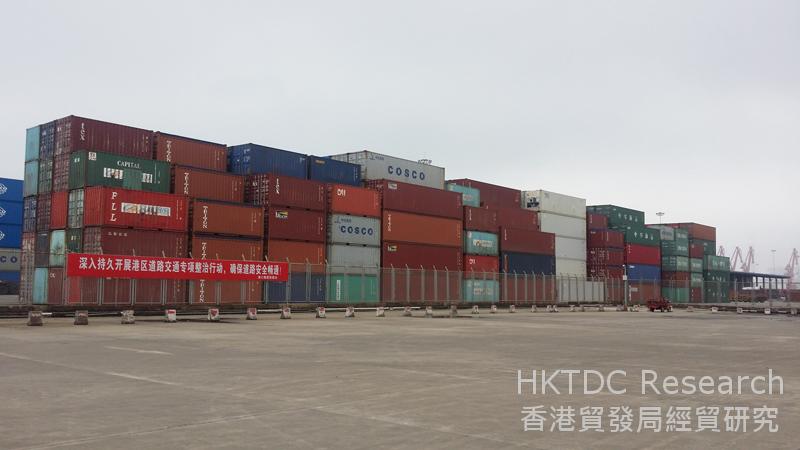
Guangxi is actively developing its role of connecting inland China with ASEAN countries, building more transport routes with Guangxi as the gateway. For example, cargo transport between Guangxi and Thailand has picked up since 2016. According to the Guangxi Department of Commerce, imports and exports between Guangxi and Thailand increased by 32.9% from January to November 2016, with the bulk being Thai electronic products imported through Pingxiang on land and forwarded to locations in the Yangtze River Delta, such as Suzhou. Previously, it took about 14 days to transport goods from Bangkok to Suzhou by sea, while today it only takes about six days through Guangxi by land. The full potential of logistics services in Guangxi under the Belt and Road Initiative is there to be tapped.
Better Logistics Services, at Lower Costs
The Guangxi Department of Commerce and local market players are rosy about the logistics industry in the autonomous region, especially international logistics, agricultural logistics and cross-border e-commerce. Despite rapid development in recent years, the overall market size is still small and logistics costs are high – estimated to be 3 to 4 percentage points higher than the national average. As such, Guangxi is focusing on reducing logistics costs while improving efficiency. Under the 13th Five-Year Plan for Guangxi’s logistics industry, the autonomous region will optimise its transportation structure, encourage the development of professional container and cold-chain transport, improve internal management and upgrade the service of logistics enterprises through advanced information technology, all with the aim of cutting costs.
As few large-scale logistics enterprises operate in Guangxi, and those that do are mainly state-owned, the autonomous region hopes to introduce more overseas enterprises to spur the development of local logistics services, reduce costs and increase efficiency. Sixteen modern logistics clusters are now under construction, and there are plans to promote logistics standardisation and informatisation – by way of integration to enhance efficiency and improve storage utilisation.
Room for Developing Cold-Chain Logistics
Guangxi is a large agricultural region, with a rich supply of fruits, vegetables and aquatic products. According to the Guangxi Department of Commerce, it exports about 30 million tonnes of fruits and vegetables a year, with higher volumes during winter and spring when the vegetable supply in the north is relatively small. In the mainland consumer market, not only are there high import and export volumes of agricultural products, but also higher demand for product quality. To meet this demand, Guangxi is to build an eco-friendly fruit and vegetable base supplying Shanghai, which will involve modern cold-chain logistics services to meet the higher standards of the end-user market.
However, the proportion of cold-chain circulation in Guangxi is relatively low – about 25.4%, 14.3% and 64.3% for fruits, vegetables and aquatic products, respectively. The loss ratio is higher than the national average, with fruits at about 20%, vegetables 12% and aquatic products 15%. Demand for cold-chain logistics services in Guangxi cannot be understated. In addition to the local supply, about three million tonnes of fruits and one million tonnes of aquatic products are imported from Southeast Asia via Guangxi ports every year.
Cold-chain logistics in Guangxi is littered with problems including structural imbalances. Refrigeration companies, for example, are concentrated in the central cities, with few at production bases. Services provided are relatively simple – generally just storage – with neither upstream-downstream integration in the industry chain nor advanced information platform systems. In view of this, Guangxi is working on a high-standard development plan, and is about to roll out preferential policies in support of cold-chain logistics, encourage the entry of new enterprises and establish public information service platforms to better link up with upstream and downstream sectors.
Guangxi is set to build a two-way market for fruits and vegetables, which currently transit the region from ASEAN countries and go to Guangdong for distribution or processing. Taking up the space, Guangxi hopes to develop the local distribution and foreign/domestic trade market as well as the processing industry chain.
Demand for Producer Services on the Rise
In addition to logistics services, Guangxi’s industrial structure has in recent years been gradually moving towards high value-added sectors and adding value to processing trade. In Beihai City, for example, the industry chain in Beihai Industrial Park is already extending upstream and to R&D, with five state-level high-tech enterprises and eight provincial R&D centres and technology centres established. In the long run, industrial development cannot rely on preferential policies alone but requires the development of support services, including improving the level of local testing services, standard certification services and personnel training.
A survey was conducted by HKTDC Research on Guangxi enterprises during the China-ASEAN Expo 2016 [1] to study their tendency to explore the business opportunities brought about by the Belt and Road Initiative and their demand for professional services. In the face of market competition and challenges, most companies said they have made adjustments and investments in business and business strategy or would consider doing so within one to three years. Among the respondents, 49.3% said they would step up developing overseas markets, 29.4% would enhance product design and technology R&D capabilities, while 28.7% would choose to develop/strengthen their own branded businesses.
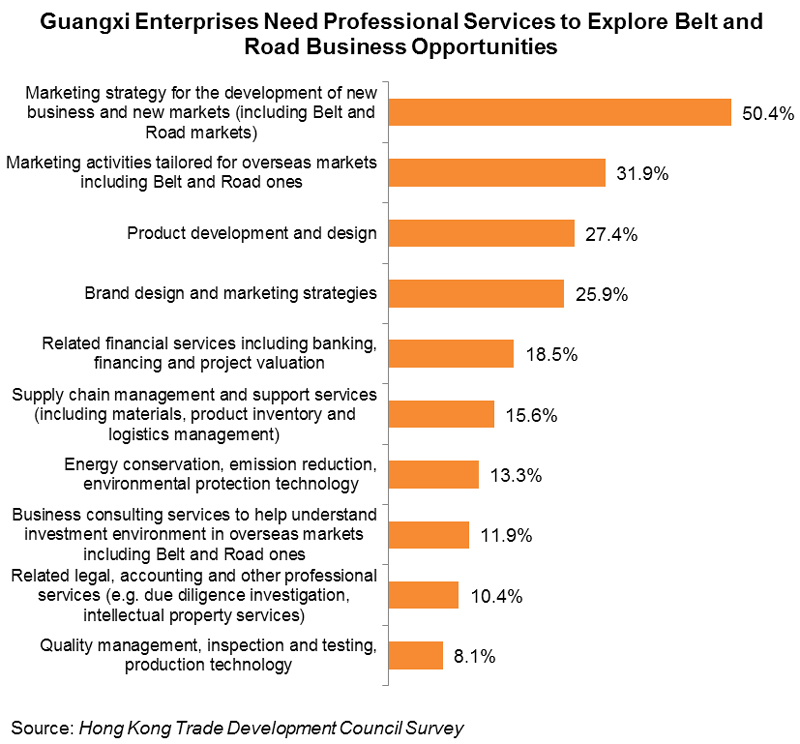
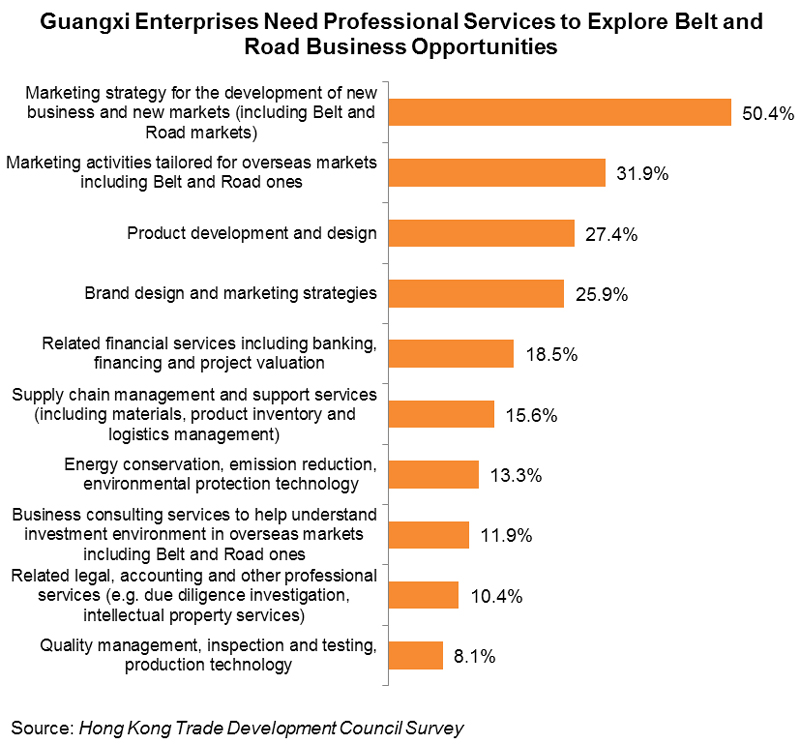
Many companies indicated interest in enlisting professional service support, with 50.4% of respondents saying they needed a marketing strategy for the development of new business and new markets. To tap Belt and Road business opportunities, some 27.4% wished to seek product development and design services, while 25.9% said they required brand design and promotion strategy services. To secure such professional services, 60% would first tap relevant service support on the mainland, and 53.3% would be interested in seeking professional services in Hong Kong. In conclusion, the survey shows that there is demand by Guangxi enterprises for professional services support from Hong Kong, second only to the mainland.
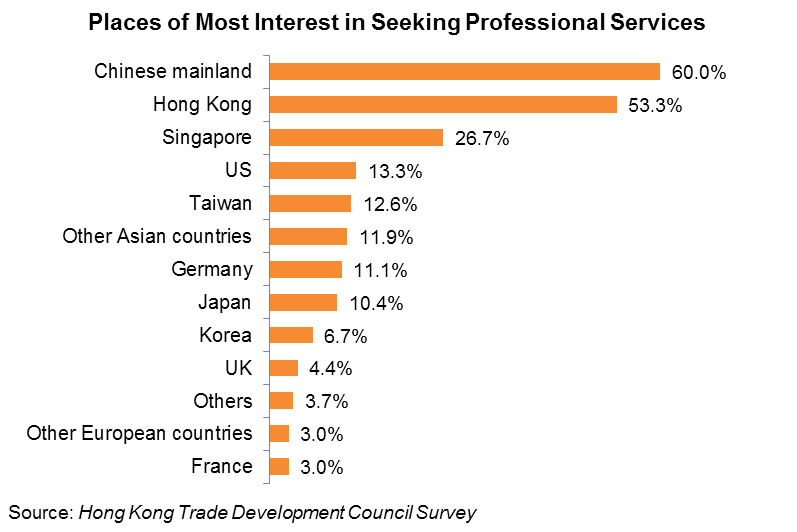
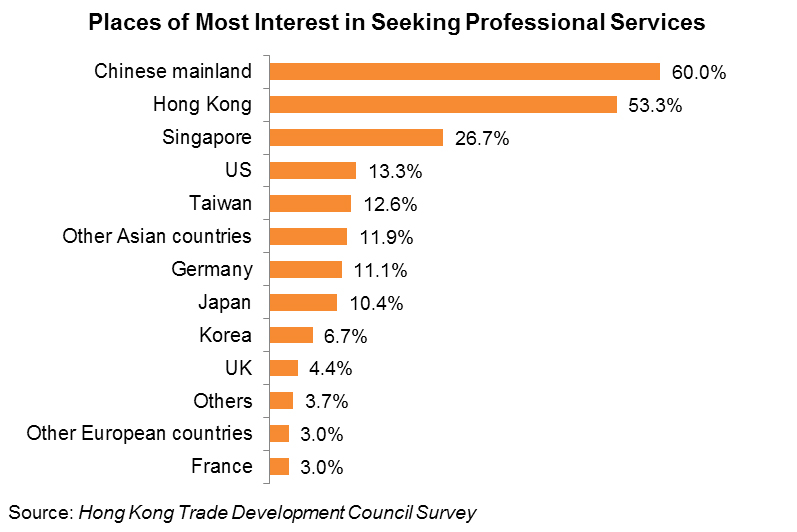
Guangxi enterprises are looking for professional services support to develop their business amid the growth of service outsourcing in the autonomous region. According to the Guangxi Department of Commerce, the size of the service outsourcing industry doubled in 2016. For instance, a French company opened a call centre in Nanning, a model city for service outsourcing in Guangxi, serving ASEAN customers. Indeed, Nanning as an outsourcing service base has a language advantage as many local residents with long-term contacts with Vietnam and Thailand can understand Vietnamese and Thai. At the same time, Guangxi also hopes to bring in more service outsourcing business with Hong Kong as their “super connector”.
Guangxi Actively Promoting CEPA
The Mainland and Hong Kong Closer Economic Partnership Arrangement Agreement on Trade in Services (CEPA Agreement on Trade in Services), signed between the central government and the Hong Kong Special Administrative Region (HKSAR) Government, took effect on 1 June 2016. Under the agreement, Guangxi is one of the two pilot regions for implementation of CEPA’s early and pilot measures, after Guangdong.
Guangxi is very positive on the role of the CEPA service trade agreement in carrying out service trade liberalisation between Hong Kong and the mainland. Particularly in some pilot areas– including architectural design, urban planning, landscape design, conference display, international transport and tourism – Guangxi hopes the CEPA service trade agreement can help strengthen its economic and trade links with Hong Kong, and introduce more related professional services such as efficient logistics services from the city, so as to set a new high watermark for the development of Guangxi’s industries.
A circular on the Action Plan for Implementation of the CEPA Agreement on Trade Services in Guangxi (CEPA Action Plan) was promulgated in August 2016 for a number of work plans, including the strengthening of the CEPA early and pilot measures joint conference system in Guangxi. Six task forces were set up to strengthen co-operation in and co-ordination of key areas such as finance and law, tourism and health, trade and exhibition, transport and logistics, architecture and cultural creativity, as well as processing trade industry transfer.
In an attempt to facilitate Hong Kong and Macau enterprises to make better use of CEPA’s open policy to invest in and provide professional services in Guangxi, and solve the common problem of “big door is open, small door is closed”, Guangxi has implemented numerous reforms to allow a more efficient implementation of CEPA. Following more closely the national unified approach, the autonomous region will establish a service trade investment filing system corresponding to CEPA’s negative list and set up a Guangxi CEPA Projects Green Channel in the municipal office of various cities providing one-stop government services for Hong Kong and Macau investors. It aims to help solve the specific difficulties encountered by service providers in developing the sector in Guangxi.
The CEPA Action Plan has made it clear that the various task forces will promote a number of projects as CEPA demonstration projects, with the objective of strengthening co-operation with Hong Kong in introducing professional services. According to actual needs and based on Guangxi’s own industries, the autonomous region will ask various cities to recommend a number of projects with professional services needs, forming a CEPA co-operation project bank to connect with Hong Kong professional service providers.
In addition to co-operation in processing trade between Guangxi and Hong Kong, more industries can be added into the mix, including electronics and electro-plating. Meanwhile, co-operation in the service sector is also a possibility. Given the efficient management of Hong Kong’s airport facilities, much of this expertise could be extended into the development of both Nanning’s airport and its port facilities, while cold chain logistics has particular growth potential here.
In the manufacturing sector, there are a number of large-scale enterprises in Guangxi in the electronics, automobiles and food sectors. This, coupled with the efforts made by processing trade to seek transformation and upgrading and move towards higher value-added, has generated a huge demand for such professional services as R&D, brand promotion and product testing, which the autonomous region is in dire need of. Hong Kong's service providers, well-placed to fill this gap and assist in effecting this transformation and upgrading, stand to benefit from the opportunities arising therefrom.
[1] The survey was conducted among Guangxi enterprises during the China-ASEAN Expo in September 2016 and 149 questionnaires were collected. Related content can be found at Chinese Enterprises Capturing Belt and Road Opportunities via Hong Kong: Findings of Surveys in South China.
Editor's picks
Trending articles
By King & Wood Mallesons
Introduction
China’s One Belt One Road policy represents a renewed and strengthened push to connect Chinese investors with investment opportunities along the historical Silk Road trade route and a new maritime route. Whilst the increased investment by China along this route presents clear opportunities for domestic Chinese companies and their OBOR investment counter-parties the road is likely to be a bumpy one.
Challenges will be as diverse as the OBOR countries themselves which range from Singapore to Syria and contain significant divergences in operational and investment risks. However, a web of investment treaty protections overlay the route and provide a crucial means of reducing the risks involved in investment. We set out in this article the policy details, investment protections and detail some of the key considerations for OBOR investors.
Section 1 – Journeying along the bumpy OBOR superhighway
The OBOR policy, which was unveiled by Chinese leader Xi Jinping in late 2013 focuses on economic connectivity and cooperation along a pan-continental superhighway encompassing a land-based “Silk Road Economic Belt” and an ocean going “Maritime Silk Road”. The initiative promises to deepen an already active Chinese involvement in developed economies in South-East Asia on this route as well as opening up new investment in developing economies in Central and Western Asia and Africa. To stimulate this investment, the Chinese Government has pledged a sizeable amount of its own sovereign wealth including:
- USD 40 billion to establish a Silk Road Fund to focus mainly in infrastructure and resources, as well as in industrial and financial cooperation between the countries along the OBOR route; and
- USD 50 billion to a new Asian Infrastructure Investment Bank (the “AIIB”) which, as the name suggests, is to act as a regional fund for infrastructure projects across its now 57 members in the Asian region.
It is expected that the bulk of the funds in the Silk Road Fund and the AIIB will be spent on infrastructure, construction and energy and resources projects which will take OBOR investors along a sometimes bumpy route. Whilst the OBOR route may begin in more traditional and developed “Chinese Commonwealth” trading partners in Asia it continues through less traditional, Central and Western Asian nations such as Afghanistan, Armenia, Kazakhstan, Turkmenistan and Georgia as well as African and European nations.
Many of these countries will prove difficult territory for investors to navigate through and will pose serious operational risks. Afghanistan, Iraq and Syria continue to be beset by conflicts; Central Asian nations such as Uzbekistan and Kazakhstan contain potential political and economic risks; whereas OBOR countries from Africa and parts of Asia, continue to suffer from undeveloped legal and operational infrastructures and a lack of funding. These risks and the other legal, regulatory and sovereign risks in the countries through which the route passes militate careful planning by OBOR investors journeying along this highway.
Aside from the usual awareness of risk and prudent contracting and investment structuring, Chinese investors and their contracting partners on the OBOR route should also be aware of their rights under the web of investment treaties covering the route.
Section 2 – Investigating investor protections covering the OBOR route
More than 50 separate bilateral investment treaties (“BITs”) and several multilateral investment treaties (“MITs”) criss-cross the OBOR superhighway and provide a robust source of potential investor protections. Such protections, however, must be understood and carefully planned for by OBOR investors.
BITs and MITs are agreements between countries encouraging investment and setting out the protections each will afford each other and their investors. With the inclusion of Investor State Dispute Settlement (“ISDS”) mechanisms in these investment treaties, corporate and individual investors may be able to bring claims against OBOR governments for breaches of the substantive investor rights set out in those treaties without recourse to the host state’s domestic legal system. The independence of this process from domestic legal systems means that MIT and BIT protections are a crucial bulwark against the political and legal risks that OBOR investors are likely to face.
Arbitration mechanisms, whether under contract or treaty, are powerful rights for OBOR investors because they permit investors to enforce their rights without reliance on local procedures or diplomatic means. Notably, the usual dispute resolution method under Chinese BITs and MITs, ICSID arbitration, allows investors to rely on simplified enforcement mechanisms under the Convention on the Settlement of Investment Disputes between States and Nationals of Other States (the “Washington Convention”). Host states that are party to the Washington Convention are required to enforce arbitral awards made under that Convention, making enforcement of awards an international law obligation. 55 countries along the OBOR route are party to the Washington Convention and voluntary compliance is the norm, although not always the rule.
Nevertheless, concerns surrounding reputation and creditworthiness are likely to continue to encourage OBOR governments’ compliance with enforcement.
What kind of investment protections are offered under investment treaties?
Typically, the protections offered in MITs are similar to the protections offered in BITs. The scope of guaranteed protection offered by each treaty will be set by the wording of a particular treaty. Common forms of guaranteed protection include:
- compensation for expropriation or nationalization of investor’s assets by a state. Typically, this guarantee covers both direct and indirect expropriation, and additionally prohibits expropriation unless it is for a public purpose;
- fair and equitable treatment, as well as protection and security afforded to investments. Clauses setting out these protections are designed to create a standard of treatment independent of the standard of treatment afforded to domestic investments which can vary dramatically from state to state; and
- treatment of foreign investments in a manner no less favourable than that provided to domestic investments.
Even though the scope of guaranteed protections offered under each treaty is set by the wording of that particular treaty, investment treaties often also contain a Most Favoured Nation (“MFN”) clause. MFN clauses allow investments covered by a particular treaty to be afforded the same treatment that the host state would give to any other third state’s investments. This allows an OBOR investor to rely on guaranteed protections set out not only in treaties to which China and the OBOR countries are parties but potentially also any other, better substantive protections that any third party country enjoys under its treaty with the OBOR investment host state in which the investor is investing.
How to make use of investment treaties?
In order to fall within the scope of a particular treaty, the investment needs to fall within the definition of ‘investment’ under that treaty. Typically, the definition of ‘investment’ under treaties is broad and non-exhaustive, in the hopes of capturing evolving types of investments. The broad definition is often followed by a list of non-exhaustive examples such as tangible and intangible property, capital investments in local ventures (regardless of form through which they are invested), financing obligations, infrastructure contracts, etc. Often, the definition of ‘investment’ encapsulates not only the primary investment, but also its collateral elements such as loans – which may themselves be considered distinct investments. While treaty definitions of investment are often broad, each treaty may also set out requirements that an investment must comply with in order to be afforded protection under the treaty, for example: compliance with national law. The definition of investment has been subject to significant arbitral scrutiny: tribunals have found that in order to be considered an investment, the investment must assume risk and make contributions to the state, and contain a certain degree of longevity.
Depending on the scope of application of the treaty, it is possible that guaranteed protections in treaties which did not exist at the time of investment may nonetheless apply to those investments. Typically, guaranteed protections survive for a certain period of time after termination of a treaty.
It is also necessary that investors are viewed as such for the purposes of the treaty. Typically, natural and legal persons must be nationals of a contracting state in order to rely on benefits set out in a treaty, but such persons cannot be nationals of the host state. Often, the question of nationality of the investor is difficult to answer when complex holding structures are used to invest. Under some treaties, place of incorporation is relevant whereas under other treaties, the place from which substantial control of the investments is directed determines who the investor is, and accordingly what is the investor’s nationality.
OBOR investors therefore need to be aware not only of the existence of BIT/MIT rights but the impact that structuring an investment on the OBOR route can have on the protections available to them.
Section 3 –MIT/BIT planning on the OBOR route
1. Know your treaty rights: forewarned is forearmed on the OBOR superhighway and OBOR investors should carefully check the BITs and MITs between China and the OBOR country where an investment is being made and their specific provisions. OBOR investors should also check that any treaties are still in force and verify the OBOR country’s history in dealing with ISDS claims.
For example, although a Chinese company seeking to benefit from OBOR investment might consider taking advantage of the China-Jordan BIT, which incorporates a fair and equitable treatment and no expropriation without due compensation clauses, as of the date of writing that treaty is not in force. OBOR investors from Chinese Special Administrative Regions, Hong Kong and Macau should take care to ensure that their residency in an SAR qualifies them as a “national” of China for the purposes of any treaty. Although a Hong Kong investor has already successfully brought a case before ICSID as a Chinese “national” on the basis of the China-Peru BIT some treaties expressly exclude the SAR territories from treaty definitions.
Finally, careful attention should be paid to an OBOR government’s attitudes to ISDS: an OBOR investor in Poland would be prudent to take heed of its government’s recent pronouncement that it is considering cancelling all of its BITs and an OBOR investor in Russia might consider the fraught recent history Russia has had with enforcing treaty claims against it.
2. Contracting for treaty rights: to the extent possible, drafting of contracts governing the investment should: (i) set out the parties’ intention that OBOR investors and their investment vehicles are understood to be “nationals” for the purpose of the relevant treaties which apply; (ii) make it clear that the investment itself is agreed to be an “investment” for the purposes of the contract. Similarly, where contracting or dealing directly with OBOR governments, ISDS clauses of relevant BITs and MITs should additionally be incorporated into contracts to ensure that the host state is contractually obliged to comply with any specific treaty obligations.
3. Consider structuring an investment to take advantage of OBOR ISDS: OBOR investors should consider structuring or restructuring their investments to ensure that they qualify for ISDS protections. When structuring investments, parties ought to give similar weight to considerations regarding ISDS and falling within the scope of investment treaty protections, as they do to the usual tax, funding and corporate governance considerations.
Please click to read the full report.
Editor's picks
Trending articles
By Balbina Y. Hwang, Visiting Professor at Georgetown University in Washington D.C.
Abstract
In 2013, two countries in East Asia launched their respective visions for an East-meets-West integrated region: China pronounced one of the most ambitious foreign economic strategies in modern times by any country, “One Belt, One Road” (OBOR), and South Korea launched the “Eurasia Initiative” (EAI). This paper examines the rationale, contours, implications, and possibilities for success of Korea’s EAI within the context of China’s OBOR, because a study of the former is incomplete without a clear understanding of the strategic political and economic motivations of the latter. This paper also draws conclusions about how EAI reflects South Korea’s national and regional aspirations, as well as the security implications for the relationship and interaction between the two countries’ alternate visions for a Eurasian continent. While Korean and Chinese visions superficially share a broad and similar goal of connecting two separate regions, ultimately their visions diverge fundamentally on conflicting understandings about national and regional security, and the political and economic roles that each country plays in achieving their ambitions.
Conclusion
In today’s uncertain global environment with new threats and crises emerging with startling frequency, the Korean Peninsula unfortunately remains the focal point of a steady and compelling security problem, as it has for almost 70 years. Aside from the profoundly tragic human costs of the continued division of the Korean people, the political consequences of ongoing tensions and the potential for an outbreak of the Korean War frozen for 63 years has global ramifications, not the least because it could involve military confrontation among the world’s three largest nuclear weapons powers—the United States, China, Russia— and of course now North Korea as an “illegitimate” nuclear power. Yet, a permanent resolution of the bitter division of the Korean Peninsula has perhaps equally profound consequences for the future of the entire Asia-Pacific-Eurasia region, and may even hold the key to possible integration of the Eastern and Western worlds.
China has embarked on an astonishingly ambitious path to link several continents under a new informal architecture shaped by its desire to expand extra-territorial stability. Yet, the purposefully limited view westward (and north and south) with the explicit exclusion of its easternmost neighbor, the Korean Peninsula which is economically and strategically crucial for true regional integration, is strikingly stark. It is perhaps further confirmation that for China, maintenance of the status quo— division of the Korean Peninsula—even with North Korea’s ongoing pursuit of nuclear weapons programs, serves Chinese strategic goals: ensuring extra-territorial stability especially in its bordering countries.
Such entrenched Chinese interests are increasingly at odds with South Korea’s own vision for the region, supported by its growing confidence as a solid middle power. Exacerbating Korean skepticism about Chinese regional ambitions has been Beijing’s increasing boldness in asserting its power in the region, as evidenced by China’s unilateral declaration of an Air Defense Identification Zone (ADIZ) in November 2013, which shocked many South Koreans because of its inclusion of Ieodo (or “Parangdo” by Korea), a rock that China claims as part of its territorial rights (Suyan Rock).55 Thus, the ROK’s “Eurasian Initiative,” despite purporting to share similar goals with OBOR of reviving the ancient Silk Roads to promote economic benefits for all involved, is far more likely to be divergent paths than a shared road.
Yet, more than the potential loss of long-term regional benefits, the divergence between the two visions for extra-regional integration signal a deeper and troubling disparity in fundamental views about regional security. China’s refusal to acknowledge the obstructionist role that North Korea plays not only against regional integration but stability on the Peninsula is being acknowledged and challenged by the South Korean leadership, and increasingly by the public. The negative Chinese reaction to Seoul’s decision to deploy the U.S.-led THAAD (Terminal High Altitude Area Defense) system, while unsurprising, was startling in its vehemence, and has only served to increase South Korean suspicions about Chinese ambitions.
Indeed, Chinese willingness to insert itself into the domestic debate on South Korea’s sovereign right to defend itself is indicative of the extent to which China’s preoccupation with stability in its extra-territorial regions is crucial to its own perception and needs regarding its national security. Meanwhile, North Korea’s ability to assert its own independent actions despite regional and global pressures highlight the opportunities for exploitation created by the inability of regional powers to cooperate when national security interests diverge. Thus, the respective grand projects promulgated by China and South Korea to revive the ancient Silk Roads in order to promote regional integration may paradoxically unleash greater divisions in the Asia-Pacific, and fail to deliver the regional stability both nations are striving to achieve.
Please click to read the full report.
Editor's picks
Trending articles
In its 13th Five-Year Plan, Guangxi has made accelerating the growth of processing trade one main thrust of its outward economic development. It aims to increase the value-added of processing trade by encouraging the diversification of assembly processing into R&D, design as well as upstream and downstream sectors. It also wants to establish a “Nanning-Qinzhou-Beihai Electronic Information Processing Trade Industry Belt” by using processing trade parks and bonded zones as carriers. As Guangxi’s processing trade trends towards mid- to high-end, some of the labour-intensive processes have started to move out and industry chains are being formed with neighbouring ASEAN countries.
Processing Trade Develops in Leaps and Bounds
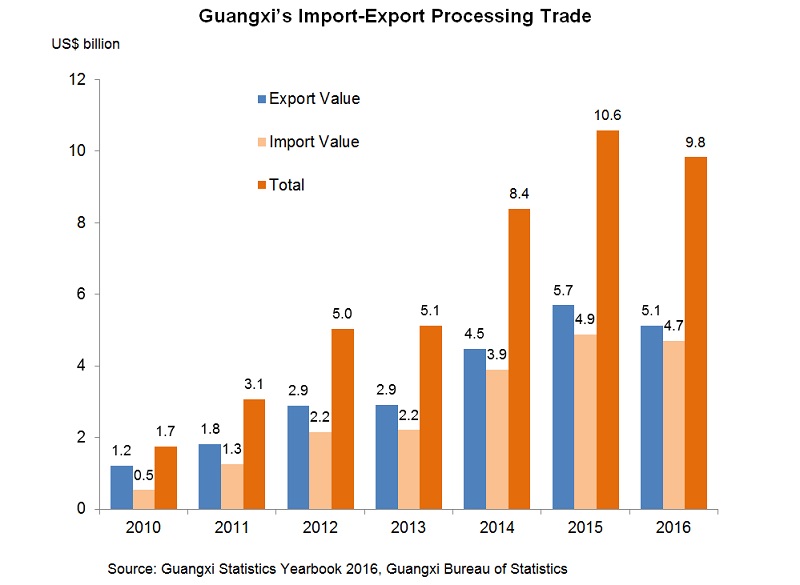
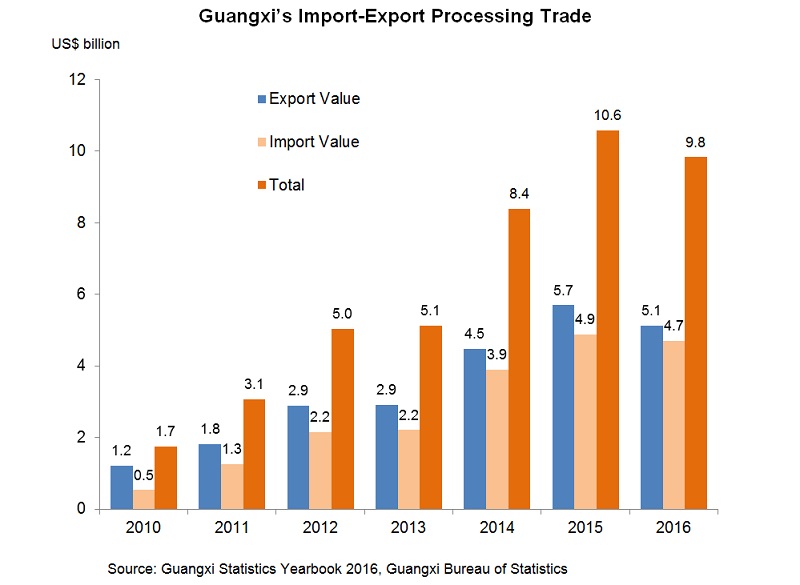
The past few years have seen marked growth in Guangxi’s processing trade. Higher logistics costs notwithstanding, a considerable number of industries in China’s eastern region have moved into the autonomous region. Although in 2016 overall external demand was sluggish and Guangxi’s exports also dropped, from 2010 to 2016 Guangxi’s total import and export value from processing trade still registered a hefty average annual growth rate of 33.3%. In particular, processing trade exports grew at an average annual rate of 27.2%. In 2010, processing trade constituted 9.9% of Guangxi’s overall external trade, but the figure climbed to 20.6% in 2016. Currently, the raw materials, parts and components used in processing trade come from different areas, but exports after assembly mostly transit through Hong Kong.
Further Driving Processing Trade
In a bid to further drive processing trade development, Guangxi proposed a second round of “doubling plan” in 2016. The Implementation Opinions on Promoting the Innovative Development of Processing Trade (the Implementation Opinions) it released in June 2016 proposed that by 2020, the import and export volume of processing trade will double that in 2016 to more than US$20 billion. Meanwhile, there should be further improvements in the structure of export goods from processing trade, with mechanical and electrical products and high-tech products comprising more than 75% and 50%, respectively, of all processing trade exports.
The Implementation Opinions proposed a number of incentive measures to support the development of the processing trade industry, including:
- Processing trade enterprises whose projects fall under the scope of the Catalogue of Encouraged Industries in the Western Region with total investment exceeding RMB50 million will be eligible, up to 31 December 2020, for a reduced enterprise income tax rate of 15% while contribution to local coffers will be exempted.
- In key industrial parks, basic endowment insurance premium will be reduced from 20% to 14% while collection of contributions to the water conservancy fund will be temporarily suspended for processing trade enterprises in these parks.
- For projects in priority development industries with intensive land usage as determined by Guangxi, the minimum land assignment price may be set at no less than 70% of the relevant standards.
- Concerted efforts will be made to give more financial support to processing trade transfer projects. In 2016, a total of more than RMB600 million in specific funds, inclusive of RMB300 million from the Guangxi government and funds from the central government designated for foreign trade and economic development, were allocated for further improving the environment for the development of processing trade industries.
As for labour costs, take the city of Beihai as an example. According to Beihai Industrial Zone (BIZ), the average monthly wage of an ordinary worker is about RMB2,500. It is worth noting that some Guangxi cities along the Sino-Vietnamese border are stepping up labour services co-operation with neighbouring Vietnamese regions. With the signing of a cross-border labour services co-operation agreement in early 2017 between the Guangxi border cities of Chongzuo, Fangchenggang and Baise with the Vietnam border provinces of Quảng Ninh, Lang Son, Cao Bang and Ha Giang, a mechanism for labour services co-operation has been formally set up.
With the sustained development of Guangxi’s economy, labour demand at the autonomous region’s border regions will also grow rapidly. As neighbouring Vietnam has surplus labour, cross-border co-operation in labour services is conducive to Vietnam workers going to work in Guangxi. It has been estimated that the labour cost of each cross-border worker is lower than that of a Guangxi worker by more than RMB10,000 a year.
Processing Trade Trending Towards High Value-added
In recent years, Guangxi’s industrial structure has been turning gradually towards high technologies and electronics, so its processing trade is also advancing in that direction. To promote further processing trade development, the Implementation Opinions suggest that active guidance should be given on bringing in whole chains of supporting industries so that Guangxi’s processing trade can be developed in clusters and its value-added can be increased continually. The autonomous region is now building an electro-plating park in Tieshan port area to provide support for related upstream industries.
Beihai hosts some 600 large and small enterprises in the field of electronics, one of the fastest-growing industries locally. Electronic information is the pillar industry in BIZ, followed by food, pharmaceuticals and equipment manufacturing. According to a BIZ representative, the industry chains there are now extending upstream in the direction of R&D, and BIZ has set up a foundation for supporting this sector. So far, BIZ is host to five state-level high-tech enterprises and eight provincial-level R&D centres and technology centres; it has also set up the first quality inspection centre in Guangxi for electronic information products.
About 20,000 workers are employed in BIZ and the number is expected to hit 30,000 in 2017. Most are local and there is little problem with recruitment. However, one BIZ representative said that labour demands of enterprises now entering the zone are less urgent than before, and they are more concerned with local support in terms of value improvement. BIZ is well aware that, in the long-run, it cannot depend on incentive policies alone. Instead, there is a need to develop support services and upgrade the standards of industrial services including, for example, raising the standards of inspection and testing services, offering certification of standards, and training of personnel, all of which are vital in lending support to R&D. To further enhance the business environment, BIZ will also set up a port joint inspection centre to facilitate customs clearance.
Industry Chain Relationship with ASEAN
For its processing trade, Guangxi uses raw materials, parts and components from different sources, while exports after assembly mostly transit through Hong Kong. Guangxi’s processing trade, however, has ceased to be simple processing with supplied materials: enterprises using Guangxi as a production base make use of labour forces in peripheral areas to carry out and incorporate international co-operation in production capacity. Guangxi figures indicate that some enterprises in the Beibu Gulf area have begun to gradually transfer some low value-added, and very labour-demanding, processes to ASEAN countries.
Although the productivity of Guangxi’s workers is higher than that of their counterparts in some ASEAN countries such as Vietnam, Cambodia and Laos, labour costs in Guangxi are also higher. Consequently, some manufacturers in the Beibu Gulf area have started carrying out industrial division of labour with neighbouring ASEAN countries. This entails outsourcing some simple assembling processes to Vietnam or Cambodia, then shipping back the semi-finished products for further assembly in Guangxi. In this way, a processing trade industry chain involving Guangxi and ASEAN has begun to take shape.
As an example, a Taiwan electronics enterprise has invested in an industrial park in Cambodia through a company it has set up in Beihai. Semi-finished products produced by lower-cost labour in Cambodia are shipped back to Beihai for deep processing or final assembly. Since low-end processes have been transferred to Cambodia while mid- to high-end processes are retained in Beihai, the number of workers the enterprise employs in Beihai has been reducing gradually from 4,000 in 2015 to about 2,000 in 2016. Although there is a reduction in the number of workers, overall output value has not decreased.
From Guangxi’s perspective, this is an inevitable development trend. Even though enterprises are moving out some production processes, Beihai no longer wants to take in low-end, low value-added electronics industries. Industrial parks also want to create a sound operating environment so that enterprises will continue to use Beihai as a management centre while building industry chains with ASEAN countries.
Given the fact that the electronics industry requires specialised services support, BIZ, for example, has established an electronic information product inspection and testing centre so that enterprises do not have to send their products outside Guangxi for inspection and testing. The next step is to provide various types of quality certification locally. A port joint inspection and testing centre will also be set up to allow formalities such as customs declaration and commodity inspection to be carried out within the park premises. A skills training school has also been set up inside the park through the joint efforts of businesses and academic institutions to train related technical staff.
|
China-Malaysia Qinzhou Industrial Park China-Malaysia Qinzhou Industrial Park (CMQIP) has been jointly built by government consortia from Malaysia and China. It is one of the two parks under the “two countries, twin parks” co-operation between China and Malaysia (the other is Malaysia-China Kuantan Industrial Park in Kuantan Port, Malaysia). About 15km from the city of Qinzhou, CMQIP has a planned area of 55 sq km. The first phase will cover 15 sq km, of which 7.8 sq km is designated as a start-up area. It is expected that the whole 15 sq km will be developed in 2017, well ahead of the target date of 2020. By early 2017, 66 enterprises had signed agreements to set up operations in the park or were about to do so. CMQIP is intended as an international park and enterprises from around the world are welcome. Standard factory buildings with worker dormitories are available in its processing trade zone. To the east of CMQIP is Sanniang Bay, a 4A grade tourist district; to the west is Maowei Sea, a national ocean park. CMQIP will therefore make use of tourism resources in its neighbourhood to create an international tourist attraction complete with facilities for leisure, vacationing, business, conventions and exhibitions, culture and sports. CMQIP had its foundation laid in 2012 and, after years of efforts in infrastructure building, it is now ready for enterprises to move in and operate. Six industrial clusters are gradually being built up: medicine and healthcare, information technology, marine industry, equipment manufacturing, materials and new materials, and modern services (including cultural creation and tourism). In addition, talks are also under way to introduce traditional Malaysian priority industries such as bird’s nest processing, halal food and rubber, as well as the deep processing of palm oil imported from Malaysia. In choosing sites for the twin parks, Malaysia and China have decided on a port city with a view to co-operating in the development of both industry chains and logistics chains. Industries now located in Malaysia-China Kuantan Industrial Park include steel and aluminium processing and ceramics, and they have set their sights on the regional market. CMQIP intends to tighten Chinese-Malaysian industrial co-operation. At this stage it is bringing in different types of industries in order to make the park a success. It also has plans to gradually introduce Malaysia’s priority industries such as bird’s nest processing and halal food processing. At the end of 2016, with China and Malaysia signing the Protocol on Inspection, Quarantine and Veterinary Hygiene Requirements for the Exportation of Raw, Uncleaned Edible Bird’s Nest from Malaysia to China, Qinzhou and CMQIP in Guangxi may become the designated port of importation and processing base, respectively, for Malaysian raw bird’s nest. |


Bonded Zones Offer More Value-Added Development
Guangxi’s 13th Five-Year Plan mentions that better use should be made of various bonded port zones and export processing zones to step up the development of processing trade. In fact, its bonded port zones are now promoting the development of more value-added activities in different industries. For example, Nanning Bonded Port Zone not only runs a bonded warehouse, but it is also venturing into the exhibition and maintenance of imported cars, repairing of returned exported equipment, aviation logistics, aeroplane related maintenance and training, as well as the deep processing of imported food and health food.


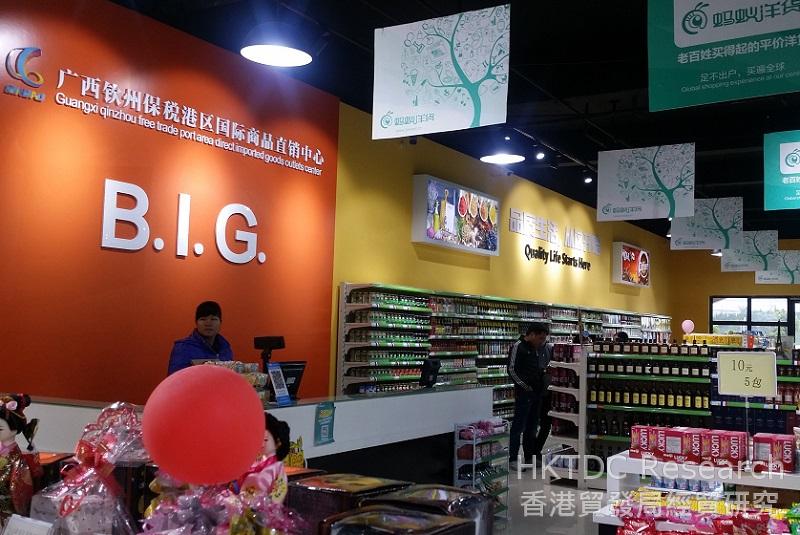
Qinzhou Bonded Port Zone (QBPZ) is pursuing the processing of imported cotton in its bonded zone. The yarns from spinning can either be imported into mainland China or exported. On the mainland, imported fruits and meat must be imported through designated ports that are equipped with inspection and testing facilities. QBPZ is also qualified in this respect, so it is planning to develop the processing of cold-chain imports, targeting mostly imported fruits and meat where the main processes involved are cutting and repackaging. Another project is wood processing, in which imported bonded wood is processed into boards or wooden components for buildings. QBPZ is also developing cross-border e-commerce, aiming to offer a platform for ASEAN SMEs to enter the China market by helping them handle import formalities. Its position is to focus on specialty products from Southeast Asia, and its target markets are Guangxi and the southwestern region.
It is worthwhile for Hong Kong’s manufacturing industry to pay attention to the progress of Guangxi’s efforts in promoting co-operation in production capacity with ASEAN. Hong Kong can capitalise on the development room available to integrate regional supply chains more effectively. Guangxi’s electronics industry has been growing rapidly in recent years. To support the development of the industry, a modern electro-plating industry park is being planned in Tieshan Port, Beihai. Nevertheless, Guangxi’s manufacturing sector still lacks supportive professional services such as R&D, brand promotion, inspection and testing, etc. These vital aspects in manufacturing can offer opportunities for co-operation between Hong Kong’s related sectors and Guangxi’s manufacturing industry.
Editor's picks
Trending articles
By Alek Chance, Institute for China-America Studies
Executive Summary
This report is a survey of common views on China’s Belt and Road Initiative (BRI) among American strategic studies and international political economy experts. These observations are placed against the backdrop of BRI’s potential to make significant contributions to global economic development, and they comprise a point of departure for a set of preliminary recommendations for using the initiative to improve the US-China relationship. This report maintains an agnostic position regarding the current strategic intentions behind BRI or its future course. However, the scale, scope, and centrality of BRI to China’s foreign and economic policy all invite an examination of its potential to enhance the US-China relationship, and to identify factors that either might facilitate or stand in the way of realizing this potential.
Key Findings:
- BRI is largely regarded among American experts to be a seriously pursued initiative with the potential to significantly impact the economic and political future of Eurasia. However, the overall response to BRI has been ambivalent, with Americans expressing frequent concerns about standards, the adequacy of Chinese development practices, and the erosion of Western development norms.
- Geopolitical concerns significantly frame Americans’ views of BRI. The initiative is sometimes viewed a deliberate attempt to economically marginalize the United States, to create a Eurasian sphere of influence, or as a pretext for expanding China’s overseas military presence. At the very least, perceptions that China is embarking on a new, “assertive” phase of statecraft elevate the scrutiny BRI faces.
Key Recommendations:
- The United States and China should both envision BRI as a vital instrument for strengthening habits of cooperation. BRI must be shaped in a way that places it on the cooperative rather than competitive side of the US-China relationship.
- Chinese experts and policymakers should work to address American (and indeed, global) concerns about the standards and inclusiveness of BRI, and about China’s commitment to existing norms and economic regimes.
- Americans should remain open-minded and flexible about BRI. The US should engage with it where it serves US interests rather than viewing the entire initiative through the often simplistic lens of geopolitical competition.
- The US and China should establish dialogue and collaboration mechanisms focused on exploiting areas of overlapping interests in the BRI domain and to coordinate their different, yet complementary, strengths in development.
Please click to read the full report.
Editor's picks
Trending articles
 592 Views
Hong Kong has an online environment that other countries can “only dream about”, says Michael Gazeley of locally-based but global cyber security firm, Network Box. He says China’s Belt and Road Initiative consists of online (as well as land and sea) trading links and Hong Kong can rely on its fast, stable Internet and world class infrastructure to safely connect up the cyber Belt and Road. Catch Part 2 on Hong Kong’s expertise in cyber security.
Speaker:
Michael Gazeley, Managing Director, Network Box Corporation Limited
Related Links:
Hong Kong Trade Development Council
http://www.hktdc.com/
HKTDC Belt and Road Portal
http://beltandroad.hktdc.com/en/


By Vivienne Bath, The University of Sydney Law School
China’s changes to its inbound and outbound investment system, in addition to its programme of BIT (bilateral investment treaties) and FTA (free trade agreements) negotiations, are relevant to investments in and from OBOR countries, but are part of an on-going reform process that is not driven by the OBOR vision. The SPC and Chinese commentators recognise that investment in the OBOR will raise a number of legal issues for investors, but appear to be focused on improving China’s own legal system and its network of current and potential international treaties, primarily BITs and FTAs, as the primary method of dealing with disputes. However, it is clear that protection under China’s current network of BITs along the OBOR is by no means assured, due to the limited content of most of the treaties and potential issues in individual countries with a poor record in terms of rule of law.
Does China have – or should it have – a specific strategy in relation to investment protection agreements focused on the states along the OBOR, and if so what form should it take? In general, the individual countries with which China has negotiated and is currently negotiating FTAs are not states along the OBOR, although regional agreements and negotiations with ASEAN, the European Union and potentially a new Central Eurasian agreement may provide opportunities for strengthened investment agreement protections in some of those states. China’s current emphasis in negotiating agreements with countries along the OBOR seems to be on joint declarations for expanding cooperation and entering into comprehensive strategic partnerships rather than new BITs or investment agreements, although these may be the precursors to more formal state-to-state arrangements.
It is questionable whether China’s long-term interests and aims under the OBOR vision would be well-served by an aggressive programme of negotiating more rigorous investment agreements and attempting to enforce the rights of investors through investor-state arbitration. Indeed, despite an increase in ISDS cases, Chinese investors have been very cautious in relation to attempts to enforce their rights through these means.
This raises the question of the role of the Chinese government in both deal making and protecting the rights and interests of Chinese investors. The Vision Document and other policy documents relating to the OBOR certainly suggest that the Chinese government sees itself as playing an active role in planning and putting its weight behind the expansion outwards as contemplated in the OBOR vision. The provision of funding by Chinese owned and backed institutions,94 when combined with the on-going requirement that Chinese government approval be obtained for major acquisitions and investments and for investments in sensitive countries and investments, also indicate that the Chinese government will play an on-going regulatory role in OBOR investment. These investors may well assume that the Chinese government will continue to be closely involved in their operations and in the behind-the-scenes settlement of disputes relating to investments, particularly in states with a weak legal regime and a poor record in terms of investment disputes.
In summary, reforms to China’s current regulatory and funding regime both encourage outbound investment and support continued government involvement in both the establishment and operation of overseas investments. Due to China’s assertive policy of negotiating BITs and, more recently, FTAs, there is a network of treaties with states along the OBOR designed to promote and protect investment. However, investment protection for Chinese investors still presents challenges, due both to the restricted protections offered by the earlier treaties and the risk associated with a significant number of the host countries along the OBOR. It can therefore be anticipated that the Chinese government will play a continuing role both in encouraging and funding investment along the OBOR and in assisting with disputes.
(Lutz-Christian Wolff and Xi Chao (eds), Legal Dimensions of China’s Belt and Road Initiative, Wolters Kluwer Hong Kong Ltd, 2016, pp165-218.)
Please click to read the full report.
Editor's picks
Trending articles
Belt and Road investment priorities and need to boost northern states fuels expansion of Special Economic Zones.
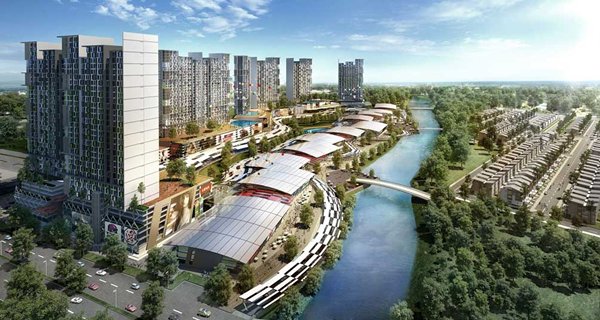
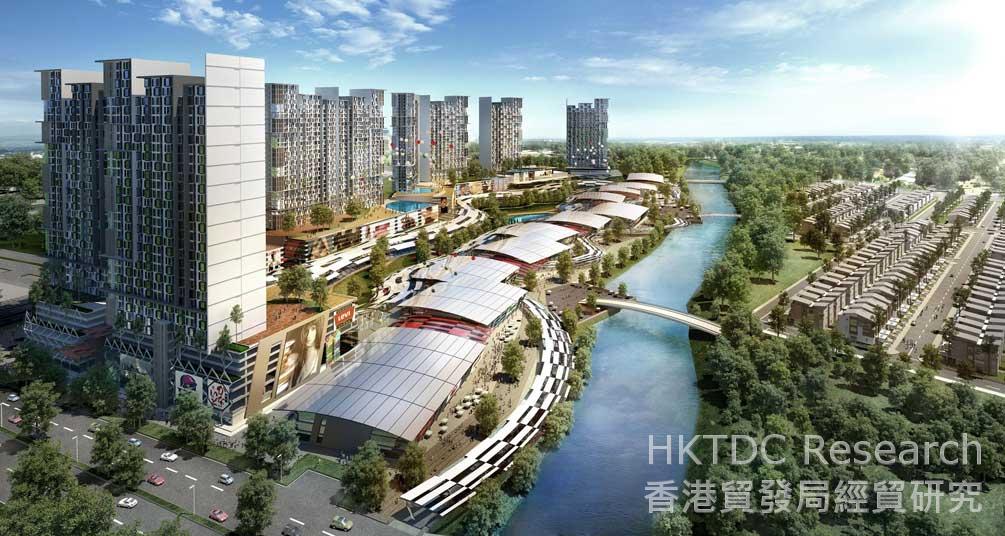
The development of Malaysia's growing number of Special Economic Zones (SEZs) is being shaped by several investment requirements related to the Belt and Road Initiative, as well as by a change in priorities on the part of the country's government.
As the Malaysian government looks to diversify the country's economy, it faces three key challenges, all of which have implications for the SEZ sector. Firstly, it is keen to rebalance economic growth across the country while looking to nurture innovation in the digital-technology sector. On top of that, it is determined to capitalise on the new opportunities emerging from the ASEAN integration programme.
With inward investment focussed almost exclusively on Kuala Lumpur and the southern states of Selangor and Johor, promoting interest in the country's northern regions is seen as a vital part of any move to rebalance the economic map. The key project here is the development of the East Coast Economic Region (ECER), an initiative that was initially green-lit in 2008.
As envisaged, the ECER spans the northern states of Kelantan and Terengganu, as well as Pahang in the east and Mersing in southeastern Johor. It extends across 51% of Peninsular Malaysia, and focuses primarily on the country's traditional strengths in manufacturing, agribusiness, oil, gas, petrochemicals and tourism.
As of May 2016, some 38.5% (US$3.1 billion) of all inbound investment in the ECER had been sourced from Chinese investors. The majority of this funding has been channelled into the Malaysia-China Kuantan Industrial Park. Set in the eastern coastal state of Pahang, this was the first industrial park in the country to be jointly developed by Malaysia and China. Among the more recent investments has been the funding of a $133 million aluminium component manufacturing facility by the Guangxi Investment Group.
In order to create much-needed jobs, however, the northern states require considerably more investment. In line with this, back in 2016, the Terengganu state government lobbied to launch a new SEZ extending across Besut, Setiu, Kuala Nerus, Kuala Terengganu and Marang. The proposed 729,400-hectare development is said to have been modelled on the Shenzhen SEZ in southern China. At present, it is planned that the initial phase will utilise some 221,000 hectares, with the second phase requiring an additional 508,400 hectares.
With improving the country's digital infrastructure one of the key elements in the government's plan to encourage multinationals and SMEs to create new jobs, Malaysia launched the world's first Digital Free Trade Zone (DFTZ) in March this year. The ceremony to mark the formal adoption of the scheme was attended by Najib Razak, the Malaysian Prime Minister, and Jack Ma, the Executive Chairman of Alibaba Group and an adviser on the development of Malaysia's digital economy.
Once completed, the DFTZ will boast an e-fulfilment hub at the Kuala Lumpur International Airport (KLIA) Aeropolis, a 405-hectare development zone focussed on air cargo and logistics as well as the development of an aerospace/aviation cluster. The initial phase will roll out later this year, with Alibaba, Cainiao, Lazada and POS Malaysia already signed up as tenants. The facility will also be the launch site in 2019 for Alibaba's Electronic World Trade Platform – part of the company's bid to streamline global trade arrangements for SMEs.
The second phase of the DFTZ will see the establishment of the Kuala Lumpur Internet City (KLIC). Developed by Catcha Group, the Malaysian/Singaporean internet giant, it is hoped that KLIC will emerge as the key digital hub for global or local internet-related companies looking to target Southeast Asia.
The project will be housed within Bandar Malaysia, a commercial and residential zone located on the site of a former air-force base. The site is being developed by a consortium led by the China Railway Engineering Corp.
In other developments, Bandar Utama, on the outskirts of the capital, will be the terminal for the Kuala Lumpur-Singapore high-speed rail link, scheduled to begin operation in 2026. With a journey time of just 90 minutes, the link is expected to boost business and tourism traffic.
At present, stops are planned at Putrajaya, Seramban, Alor Gajah, Muar, Batu Pahat and Iskandar Puteri in Johor Bahru. All of these locations are intended to be promoted as investment hubs in the coming years, with Iskandar Puteri having something of a head start over the other designated sites.
Forming part of Iskandar Malaysia – the main southern development corridor in the state of Johor – Iskandar Puteri is a 2,217-square-metre SEZ. Established in 2006, it was envisaged as a world-class business, residential and entertainment hub, with its management keen to capitalise on its proximity to Singapore.
Among the businesses already operating within its precincts are Legoland Malaysia, Gleneagles Medini Hospital and Pinewood Iskandar Malaysia Studios. It is also the site of the Medini 'smart city', one of Malaysia's largest urban developments.
Within Medini, investors in six designated sectors – health and wellness, education, financial services, leisure and tourism, the creative industries, and logistics – can take advantage of a number of tax breaks and several other incentive packages. The site is expected to get a further boost in 2019 following the completion of a high-speed rail link to Singapore's Mass Rapid Transit rail system.
In addition to developing domestic SEZs, the country's Ministry of International Trade and Industry has announced that a number of Malaysian companies will be playing key roles in developing several SEZs in neighbouring Laos. These include Savan Park, a commercial and industrial hub jointly funded by the Laos government, and Savan Pacifica Development, a Malaysian consortium.
Among the other projects is the Dongphosy SEZ, a 70-hectare duty-free retail and residential zone intended to promote tourism, which is being jointly developed by Malaysia's UPL Lao and the Laos government. Malaysian companies are also involved in the development of an SEZ in Thakek, southern Laos.
Geoff de Freitas, Special Correspondent, Kuala Lumpur