









Chinese Mainland
By CGCC Vision
The Guangdong-Hong Kong-Macao Great Bay Area is a city cluster made up of two special administrative regions, i.e. Hong Kong and Macao, and nine Guangdong Province cities, viz. Guangzhou, Shenzhen, Foshan, Dongguan, Huizhou, Zhongshan, Zhuhai, Jiangmen and Zhaoqing. At first glance, the concept is similar to the old Greater Pearl River Delta (GPRD)’s context of co-development. However, HSBC Asia-Pacific Advisor George Leung pointed out that integration was not one of the old GPRD’s attributes for cooperation. Its purpose was to promote the economic development of the entire region by comprehensively improving production efficiency through coordination between different economic models in various cities.
Set to be among world’s four major bay areas
“After more than a decade of development, the GPRD has accumulated solid strength to prompt the Central Government to decide on the idea of further integrating the region into a great bay area on the back of its existing development foundation.” Leung believes that the most important thing is building a sound transport network and establishing a sound ecosystem that will drive the cities in the region to make better use of their industrial strengths to integrate with each other in order to create greater synergies. The ultimate goal is to become one of the four major bay areas in the world with the New York Bay Area and the San Francisco Bay Area in the US and the Tokyo Bay Area in Japan.
In respect of transport network, Leung said that a dense transport system must be in place within the Great Bay Area to effectively link up different cities. At this stage, the Main Bridge project of the Hong Kong-Zhuhai-Macao Bridge is more than 90% completed and Hong Kong has signed a co-location deal with Guangdong for implementing a joint checkpoint at Hong Kong’s high-speed rail terminus. The transport network in the area, which has now begun to take shape, will help link up the entire industry cluster.
“In fact, the basic development factors in the Great Bay Area are almost complete. On the back of its population of over 60 million people, its residents’ rising spending power, as well as the significant strengths of its cities - e.g. Hong Kong is an international financial center, Shenzhen is an innovation and technology center, Guangzhou is a global trade center and Zhongshan is being developed into a world-class modern equipment manufacturing base - the Great Bay Area will further raise its level of market integration in the future to bring greater economic benefits to the entire region.”
Overcome challenges arising from differences in legal systems
Nevertheless, Leung believes that there are still challenges that must be overcome for Hong Kong to integrate into the Great Bay Area’s development and play a key role. Under the “one country, two systems” principle, Hong Kong’s legal and political systems are different from those of the Mainland cities; in this respect, it is not the same as the three major bay areas of New York, San Francisco and Tokyo. In view of possible future disputes with the nine Guangdong Province cities in corporate finance or other areas, there is the need for early discussions and consultations to determine the regulatory guidelines and legal system to be followed for dispute resolutions. Relevant successful experience can also be applied to different economic systems such as the free trade zones in the future.
Easy integration due to similar cultures
Leung said that Hong Kong can in the future make use of the Great Bay Area’s advantages to further enhance its competitiveness in global financial development. “Digital economy and fintech are the trends of today’s international financial cities. However, Hong Kong’s market has only a few million people. In the long run, it is difficult to support the expanding large-scale financial system to further improve fintech. The Great Bay Area, a huge region, offers such a desirable vast market. In addition, Guangdong has the same culture and language as Hong Kong, and it is a market Hong Kong is familiar with. Therefore, Hong Kong businesses can more easily integrate into the area, which may help accelerate the pace of development and achieve results. It may be more attractive than overseas cities along the Belt and Road.”
Leung stressed that as the traditional financial industries are now lagging behind, Hong Kong has to continue to be at the forefront of financial development. It must seize this important opportunity in the Great Bay Area and devote great efforts to develop fintech by complementing the strengths of other cities in the area to consolidate its status as an international financial center.
This article was first published in the magazine CGCC Vision December 2017 issue. Please click to read the full article.
Editor's picks
Trending articles
By Olga Boltenko, Counsel CMS Hasche Sigle Hong Kong LLP
Nanxi Ding, Researcher, Counsel CMS Hasche Sigle Hong Kong LLP
* The article traces a public lecture held in Hong Kong on 12 July 2017, organised jointly by CMS Hasche Sigle Hong Kong and the Hong Kong International Arbitration Centre. The lecture was delivered by Timothy Histed, head of MIGA’s South and South East Asia operations.
The Origins: Hochtief’s Struggle in Argentina
In 1991, Hochtief AG – a major German contractor – won a concession over one of the largest infrastructure projects in Argentina (see Award, ICSID Case No. ARB/07/31, December 21, 2016). Hochtief was to construct and operate a 608-meter long four-lane cable-stayed bridge linking the cities of Rosario, in Santa Fe province, and Victoria, in Entre Ríos province, through a crossing over the Paraná river. Argentina was to pay regular subsidies towards the project.
In 1998, Argentina spiralled into a major economic crisis. The crisis permeated all aspects of the country’s life, and resulted in economic, financial, institutional, political, and social collapse. When the crisis peaked, Hochtief’s project was well advanced – Hochtief’s bridge was hanging with its ends loose over the Paraná river when the Argentinean Government changed its laws, stopped contributing to the project, and eventually terminated the concession. Hochtief sued Argentina at ICSID for expropriation. In December 2014, following several years of legal battles on jurisdiction and merits, a prominent tribunal comprising Chris Thomas QC, Judge Charles Brower, and Professor Vaughan Lowe QC, issued its decision on liability (see Decision on Liability, ICSID Case No. ARB/07/31, December 29, 2014).
The Hochtief tribunal’s decision is informative in many respects, but its treatment of Argentina’s political risk insurance objections deserves particular attention. Prior to bidding for its concession, Hochtief took out a political risk insurance policy with the German Government under a German Government programme that provides Federal guarantees for direct investment in foreign countries. Having seen its project expropriated, Hochtief applied for compensation under the Guarantees, receiving over €11 million prior to suing Argentina at ICSID.
Argentina objected to the admissibility of Hochtief’s claims before ICSID on the basis that, because the German Government paid the compensation, Germany was subrogated to the rights of Hochtief under the BIT, so Hochtief could no longer pursue its claims. The Tribunal rejected Argentina’s admissibility objection, finding the BIT requires a transfer of rights to claim by provision of law or by a legal act, and that no such transfer happened when Hochtief purchased its political risk insurance.
The Hochtief tribunal further found that a political insurance payment is a benefit which an investor arranges on its own behalf, and for which it pays. Political risk insurance does not reduce the losses caused by a host State’s actions in breach of the underlying BIT. In essence, political risk insurance is an arrangement made with a third party in order to provide a hedge against potential losses. The Hochtief tribunal found that there was no principle of international law that would require such an arrangement to reduce the breaching host State’s liability.
The Hochtief liability decision is one of the rare investment decisions that address political risk insurance objections. However, political risk insurance is by no means a new concept in the world of investment law. Investment in volatile jurisdictions can involve setbacks that include bribery, corruption, or even the total collapse of local economies, wholesale rejection of contracts, political crises and coups and even claims relating to violations of human rights. Despite the ever-present security concerns in conflict-affected states, investors value business opportunities that promise generous returns on their investments, as long as the anticipated returns are high enough to outweigh the increased risks. Political risk insurance has developed alongside foreign direct investment as a way to hedge against a variety of such risks.
Hong Kong is a relatively new market for insurers offering political risk insurance policies. However, the local market is expected to grow, as Hong Kong solidifies its position as an important regional hub for China’s Belt & Road Initiative, a reliable jurisdiction through which foreign investors can channel funds into other Asian jurisdictions that can at times be volatile.
Institutional Insurance: MIGA
The World Bank’s Multilateral Investment Guarantee Agency (“MIGA”) was one of the first international institutions to offer political risk insurance to investors venturing into conflict-affected or volatile jurisdictions. To benefit from MIGA’s insurance policies, a foreign investor must be a national of a MIGA member-State and must seek insurance for an investment into a developing country. In line with that policy statement, MIGA has developed five types of insurance products. MIGA insures investors against losses relating to currency inconvertibility and transfer restrictions, expropriation, war, terrorism and civil disturbance, breach of contract, and non-honouring of financial obligations.
Currency Inconvertibility & Transfer Restrictions
In terms of currency inconvertibility and transfer restrictions, MIGA’s involvement is engaged if the host State imposes transfer restrictions such that the foreign investor is not in a position to convert local currency into hard currencies and transfer it to its country of origin. In those situations, MIGA would pay compensation in the hard currency specified in the contract of guarantee with the investor.
In this respect, most investment lawyers would argue that the majority of treaties contain provisions on transfer of investments and returns. The Hong Kong-Australia BIT, for example, provides in its Art. 8 that “each Contracting Party shall in respect of investments guarantee to investors of the other Contracting Party the right to transfer abroad their investments and returns”. Similar transfer provisions are included in virtually every existing BIT. These provisions often require that the investor be able to convert currency of the funds prior to transfer. The question begs what value MIGA’s policies add to investors if the relevant investment treaties already contain the required guarantees.
For a foreign investor to benefit from the treaty’s transfer provisions however, the investor needs to engage the treaty’s dispute resolution mechanism, go through years of arbitration and/or litigation, and obtain an award confirming (hopefully) that the host State is in breach of the treaty’s transfer provisions and that it owes compensation to the investor. This would be a brilliant outcome, but not the end of the story. The investor would then have to enforce the award against the host State.
MIGA does not require an award to find that the host State has effectively blocked repatriation of funds. MIGA will compensate the investor for the host State’s conduct without the trouble of having the insured investor go through arbitration and enforcement proceedings.
Expropriation
MIGA’s expropriation coverage is wide-ranging. It encompasses everything from nationalisation to “creeping” expropriation. Here again, MIGA does not require an award in the investor’s favour to pay compensation. If equity investment is expropriated, MIGA compensates the insured investor based on the net book value of the insured investment. When funds are expropriated, MIGA pays the insured portion of the blocked funds. For loans and loan guaranties, MIGA insures the outstanding principal and any accrued and unpaid interest. MIGA pays compensation upon assignment of the investor’s interest in the expropriated asset to MIGA.
For all practical means, from the investor’s perspective, getting compensation for expropriation from MIGA is faster and cheaper than investment arbitration. By resorting to MIGA, the foreign investor safeguards its relationship with the host State by avoiding fierce (and often very public) confrontation before an investment tribunal, amongst other benefits.
War, Terrorism & Civil Disturbance
Under the umbrella of its policy for insuring risks against war, terrorism and civil disturbance, MIGA protects insured investors from destruction of tangible assets or from total business interruption caused by politically motivated acts of war or civil disturbance in a host State. For tangible asset losses, MIGA compensates the investor’s share of the lesser of the replacement cost and the cost of repair of the damaged or lost assets, or the book value of such assets if they are neither being replaced nor repaired. For total business interruption, MIGA’s compensation is based, in the case of equity investments, on the net book value of the insured investment or, in the case of loans, the insured portion of the principal and interest payment in default.
Again, the added value of MIGA’s war, terrorism and civil disturbance insurance is that the investor is not required to produce a treaty award in its favour to seek compensation.
Non-Honouring of Financial Obligations
MIGA’s insurance against non-honouring of financial obligations protects against losses resulting from a failure of a sovereign, sub-sovereign, or state-owned enterprise to make a payment when due under an unconditional financial payment obligation or guarantee related to an investment. This coverage is applicable in situations when a financial payment obligation is unconditional and not subject to defences. Compensation would be based on the insured outstanding principal and any accrued and unpaid interest. Here again, MIGA does not require an arbitral award to compensate the insured investor for his losses.
Breach of Contract
MIGA’s breach of contract insurance is the only insurance policy that requires the insured investor to engage a contractual dispute resolution mechanism as a pre-condition for compensation. MIGA would expect the investor to invoke the dispute resolution mechanism set out in the underlying contract. If, after a specified period of time, the investor is unable to obtain an award due to the government’s interference with the dispute resolution mechanism (denial of recourse), or has obtained an award but the investor has not received payment under the award (non-payment of an award), MIGA would pay compensation.
Government-Backed & Private Insurers
In addition to MIGA insurance, which does have its own threshold and membership issues, it is open to foreign investors to purchase political risk insurance from other government-backed and private insurers.
SinoSure (a Chinese State-owned export and credit insurance corporation) has become particularly important in the context of Beijing’s Belt & Road Initiative. SinoSure insures a large part of Chinese investment abroad. Its investment insurance policy is designed to underwrite investors’ economic losses caused by political risks in host States. By virtue of its role, SinoSure also takes the majority of losses when the insured investment goes sour.
A number of private insurers in the region have followed MIGA and SinoSure, and have developed their own sophisticated insurance policies. Zurich Insurance Group, AIG, AXA, Prudential, Allianz, and many other large multinational insurance companies offer more and more elaborate and comprehensive political risk insurance schemes.
Against this backdrop, it is particularly interesting to see whether AIIB, Asia’s major financing institution designed to encourage investment in Asia, will offer political risk insurance policies similar to the World Bank’s MIGA or akin to private insurers.
Interplay of Political Risk Insurance & Investment Arbitration
Political risk insurance is a sophisticated tool to hedge risks of undue government interference with investments in fragile economies and developing states. It is costly, but it guarantees compensation in cases of expropriation, adverse regulation, political instability, or physical destruction of investments. A number of private insurers are adjusting their political risk insurance products to offer coverage of denial of justice and breach of investors’ legitimate expectations, as well.
Most political risk insurance products do not require the insured investor to obtain a treaty award to receive compensation. Public insurers, such as MIGA, have the additional leverage of resolving disputes with local governments before the disputing parties reach a point of no return and before a full treaty dispute crystallizes.
Investment treaty arbitration remains the most efficient tool to recover lost investments where political risk insurance is not available and where all other options fail. If Hochtief v Argentina is followed, treaty tribunals are unlikely to regard political risk insurance as an arrangement that affects the level of compensation or view political risk insurance as an obstacle to admissibility of an investor’s claims.
Political risk insurance and investment arbitration should be seen as complementary concepts that exist to increase investors’ confidence in exporting capital to developing markets.
This article was first published in the official journal of the Law Society of Hong Kong - “Hong Kong Lawyer” October 2017 issue. Please click to read the full article.
Editor's picks
Trending articles
By Charles Allen, Orrick, Partner & Head of Commercial Litigation and International Arbitration
"This decision confirms Hong Kong’s position as an arbitration-friendly jurisdiction”.
This ritual phrase seems to follow every law firm bulletin reporting on the latest judgment staying proceedings brought in breach of an arbitration agreement or granting indemnity costs following unsuccessful applications to set aside arbitral awards, and the like.
The truth of the statement is undoubted, but it is questionable whether it adds much to the debate about the merits of Hong Kong as a seat, or as a forum in which to enforce awards, relative to, say, Singapore. Hong Kong is arbitration-friendly because it has excellent hardware and software: legislation based on the UNCITRAL Model Law, decades of jurisprudence, and good lawyers and judges. A more precise statement, therefore, would be that Hong Kong is a “rule of law-friendly” jurisdiction, because our judges uphold their oaths and do their job in accordance with what the law requires.
Talking about the merits of Hong Kong as a dispute resolution centre, it is interesting to observe the extent to which the litigation departments of many international law firms in Hong Kong are shifting from doing actual litigation to other types of dispute-like work, such as FCPA and other investigations, financial regulatory work, and of course arbitration. In fact, it is probably fair to say that the days of plentiful general commercial knockabout litigation in Hong Kong are largely over. The reality these days is that there are fewer and fewer international law firm solicitors issuing writs, fronting up before the Master on security for costs and Order14 applications, and generally rolling up their sleeves in the High Court. It is also becoming less common these days to see an exclusive jurisdiction clause in a commercial contract identifying the Hong Kong High Court as the forum.
If you doubt this, do a Writ search and see how many banks, listed companies and MNCs are suing and being sued in Hong Kong these days. Whilst true that the courts are busy, and there are plenty of judgments, it is not the large business institutions who are litigating in Hong Kong except in cases where there is nowhere else to go, for instance insolvency matters, shareholders’ disputes, fraud cases, etc.
So, where are the commercial cases going?
That is obviously a difficult question, but the likelihood is that, in cases where there is a choice, parties are choosing courts in other jurisdictions, perhaps even Singapore’s much-hyped International Commercial Court. In addition of course, there is arbitration.
A shift towards arbitration is completely understandable. It has a number of features which are attractive to commercial parties, especially with respect to cross-border transactions, not the least of which is the ease of enforcement under the New York Convention. However there is an aspect of the rise of arbitration, and the general decline in commercial litigation in Hong Kong, that is a slight concern, namely that some of the advantages of litigation over arbitration are occasionally neglected.
Arbitration versus Litigation
Imagine, for a moment, a transaction which has no cross-border elements, where there are no concerns about enforcement outside Hong Kong, and neither party is worried about home-turf advantage.
In those circumstances, not only may there be no compelling reason to choose arbitration, there might in fact be good reasons not to choose it. Two of these reasons are worth particular attention.
The first of these is the right to appeal. The Hong Kong International Arbitration Centre’s excellent website says this: “The main advantages of arbitration can be summarized as follows: … Final and Binding Arbitration awards are usually final and not subject to review on the merits, meaning prolonged court appeal procedures can generally be avoided”.
In other words, arbitration is a good thing because there is no entitlement to appeal against an award.
This has always been one of the so-called advantages of arbitration over litigation that leaves many people baffled.
There is, generally-speaking, no entitlement to appeal against an arbitral award. True, an application can be made to set aside an award in some circumstances on grounds of procedural unfairness etc., but there is no appeal on the merits (except on a point of law if you have opted in to the relevant provisions in the Arbitration Ordinance).
It is quite difficult to understand why parties would agree to this, except as a trade-off against ease of enforcement and some of the other undisputed advantages of arbitration which may be relevant in a particular case. Ask any lawyer who has ever represented a losing party. How likely is it that the client’s first comment will be “I am so glad this decision is final and not subject to review on the merits, meaning I can avoid prolonged court appeal procedures."? Much more likely, in fact 99 times out of 100, the client’s first question will instead be “Can we appeal against this?”.
Perhaps the suggestion is that arbitrators are virtually infallible, such that whilst the law contemplates that whilst they might get the procedure wrong or exceed their jurisdiction, the prospect of them misunderstanding the facts or misapplying the law is negligible.
That is quite obviously not the case. As much as many arbitrators are well-educated, experienced and smart, they still make mistakes. Even the full-time arbitrators, just like judges, sometimes get it wrong, whether it is on the law or on the facts. Arbitrators, like judges, are human. And this is why, in the court system, we are fortunate to have a Court of Appeal and a Court of Final Appeal.
In a sense, the clue is in the question. If parties are absolutely set on arbitration, but either or both of them is not entirely confident that the tribunal will get it right, they can maximise their prospects of an objectively-good outcome by opting into the appeal system. But the reality is that few arbitration clauses are customised in this way, and most contracts contain boilerplate arbitration language, such that the losing party only finds out that it has lost any serious prospect of recourse against the award when it is too late.
The second advantage is the summary judgment procedure. As any experienced litigator will tell you, Order 14 of the Rules of the High Court entitles a Plaintiff to apply for summary judgment on the basis that there is no defence to the claim. There are some minor procedural hoops to get through (ie, Notice of Intention to Defend must have been filed, a Statement of Claim must have been served, and a Summons supported by an Affidavit must have been issued). In addition, the procedure is not available where the claim is based on an allegation of fraud or certain torts. But essentially, Order 14 provides a fast track mechanism to judgment which is especially useful in cases where the Plaintiff’s claim is for a debt. (A similar, but not identical, procedure is available under Order 86, enabling the Plaintiff to obtain summary judgment for specific performance of a contract).
These procedures are not available in arbitration, and this ability to issue a summary judgment application immediately after the Defendant has indicated that it will contest the action is a major advantage. It enables the Plaintiff to demonstrate quickly and cheaply that it means business, and the result is that cases are often settled swiftly. Moreover, even if the Defendant contests the application, and the court is not satisfied that a judgment should immediately be entered, the court may be sufficiently suspicious about the nature and strength of the defence that leave to defend is only granted on a conditional basis, such that security has to be provided for the claim. This ability, in some cases, to force a Defendant to provide security is another important advantage to the Plaintiff. It is also a major disincentive to the Defendant who may prefer to settle rather than tying up its capital as the case proceeds to trial.
It is of course recognised that the parties may agree, or the tribunal might be persuaded, to adopt a short form, expedited, procedure which could result in an award relatively quickly. In some circumstances, moreover, a tribunal might be persuaded to grant an interim or partial award.
In addition, it is appreciated that the courts are busy, the cause lists get full, and that there can be delays getting hearing dates. However, that is not an issue that only afflicts the judiciary: many international arbitrators are extremely busy and difficult to get hold of, and when you have tribunals of three, the problem is tripled. In any case, even where the Defendant does file affidavit evidence in opposition to an Order 14 Summons, and argues the application, the delays are likely to be measured in months rather than years.
Conclusion
The point overall is that whilst Hong Kong certainly is an arbitration-friendly jurisdiction, practitioners should not forget that arbitration is not the universal panacea. The arbitration community is constantly, and correctly, reminding clients and those advising them to take care when drafting jurisdiction and dispute resolution provisions, and in particular to get the arbitration clause right. And very often recommending arbitration is absolutely the right thing to do.
But sometimes it is also right to go back to basics. Appeals are useful for righting wrongs, and summary judgment can help Plaintiffs achieve their objectives relatively quickly.
This article was first published in the official journal of the Law Society of Hong Kong - “Hong Kong Lawyer” July 2017 issue. Please click to read the full article.
Editor's picks
Trending articles
By CGCC Vision
The Guangdong-Hong Kong-Macau Greater Bay Area is an important window for young people in Hong Kong to learn more about the country. With similarities in language and culture, as well as a convenient transportation network, the Greater Bay Area offers the young generation of Hong Kong much prospects to kick off new businesses.
Wong Hak-keung: Transforming into a New Start-up Cradle with GBA
Innovation and technology (I&T) is a key area of development for cooperation between Hong Kong and other cities in the Guangdong-Hong Kong-Macao Great Bay Area (GBA). The 50,000 or so jobs created at the Hong Kong-Shenzhen Innovation and Technology Park (HK-SZ I&T Park) when it is completed would create more opportunities for young professionals who aspire to pursue an I&T career.
Support for young professionals and start-ups
Albert Wong Hak-keung, CE O of Hong Kong Science and Technology Parks Corporation (HKSTP), pointed out that industrial and scientific research is indispensable to realize economic diversification.
Wong cited that the HKSTP holds a job fair every year to recruit science and technology talents and runs several start-up incubation programmes, which have produced great results. “Currently, about 650 local, Mainland and overseas technology companies operate in the park, employing a total of nearly 13,000 people. Nearly 300 of these companies are start-ups, while about 9,000 people are engaged in R&D, which comprises a high proportion of the total workforce. This shows that the HKSTP is providing opportunities for the next generation of professionals who have the interest and potential to build a career or business in I&T. Similarly, we are pleased to see more and more investors coming here to look for promising start-ups and create business opportunities with them.”
Help for I&T talents to realise entrepreneurial dream
The HK-SZ I&T Park, a joint development between Hong Kong and Shenzhen, covers an area of 87 hectares, four times the size of the HKSTP and is situated in an excellent location. Wong said the park can serve as an entrance for Hong Kong and overseas enterprises to access the vast Mainland market. It is also an outlet for Mainland enterprises to tap the international market through the Belt and Road initiative. It could combine the strengths of the two places, i.e. Shenzhen’s advanced scientific research and technology, and Hong Kong’s legal and land administration systems since the park is located in Hong Kong. Thus, this will fully reap the benefits of the “one country, two systems” policy to produce the best mutual benefit and win-win experience in I&T.
The park covers four key development areas: robotics, biomedicine, smart city and fintech. Wong added that the park will introduce tertiary education, culture, creativity and research-related facilities to attract top enterprises, R&D institutions and institutions of higher learning from Hong Kong, the Mainland and overseas. Apart from helping to nurture more scientific research talents, it can also encourage more young people in Hong Kong to pursue an I&T career while making greater contribution to scientific research in Hong Kong.
Wong acknowledged that Hong Kong started I&T development a little later than Shenzhen, but as Hong Kong has unique strengths in finance, logistics, trade, biomedicine and the rule of law, it has an important role in the GBA. “Young people who aspire to engage in I&T should capitalise on the significant development opportunities arising from the GBA and realise their creativity and dreams by participating in the HKSTP’s start-up incubation programmes and other related initiatives.”
Diverse schemes for uncovering talents
In view of this, the HKSTP has announced two initiatives to support start-ups this year, i.e. Global Acceleration Academy (GAA) and Elevator Pitch Competition 2017 (EPiC 2017). Wong explained that GAA partners with companies from different scientific and technological fields, provide participating start-ups from around the world with intensive workshops to help them win industry and investor support for commercialising their R&D projects.
In the EPiC 2017 to be held at sky100, International Commerce Centre in November, 100 start-ups will be selected to pitch their ideas and business models to an international panel of judges. All these are aimed at helping young I&T talents to realise their dreams of starting a business.
Talents are at the core of sustainable scientific research. Wong said that although the HKSAR Government and the Innovation and Technology Bureau have comprehensive talent supporting policies, he suggests Hong Kong should slightly open up the existing immigration policy to attract more cutting-edge talents to Hong Kong to provide greater impetus for I&T development. This is because countries across the world are competing for talents in data analytics, medical care and technology.
Wang Chunxin: the Greater Bay Area is a start-up pad for Hong Kong youth
As a major national construction project, the Guangdong-Hong Kong-Macau Greater Bay Area aims at building a world-class city cluster. As Hong Kong is determined to become the innovation and technology hub in the region, how should its young generation seize the golden opportunity to start their own businesses?
Opportunities emerging from innovation and technology industries
According to Wang Chunxin, Senior Economist of the Economics & Strategic Planning Department, Bank of China (Hong Kong), young people in Hong Kong should actively capitalize on the historic opportunity from the construction of the GBA. Qianhai in Shenzhen, Nansha Free Trade Zone in Guangzhou, the startup parks in Hengqin, etc., for example, are all providing strong support to new entrepreneurs from Hong Kong and Macau. They are indeed presenting favorable opportunities for young people who believe they have the interest and potentials in creative industries to actualize their aspirations of building their own businesses. For this reason, young people should take the initiative to visit these sites and look for business opportunities. Such a move could help expedite the pace of development for Hong Kong’s own innovation and technologies.
Innovation and technology is the business type of many start-ups, and this is an area in which the strength of Hong Kong young people lies. Wang pointed out that there is a very clearly defined blueprint for the construction of the GBA and distinctive positioning for each city. Spearheading all technology products across the country, Guangdong will be promoting national economic growth with innovation and technology. Shenzhen will be standing out from the crowd, as there are now more than 30,000 technology companies from six major industries settling in the city in recent years; these include the internet, biotechnology, new energy, next-generation information technologies, new materials and creative and cultural industries. If local young innovation and technology talents could go north, they will be able to ride on the synergy in the region and gain even more opportunities.
Early preparation to enhance competitiveness
Wang pointed out “Shenzhen is investing as much as 4.02% of its GDP in research and development, which is twice as much as the national average.” By contrast, with R&D expenses of about 0.73%, Hong Kong's investment in this area has yet to catch up with those in Shenzhen. However, an ambitious goal has been set by Chief Executive Carrie Lam in her Policy Address earlier on. Lam promised that the proportion of R&D expenses will be pumped up to 1.5% of the GDP by 2022, before this term of office concludes. Additional tax reductions will also be available for the R&D expenses of companies, which could significantly ease the burden of young entrepreneurs. The move is also demonstrating the ambition and determination of the authorities in promoting the development of innovation and technology industries, which could in turn help strengthen young people’s confidence in getting on the bandwagon.
Meanwhile, the government has proposed to strengthen innovation and technology development in eight major directions: increasing R&D resources, converging technology talents, providing venture capital, providing R&D infrastructure, reviewing prevailing laws and regulations, opening up government data, changing the way of sourcing with the government as the lead, and strengthening STEM education. Wang is glad to see the Government putting concrete actions to promote development in innovation and technology, and building the appropriate ecology to breed outstanding innovation and technology companies, which would be helpful for Hong Kong in picking up its pace along the journey. These efforts also help make early preparation for students who aspire to develop a career in the industries, so that they would be equipped with the necessary competitiveness when they tap into the GBA or other places around the world in the future.
Irreplaceable role of Hong Kong
Regarding the future positioning of Hong Kong in the GBA, Wang said frankly that Hong Kong would be difficult to be replaced because of its unique advantages, including economic openness, its status as a primary offshore service center, its vast commercial and trade scale, as well as its offshore investment scale. With the support of “one country, two systems”, the city would be very difficult to be replaced by other mainland cities.
Wang is highly optimistic about the prospects of the GBA. This is because the world-class city cluster jointly built by the nine Guangdong cities and the two SARs of Hong Kong and Macau covers three international industrial platforms, featuring a technology industry innovation center, an international financial hub and a worldclass commercial and trade center. For young talents in the fields of innovation and technology and corporate management, opportunities are everywhere.
The financial industry is also a direction and focus in the GBA. With the strong efforts that drive its development in recent years, the Mainland has made some significant progress in the scope of green finance, which should be a direction to keep an eye on by young people in Hong Kong as they establish their businesses. “Going forward, Hong Kong should put its prevailing advantages in finance to full play in the Greater Bay Area. As it promotes financial technology, it should not overlook the development of green technologies.”
This article was first published in the magazine CGCC Vision November 2017 issue. Please click to read the full article.
Editor's picks
Trending articles
By Dr Jonathan Choi, Chairman of CGCC
At the 19th CPC National Congress, General Secretary Xi Jinping mapped out a 30-year ambitious development plan for China and stressed his support for Hong Kong and Macao to further integrate into the country’s overall development through the Guangdong-Hong Kong-Macao Greater Bay Area (GBA). The Chief Executive also mentioned in her first Policy Address that the HKSAR Government will actively take part in the GBA’s development, especially in innovation and technology (IT), to create favourable conditions for Hong Kong’s industrial diversification. It can be anticipated that the GBA plan will bring unprecedented opportunities for Hong Kong’s economy. In particular, we can combine the strengths of Hong Kong and Shenzhen in the IT field and work together to give new impetus to the GBA’s development.
Set up a coordination platform for GBA development
CGCC always keep an eye on and support the GBA’s development. I am glad to see that the Policy Address proposed setting up a GBA Development Office, which will be responsible for coordination with the relevant Central authorities, the Guangdong Government and the Macao Government. The Office will proactively approach trade associations and professional bodies to coordinate efforts related to the implementation of various plans so as uncover new opportunities for Hong Kong people and businesses.
The Policy Address also specifically proposed building a platform in the GBA to further firm up IT cooperation between Hong Kong and Shenzhen on the basis of the Lok Ma Chau Loop's Hong Kong-Shenzhen Innovation and Technology Park (HK-SZ IT Park) to integrate upstream, midstream and downstream industrial development and build an international IT center in the area.
In my CPPCC proposal submitted in March this year, I have also suggested that we should leverage the strengths of Guangdong and Hong Kong in the IT field to produce maximum synergies and develop the HK-SZ IT Park into a technology industrial zone with the highest international standards in China. I agree very much with the policy measures put forward in the Policy Address to promote Hong Kong’s IT industry development. I believe the measures will help lead Hong Kong’s IT development to a new milestone and lay an important foundation for deepening IT cooperation in the GBA.
Maximize synergies between Hong Kong and Shenzhen
In fact, Guangdong has implemented an innovation-driven development strategy in recent years and adopted the Guangzhou-Shenzhen Science and Technology Innovation Corridor plan recently to further enhance the province’s nationwide leading edge in IT development and nurture internationally leading high-tech enterprises. Hong Kong is adjacent to Shenzhen and also has comparative advantages such as world-class higher education, free flow of funds and intellectual property rights protection. The two places can reinforce their complementary strengths through the GBA development platform and fully align with the Guangzhou-Shenzhen Science and Technology Innovation Corridor to provide a new point of breakthrough for promoting a new round of IT cooperation.
Through the HK-SZ IT Park platform, Hong Kong and Shenzhen can use Hong Kong’s appeal and, supported by Shenzhen or even the entire Guangdong Province’s technology industry cluster and huge market size, attract Mainland and international R&D institutions and technology companies to locate here with a simple approval system and preferential policies as well as attract high-end talents by facilitating the work-visa applications of R&D personnel.
The governments of the two places can also step up communication and coordination with the business community for commercialization of scientific research results from the Lok Ma Chau Loop and encourage the IT industries in Guangdong and Hong Kong to fortify cooperation with the traditional industries in the region and, together with Hong Kong’s functions in finance and professional operation management, encourage related IT products and companies to carry out IPO financing and advertising & promotion in Hong Kong to form an economic belt for cooperation and development of IT industries, as well as providing one-stop support and auxiliary services.
In conclusion, stronger cooperation between Hong Kong and Shenzhen in the field of scientific research will help enhance the development potential of IT industries in the GBA and gradually develop the GBA into a high-tech industrial development leader with the highest international standards in China and capture the opportunities arising from the country’s progress towards a new era and innovative development.
This article was first published in the magazine CGCC Vision November 2017 issue. Please click to read the full article.
Editor's picks
Trending articles
New data connection between China and Nepal forms backbone of BRI's information-centred high-speed network.
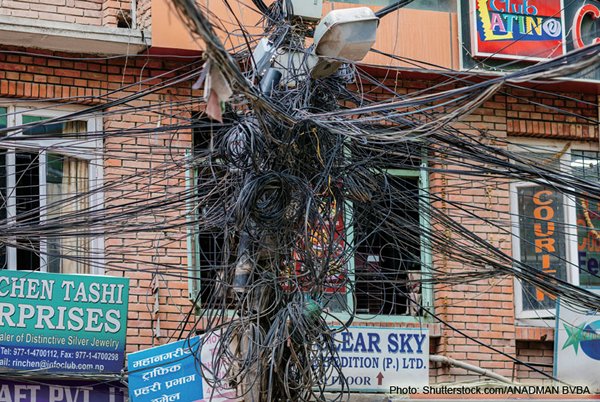
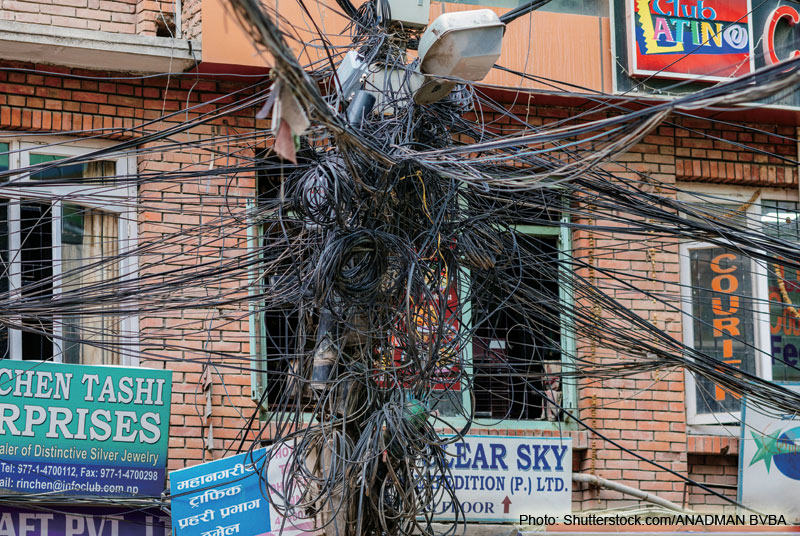
Faster, more reliable and cheaper internet access is seen as the first tangible sign of the enhanced co-operation between China and Nepal, envisaged as part of the Belt and Road Initiative (BRI) framework. The upgrade took place last month when China Telecom Global, a subsidiary of China Telecom, the Beijing-headquartered, state-owned telecoms giant, partnered with Telecom Nepal to offer an alternative to the country's existing India-channelled internet connection.
This new terrestrial internet gateway forms part of a major BRI infrastructure project that will see Nepal connected to Europe and the Americas via China. For its part, China Telecom has branded the development as a core component of the "BRI's information-centred high-speed link".
The new fibre-optic link is connected to the landlocked Himalayan country via the Kerung-Rasuwa border crossing and has been channelled through the Hong Kong Data Centre, one of the largest international data centres in Asia. Located in the Sai Kung district of the New Territories, this HK$5 billion (US$640 million), 71,000 sq m facility came online in the December of last year. Jointly operated by China Telecom Global, Daily-Tech, a Beijing-based internet infrastructure specialist, and Global Switch, a Hong Kong-based data-centre developer, this new facility is said to be both a large-scale data carrier and a regional technology hub.
The provision of China-Nepal cross-border internet connectivity was first mooted in 2013, but was significantly delayed by the 2015 earthquake that struck Nepal, leaving 9,000 people dead and rendering much of the proposed data access route inaccessible. Despite this, a formal agreement on the project was struck in Hong Kong in 2016, with the installation and testing phase completed in December 2017.
Overall, enhancing the speed, reliability and cost-effectiveness of Nepal's internet access has been seen as a priority, given the surge in demand from both individual users and the business sector. Of the country's 26.5 million people, 62.94% had internet access as of October 2017, up from 35.7% in October 2014, according to figures provided by the Nepal Telecommunications Authority (NTA).
Impressively, Nepal's online population has more than doubled since 2010, when less than 30% of Nepalis enjoyed internet access. As a sign of the country's appetite for digital communication, in the 12 months to October 2017, some 2.25 million new Nepali users were connected to the internet – approximately 250 every hour.
As has been the case elsewhere in developing Asia, the majority of Nepal's internet users go online via their mobile phones, with such usage given a further boost by the roll-out of 4G services that began last year. Summarising the country's changing digital profile, the NTA's 2017 annual report concluded: "The growth in internet penetration has been facilitated by increasing mobile connectivity across the country and, in particular, by the availability of browsers and data connections on even relatively inexpensive phones."
Although landlocked, Nepal is proving to be a coveted strategic location, with both China and India seeing it as playing a pivotal role in realising their wider commercial aspirations across South Asia. In a clear sign of its intentions to secure greater collaboration with the country, China accounted for about 58% of all of Nepal's foreign direct investment pledges in the first half of the country's current fiscal year. Clearly keen to capitalise on this interest from two of Asia's superpowers, Nepal has introduced a number of new legislative measures designed to facilitate such investment, including the Industrial Enterprises Act, the Special Economic Zone Act and the Foreign Investment Policy.
As of December last year, Nepal's Ministry of Finance was said to be considering 12 further BRI-related development proposals. These include a number of major road, rail, hydropower, transmission line and communication projects, as well as plans for a spectacular railway link connecting Kathmandu, the Nepali capital, with Tibet.
Geoff de Freitas, Special Correspondent, Kathmandu
Editor's picks
Trending articles


Hong Kong, ranked by the Heritage Foundation as the world’s freest economy for 23 consecutive years, is renowned for its straightforward business environment, one where most commercial activities can be conducted free from government intervention. Its transparent, low tax regime, as well as its free flows of capital and information, all combine to effectively lower overall operational costs, while enhancing efficiency, ultimately facilitating rapid access to international market opportunities. Although Hong Kong does not offer specific incentives to target foreign investors, mainland enterprises often see Hong Kong as their preferred service platform when pursuing Belt and Road opportunities, because of the economic and commercial benefits it provides.
Preferred Platform for Foreign Investors
As a result of globalisation, countries and regions are keen to compete for foreign investment. In order to attract investors, many countries – including China, Singapore and other ASEAN countries – have drawn up specific foreign investment policies. These often include items such as preferential terms of tax exemption or concession, discounts on the cost of resources such as land, or talent subsidies. They are designed to encourage multinational companies to set up business operations there, in the hope of stimulating local economic growth and employment.
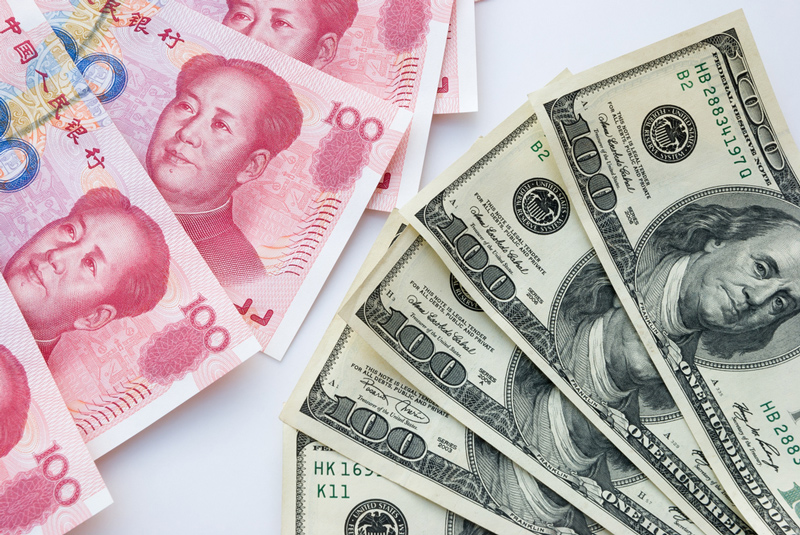
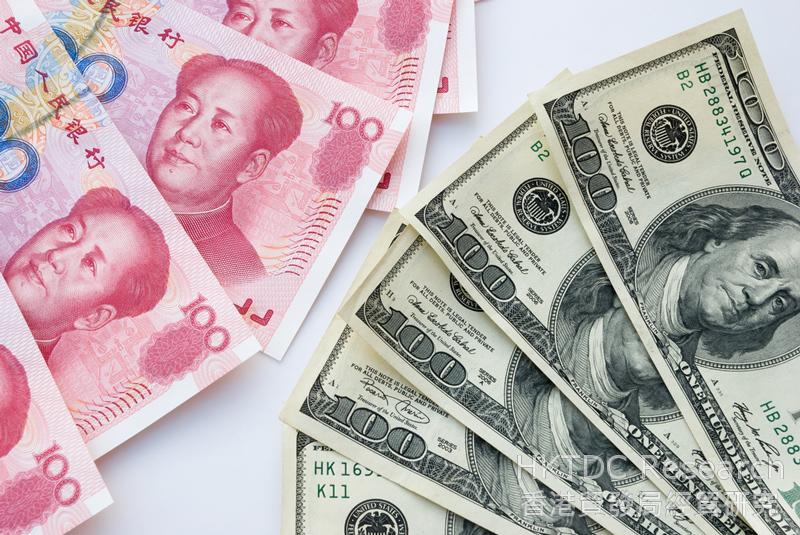
In contrast, Hong Kong does not offer any financial or other specific incentives to attract foreign investment. Yet it is one of the major recipients of foreign direct investment (FDI) in the world[1]. Hong Kong is the main stepping stone for foreign enterprises looking to invest on the Chinese mainland. Statistics show that, as of the end of 2016, 44.7% of approved foreign investment projects on the Chinese mainland were related to Hong Kong. Of the FDI that was actually utilised, a cumulative total of US$913.7 billion came from Hong Kong, 51.8% of the overall FDI inflow into China[2].
Hong Kong is also a major outbound investment platform for mainland enterprises. In 2016, the Chinese mainland made a total of US$114.2 billion worth of outbound direct investment (ODI) through Hong Kong, 58.2% of its overall ODI for the year. As of the end of 2016, a cumulative total of US$780.7 billion, or 57.5% of China’s cumulative ODI, had been made through Hong Kong[3]. The territory’s ability to attract foreign investment has made it the preferred platform both for foreign companies looking to invest on the Chinese mainland, and also for mainland Chinese enterprises wanting to invest overseas.
Market-oriented Business Environment

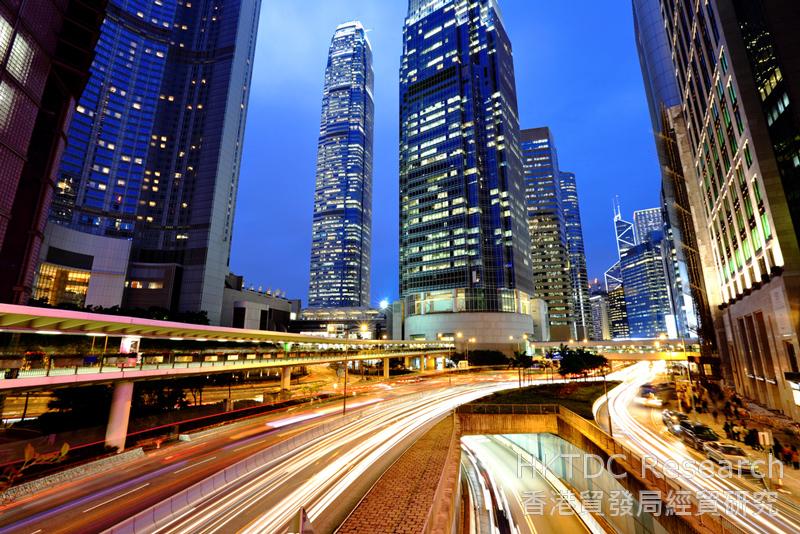
Unlike some Asian economies, Hong Kong does not offer specific preferential treatment to foreign companies. Indeed, any concessions and subsidies are available to all companies incorporated in Hong Kong, be they local businesses, or ones from the Chinese mainland or further afield. To discover whether this affected Hong Kong’s ability to compete for foreign investment against Asian economies which do offer preferential treatment, HKTDC Research and the Shanghai Municipal Commission of Commerce jointly interviewed a number of Hong Kong organisations and companies. The study found that although there were pressures on Hong Kong due to the competition in the region, this was more than offset by the territory focusing its development strategy on the provision of a favourable environment for businesses generally. Upholding the principles of impartiality and efficiency, Hong Kong offers a wide range of high-quality professional services to help businesses lower costs and take advantage of opportunities in international markets.
One example of this, often cited by Invest Hong Kong (InvestHK), is that no government approval is required to set up a regular company in Hong Kong. Another is that, because of its transparent low tax regime, the overall tax liability borne by a company in Hong Kong is lower than those in other economies, even those which offer specific tax incentives to foreign companies. Furthermore, Hong Kong’s world-class infrastructure, including international traffic and transport networks and communication facilities, means companies can connect easily and quickly with the Chinese mainland and other parts of the world. Other factors, such as the free flows of capital and information in Hong Kong, have made the territory one of the least restrictive economies in the world. All this has attracted ever increasing numbers of foreign investors who rely on Hong Kong as a service platform for expanding their operations in the Chinese mainland and international markets.
Support for foreign investors is also available through agencies such as InvestHK and other public institutions. They help investors find the professional services and staff they need; assist in liaising with other government departments and completing formalities such as applying for business licences and employment visas; put them in contact with local trade sectors; and provide consultation services to help companies apply for subsidies and start-up support from the Hong Kong government.
Shanghai-Hong Kong Co-operation in Tapping Global Business Opportunities
Under China’s Belt and Road Initiative, mainland enterprises have been stepping up their efforts to “go out” and go global. This is particularly true in the coastal areas that serve as China’s major centres for economic co-operation with foreign countries, and especially so in Shanghai and the Yangtze River Delta (YRD) region. In 2016, 83.4% of the Chinese mainland’s total ODI came from its eastern coastal areas, with Shanghai ranked first among all provinces and cities in terms of ODI volume. Companies in Shanghai and the YRD region have become increasingly active in working through Hong Kong to capture Belt and Road opportunities.


Against this backdrop, HKTDC Research and the Shanghai Municipal Commission of Commerce conducted a survey in Shanghai and the YRD region in the first quarter of 2017. Of those businesses who responded, nearly half (46%) said they regarded Hong Kong as their preferred destination for seeking professional services outside the mainland when looking to take advantage of Belt and Road opportunities[4].
Another survey, conducted by the same two organisations in Hong Kong in the 4th quarter of 2017, was aimed at assessing how Hong Kong can help mainland enterprises expand their international business. Many companies and organisations which responded to the survey acknowledged that local companies and foreign enterprises set up in Hong Kong enjoy the benefits offered by Hong Kong’s business environment.
Investors lacking a thorough knowledge of the picture, however, may be prone to presume that the absence of specific incentives has a negative effect on foreign investment in Hong Kong. Yet once they evaluate the overall costs and benefits available to their projects, it becomes clear that Hong Kong is the ideal and efficient service platform for their investment.
Given that Shanghai and other mainland provinces and cities are stepping up their efforts to strengthen co-operation with Belt and Road countries, Hong Kong is the ideal service platform to support the Chinese mainland, both in making overseas investments and in attracting foreign investors.
Note: For details of the company interviews conducted jointly by HKTDC Research and the Shanghai Municipal Commission of Commerce, please refer to other articles in the research series on Shanghai-Hong Kong Co-operation in Capturing Belt and Road Opportunities.
[1] According to the World Investment Report 2017 published by the United Nations Conference on Trade and Development (UNCTAD), Hong Kong was the 4th largest recipient of FDI in the world in 2016, behind the US, UK and Chinese mainland.
[2] Source: China Monthly Statistics
[3] Source: Statistical Bulletin on China’s Outward Foreign Direct Investment 2016
[4] For further details of the survey results, please refer to: Hong Kong Services Help Yangtze River Delta Enterprises Capture Belt and Road Opportunities
Editor's picks
Trending articles
Thanks to the active overseas investment of Chinese enterprises in recent years and the Chinese government’s advancement of the Belt and Road Initiative, China was the world’s third-largest source of foreign investment for the fourth consecutive year in 2015. In fact, many mainland enterprises are stepping up their efforts in “going out” to look for brands, technologies and other resources to boost their competitiveness, while bringing in the advantages of foreign partners as a way to further develop Chinese and overseas markets.
HKTDC Research recently conducted a questionnaire survey with enterprises in western China. The results reveal that in order to deal with such challenges as securing financing, escalating production costs and market slowdowns, mainland enterprises are keen to seek outside professional services to help them achieve transformation and upgrading. These range from brand design and promotion strategies, to marketing and product research and development (R&D), to financial and legal services.
Moreover, the majority of enterprises surveyed said they would consider “going out” further to tap business opportunities in countries along the Belt and Road routes, particularly in ASEAN countries and other Southeast Asian markets. As well as aiming to sell more industrial/light consumer products to Belt and Road markets, they also wish to carry out sourcing and investment activities such as setting up factories.
The largest proportion of the surveyed enterprises (50%) said that, in the course of “going out”, they would be most interested in going to Hong Kong to seek professional supporting services and business partners. This is in line with the results of similar surveys carried out by HKTDC Research in the past three years, namely in the Pearl River Delta (PRD) in 2013, the Yangtze River Delta (YRD) in 2014 and the Bohai Rim in 2015. Therefore, whether in the coastal regions or in western China, it is apparent that Hong Kong is the preferred services platform for mainland enterprises intent on “going out”.
New Pattern of Opening Up Under the 13th Five-Year Plan


China is not only a leading destination for foreign direct investment (FDI), but it also ranks among the world’s top sources of FDI. Indeed, China has in recent years significantly relaxed its administrative measures on outbound investment in order to facilitate the “going out” of enterprises to invest overseas. Furthermore, the Belt and Road Initiative strengthens mutually beneficial co-operation with countries along its economic corridors.
Adopted in March 2016, China’s 13th Five-Year Plan[1] stresses the need to establish a new pattern of all-round opening up in the next five years (2016-2020). It encourages enterprises to “go out” to establish sales networks in foreign markets and to bring in the advantages of foreign partners to enhance competitiveness. Meanwhile, bilateral and multilateral co-operation mechanisms will be improved to encourage co-operation and investment in countries along the Belt and Road routes, infrastructure connectivity and trade facilitation advanced, and co-operation in energy and industry chains strengthened. It can therefore be expected that China’s outbound investment activities will see further expansion.
(For further details, please see Opportunities Arising from China’s 13th Five-Year Plan: An Overview.)
The World’s Third-Largest FDI Source
According to the latest United Nations Conference on Trade and Development (UNCTAD) figures[2], for four straight years since 2012 China has been the world’s third-largest source of FDI. China’s total outward FDI flows have increased from US$123.1 billion in 2014 to about US$127.6 billion in 2015, trailing only the United States (US$300 billion) and Japan (US$128.7 billion).
Although China has entered into a “new normal” of slower economic growth in the past few years, it has gradually become a main investor in certain developed countries. In particular, investment through cross-border mergers and acquisitions has been increasing, and has moved away from the previous pattern of focusing on energy and natural resources to a diversified pattern covering wholesale and retail, transportation and shipping/warehousing, and real property development. Furthermore, many Chinese enterprises have engaged with their foreign partners in co-operation projects involving technology, or are carrying out various types of commercial co-operation activities with foreign brands, as a way to further develop Chinese and overseas markets.


Meanwhile, China’s direct investment in Belt and Road countries is continually increasing, rising substantially from about US$400 million in 2004 to US$13.66 billion in 2014, an average annual increase of about 43%. Ministry of Commerce figures show that in 2015 Chinese enterprises made non-financial sector direct investment totalling US$14.8 billion (+18.2%) to 49 Belt and Road countries, accounting for 12.6% of China’s total non-financial sector direct investment that year. The investment flows were mainly directed towards Singapore, Kazakhstan, Laos, Indonesia and Russia.
It is worth noting that a considerable number of Chinese enterprises choose Hong Kong as their main channel for carrying out outbound investment – not only because Hong Kong is an international financial centre in the region with such advantages as free flow of capital. Abundant global communications and market network resources, as well as the availability of a complete range of professional services, are also key factors attracting mainland enterprises to use the Hong Kong platform in “going out”.
According to Ministry of Commerce figures, in 2014 the Chinese mainland routed US$70.9 billion in outward FDI through Hong Kong, accounting for 57.6% of the mainland’s total FDI outflows that year. Based on cumulative investment stock as at the end of 2014, the mainland has made US$509.9 billion in outward FDI through Hong Kong, accounting for 57.8% of the mainland’s outward FDI stock.[3]


Hong Kong: a Preferred Platform
Many cities and economic regions along China’s coast have been open to the outside world for many years. As China’s economy and investment outflows expand, coastal regions, provinces and cities, such as the PRD, YRD and Bohai Rim, have become main sources of outbound investment. On the other hand, with the western region including Sichuan province and Chongqing municipal benefiting from the Western Development strategy and other preferential policies, and with the efforts of provinces and cities concerned in attracting outside businesses and capital, the economy in the western region has been developing rapidly. Western China has always been an important gateway, a trading and logistics hub and an industry exchange ground connecting to Central Asia, South Asia and West Asia, and now enterprises in the region are also developing related investment and trading opportunities under the country’s “going out” and Belt and Road initiatives.
In May 2016, HKTDC Research conducted a questionnaire survey at the SmartHK fair held in Chengdu, the capital city of Sichuan province. As well as seeking to understand what challenges enterprises in western China are facing in their operations, the survey also aimed to find out about their intentions concerning transformation and upgrading, in “going out” to tap Belt and Road business opportunities, and their demand for professional services.
The survey followed similar studies carried out by HKTDC Research in the past three years in the PRD (2013), the YRD (2014) and Bohai Rim (2015) regions.[4] In the current survey, 237 effective questionnaires were completed by mainland enterprises (comprising trading companies, manufacturers and service suppliers) mainly from Sichuan, Chongqing and elsewhere in the western region.[5] The opinions of these 237 mainland enterprises on “going out” to tap Belt and Road business opportunities are outlined below.[6]


Challenges in Business Operations
Of the enterprises surveyed, 96% said they had come across different types of challenges in their operations in the past year. The three main problems they faced were (1) difficulties in financing; (2) rising labour, land and/or other production costs; and (3) a weak mainland market and inadequate orders. These accounted for 39%, 38% and 36%, respectively, of the enterprises surveyed.
In addition, 26% of the enterprises indicated they were worried about their lack of capability in product design and technological R&D; 22% pointed out that, in the face of keen competition in the international markets, they lacked competitive brands to help develop international markets and business; and 20% said they were affected by weak international markets and inadequate orders. By comparison, relatively few enterprises (only 9% of those surveyed) said the volatile renminbi exchange rate, including depreciation of the currencies in their target markets, was a hindrance.


Adjusting Operating Strategy
Confronted with market competition and other challenges, 95% of the enterprises surveyed said they had already adjusted their business and operating strategies and made relevant investment, or would consider doing so in the next one to three years. As to the direction of adjustments in business and operating strategies, most enterprises indicated they would do more to develop overseas markets, accounting for 44% of all enterprises surveyed (including 29% saying they would do more to develop overseas mature markets and 25% saying they would do more to develop overseas emerging markets). In addition, 43% said they would develop/strengthen their own-brand business, while 41% said they would like to do more to develop the Chinese mainland market.
Compared with the results of previous surveys, enterprises in western China appeared to be as keen as their PRD counterparts in wanting to develop both overseas markets and the Chinese mainland market. In comparison, enterprises in the YRD and Bohai Rim regions were more concerned with bringing in foreign advantages to develop the mainland market, showing that the development strategies of enterprises in different regions were not all the same.


Intention of Tapping Belt and Road Opportunities
In the current survey, enterprises were also asked about their opinion on Belt and Road opportunities. Among all the enterprises surveyed, 81% said they would consider tapping opportunities in countries along Belt and Road routes in the next one to three years. Among these enterprises, most (65%) said they would like to sell more industrial products and light consumer goods to Belt and Road markets. A smaller proportion of the enterprises (34%) would like to go to Belt and Road countries to carry out sourcing activities, including the sourcing of consumer goods/food products to sell in the mainland market or the sourcing of raw materials for production on the mainland. Some enterprises (26%) would like to invest and set up factories in Belt and Road countries. In addition, 17% would like to set up transit warehouses in overseas locations including Belt and Road countries to enhance international logistics efficiency.
On the other hand, more than half of the enterprises (53%) said they would be most interested in going to Southeast Asia, such as ASEAN countries, to tap Belt and Road opportunities. Other locations of interest included South Asia (27%), Central and West Asia (20%), Central and Eastern Europe (19%) and the Middle East and Africa (18%).


Keen Demand for Hong Kong and Overseas Services
Facing all types of business and operating challenges and aiming to advance transformation and upgrading, the enterprises surveyed were keen for various types of professional services. In line with the results of HKTDC’s surveys conducted previously in the PRD, YRD and Bohai Rim regions, the three main types of services most sought by western China enterprises were: (1) brand design and promotion strategy; (2) marketing strategy for the development of new business and new markets (including the development of Belt and Road markets); and (3) product development and design. These accounted for 46%, 45% and 44%, respectively, of the enterprises surveyed. This shows that, irrespective of the direction of transformation and upgrading of mainland enterprises or the focus of their operating strategies, the professional services needs of enterprises from different regions are more or less the same.
Other services western China enterprises need to seek from the outside included: marketing activities tailored to overseas markets, including Belt and Road markets (37%); financial services such as banking, financing and project valuation (36%); services in energy conservation, emission reduction and environmental protection technology (33%); and supply chain management and support services, such as materials and product inventory and logistics management (31%). Of those enterprises surveyed requiring these services, more than 60% indicated they would use the services provided by Hong Kong or overseas suppliers, with the exception of energy conservation and environmental protection technology.


“Going out” To Seek Business Partners
Meanwhile, 81% of the enterprises surveyed expressed an interest in seeking, or had already “gone out” to seek, business partners overseas. The majority of the enterprises (about 50%) said they were interested in co-operating with foreign brands to increase sales. This is similar to the results from the surveys previously conducted in the PRD, YRD and Bohai Rim regions. (Coincidentally, enterprises from different regions considered brand co-operation as their top reason for seeking foreign partners.)
In addition, 22% of the western China enterprises surveyed said they would like to acquire minority equity stakes in foreign companies to expand their overseas/mainland sales networks, 20% would like to enter into technological co-operation with overseas institutions, while 15% would like to redouble their efforts in purchasing high-tech equipment, raw materials and key parts and components from overseas.


Hong Kong as the Preferred Services Platform for the Mainland’s “Going Out”
About half (50%) of the enterprises surveyed indicated they would like to go to Hong Kong to seek the professional services mentioned above and/or to look for foreign business partners. Although this proportion is slightly lower than in the previous three surveys, Hong Kong remains the “going out” platform preferred by most western China enterprises, and attracts the preference of a much higher proportion of enterprises surveyed than other locations such as the US, Germany, Taiwan, Japan and Singapore, which account for 26%, 20%, 19%, 17% and 14%, respectively, of the enterprises surveyed. It is therefore apparent that, irrespective of the location of a mainland enterprise or whether it is from the PRD, YRD, Bohai Rim or China’s western region, Hong Kong is the preferred services platform for “going out” from the mainland.


[1] The 13th Five-Year Plan refers to the Outline of the 13th Five-Year Plan for National Economic and Social Development of the People’s Republic of China adopted at the fourth session of the 12th National People’s Congress in March 2016.
[2] World Investment Report 2016, UNCTAD.
[3] Source: 2014 Statistical Bulletin of China’s Outward Foreign Direct Investment.
[4] For the research topics and results of the surveys conducted respectively in the PRD, YRD and Bohai Rim, please see Guangdong: Hong Kong Service Opportunities Amid China’s “Going Out” Strategy published in December 2013; China’s “Going Out” Initiative: Jiangsu/YRD Demand for Professional Services published in September 2014; and China’s “Going Out” Initiatives: Professional Services Demand in Bohai published in September 2015.
[5] The HKTDC held a SmartHK Expo fair at Chengdu Century City New International Exhibition & Convention Centre on 12-13 May 2016. During the CEO Forum and four thematic seminar sessions related to “going out” to tap Belt and Road opportunities, HKTDC Research conducted a questionnaire survey on the attendees. Of the 469 questionnaires collected afterwards, 237 were deemed to be effective ones filled out by mainland enterprises (including trading companies, manufacturers and service suppliers).
[6] The options in the current survey are slightly different from those in the three previous surveys, so only some of the results can be compared.
Editor's picks
Trending articles


At the fifth plenary session of the 18th Central Committee of the Communist Party of China, held on 29 October 2015, the Suggestions of the Central Committee of the Communist Party of China on the 13th Five-Year Plan for National Economic and Social Development (Suggestions) were passed. It was later stated at a State Council Executive Meeting that the 13th Five-Year Plan (2016-2020) will be formulated according to the Suggestions [1].
President Xi Jinping and Premier Li Keqiang also remarked that the core goals of the 13th Five-Year Plan are to build a “moderately well-off society” and to overcome such challenges as the “medium-income trap”. While efforts will be made to optimise the economic structure, improve the environment, and enhance the quality and benefit of development, steps will be taken to achieve economic growth. Specific goals include: [2]
Maintaining economic growth at a medium to high speed, with average annual growth over 6.5%
Raising per-capita GDP to US$12,000 (up from around US$7,600 in 2014)
Accelerating industrial upgrade and propelling the economy to develop at medium to high level
Balancing urban and rural development and ecological construction
Strengthening social fairness and justice and balanced development
Where Hong Kong is concerned, the Suggestions mention that efforts will be made to deepen the joint development of the mainland and Hong Kong (as well as Macau and Taiwan), including giving support to Hong Kong to strengthen its position as an international financial, shipping and trading centre; participate in China’s two-way opening-up and Belt and Road Initiative; consolidate its position as a global hub for offshore renminbi business; and deepen Guangdong-Hong Kong-Macau cooperation.
From the Suggestions and the statements made by the leaders, it can be gathered that the 13th Five-Year Plan to be launched next year is likely to cover the following development directions, which can bring about new opportunities for Hong Kong players.
Encourage Innovation and Enhance Quality of Economic Development
According to the Suggestions, the 13th Five-Year Plan will place emphasis on advancing mass entrepreneurship, encouraging technological innovation, and promoting the development of new industries, in a bid to inject new vigour into the economy. It will focus on developing high technology and high value-added industries, while strengthening supporting infrastructure, revamping related financial systems, and improving the business environment to promote further growth of related industries. The target industries and development sectors will include:


Developing emerging industries
This includes developing such emerging industries as energy saving and environmental protection, biotechnology, information technology, smart manufacturing, high-end equipment, and new energy, as well as giving support to traditional industries to undergo upgrade.
Bolstering infrastructure construction and encouraging innovation
This includes building high-speed and safe next-generation information infrastructure, as well as quickening the pace of implementing the “Internet +” action plans, developing IoT (Internet of Things) and big data technology and application, and formulating plans to develop the next generation of Internet and related technology.
Encouraging corporate innovation
Efforts will be made to encourage R&D, strengthen technology integration capability, and import technology from abroad, targeting advanced technologies including next-generation information communication, new energy, new materials, aviation and space, biomedicine, and smart manufacturing. Action will also be taken to improve tax concession policies for corporate R&D expenses, and expand preferential treatment for accelerated depreciation of fixed assets to encourage enterprises to replace their equipment and apply new technology.
Steps will be taken to encourage mainland industries to develop from “Made in China” to “Created in China”, and to achieve the task of industrial upgrade moving “from big to strong”. This includes raising the level of product technology, technical equipment, energy efficiency and environmental protection across the board, as well as liberalising market access for modern services in a bid to promote development of the specialised high-value producer service industry, and assist the manufacturing industry in increasing value-added.
Developing new systems
Action will be taken to simplify the industry and commerce administration systems, accelerate the pace of financial system reform, raise the efficiency of the financial sector in serving the real economy, and further develop the capital market in a bid to lower the financing costs of medium, small and micro enterprises.
Based on the above development directions, it can be expected that implementation of the 13th Five-Year Plan will boost the mainland’s demand for various types of new and high technology. However, in certain high-tech industries such as IoT applications and development of the next-generation Internet, as China is currently still short of total and standard solutions and lacks user experience in certain areas, related R&D and technology application is somewhat constrained. Hong Kong’s technical personnel, who are well-versed in advanced foreign technology and excel in using technologies developed by international standards/frameworks to provide technological and management system solutions, can assist in the commercialisation of related projects in the mainland and meet the technological demands listed in the 13th Five-Year Plan.
Meanwhile, the mainland hopes to make use of innovation to facilitate industrial upgrades. For instance, the policy paper “Made in China 2025” stated that enterprises will be encouraged to strengthen their product design capability and brand building so that more enterprises will shift from OEM to ODM, as well as develop their own branded business. This should provide opportunities for Hong Kong’s design and branding service suppliers. A recent survey conducted by the Hong Kong Trade Development Council found that mainland enterprises wish to obtain service support from Hong Kong or foreign countries in the following areas: (i) product development and design; (ii) brand design and promotional strategy; and (iii) marketing strategy. [3]
Hong Kong, as an international financial centre in the region, can provide mainland enterprises with the necessary loan and financing services, such as providing cost-effective capital for relevant technology and industrial projects, helping mainland enterprises to lower financial cost. Also, as Hong Kong is one of the largest venture capital management centres in Asia, a large number of top-notch international fund managers wishing to grasp business opportunities in China have already established a foothold in Hong Kong, which can offer more financing channels for mainland enterprises. It can be expected that during the 13th Five-Year Plan period the mainland will further open up its financial services market, this should bring about more opportunities for Hong Kong financial service suppliers to enter the mainland market.
Balanced Regional Development
The Suggestions also stress that during the 13th Five-Year Plan period efforts will be made to strengthen the balanced development of various regions, including placing equal emphasis on urban and rural development, as well as synchronising the pace of development of the more developed eastern coastal region with that of the central and western regions. The emphasis of the plan is expected to include:
Advancing coordinated regional development
This includes deepening the Go West initiative and promoting development of the central region. Emphasis will be placed on encouraging the coordinated development of certain regions, such as advancing the coordinated development of the Beijing-Tianjin-Hebei region and the Yangtze River Economic Belt. Regional development will be achieved by way of optimising urban development planning, encouraging regional transportation integration, and improving regional environmental planning.
Advancing new urbanisation construction
Steps will be taken to advance a people-centred new urbanisation plan; enhance the level of urban planning, construction and management; deepen household registration system reform; and assist rural migrants capable of working steadily in urban areas in obtaining urban resident status.
The importance attached by the Suggestions to the strategy of balanced development of the eastern and western regions and urban and rural areas aims to tackle problems brought about by disparities in regional development in the past and by the rapid pace of urbanisation of some localities. These problems include:
Insufficient transport facilities, environmental resources and supporting municipal facilities in certain city clusters
The polarised development of the urban and rural areas has quickened the pace of people flow into cities, increasing the pressure on urban development
As the pressure on the transportation and communication systems continues to grow, the efficiency of logistics services is in dire need of improvement
Water and air pollution problems are increasingly serious, creating a strong demand for environmental services, such as energy saving and emission reduction


The rate of urbanisation in the mainland rose rapidly from 36% in 2000 to 55% in 2014. The pace is particularly fast in more developed regions, for instance, the urbanisation rate in some of the YRD provinces exceeds 65%, which has created the problems mentioned above. [4] In view of this, the 13th Five-Year Plan is likely to take a further step in making “new” urbanisation a development direction, devoting great efforts to enriching the content of urban and rural development and making the enhancement of urban quality a development objective, instead of simply seeking urban construction or expanding the boundary of cities.
Against this backdrop, the 13th Five-Year Plan will not only bring about the upgraded development of coastal cities, but will also stimulate the construction and economic activities of urban and rural areas in the central and western regions, as well as the old industrial regions in the northeast. For instance, where building new city clusters is concerned, efforts will be made to strengthen the construction of daily-life supporting facilities in the relevant urban and rural areas, and to upgrade infrastructure, such as cross-regional intercity and trans-regional transport systems.
Hong Kong is not only an international financial centre, but also an important commercial services platform in the Asia-Pacific region. With a pool of local and foreign infrastructure construction service suppliers in extensive fields, Hong Kong has rich experience in different modes of urban development and management. Meanwhile, in the mainland, as the scope of urban construction continues to expand, infrastructure enterprises with comprehensive service abilities are needed to satisfy market demand for infrastructure and overall planning services. Also, as mainlanders’ income level continues to rise, they are becoming more demanding where the quality of urbanisation is concerned. Hence, when government departments in charge of planning and developers set out to advance urbanisation, priority is given to development quality over speed and quantity. This will create opportunities for qualified service suppliers wishing to tap the China market.
On the other hand, regional development and urbanisation are bound to change the urban landscape rapidly in different regions. The emergence of new commercial districts will prompt the distribution and retail sector to shift toward modern business modes, as well as bolster development of the consumer market in small coastal cities and in the central and western regions. However, Hong Kong companies wishing to enter these “emerging markets” must assess local purchasing power, pay attention to the consumption pattern of different cities, and avoid intense price competition from online businesses.
Moreover, under the 13th Five-Year Plan, the mainland may quicken its pace of building smart city clusters and apply next-generation information technology to raise the efficiency of city management. This should directly boost the demand for the application of IoT technology in a number of areas, such as transport, environmental monitoring and municipal management, generating opportunities for relevant service suppliers to enter the market.
As development of the transport logistics network in the mainland becomes increasingly mature, it will promote the further development of logistics services and e-commerce. For instance, as the mainland’s demand for cold chain logistics is rising rapidly, it is in urgent need of importing advanced cold chain solutions in order to raise overall operation efficiency and quality. Moreover, while domestic online shopping is growing in leaps and bounds in the mainland, cross-border e-commerce and related logistics services have yet to develop. In comparison, Hong Kong not only has rich experience in cold chain logistics management but also a sound e-commerce and logistics platform. Hong Kong is therefore well positioned to capture additional opportunities created by the 13th Five-Year Plan.
Sustainability is Main Development Strategy
Both the Suggestions and the leadership have stressed on many occasions that, while efforts will be made to advance social and economic construction, action will also be taken to accelerate the building of a resource-efficient, eco-friendly society and strengthen environmental protection in order to ensure sustainable social and economic development. In fact, the extensive growth mode of China’s economic development in the past has caused serious environmental pollution, with the resulting economic cost and social problems arousing great concern from both the government and the general public. Against this background, it can be expected that the 13th Five-Year Plan will include the following development plans:
Strengthening environmental protection measures
Action will be taken to implement the green city development plan, strengthen clean production management, encourage enterprises to upgrade and revamp their technical equipment, develop green finance to help enterprises strengthen environmental management and green operation, and encourage society to pursue green consumption.
Tightening pollution control
This includes optimising the industrial structure of the developed Beijing-Tianjin-Hebei, YRD and PRD regions and encouraging these regions to move towards high-end production and low pollution. In key ecological functional zones, the negative list will apply to industrial market access; greater efforts will be made to contain air, water and soil pollution; regulatory requirements for industrial pollution sources to meet emission standards will be fully implemented; urban domestic sewage and refuse treatment will be fully advanced; and enforcement of relevant laws will be strengthened.
Developing environmental protection and related industries
This includes expediting energy technology innovation; encouraging the development of the new energy industry, such as wind, solar, bio, water and geothermal energy; strengthening smart power grid construction; continuing to promote the development of the new energy car industry; popularising green construction; and boosting development of the waste recycling system and industry.
During the 13th Five-Year Plan period, the mainland will further strengthen energy saving, emission reduction and environmental protection policies. In particular, the new Environmental Protection Law, which came into effect on 1 January 2015, aims to tackle environmental pollution issues, including authorising environmental protection departments to close down facilities which have caused serious environmental pollution and to order units emitting excessive pollutants to limit or cease production; as well as impose heavier penalties and punishment on non-compliance. [5]


The demand of mainland enterprises and relevant units for environmental protection services such as energy saving and pollution prevention and containment is bound to rise rapidly. These enterprises, while facing more stringent legal requirements, are also encouraged by government policies, such as green finance measures. As such, they will take greater initiative to seek environmental protection services in order to meet requirements for energy saving, emission reduction and emission standards. In view of this, the 13th Five-Year Plan should provide environmental protection service and technology companies possessing the right technology and expertise with extensive room for market expansion.
Hong Kong’s environmental protection companies and technical personnel have accumulated rich experience in specialised project management throughout the years. As such, they possess advantages in providing one-stop services and excel in combining advanced environmental protection technology in foreign countries with low cost parts and components in the mainland. With the support of various financial services in Hong Kong, they can also provide mainland clients with project financing services, such as performance contracting for energy and water efficiency, hence they are well-positioned to make a foray into the mainland environmental protection market. This, coupled with Hong Kong’s favourable business environment, has made Hong Kong companies ideal cooperation partners for foreign environmental protection technology players interested in undertaking technology transfer and licensing in the mainland.
It is worth noting that Hong Kong companies wishing to capitalise on the environmental protection opportunities in the mainland have to obtain a qualification licence issued by the relevant department of the mainland government. For instance, if they wish to provide environmental protection system engineering design services or environmental protection facilities operation services, they may need to obtain a qualification licence from the national or local environmental protection department. However, CEPA [6] has introduced a lot of liberalisation measures facilitating Hong Kong companies’ provision of environmental protection services in the mainland (including establishing wholly-owned enterprises in the mainland to provide such services as sewage and waste treatment) and to apply for qualifications to operate environmental pollution control facilities. Furthermore, as Hong Kong has signed an agreement on the liberalisation of trade in services with the mainland, Hong Kong service suppliers entering the mainland environmental protection market are entitled to national treatment. This has given Hong Kong companies the advantage of entering the mainland environmental protection market earlier than their foreign counterparts. [7]
New Horizon in Opening Up
In recent years China has significantly liberalised administrative measures on outbound investment to encourage enterprises to “go out” and invest overseas in a move to establish sales networks in foreign markets and at the same time “bring in” the advantages of foreign partners, in order to enhance competitiveness and seek transformation and upgrade. Meanwhile, China is proactively encouraging free trade zones in Shanghai, Guangdong, Tianjin and Fujian to open up, as well as advancing the Belt and Road initiative in the hope of capitalising on the comparative advantages of the PRD, YRD and Bohai Rim in order to strengthen economic ties with countries along the route. Against this backdrop, the Suggestions point out that the 13th Five-Year Plan should strengthen the following liberalisation measures and development directions:
Strengthening two-way opening up
Steps will be taken to strengthen the construction of ports and infrastructure facilities in inland border areas, build cross-border multimodal transport corridors, and bolster the development of border economic cooperation zones and cross-border economic cooperation zones. Efforts will be made to expedite the optimisation and upgrade of foreign trade, further develop trade in services, implement positive import policies, and further open up the market to the rest of the world.
New opening-up measures
Action will be taken to encourage enterprises to expand outbound investment and promote “going out” with their equipment, technology and services so that Chinese industries can integrate further with global industry and logistics chains. Meanwhile, efforts will be devoted to encouraging the development of new trade modes, such as cross-border e-commerce, and advancing the construction of free trade zones and related opening-up measures. Besides, steps will be taken to further open up the service sector to the outside world, especially expanding the two-way opening-up of the financial sector, orderly realising convertibility of the RMB under the capital account and paving the way for internationalisation of the RMB.
Advancing the Belt and Road initiative
This includes improving bilateral and multilateral cooperation mechanisms, encouraging enterprises to invest in countries and regions along the route, advancing infrastructure connectivity, and strengthening energy cooperation in a bid to jointly build an offshore industry cluster and establish a local industry system. At the same time, cooperation in such areas as education, technology, culture and environmental protection will be unfolded. Detailed measures include enhancing cooperation with international financial institutions; participating in the establishment of the Asian Infrastructure Investment Bank and New Development Bank BRICS; giving full play to the Silk Road Fund; and attracting international funds to jointly build a diversified financial cooperation platform.
The 13th Five-Year Plan enhances foreign trade and economic cooperation and introduces positive import policies, and the mainland encourages Guangdong and Hong Kong to jointly expand the international market and strengthen trade ties with economies along the Maritime Silk Road. These efforts should help to consolidate Hong Kong’s position as a trade and shipping hub in the Asia-Pacific region.


The deepening of the opening-up policies in Guangdong and other free trade zones under the 13th Five-Year Plan, and the deepening of liberalisation of trade in services between Guangdong and Hong Kong under the CEPA framework, will further increase the room for Hong Kong companies to enter the Guangdong and the entire mainland market.
Where further financial sector opening up is concerned, in recent years many Hong Kong companies have proactively taken advantage of the mainland’s liberalising financial policies and CEPA concessions to gradually participate in the mainland financial market, set up networks and accumulate practical operation experience. Today, Hong Kong is a leading RMB offshore trading centre and has developed cross-boundary RMB lending business via Qianhai. All these factors will give Hong Kong financial players the first-mover advantage during the 13th Five-Year Plan period when the mainland further liberalises related policies.
Moreover, China’s Belt and Road initiative will further encourage mainland enterprises to invest in countries along the route. Hong Kong has always been acting as the bridgehead for the mainland’s foreign trade and economic cooperation activities, and is also the mainland’s preferred service platform for making offshore investments. In the past, Hong Kong has handled trade and investment business in overseas markets for a lot of mainland enterprises, providing a full range of professional services, such as financial, legal, taxation, sustainable operation risk assessment, and international certification and inspection services. With the 13th Five-Year Plan strengthening the “going out” strategy and advancing the Belt and Road initiative, it can be expected that more opportunities will be made available to Hong Kong service suppliers.
Raise Level of Social Development
The Suggestions also mention that efforts will be made to strengthen public services, enhance the quality of education, and guarantee people’s basic livelihood in order that the country will evolve into a moderately well-off society. Therefore, it can be expected that where social development is concerned, the 13th Five-Year Plan will cover the following directions for reform and development:
Promoting balanced growth of the population
The two-child policy will be fully implemented, proactive action will be taken to tackle the problem of ageing population, and the elderly care service market will be fully liberalised.
Reforming the social security system
This includes improving the employee pension insurance system, broadening social insurance fund investment channels, strengthening risk management, and raising investment return rate. Action will be taken to improve the sustainable development of the medical insurance system and deepen medical and health system reform, including introducing separation of consultation from medication, and establishing a basic medical and health system and modern hospital management system covering both urban and rural areas.
Tightening food safety
Steps will be taken to advance a stringent and highly efficient food safety management system.
In a bid to promote balanced growth of the population, the two-child policy will be fully implemented during the 13th Five-Year Plan period. This represents a step to be taken to further improve the country’s population control policy after introducing the policy of allowing single-child parents to have two children in November 2013. According to the estimates of the National Health and Family Planning Commission, the new second child generation will mainly concentrate in urban areas, accounting for 76% of all newly born second children. It is projected that by the year 2030 China’s total population will reach 1.45 billion. And by 2050, the population of the labour force aged 15-59 will increase by about 30 million, this will help alleviate the problem of population ageing and contribute to population structure optimisation.


In the short term, introduction of the two-child policy can directly stimulate the demand for maternity, baby and infant products and services, such as food, health food, daily use articles, as well as mother and child health service and child care service. In the long run, it will boost the demand for housing, education and medical care. As mainland parents are attaching more and more importance to product quality and safety, as well as the level of professional services, such as education and medical care, Hong Kong companies can capture the opportunities arising from this new development.
Moreover, the 13th Five-Year Plan’s aim to accelerate the pace of old-age insurance and medical insurance system reform is bound to stimulate the growth of the insurance market. Currently, as China liberalises its financial and services markets, financial and insurance industry players stand to benefit from the emerging market opportunities.
As China’s population gradually ages and the pace of life quickens in tandem with rapid urbanisation, the health care expenses of mainlanders continue to rise, particularly the case with middle-class or above citizens. Coupled with the proposal put forward in the 13th Five-Year Plan for medical system reform and market liberalisation, this will generate opportunities for Hong Kong service suppliers in related fields.
Hong Kong medical service suppliers, by combining health, medical and leisure services and taking advantage of the policy offered by the mainland allowing Hong Kong players to set up wholly-owned hospitals and traditional Chinese medicine hospitals in the mainland on a pilot basis starting from mid-2014, can tap the mainland’s high-end health and medical services market. Apart from capitalising on Hong Kong’s financial services to offer strategic recommendations on financing arrangements for these health and medical projects, Hong Kong companies can also make use of next-generation IoT technology and their experience in providing sustainable medical care service to Hong Kong’s diversified community in the form of private institution to offer custom-made management solutions to mainland projects.
The 13th Five-Year Plan also devotes great efforts to food safety. It can be expected that the mainland government will strengthen food safety system management as well as food certification, supervision and random check measures in a move to protect public health. At the same time, in order to boost consumer confidence, many food production enterprises have joined voluntary food certification schemes, including food safety and green and organic certification.
These developments will directly bolster market demand for food testing, inspection and certification services. Under CEPA, Hong Kong companies are granted concession to enter the mainland testing and inspection service market, this includes allowing Hong Kong testing and inspection organisations offering certification services to expand their business scope to cover food products and voluntary food certification in Guangdong province on a pilot basis. This can help Hong Kong industry players to capture opportunities arising from the 13th Five-Year Plan.
[1] For more details, please see: http://www.gov.cn/guowuyuan/2015-10/31/content_2957504.htm (31 October 2015); http://www.gov.cn/guowuyuan/2015-11/05/content_5004881.htm (4 November 2015)
[2] For more details, please see: http://news.xinhuanet.com/ttgg/2015-11/03/c_1117029621.htm (3 November 2015); http://www.gov.cn/guowuyuan/2015-11/10/content_5006876.htm (10 November 2015)
[3] For details, please see HKTDC research report: Outbound Investment of Chinese Enterprises: Hong Kong the First Port of Call for Professional Services
[4] Source: China Statistical Yearbook
[5] For more details, please see HKTDC research article: Green Opportunities in the Yangtze River Delta amid China’s Urbanisation Drive
[6] CEPA here refers to the Mainland and Hong Kong Closer Economic Partnership Arrangement and its supplementary agreements.
[7] For more details about CEPA, please see HKTDC industry profile: Environmental Protection Industry in Hong Kong
Editor's picks
Trending articles
China's Belt and Road Initiative specifically states that Fujian is to become the core area of the "21st Century Maritime Silk Road". One of the goals of the Fujian Free Trade Zone (FJFTZ) [1] is to expand exchanges and cooperation with countries and regions along this Maritime Silk Road route, both in depth and breadth.
In fact, Fujian was not only the main starting point of the ancient maritime Silk Road, but is an important province in China for international trade and co-operation today. The province is also home to ports forming China’s Southeast International Shipping Centre. As such, Fujian is striving to cement closer ties with the ASEAN countries, the Middle East and countries along the coast of the Indian Ocean in the hope of further expanding investment and trade in these regions.
The keen demand for relevant support services will provide ideal opportunities for companies intending to tap the Belt and Road initiative.


Fujian - Core Area of 21st Century Maritime Silk Road
Vision and Actions on Jointly Building the Silk Road Economic Belt and 21st Century Maritime Silk Road [2], issued by the Chinese government called for efforts to accelerate the building of the Belt and Road. It makes clear that China will support Fujian province in becoming a core area of the 21st Century Maritime Silk Road and strengthen port construction in coastal cities, such as Fuzhou, Xiamen and Quanzhou in Fujian and in other provinces. Fujian is to become the main force in the Belt and Road initiative, particularly the building of the 21st Century Maritime Silk Road, and leverage the unique role of overseas Chinese and the Hong Kong and Macau Special Administrative Regions in advancing the Belt and Road development strategy.
Origin of Maritime Silk Road The Maritime Silk Road can be traced back to the Han and Tang Dynasties. As people in ancient China moved over time from the Central Plains to the coastal areas and developed trade ties with foreign countries, trade via ports like Fuzhou, Quanzhou in Fujian and other coastal provinces became increasingly busy. Together with ports like Guangzhou, Jiaozhou and Yangzhou, maritime trade routes to Southeast Asia, South Asia and even the Middle East, Africa and Europe were reached. This was how the ancient maritime silk road gradually took shape.
|


In line with Vision and Actions, Fujian issued an implementation plan in November 2015 in order to develop the province as the core area of 21st Century Maritime Silk Road [3]. On the other hand, the FJFTZ made it a goal to tap the Maritime Silk Road opportunities, including the development of the Majiang sub-zone of the Fuzhou Economic and Technological Development Zone [4] inside the FTZ into an important platform for trade and for the exhibition and exchange of cultural and creative products and other commodities. The FJFTZ will explore innovative modes of cooperation and broaden cooperation with countries and regions along the Maritime Silk Road in such areas as investment, trade, shipping, infrastructure, technology, and cross-border trade settlement in Renminbi.
[For more information about the FJFTZ, see Tapping the Cross-Strait and Maritime Silk Road Opportunities of Fujian Free Trade Zone]
Fujian is an important province for China's economic cooperation with foreign countries. Its trade, investment and industries have seen sustained growth in recent years. It has a mature manufacturing sector including textile, garments and accessories (with industrial added value accounting for 10.1% of GDP in 2014), leather goods and shoe-making (9.1%), non-metal mineral products (7.6%) and computer, telecommunications and electronic equipment manufacturing (6.9%). Its service industry is also gradually maturing. In terms of industrial added value in 2014, its real estate and financial sectors had an 11.4% and 15.2% share of the province's services industry respectively [5]. A robust economy makes Fujian an important hub for promoting cooperation between China and countries along the Maritime Silk Road.
What merits attention is that while implementing the Haixi (or Western Taiwan Straits) Economic Zone development strategy and exploiting its favourable geographical location to promote cross-Straits economic development, Fujian also makes full use of its open policy and port facilities to strengthen foreign trade and investment with other regions. The port of Xiamen, home to the China Southeast International Shipping Centre, is the key port for vessels heading to Taiwan and other overseas countries. As the world's 17th largest container port, it handled 200 million tons of cargoes in 2014, with container throughput reaching 8.57 million TEUs. Cargo handling is expected to soar to 300 million tons by 2018, with container throughput reaching 12 million TEUs. Meanwhile, the port of Fuzhou has also joined the ranks of "100-million-ton class port" and become one of China's hub ports. Its Jiangyin port area with 250,000-ton class berths now ranks among the world's top 100 container ports.[6]
Fujian has frequent trade exchanges with Southeast Asia, South Asia, the Middle East and other regions. In particular, the ASEAN member states along the Maritime Silk Road have become Fujian's second largest trading partner after the US. Fujian-ASEAN bilateral trade amounted to US$18.1 billion in January-September 2015. On the other hand, ASEAN is Fujian's fourth key source of foreign direct investment (FDI) besides being the second main destination of outbound direct investment for Fujian province and Fujian enterprises.[7]


Fujian is also an important hometown of overseas Chinese. The Fujian provincial government estimates that there are currently over 12 million overseas Chinese of Fujian origin living in various parts of the world. Of this number, 80% are living in Southeast Asia. Among the 20 million-plus overseas Chinese living in the ASEAN countries, nearly 10 million came from Fujian. Fujian also has considerable social connections with countries further away. For example, about 50,000 Arabs are currently living in Quanzhou. Under the Belt and Road initiative, these trade, economic and social connections become favourable factors for the Fujian province, and hence the FJFTZ to further develop economic and trade ties with countries along the Maritime Silk Road.
Advancing Business along the Maritime Silk Road
Fujian is planning all kinds of business activities and projects under the Belt and Road development strategy. It hopes to further connect with countries along the Belt and Road and become an important pivot for economic cooperation among the Maritime Silk Road countries. While promoting bilateral trade and investment with ASEAN countries, the province is also actively opening up new markets in South Asia, West Asia, the eastern coast of Africa and other countries along the coast of the Indian Ocean and beyond. The specific measures include:
Strengthening cooperation with ASEAN countries in the construction and management of facilities such as ports, logistics parks and cargo distribution centres.
Accelerating the construction of China’s Southeast International Shipping Centre in Xiamen, including the construction of key port areas as well as the construction of an international container trunk line hub port and a regional cruise liner home port.
Making deployments for airport construction, accelerating the airport expansion projects and development of airport economic parks in Xiamen and Fuzhou, and increasing international routes serving countries in Southeast Asia, South Asia and other regions.
Promoting the construction of a cross-border optical fibre telecommunications network and cross-border e-commerce and logistics information platforms for trade with ASEAN countries, perfecting the customs clearance mechanism, and promoting information connectivity, customs clearance of goods and facilitation of people-to-people exchanges in regions along the Maritime Silk Road.
Making positive use of the investment facilitation and liberalisation measures offered by the FJFTZ to strengthen exchanges and cooperation with countries along the Maritime Silk Road.
Broadening two-way investment channels, guiding foreign investment into Fujian's leading industries, new and high-tech industries, modern services and energy-saving and environmental protection industries, supporting qualified domestic enterprises to build economic and trade cooperation areas and bases for trade logistics, production and processing of raw materials and production of traditional leading products abroad, and promoting two-way investment.
Promoting development of the China-ASEAN Marine Product Exchange.
The port of Mawei in Fuzhou is a major distribution centre for fish caught by Chinese ocean-going vessels, as well as an important port for the import and export of marine products. Over 300,000 tons of fish caught by ocean-going vessels cleared customs at Mawei each year, with annual turnover exceeding Rmb30 billion. The China-ASEAN Marine Product Exchange at Mawei has China's one and only dedicated fishing wharf with direct access to a marine products market, in addition to a robust cold-chain logistics system. Its platform for "online transaction, offline delivery and cross-border settlement" of bulk spot marine products can provide the China-ASEAN marine economy industry chain with unified standards for the orderly and traceable transactions of marine products and promote the development of the fishing industry in both China and the ASEAN.
Accelerating the construction and utilisation of the Fujian Commodity City outlets in Krasnodar (in Russia), Poland and other countries, and guiding enterprises in "going out".
- Actively take part in the UN Maritime-Continental Silk Road Cities Alliance to promote trade and investment among Silk Road cities.[8]
New Opportunities for Fujian-Hong Kong Cooperation
Fujian needs all kinds of professional services in trying to strengthen trade ties with countries along the Maritime Silk Road and promote outbound investment by enterprises in these countries. This will be a perfect chance for Hong Kong companies intending to tap opportunities arising from the Belt and Road initiative. In fact, Hong Kong is not just Fujian's major trading partner but is also its largest source of FDI, as well as a key destination for its outward FDI.
The flow of foreign investment from Hong Kong to Fujian amounted to US$4.52 billion in 2014, accounting for 63.5% of utilised FDI in the province. Investment mainly went to the manufacturing, wholesaling and retailing, and real estate sectors in cities like Xiamen, Quanzhou and Fuzhou. In the same year, Fujian's direct investment in Hong Kong reached US$1.23 billion, accounting for 44.4% of the outbound direct investment from the province.[9] Besides investing in the Hong Kong market, most of these funds are using Hong Kong as a springboard to invest in other regions overseas.
During a business promotion highlighting Fujian-Hong Kong cooperation held in Hong Kong in June 2015, the Fujian provincial government indicated its hope to make greater use of Hong Kong's advantages in developing the FJFTZ and promoting the building of Fujian as a core area of the 21st Century Maritime Silk Road.[10] In fact, Hong Kong is not just a regional commercial and trading centre but can provide extensive professional services in such areas as finance, logistics and law to enterprises in Fujian and in countries along the Maritime Silk Road and beyond with its leading edge in the services industry. Also, as the first port of call for professional services for mainland enterprises, Hong Kong can effectively promote their "going out" efforts and help them make the best of opportunities arising from the Belt and Road initiative. Fujian enterprises resolving to step up their development of trade and investment with countries along the Maritime Silk Road provide a perfect chance for Hong Kong companies intending to tap opportunities arising from Belt and Road initiative.
[Note: For more details concerning Hong Kong's support for mainland enterprises in their outbound investment, see Outbound Investment of Chinese Enterprises: Hong Kong the First Port of Call for Professional Services.]
[1] The Fujian FTZ in this report refers to the China (Fujian) Pilot Free Trade Zone.
[2] This document was jointly issued by the National Development and Reform Commission, Ministry of Foreign Affairs and Ministry of Commerce in March 2015.
[3] For details, please see HKTDC’s Business-Alert China article: “Fujian Announces Core Area Construction Plan for 21st Century Maritime Silk Road” (25 November 2015)
[4] The Majiang sub-zone is part of the Fuzhou Sub-zone of the Fujian FTZ and includes the 0.6 km2 Fuzhou Free Trade Zone.
[5] Source: Fujian Statistical Yearbook 2015
[6] Source: Xiamen Port Authority and Fuzhou City Bureau of Commerce
[7] Source: Fujian Provincial People's Government
[8] The UN Maritime-Continental Silk Road Cities Alliance is a joint initiative by the UN Office for South-South Cooperation (UNOSSC), UN Development Programme (UNDP), UN Industrial Development Organisation (UNIDO), UN Educational, Scientific and Cultural Organisation (UNESCO), UN World Tourism Organisation (UNWTO) and China International Center for Economic and Technical Exchanges. It aims to facilitate the coordination of policies, building of partnerships, formulation of initiatives and access to finance, leading to intensified trade, investment and exchange among participating cities.
[9] Source: Fujian Statistical Yearbook 2015; Hong Kong and Macau Section of the Department of Commerce of Fujian Province
[10] For more information on the "Presentation on Fujian-Hong Kong Cooperation", see article in Chinese published on the website of the Department of Commerce of Fujian Province on 5 June 2015: .