









Chinese Mainland
By Gisela Grieger, Members' Research Service, European Parliamentary Research Service
SUMMARY
Five years since China launched its 21st Century Maritime Silk Road initiative, with the aim of improving its maritime links – on its own terms – with south-east and south Asia, east Africa and ultimately Europe, the country has made significant progress in gaining long-term control over strategic overseas ports. Moreover, the state-driven merger of two giant state-owned shipping conglomerates, China Shipping and China Ocean Shipping Company (COSCO) in 2016, and the subsequent debt-financed takeover of rival Orient Overseas, have brought China closer to global leadership in container lines, with it now in third place.
China's massive push for the construction of large-scale, high-risk and debt-financed infrastructure along the Maritime Silk Road has raised concerns about white elephants being built, and host countries becoming overburdened from servicing their debts to China. The large numbers of such projects has seen some host countries forced to repay their loans by handing over the operation of strategic assets to China for decades ahead. Their experience suggests that, while host countries may never see the much touted 'win-win' results of these projects, China may be poised for double wins from them. Among the requirements applicable to securing loans for Chinese-funded projects is that engineering contracts be awarded directly to Chinese firms without public tender. While this requirement practically excludes other countries' contractors from participation, it also challenges China's repeated rhetoric that its initiative is open to third-party participation.
In recent years, China has made major inroads into the EU by acquiring minority or majority stakes in port infrastructure of strategic relevance for China. Hence, China is increasingly able to shape outcomes in its interest from within the EU.
Introduction
China's 21st Century Maritime Silk Road initiative, which aims to boost maritime connectivity between China, south-east and south Asia, east Africa and Europe, as part of the One Belt, One Road (OBOR) umbrella project, has entered its fifth year. While construction of port infrastructure outside the EU is unfolding on a large scale thanks to massive lending from Chinese banks and extensive involvement of Chinese labour and material, China-led port development in EU Member States is still in its infancy. However, China's maritime footprint in the EU has recently grown at an unprecedented pace as a result of its acquisitions of strategic port infrastructure.
Port connectivity under the Maritime Silk Road initiative
China's expanding global footprint in deep-sea ports
For a rising maritime power like China, gaining access to foreign deep-sea ports is not only vital from a mercantilist perspective, but is also a critical geostrategic asset when it comes to projecting the country's development and governance model on a global scale. Ports are thus at the heart of the Maritime Silk Road initiative. The latter enables China to pursue two avenues to access overseas ports for dual (civil and military) use: 1) Chinese-funded port infrastructure development that may lead to the conversion of debt into equity (port of Kyaukpyu, Myanmar), and 2) acquisition or lease of ports (port of Darwin, Australia, for a period of 99 years). Prior to the initiative’s launch in 2013, Chinese state-owned enterprises were already prominently engaged in large-scale loan-financed infrastructure development in deep-sea ports in Sri Lanka and Pakistan, which were subsequently rebranded as OBOR projects. They may serve as lessons for ongoing and planned projects in Asia, Africa and Europe.
Chinese-funded port development without a 'win-win' guarantee?
The Chinese-financed construction of Sri Lanka's Hambantota deep-sea port illustrates some of the possible pitfalls involved in loan-based construction of infrastructure with 'no strings attached'. The lack of transparent competitive awards of contracts or of assessments of the economic viability and the overall social and environmental impact of projects may undermine the prospects for 'win-win' results. This may notably be the case in asymmetric relations, where a small partner may ultimately end up in a debt trap. Sri Lanka's debt load to China was US$1.5 billion when Hambantota port opened in 2010. This added to the debt piled up earlier for other China-funded infrastructure projects, including the controversial Colombo Port City project. For lack of commercial activity, the Hambantota port was incurring losses and Sri Lanka, hard-hit by a faltering growth rate of 3.5 % in 2016, failed to repay its debt to China. Under a plan to convert loans into equity, in 2017 the port was handed over to China on a 99-year lease – after pressure from India for this to be for non-military use only.
To avoid similar constraints, Pakistan withdrew, inter alia, from an ambitious dam project, citing excessively strict financial terms. Pakistan faces a ballooning debt linked to Chinese-funded projects on the China-Pakistan Economic Corridor, including work in the Gwadar port, which China will operate for 40 years under a 'build-operate-transfer agreement'. Myanmar and Nepal cancelled Chinese-financed projects over environmental concerns and financial irregularities. Allegations of corruption against China Harbour Engineering Company, which the World Bank blacklisted until early 2017, have undermined China's 'win-win' rhetoric. Bangladesh even banned the Chinese firm for attempted bribery.
How is the Maritime Silk Road initiative advancing in the EU?
China as an investor in EU ports
Recently, China has accelerated its acquisition of stakes in EU ports whose location is strategic for the Maritime Silk Road initiative. This has spurred competition among EU ports keen on using their geostrategic position to attract Chinese investment and cargo. The main Chinese investor in EU ports is state-owned China Ocean Shipping Company (COSCO), which is on a debtfinanced global expansion with the aim of ending its recurrent losses. COSCO had already seized investment opportunities prior to the 2008 financial crisis, but later acquisitions under the Maritime Silk Road umbrella turned into a more ambitious state-funded shopping spree. Given China's Polar Silk Road plans, Lithuania's Klaipeda port and ports in Norway and Iceland have attracted investment proposals from China Merchants Group.
China as a contractor for EU port development
The arrival of state-owned China Communications Construction Company (CCCC) on the EU market as a port developer is likely to change the nature of competition in the sector. In 2017, CCCC won an ideas competition to develop an area in the port of Hamburg, by suggesting an additional automated container terminal, sparking a storm of opposition from local stakeholders. In 2016, the Venice Port Authority awarded a €4 million contract to a CCCC-led consortium to design an innovative onshore-offshore port system. The new president of the port authority, however, has questioned the project's unrealistic assumptions on the future container throughput in Venice required to guarantee its viability. China meanwhile favours the ports of Genoa and Trieste.
Challenges and opportunities for EU stakeholders
As China pushes for inter-modal connectivity between EU ports and the Eurasian cargo rail network along its Silk Road Economic Belt (SREB), it may re-shape trade patterns and transport routes to its own benefit. For instance, as a result of COSCO's focus on the port of Piraeus as a gateway to central and eastern Europe, so that it now benefits from 'guaranteed' Chinese demand, the port of Naples witnessed COSCO's divestment in 2016 and shrinking container throughput. On the other hand, new inter-modal connections between Italy and Switzerland provided by the new Gotthard rail tunnel may increase the competitive edge of northern Adriatic ports over northern European ports in terms of shorter shipping times to and from China. While the Adriatic ports still face challenges as regards the financing of deep-sea port capacities and hinterland connectivity, in 2017 the port of Trieste signed an agreement on logistics cooperation with the German inland port of Duisburg to respond to such new intermodal opportunities. A recent study estimates that by 2040, EU-Far East maritime freight will be 40 million TEUs (twenty-foot equivalent units), up from 16 million TEUs in 2016. If about 2.5 million TEUs were transferred from maritime transport and 0.5 million from air transport to rail transport, this would create 50 to 60 additional trains per day (two to three trains per hour) in each direction between China and Europe. However, this would not affect the dominant position of maritime trade.
EU policy for infrastructure cooperation with China
The 2016 EU strategy on China and the related Council conclusions define the principles of EU-China relations, including for infrastructure cooperation, which seek to gain synergies between OBOR and the trans-European transport network (TEN-T). These principles include transparency, adherence to international standards and reciprocity, i.e. a level playing field for EU and Chinese firms in the EU and in China. Projects must meet EU internal market rules on public procurement and technical standards, and must also undergo fiscal, environmental and social sustainability assessments. The 2015 EU-China Connectivity Platform promotes cooperation in infrastructure, financing, interoperability, logistics, and maritime and rail links across Eurasia. Lists of proposed projects were published in 2016 and in 2017.
Please click to read full report.
Editor's picks
Trending articles
With the win-win nature of the relationship clearly established, it's full-steam ahead on the Burmese BRI front.


Early last month, the planned development of the China-Myanmar Economic Corridor (CMEC) was given the formal go-ahead, with representatives of both parties agreeing the terms of the 15-point Memorandum of Understanding (MoU) that defines the scope and intent of the project, while also allocating the specific responsibilities and entitlements. With the wording and the fine detail in place, the MoU is expected to be signed before the end of the year, with work on the project – a key element of the Belt and Road Initiative (BRI) – expected to begin soon after.
Plans to establish the CMEC were first mooted last year when officials from the two countries jointly floated the idea of establishing rapid-transit links between Kunming, the capital of China's southwestern Yunnan province, and Mandalay, Myanmar's second-largest city, and then on to Yangon, its former capital. The route would also branch off to the west, connecting the Kyaukphyu Special Economic Zone and its deep-water port to the wider transport network.
In addition, with enhanced connectivity the overall priority, it was also envisaged that a number of additional roads, railways and pipelines would be constructed with a view to linking up many of the megaprojects already under way in Myanmar, including the Kyaukphyu Port and the China-Mandalay High-Speed Railway. This would be a precursor to the establishment of an enhanced logistics network across the region, together with an upgraded telecommunications system and a series of new agricultural projects.
Prior to that, agreement had already been reached on the implementation of a number of other joint projects, including the construction of the Kwanlon Bridge and the implementation of a road / rail link between Chinshwehaw, a town on the Myanmar / China border and Lashio, the administrative capital of Shan, Myanmar's largest state. Discussion has also focused on upgrading Chinshwehaw to international border gate status and the construction of a nearby Special Economic Zone (SEZ) as a means of boosting cross-border trade and tourism between the two neighbouring countries.
It is the CMEC, however, that is seen as offering the biggest benefits to both countries. In China's case, it will secure access to Kyaukphyu, its second deep-water Indian Ocean port. Together with Pakistan's Gwadar Port, both offer considerable strategic advantages in line with the long-term aims of the BRI. Additionally, it will be well-placed to up its level of trade with resource-rich Myanmar, while playing a leading role in upgrading its neighbour's infrastructure will also use up much of its surplus construction capacity.
For its part, Myanmar gets access to China's massive consumer market, while also gaining an international state-of-the-art port facility in its less-developed north. In the same region, the Corridor could also make a considerable contribution to ending the enduring ethnic unrest through the provision of better employment prospects and a higher level of overall prosperity.
The go-ahead for the CMEC has also seen a number of the previously stalled Myanmar-sited BRI projects suddenly restored to active duty. Most notably, the apparently becalmed plan to complete work on the Kyaukphyu Deep-sea Port has taken on a new lease of life.
Another key project, the China-Mandalay High-Speed Railway – not long ago put on indefinite hold following uncertainties over its forward financing – now also appears to be back on track. The news of its return to active status was announced by the senior team of Myanmar government officials that attended the HKTDC Belt and Road Summit in Hong Kong in June. At the time, it was reported that not only was work on the project set be resumed imminently, but also that the line would now extend to Yangon and then on to Kyaukphyu, the site of the China-backed Special Economic Zone and deep-sea port.
Geoff de Freitas, Special Correspondent, Yangon
Editor's picks
Trending articles
By Magda Stumvoll, Project manager at the Centre Franco-Autrichien pour le rapprochement en Europe (CFA/ÖFZ) in Vienna
Tobias Flessenkemper, Senior Fellow and Balkans Projects Director at the Centre international de formation européenne (CIFE) in Nice
The presence of China in the Western Balkans has become increasingly visible. Once only remotely interested in this part of Europe, the world’s second biggest economy is involved in a multitude of projects: investing considerably in infrastructure development and thereby advancing its influence along the Balkans Silk Road. Engagement in this part of Europe only accounts for a fraction of China’s global strategic investment. Yet, the fact that it converges with the European Union’s commitment to the European integration of the Western Balkans renders it particularly relevant. How do the ambitions and plans of the European Union (EU) and China relate to each other? What are the chances that China’s engagement will provide the economic boost, needed to catch up with the EU on its path to accession? To what extent could China’s engagement weaken the Western Balkans’ European perspectives?
In order to reflect and analyse these and other questions the Austro-French Centre for Rapprochement in Europe (ÖFZ/CFA), the Institut français des relations internationales (Ifri), the Centre international de formation européenne (CIFE), the German Institute for International and Security Affairs (SWP) together with the Cooperation and Development Institute (CDI) organised an international conference in Brussels on 15 November 2017 in the framework of the “Western Balkans Reflection Forum Initiative”. The conference brought together key experts from China, the Western Balkans as well as EU member states at the premises of the Austrian Permanent Representation to the EU. The vhallenges of China’s engagement in the region closely link to the connectivity agenda of the “Berlin process”. Since 2014 the Berlin process has been promoting regional cooperation in the Western Balkans to support the integration of these countries into the EU. The projects of the Berlin process and of the EU itself have increasingly been measured against the commitment, speed and “efficiency” of Beijing’s initiatives (Flessenkemper 2017). It also remains to be seen how the enlargement strategy of the European Commission of February 2018 will be able to respond to these challenges (European Commission 2018). This paper discusses some of the main points that were analysed during the seminar in Brussels which was held under Chatham House Rules.
China’s rising interest for the Western Balkans
After decades of “gravitational pull” characterised by China’s strategy of attracting foreign companies through joint ventures to invest in China, recent developments indicate a shift in Beijing’s strategy, which started with China’s go-out-policy. The result is a “gravitational push” by China at the global level, whereby Chinese companies are encouraged to invest overseas and consolidate China’s global presence and reach.
In Europe, this “gravitational push” first became clear to the broader public in 2012 with the “16+1 framework”. Since then China has been regularly meeting and increasing cooperation with 16 countries in Central, Eastern and South-Eastern Europe, among them eleven EU member states and five Western Balkans states. This framework, aimed at improving trade and economic relations between China and its partners, is instrumental in advancing China’s differentiated interests in the region, where some partners - especially Bulgaria, the Czech Republic, Hungary, Poland, Romania and Slovakia – seem to be the main focus of Chinese activities. In order to strengthen the operational dimension of the “16+1 framework” and to increase its strategic character, China went on to launch its Belt and Road Initiative (BRI) in 2013. The objective of the Belt and Road Initiative is to connect China with the rest of Asia, Europe and Africa through efficient trade corridors. As one of these corridors is planned to run through the Western Balkans before reaching Western Europe, China has accordingly focussed attention on developing its Balkans Silk Road in the past few years. The grouping together of of EU and non-EU countries in the “16+1 framework” could prove challenging for the EU and its internal cohesion, as these groupings do not fit easily into the agreed EU formulas for relations with third countries. China, however, considers these activities the framework as complementary to the institutionalised EU-China relations and tries to benefit from these bi- and multilateral cooperation initiatives (Wacker 2017). An example of this broader connectivity approach, bringing together EU member states and non-EU countries, is the Framework Agreement on Cooperation in Facilitating Customs Clearance between the Chinese, Hungarian, Serbian and Macedonian Customs, signed in December 2014. Lately, against the backdrop of these developments, China´s role and influence in EU institutions and member states increasingly attracts critical analysis and scrutiny (Benner et al. 2018).
Serbia holds a particular position among China´s Western Balkans partners: it accounts for almost half of China’s total trade volume with the region with €3,3 billion in 2015-16. Although the EU28 remain by far the main investors and economic partners in all Western Balkans countries, their relative weight in the region is being challenged by China’s economic diplomacy. For example: China has become the third trading partner in Bosnia and Herzegovina and in Montenegro and the fourth in Macedonia, Serbia and Kosovo (Bastian 2017). Albania benefits from long-standing diplomatic relations with China from the Cold War period. This may explain that Chinese imports come second after the EU; furthermore China has become the third biggest export market for Albania after the EU and Serbia (World Trade Organisation 2016).
In general, however, the EU offers access to less costly and potentially larger funds and grants for infrastructure and economic development than China. Yet EU funding is built on multi-source financing schemes, following a series of compliance rules, and they are often contingent on the fulfilment of conditions in the field of good governance, the rule of law and the fight against corruption. It can therefore take up to several years for applicants to lead their project through the whole cycle of project management, with at times a long administrative period between the feasibility and bankability phases and the final project implementation. In the context of EU co-funding, projects only become visible to Western Balkans citizens in mid-term, sometimes long-term.
China, in contrast, usually offers flexible instruments to finance projects, many of them highly visible such as roads and bridges, which are connecting the dots of the imaginary Balkans Silk Road. Loans are typically granted in a top-down manner by state-owned development banks with less stringent accountability procedures, so that the funds can become quickly available. Loans, moreover, are offered as state-to-state instruments to national and local administrations in Western Balkans states with the advantage that, once granted, politicians can use them to boost their electoral success. Despite being seemingly favourable in terms of interest rates or period of repayment schedules, and offering a welcome source of capital in the otherwise economically struggling Western Balkans. However, these loans come at a cost: they necessarily increase the level of public debt which needs to be repaid, with interest; furthermore there are currency exchange rate risks and many of the projects struggle to generate the necessary revenue (e.g. via road tolls and other user fees) for their long-term maintenance and viability.
Chinese investments in the Western Balkans
Chinese investments in the Western Balkans concentrate mostly on three economic sectors: transport, energy and industrial production. However, the single biggest investments can be found in the transport sector. In the transport sector China can already look back at a range of strategic acquisitions and investments in the Western Balkans and beyond. Its most significant investment so far has been the acquisition of the Port of Piraeus in Greece, which Beijing intends to use as starting point for its Balkans Silk Road (Tzogopoulos 2016). To connect the Port of Piraeus to Central Europe, China has offered state-to-state loans for building roads and modernising railways throughout the Western Balkans. Chinese investments are considered a windfall, given the transport infrastructure deficiencies and their considerable economic implications that plague the region. Poor connectivity makes the transport of goods time-consuming and comparatively expensive. After the construction of the Mihajlo Pupin Bridge over the Danube in Belgrade in 2011 (i.e. shortly before the launch of China’s 16+1 initiative), China also supported the construction of segments of highways along Pan-European Corridors in Serbia and Macedonia. After the end of the conflicts in former Yugoslavia corridor number X was planned as a more than 2,000 kilometres long link between Salzburg, Ljubljana, Zagreb, Beograd, Niš, Skopje, Veles and Thessaloniki. The Danube river is another corridor (number VII) which is also part of the EU Strategy for the Danube Region. Investments by the EU have been modest and slow so far. Now, China is involved in the planned construction of a high-speed rail link between Budapest and Belgrade. The individual projects have also created controversy for allegedly fostering corruption. Some projects were not publicly tendered and hence are in breach of EU competition law. China is not only pushing for more transport infrastructure connectivity in the Balkans; it is also encouraging, as mentioned, cross-border cooperation between custom services to facilitate trade flows.
The other two sectors are energy and industrial production. Engagement in both is considerably less visible and less extensive. In the energy sector, China has invested in several facilities throughout the region. Chinese companies have bought existing hydro- and thermal-power plants in Macedonia and Bosnia-Herzegovina and have constructed a new thermal power plant in Bosnia-Herzegovina. Finally, China is involved in developing industrial production projects. Its most prominent investments in that area have been the acquisition of the Serbian steel mill from the Zelezara Smederevo conglomerate and the opening of production lines in the auto industry through its Mei Ta Industrial Company in Serbia (Bastian 2017).
How much do the Western Balkans benefit from Chinese investments?
As can be observed in the transport sector, the Chinese strategy in the Western Balkans overlaps with the EU’s connectivity agenda in terms of the desired outcome. Yet it would appear that China is contributing to a much needed transport infrastructure in a more effective way than the EU. Indeed: the EU requires transparent and demanding compliance procedures and also expects multiple sources of funding, including the mobilisation of national funds in the Western Balkans countries themselves to encourage the long-term commitment to, and sustainability of the projects. In the other two sectors - energy and industrial production – Chinese investments also provide a significant influx of capital in a region struck by deindustrialisation and struggling to attract foreign investors. The economic situation of Bosnia and Herzegovina, Montenegro and Serbia remains difficult with real GDP levels below those of 30 years ago (Bonomi & Reljić 2017). No surprise then that China is occasionally perceived in the Western Balkans as the partner that recognises the potential of the region overlooked by the EU and helping the region to develop.
Chinese credit financed investments - no matter how low the interest rates of their loans are - increase the level of (public) debt in the Western Balkans, and consequently, their dependence on China (as far as repayment is concerned). In fact, the countries attract hardly any private foreign direct investment from China that would stimulate their economic growth without negatively impacting their public finances. Neither do they receive concessions or public grants, nor are they venturing into public-private partnerships. What China is offering, i.e. state-to-state loans, is economically the least favourable instrument to enable the Western Balkans countries to finance their investments. The negative impact of Chinese investments on public finances is reinforced by the widening trade imbalance between China and the region. For instance, Chinese imports to Serbia in the first six month of 2016 were US$ 773 million, Chinese exports from Serbia during the same period were a mere US$ 12 million (Bastian 2017).
The impact of Chinese investments is not limited to macro-economic considerations. Their lack of transparency has also been a point of criticism. Chinese investment procedures in the region mostly do not include public tenders, i.e. transparent and open public procurement based on the principles of fair competition (Makocki & Nechev 2017). This means that Chinese investments fail to stimulate competition between companies involved in various projects and possibly foster corruption. In other words, they do not foster the emergence of a social market economy and risk undermining the EU’s economic governance norms.
In addition, Chinese investments pay little attention to advancing environmental and social standards in the Western Balkans. They respond first to Chinese interests and mostly mobilise other Chinese resources, including the detachment of Chinese workers on construction sites. The obligation that the recipient countries must use Chinese contractors for at least a part of the project means that only a part of the workforce and material is sourced locally, which reduces the mobilisation of local economic dynamics. Positive spill-over effects in terms of employment creation are therefore limited. Furthermore, working conditions on the construction sites are usually harsh, at least for Chinese workers, and not in line with European standards to which the Western Balkans countries aspire.
Moreover, state-to-state loans are criticised for their propensity to support the status quo in regimes, which stifle democratisation. The top-down, state-driven logic of state-to-state loans attribution opens opportunities for local and national potentates to take credit for the construction projects, while hiding their economic impact on national public finances. The loans risk fuelling interest networks at the local and national level as well as collusion between politicians, bureaucrats and businesspeople (Makocki 2017). Unlike EU investments, China does not link its investment strategy to any political conditionality.
Chinese investment interests in the region are nevertheless broadly in line with the economic and development objectives of the EU for the region. Chinese companies benefit from the political stability in the region, which in turn is strengthened by the EU membership perspective. Beijing does not ideologically oppose the political transformation of the countries in the region into democratic polities. In order to develop synergies between the Chinese Belt and Road Initiative and the Investment Plan for Europe (also referred to as “Juncker Plan”), the Silk Road Fund and the European Investment Fund signed a Memorandum of Understanding at the occasion of the 19th European Union-China Summit in Brussels on 2 June 2017 (European Investment Fund 2017). A China-EU Co-Investment Fund will accordingly be launched with a budget of €500 million. The aim is to foster EU-China cooperation across Europe in the field of strategic investments while making sure that these investments are compatible with the sustainable development goals promoted by the EU.
Outlook
China is moving into a structural development gap and is meeting real investment needs in the region, a dynamic the EU has been slow to acknowledge. An obsolete infrastructure, deindustrialisation, an unattractive business climate, stagnating reforms and recurrent political crises have been a challenging reality for the Western Balkans countries for over two decades – despite the EU’s Stabilisation and Association process and enlargement strategy. Until the launch of the Berlin process the EU seemed to have lost momentum in its effort to integrate the region. China will not be a game-changer in that respect, but it will be a motivating factor for the EU to step up its engagement in the Western Balkans and embrace a constructive partnership with China. The challenge for the EU and the Western Balkans countries is to keep sight of the many facets of the strategic objective of European integration while keeping the door open for co-operation with China. Nevertheless, from the European Union’s point of view, more efforts are needed in the Western Balkans to dovetail Chinese investments with the EU’s connectivity agenda and their aspiration to fully meet European standards and norms as future EU member states. Only then will the Balkans Silk Road smooth the way of the Western Balkans to join the European Union.
Please click to read full report.
Editor's picks
Trending articles
At the recent seminar on strategies and opportunities under the “Belt and Road” initiative held in Beijing, NPC Standing Committee Chairman Zhang Dejiang expressed four hopes for Hong Kong’s participation in the initiative: that it would focus on the country’s needs and take the initiative in aligning with national development strategies; leverage its strengths as it cooperates with the Mainland to improve advantages and mutually complementary benefits; promote an innovative mindset; and foster exchanges between Belt and Road countries in the spirit of the Silk Road.
Constitutional and Mainland Affairs Secretary Patrick Nip believes this shows that the Central Government supports and values Hong Kong. In particular, it treasures and wants to make good use of Hong Kong’s unique strengths in finance, economy, trade and professional services. He pointed out that Hong Kong should actively and proactively tie in with the country’s development and play the role of “Leveraging Hong Kong’s Advantages, Meeting the Country’s Needs”, and realize Chairman Zhang’s hope that “the country’s development will always need Hong Kong and will also surely help the SAR in making accomplishments”.
In the 13th Five-Year Plan, the chapter dedicated to Hong Kong and Macao clearly supports the role of the two special administrative regions in the Pan-Pearl River Delta Region cooperation, and promotes the development of the Guangdong-Hong Kong-Macao Bay Area as well as major cooperation platforms among provinces and regions. Nip mentioned that after the HKSAR government signed the framework agreement in the presence of President Xi Jinping last July, it gathered views from various chambers of commerce and organizations to discuss how to promote the development. He disclosed that the Constitutional and Mainland Affairs Bureau has actively discussed with the NDRC and the governments of Guangdong and Macao to formulate the plan for development. At present, the plan has been submitted to the Central Government for approval and will likely be announced in the near future. He believes that the development plan will provide a clearer outline of Hong Kong’s functions and positioning, which will help concretely implement the various plans and projects.
Bay Area values overall development
The Bay Area has extraordinary potential. In Nip’s view, the difference between the Bay Area and the past cooperation between Guangdong and Hong Kong lies mainly in that the former takes into account the development of the entire area. Therefore, complementarity of strengths within the region is of paramount importance in order to reap the benefits of staggered developments. However, as the Bay Area consists of two systems and three different customs zones, it is inevitable that there will be obstacles in institutional design and the situation is more complex than that of other bay areas in the world. Therefore, the Bureau’s priority is to promote interconnection and interoperability in the region. The Bay Area is the most open of bay areas, and Guangdong has a huge market while Hong Kong is geared to international standards. Nip believes that mutual cooperation will maximize each other’s potential; and to promote cooperation, a coordination mechanism is indispensable. He pointed out that cooperation among the three places is now coordinated by the NDRC and a coordination mechanism will be set up in the future to implement the relevant plans through the NDRC, the Hong Kong and Macao Affairs Office of the State Council and relevant central ministries and commissions. In his view, as the various city clusters within the Bay Area must promote complementarity of strengths and staggered development, Hong Kong can, under the “one country, two systems” principle, promote institutional innovation and strengthen the flows of personnel, goods, funds and information to establish an effective coordination mechanism. He mentioned that the Government will set up an office for the Bay Area to facilitate connection with the relevant departments of the Mainland and Macao, coordinate communication and cooperation among different departments within the HKSAR government, and liaise with chambers of commerce and professional bodies in a one-stop manner.
Continuation of reform and opening-up
Actually, the HKSAR Government’s cooperation with the Mainland is in no way limited to the development of the Bay Area. Nip said that the country’s further reform, opening-up and economic development involve many provinces and cities. Hence, the Bureau will fully strengthen cooperation with these provinces and cities. At present, Hong Kong has discussed cooperation with several cities including Beijing, Shanghai and Fujian. Areas of cooperation include commerce and trade, innovation and technology, professional services, arts and culture, youth exchange and so on.
Nip said that as this year marks the 40th anniversary of the country’s reform and opening-up, the HKSAR Government plans to organize activities to let the public learn more about the important people and stories over these four decades. He believes that this is of great significance to the review and prospect of the reform and opening-up. The “Belt and Road” initiative and the Bay Area development will be the tangible embodiment and opportunity for the Mainland to further deepen reform and opening-up, especially to promote the development of thriving traditional industries and explore new economic growth drivers. In this process, strengthening cooperation with the Mainland will bring great opportunities for Hong Kong’s future development and jointly usher in a glorious future.
This article was first published in the magazine CGCC Vision March 2018 issue. Please click to read the full article.
Editor's picks
Trending articles
By King & Wood Mallesons – Neil Carabine and Stephanie Courtice
China’s outbound foreign direct investment (FDI) has increased substantially over the past decade. China’s 13th Five Year Plan has also encouraged acquisitions and investment by Chinese organisations in a wider range of sectors (e.g. fintech, high-end manufacturing and real estate).
With the implementation of the BAR initiative, Chinese investors will continue to play an increasingly significant role in global markets. In this publication, we look at some of the central steps investors can take to mitigate their risks and take advantage of the legal protections available to safeguard their outbound investments.
Tip 01: Understanding the key risks for outbound foreign investment
As well as providing opportunities, large-scale foreign investment projects face numerous risks. Understanding how to assess, navigate and mitigate these risks is key to project success. Key risks associated with outbound FDI include:
- Country operational risk – risks associated with corruption, national security, political stability, government effectiveness, the legal and regulatory environment, the macroeconomic situation, foreign trade and payments, local labour markets, tax policy and the standards of local infrastructure;
- Political risk – the risk of policy changes on exchange rate and interest rate controls, international sanctions, changes of regime and economic changes, controls on prices, outputs, currency and remittances, labour quotas and, in some cases, nationalisation or expropriation. Political risk may also result from events outside of government control, such as war, revolution, terrorism, labour strikes, extortion, and civil unrest; and
- Credit risk – one of the major risks of outbound FDI is the potential for the host country to default on foreign lending and / or investment projects. This risk is particularly high in a number of BAR countries, which lack sound creditworthiness. The graph below sets out the overall country credit risk of certain BAR countries. Investors should also be aware that during periods of financial crisis, governments may be excused from providing the substantive protections granted under bilateral investment treaties (BITs).
Tip 02: Mitigating corruption risk
Anti-corruption due diligence
Given the penalties under certain investor state laws and the huge commercial risks of investing in a corrupt entity, it is essential that adequate anti-corruption due diligence is undertaken into:
- the entity’s control environment: policies, procedures, employee training, audit environment and whistle-blower issues;
- any ongoing or past investigations (government or internal), adverse audit findings (external or internal), or employee discipline for breaches of anti-corruption law or policies;
- the nature and scope of the entity’s relationship with the government (both family and corporate relationships) and the history of significant government contracts or tenders;
- the entity’s important regulatory relationships, such as key licenses, permits, and other approvals – with a focus on employees who interact with key regulators; and
- the entity’s relationships with distributors, sales agents, consultants, and other third parties and intermediaries, particularly those who interact with government customers or regulators.
Tip 03: Factoring in the ongoing cost of foreign investment regimes
Regulatory issues
Foreign investors often face unpredictable approval regimes. Navigating government decision-making processes can result in delay and increased costs. Even in historically investor-friendly jurisdictions, foreign investors can face challenges and political opposition when the privatization of public assets is involved.
Foreign investment rules
It’s not just caps on ownership. For example, some BAR countries (e.g. the Philippines) prevent foreign nationals from holding executive roles in locally incorporated companies, leading to excessive executive costs associated with engaging a local CEO and a ‘real’ CEO to shadow their local counterpart.
Additionally, some jurisdictions allow initial foreign ownership but require the foreign investor to sell down to a local partner over time, which can lead to a fire sale of assets and depressed pricing. For example, Indonesia requires foreign companies to sell down stakes in local mining operations and increase domestic ownership to 51% by the 15th year of production.
Conclusion
Effective planning and management of outbound FDI projects is key to allowing investors to mitigate risks and maximize the protections available. In particular, investors should:
- engage external advisors at an early stage to help evaluate and navigate the risks associated with potential investments;
- structure investments to maximise the protections available under BITs; and
- ensure effective deadlock and exit mechanisms are incorporated in joint venture agreements to allow for a smooth exit in the event that things do go wrong.
Please click to read full report.
Editor's picks
Trending articles
Massive China-backed road network and port expansion programme tipped to sustain country's economic surge.


At the end of last month, Cambodia's Ministry of Public Works and Transport (MPWT) announced that work had been completed on 2,000km of new roads, seven major bridges and a container terminal servicing the Phnom Penh Autonomous Port. Tellingly, all these initiatives had largely been backed by China, with funding provided from within the framework of the Belt and Road Initiative (BRI).
The announcement was triggered by the official opening of a section of National Road No. 6, a 251km stretch connecting the provinces of Kampong Cham in the southeast with Siem Reap in the northwest. The road has a particular economic significance in that it provides a direct and rapid link between Phnom Penh, the Cambodian capital, and Angkor Wat, the country's principal tourist attraction.
It took four years and two months to complete this key part of the country's road network, with the Shanghai Construction Group – the company responsible for much of Shanghai's mid-1990's architectural makeover – acting as the lead contractor. The cost of the project is estimated at about US$255 million, with 95% of that covered by a concessional Chinese loan and the balance made up by the Cambodian government.
While significant in its own right, the work on the road link is just a small part of the BRI-led transformation of Cambodia's transport infrastructure. According to the MPWT, some 70% of Cambodia's upgraded road and bridges have been built with Chinese backing. To date, this includes 2,301km of new roads, with an additional 735km still under construction. Of these, the most recently commissioned is the 96km National Road 11, which was given the go-ahead in March and will connect the provinces of Prey Veng and Tboung Khmum.
Work has been completed on seven of the new bridges, with a combined length of 6.8km. Work on an eighth bridge, spanning the Mekong river, began in February this year with the structure ultimately set to connect the Stung Trang district of Kampon Cham with the Krouch Shmar district of the northwestern Tbong Khmum province. With a construction length of just over one kilometre, the project is estimated to cost $57 million. The principal contractor is again the Shanghai Construction Group, with the work expected to take some three-and-a-half-years and an opening date pencilled in for early 2021.
China's total investment in the redevelopment of Cambodia's roads and bridges now stands at about $2 billion. While there have been some domestic expressions of concern over the size of the debt and the country's apparent over-reliance on China, others have taken a more pragmatic view, arguing that mainland finance is the only game in town if the country is serious about upgrading its infrastructure.
It is generally conceded that, with Cambodia fast becoming a regional manufacturing hub, improved transport infrastructure is all but essential. Given the country's economic growth in recent years, its government has every reason to trust that its escalating debt level will prove to be sustainable. Over the past six years, Cambodia's GDP has grown by an average of 7% per annum, with the current infrastructure redevelopment programme seen as essential for sustaining that momentum. Thankfully, there are signs that the government's faith might not be misplaced.
Already hailed as one of the first real successes to emerge from the ever-closer Phnom Penh-Beijing partnership is the Cambodian capital's Autonomous Port. The facility, the country's largest freshwater port, gained a new container terminal due to a China-sourced concessional loan of $28.2 million.
Once the terminal became operational in January 2013, the port's container loading capacity was trebled overnight, with the aim of processing 150,000 twenty-foot-equivalent units (TEUs) a year. Exceeding even the most optimistic predictions, the port's container throughput totalled almost 180,000 in 2017, some 20% higher than its official target. Should Cambodia's other China-backed infrastructure development programmes come anywhere close to matching the port's performance then, no doubt, any lingering dissenting voices may finally be stilled.
Geoff de Freitas, Special Correspondent, Phnom Penh
Editor's picks
Trending articles
中國外經貿企業服務網
2013年9月和10月,國家主席習近平在訪問哈薩克斯坦和印度尼西亞期間先後提出共同建設"絲綢之路經濟帶"和"21世紀海上絲綢之路"(簡稱"一帶一路")的倡議,得到了沿線國家的廣泛支持和國際社會的高度關注。2015年3月,國家發改委、外交部與商務部聯合發佈《推動共建絲綢之路經濟帶與21世紀海上絲綢之路的願景與行動》(簡稱《願景與行動》),正式將"一帶一路"列為中國新一輪"走出去"戰略重點。"一帶一路"橫跨三大洲,貫通東亞、東南亞、南亞、中亞、獨聯體、西亞北非和中東歐7大區域,涵蓋66個國家,總人口約44億,經濟總量約達21萬億美元,是世界上跨度最長的經濟大走廊。沿線絕大多數國家屬發展中國家和轉型經濟體,經濟發展後發優勢強勁,與中國經濟具有良好的互補性;與此同時,這些國家基礎設施十分落後,是目前制約中國與沿線各國深度合作與共同發展的薄弱環節。為此,《願景與行動》明確指出,基礎設施互聯互通是"一帶一路"建設的優先領域。在尊重相關國家主權和安全關切的基礎上,沿線國家宜加強基礎設施建設規劃、技術標準體系的對接,共同推進國際骨幹通道建設,逐步形成連接亞洲各次區域以及亞歐非之間的基礎設施網絡,從而實現沿線各國多元、自主、平衡、可持續的發展。"一帶一路"基礎設施互聯互通建設是一項長期、複雜而艱巨的系統工程,涉及國家之多、跨越空間之廣前無古人,沿線各國在經濟發展、地緣政治、宗教文化等方面的巨大差異,必然給中國主導的"一帶一路"基礎設施投資建設帶來無法回避的風險和挑戰。為此,深入研究"一帶一路"沿線各區域基礎設施的發展現狀和投資需求潛力,探討中國面臨的投資合作機遇、外在風險與自身挑戰,提出應對思路和策略選擇,對於推進"一帶一路"倡議的順利實施、構建中國全方位對外開放新格局具有重要的現實意義……
中國對"一帶一路"沿線基礎設施投資的進展與挑戰
(一) 中國對"一帶一路"沿線基礎設施投資的進展
從投資規模來看,中國與"一帶一路"沿線國家的基礎設施投資合作規模日益加強。2015年,中國對"一帶一路"沿線60個國家新簽對外承包工程項目合同3987份,新簽合同額926.4億美元,佔同期中國對外承包工程新簽合同額的44.1%,同比增長7.4%;完成營業額692.7億美元,佔同期中國完成營業額總額的44.9%,同比增加7.6%。2016年,中國在“一帶一路”沿線61個國家新簽對外承包工程項目合同8158份,新簽合同額1260.3億美元,佔同期中國對外承包工程新簽合同額的51.6%,同比增長36%;完成營業額759.7億美元,佔同期總額的47.7%,同比增長9.7%。
從區位分佈來看,中國對"一帶一路"沿線國家的基礎設施投資主要集中在東南亞、西亞北非和南亞地區,中東歐地區吸引中國投資的起點較低,但增長迅速,未來潛力巨大。根據商務部《中國對外投資合作發展報告2016》,2015年,巴基斯坦、印度尼西亞、馬來西亞、沙特阿拉伯、老撾、孟加拉、泰國、越南、埃及和土耳其是中國企業在"一帶一路"沿線承包工程領域十個最大的國別市場,其中東南亞國家5個,南亞國家2個,西亞北非國家3個,中國與這十個國家新簽合同額合計570.2億美元,佔“一帶一路”市場的61.5%;完成營業額合計352.2億美元,佔"一帶一路"市場的50.8%。
從行業分佈來看,電力、交通和房屋建築是目前中國對"一帶一路"沿線國家基礎設施投資的重點領域。根據商務部《中國對外投資合作發展報告2016》,2015年,中國企業在"一帶一路"沿線國家承包工程新簽合同額中,電力工程建佔27.4%,交通運輸建設佔16.2%,房屋建築項目佔15.7%。目前,中國企業參與投資合作的巴基斯坦喀喇昆侖公路二期、卡拉奇高速公路、中老鐵路已開工建設,土耳其東西高鐵、匈塞鐵路等項目也正順利推進,這些項目的推進將有效地改善沿線國家的基礎設施條件,有力帶動當地的經濟與社會發展。
中國與沿線國家經濟關係發展勢頭良好,經濟結構互補優勢明顯,現有的合作機制趨向成熟穩定,現有的合作基礎也越來越穩固扎實,這為實現"一帶一路"沿線的設施相通和共同發展目標提供了重要基礎和強大助力。但是,"一帶一路"基礎設施互聯互通建設是一項長期、複雜而艱巨的系統工程,戰略的具體規劃和實施還需進一步完善和細化,中國企業對沿線基礎設施供求狀況瞭解、投資環境適應、風險程度把握、相關信息分析、資金市場運作等都缺乏經驗,戰略的推進實施面臨較大的不確定性。這裡既有來自於沿線東道國的外在風險,也有來自於中國的自身挑戰,既有經濟方面的因素,也有非經濟方面的因素。
(二) 中國對"一帶一路"沿線基礎設施投資的外在風險
大部分國家經濟基礎薄弱,市場機制不健全。"一帶一路"沿線國家多為發展中國家或新興經濟體,整體經濟基礎較為薄弱,經濟結構單一,市場化程度低、法律法規不健全、政府管理水平落後、經濟穩定性差、經濟發展動力不足;也有一些國家國內市場封閉,與中國經濟依賴度較低,外資進入難度大。如果選擇對上述問題十分嚴重的國家進行基礎設施投資,很難依靠市場機制來投資運營,因此會對國內投資企業的利益和分配帶來潛在風險。
部分國家政治風險較高,投資環境較差。東南亞、南亞、中亞和西亞北非等地區的部分國家地緣政治複雜、政權更迭頻繁,再加上宗教、民族矛盾突出以及地緣政治敏感導致部分地區武裝摩擦和衝突不斷,極端主義、恐怖主義和分裂主義盛行,區域政治風險極高,投資環境惡化。而"一帶一路"中的基礎設施建設投資大、週期長、收益慢,項目能否順利推進很大程度上取決於合作國家的政治穩定和對華關係狀況,兩者的矛盾必然對中國在"一帶一路"沿線的基礎設施投資帶來較大的不確定性。例如,由於當地政局不穩,中泰高鐵計劃流產,中緬密松大壩工程被叫停,中國在利比亞、伊拉克、烏克蘭、敘利亞等國的投資也遭遇到困境和損失。
主權爭端局部凸顯,政治互信不容樂觀。東南亞、南亞等部分國家與我國存在有關領土和領海主權的爭端問題,再加上美、日等戰略實施區域外因素的干擾,不僅可能激化既有矛盾,引發沿線國家更多的安全疑慮,甚至還會引爆局部的地緣衝突;少數國家與我國缺乏政治互信,再加上西方大國宣揚的"中國威脅論",導致一些國家對中國推行實施和平發展戰略心存疑慮;還有些國家擔心中國企業投資會衝擊當地傳統產業,破壞當地的資源與環境,等等。這些爭端和矛盾可能會使"一帶一路"所依託的穩定發展環境遭受破壞,對中國在這些國家和地區的基礎設施投資造成壓力和挑戰。
各國利益和制度環境的差異加大協調難度與風險。"一帶一路"基礎設施投資與合作建設涉及相關多國的利益,不同國家存在不同的利益目標,即使同一國家內部的各級政府、企業和居民的利益也存在一定的差異,因此要順利推進中國對"一帶一路"基礎設施投資,必須要建立有效的協調機制,促使各國以及各主體間的利益能夠保持一致性。因此,中國對沿線基礎設施投資必然要承受較高的協調成本和投資風險;另外,沿線各國的政治制度、經濟社會體制、法律和政策體系等也存在明顯的差異,這又進一步加大了國家之間的協調難度,從而也加大了基建企業的投資風險。
中國社科院世界經濟與政治研究所通過借用"經濟基礎、償債能力、社會彈性、政治風險和對華關係"五大指標,對中國海外投資風險進行評級,其中包括"一帶一路"沿線35個國家的風險評級。評級結果表明,"一帶一路"地區的投資風險較高,其中政治風險是最大的潛在風險,而經濟基礎薄弱則是最大的掣肘。從總的評級結果來看,低風險級別僅有新加坡一個國家;中等風險級別包括26個國家,佔35個國家的74%;高風險級別有8個國家,分別為西亞北非的伊拉克和埃及,獨聯體的烏克蘭和白俄羅斯,南亞的孟加拉,中亞的吉爾吉斯斯坦、烏茲別克斯坦和塔吉克斯坦。
(三) 中國對"一帶一路"沿線基礎設施投資的自身挑戰
"走出去"起步晚,企業經驗不足。中國企業海外投資才剛剛起步,基礎設施投資建設項目週期長,設備移動性能要求高,工程難點大,資金需求量大,基建企業大規模"走出去"跨國經營管理、大範圍國際拓展與合作等經驗尚且不足,特別是中國對外承包工程企業在從原有的工程建設承包向股權投融資方向轉變過程中,缺乏成熟完善的運作機制,從而制約了企業"走出去"的步伐。
中國企業海外基礎設施投資缺乏更多融資支持。"一帶一路"基礎設施投資建設資金需求量較大,但目前融資渠道單一,雖然絲路基金、亞投行、金磚銀行等金融機構相繼成立並投入運營,但基礎設施投資的資金缺口仍然巨大。主要原因在於中國企業海外融資中,只有少部分企業選擇境外金融機構(如世界銀行、非洲開發銀行等),大部分境外項目融資支持都是以主權借款和以能源、資源做抵押的借款,而且融資規模比較小;國內金融機構開展外匯貸款的意願不強,政策性金融支持力度非常有限,而且與國際相比,國內融資成本比較高,這又進一步加大了企業境外投資的風險。
國際化專業人才缺乏,專業中介機構能力不強。由於語言限制、文化差異、以及國內專業人才培養不夠等因素的影響,與國際同行相比,中國的涉外會計、律師、諮詢等中介機構的發展程度較低,專業能力不強,特別是涉及國際調研、項目設計、信息諮詢和風險評估等方面能力不足且缺乏國際經驗,這些都會影響中國對外進行大規模和高水平的基礎設施投資。
部分中國企業過於急功近利,缺乏社會責任意識。一些國內企業只注重短期利益,缺乏對項目現實合理性的評判,不顧及項目的前景和當地財政實力,盲目簽約,導致項目停產,如中鐵在委內瑞拉的高鐵項目如今已變成廢墟,75億美元打了水漂。還有一些企業在國內習慣了不顧及自然生態環境,只關注經濟利益,並將這套陳舊的思維模式運用到"走出去"對外基礎設施投資建設中,忽視當地民眾對於環境保護方面的要求,導致投資項目屢屢被叫停。如商務部牽頭、中國企業投資1.8億美元的墨西哥"坎昆龍城"項目,因亂砍亂伐當地森林而墨西哥環境保護署叫停。
請按此閱覽原文。
Editor's picks
Trending articles
By Philippe Le Corre, Senior Fellow at the Mossavar- Rahmani Center for Business and Government, Harvard Kennedy School
This chapter focuses on Chinese foreign direct investments (FDI) in Europe, and their potential impact on the landscape of the targeted countries. It examines the investment’s possible connections with the current Belt and Road Initiative (BR), which is primarily billed as an international network of infrastructure projects. With the BR in mind, this chapter asks whether Chinese state-owned enterprises (SOE) can build from their recent experiences in Western Europe, and looks at three main questions: (1) What is the political, economic, and social impact on targeted countries when it comes to public investments in the field of infrastructures? (2) How does it relate to the Belt and Road Initiative? (3) What are the stakes for the cooperation between Chinese investors on the one hand, and local public- and private-sector actors on the other?
The State of Chinese Investments in the European Union
China has almost a millennia-long history of commercial interactions with Europe through the ancient network of trade routes of the original Silk Road. However, these efforts have been redoubled in recent history. This is partly due to the euro debt crisis of 2008; a lower exchange rate for the euro between 2008 and 2016; an ongoing de-industrialization; and a Chinese hunt for world-famous brands and technologies, of which many are in the European Union (EU). According to a 2017 report by Merics and the Rhodium Group, Chinese investments in the EU reached a record $36.5 billion in 2016, up 77% from $23 billion in 2015, which now represents about 4% of total FDI stock in the EU. The United States, in particular, remains a much bigger foreign investor in Europe.
From 2000 to 2016, the top sectors receiving Chinese capital investment were energy, automotive, agriculture, real estate, industrial equipment, and information and communications technology. Chinese state-owned firms also seized opportunities to buy European mining companies, energy assets, and utilities. In 2016, the UK, Germany, and Italy were the three largest recipients of such investments.
China is investing in energy and raw materials in developing countries, and meanwhile looking for opportunities in energy distribution, infrastructure, mergers and acquisitions for brand names, high technology, and market shares in advanced economies. China has also shown a strong interest in airport infrastructures—it took 9.5% of London Heathrow Airport in 2013, 49.9% of France’s Toulouse Airport in 2014, and 82.5% of Germany’s Hahn airport near Frankfurt. China is also active in Eastern and Central Europe, with controlling stakes in Albania’s Tirana Airport and Slovenia’s Ljubljana Airport. In addition, the Beijing Construction Engineering Group (BCEG) is committed in a large £800 million project to redevelop Manchester airport, the UK’s second largest airport.
This wave of Chinese FDI in infrastructure on the European continent started in 2008 in the midst of the euro-debt crisis, when China was offered the opportunity to buy Eurobonds and invest in some of Europe’s infrastructure projects. Bilateral relations between China and EU institutions were also strengthened, and cooperation moved to a new level when President Xi Jinping proposed building a “China-EU partnership” in 2014. China may yet become the largest non-EU contributor to the European Fund for Strategic Investments (EFSI), the initiative launched by the European Commission, with the goal of raising 315 billion euros for stimulating growth and employment. China is expected to contribute 5–10 billion euros to the EFSI. A working group including experts from China’s Silk Road Fund, the European Commission, and the European Investment Bank has been set up to explore opportunities for co-financing….
Lessons to be Learned
It is much too early to make a definitive assessment about Chinese investments in Western Europe in the Feld of infrastructures. The number of compelling cases is limited. Only the Greek case seems worthy of an in-depth analysis because it encompasses several matters that we have alluded to in this paper. First, cooperation between Europe and China: is it short term, long-term, or strategic? Many agreements have been designed and signed, but both bureaucracies and multiplying EU crises have somewhat prevented a faster development. Second, the future of European infrastructures: There are technical aspects that involve the protection of local industries and environmental laws. Third, the impact of national elections on government decision-making: They can be quite radical, and more dramatic changes could take place in the years to come. Fourth, tensions between elites and grassroots views. There is a sense that decisions on allowing Chinese FDIs are sometimes “made by elites” against the will of the people, and not necessarily to the benefit of the latter. Sixth, human resources: Job creation remains the top priority of all the decision-makers in Europe. As explained in the COSCO/Piraeus case, Chinese investors have been better perceived when using local staff.
Most of these issues can be applied to future projects under the BR. If China is to lead through this new initiative, it is implied that it should develop a sense of universality, or at least an understanding of the political, social, cultural, and economic environments where it is intending to invest. Central Asian countries, for example, have a relatively short history as independent nations, but they have the same sense of belonging and history as any other country. Therefore, the BR will have to encompass local aspects as much as global aspects, financial sustainability, transparency, and local political systems.
The internationalization of China, and of its companies in particular, is one of the most important phenomena of the beginning of the twenty-first century. After taking an interest in Africa, Oceania, and Latin America, China has started looking at developed countries, where it engaged in some increasingly important investments. Each of the European countries possesses a sophisticated legal apparatus inherited from its history. The legislation of the European Union adds still another layer of complexity. However, if they want to be engaged over the long term, potential Chinese investors will have no other choice but to understand and accept this system.
Now that China is engaged in a major initiative that will give it responsibilities not just towards its own people, but also towards the foreign populations in countries where it is investing, it is hoped that Beijing’s decisions will not be oriented exclusively towards its domestic public opinion, especially when acquiring European technological jewels, or even utilities. Moreover, promises of Chinese infrastructure projects directed at Central Asia, Pakistan, and even Europe must be followed by actual deeds. In too many cases, announcements of cooperation have been made without them becoming reality.
Please click to read full report.
Editor's picks
Trending articles
In order to capitalise on the Belt and Road Initiative (BRI), Henan’s Zhengzhou city is looking to develop itself into one of central China’s modern comprehensive transportation and logistics hubs, a role for which it is ideally situated. More than 90% of China’s population, as well as the regions, including China’s three principal industrial zones – the Bohai Rim, Yangtze River Delta and Pearl River Delta – that produce 95%-plus of its GDP – can be reached by air in just two hours. At present, the city is expanding its airport in a bid to be an integral part of the Air Silk Road, while its connection to the China-Europe Railway Express (CR Express) network has also enhanced its logistics offer.
Over recent years, Zhengzhou has been refining its air transport system. In line with this, the Zhengzhou Airport Comprehensive Economic Experimental Zone was established in 2013 as a means of improving Zhengzhou’s aviation logistics and attracting more advanced manufacturing and modern service companies, which typically rely heavily on airport facilities, to the city. Zhengzhou Airport has also been rapidly expanding its links with the world’s other major airline hubs.
The Henan government rolled out the Work Plan for the Construction of the Zhengzhou-Luxembourg Air Silk Road in September 2017, with Luxembourg, which lies at the heart of Europe, identified as the first connection point for the Air Silk Road. Now the Zhengzhou-Luxembourg link is in place, their coordinated development as a dual hub should help Zhengzhou achieve its goal of becoming an international aviation logistics centre.
Airport Experimental Zone
Zhengzhou has been expanding its airport over recent years, with the establishment of the Airport Comprehensive Economic Experimental Zone having laid a good foundation for the Zhengzhou-Luxembourg Air Silk Road. Back in 2013, local municipal government launched China’s first national-level airport economic experimental zone with Zhengzhou Xinzheng International Airport at its core.
Although the experimental zone is outside the China (Henan) Pilot Free Trade Zone (FTZ), it is intended that the two develop jointly in the hope that this will help improve international transportation and logistics channels. The zone has a planned area of 415 sq km and is divided into four functional sub-zones – the Zhengzhou Airport Core Area, an Urban Comprehensive Service Zone, an airport-based Exhibition and Trading Zone and an Advanced Manufacturing Cluster.
The Airport Experimental Zone, itself, is designed to be an international aviation logistics centre. The plan is to improve its land and air distribution networks and enhance China’s freight transit and distribution capability by linking up with the world’s major airline hubs and aviation logistics channels. A modern industrial base of aviation logistics, advanced manufacturing and modern services is also being built, with the airport-based economy in the driving seat. Ultimately, the zone will open up its aviation services and promote the innovative development of the inland port economy in a bid to establish Zhengzhou as a modern aviation city.
Aviation Integration
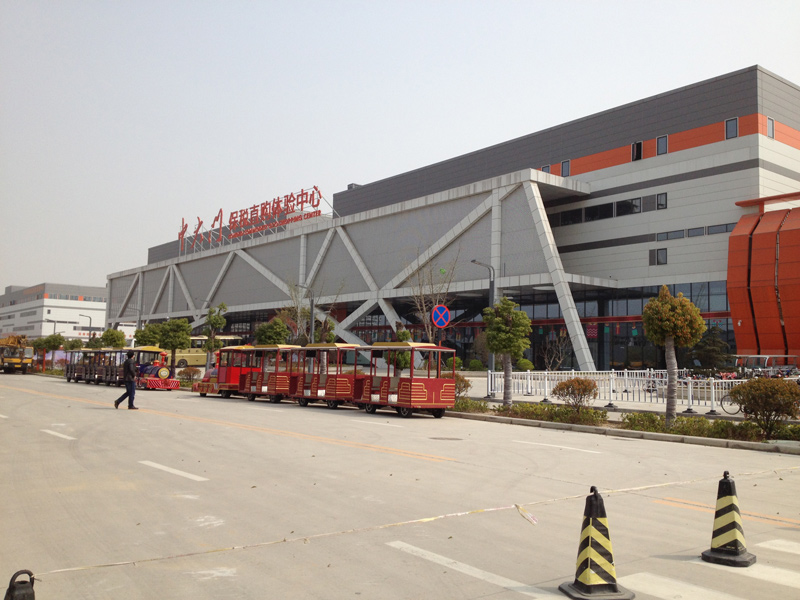
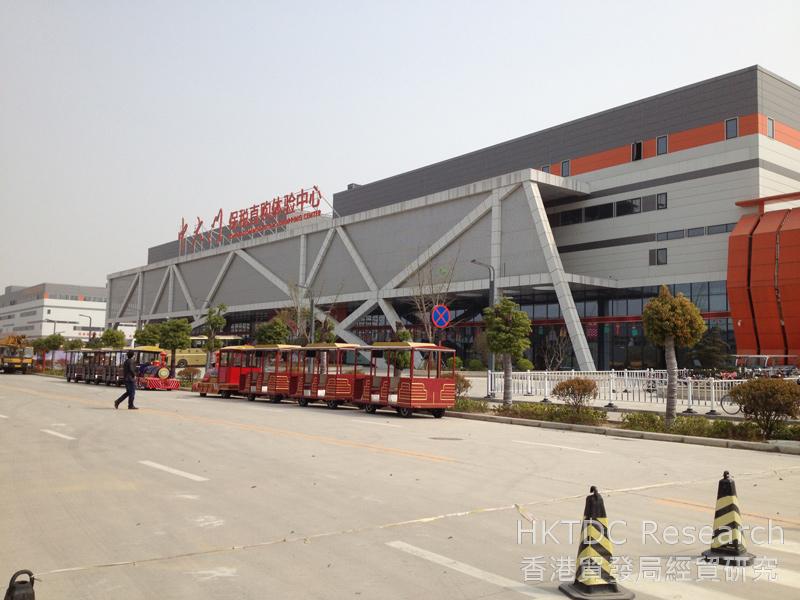
The Zhengzhou Xinzheng Comprehensive Bonded Zone plays a particularly important role in the development of Zhengzhou as an aviation hub. It is one of China’s 13 comprehensive bonded zones and the first in Central China. It began operations at the end of 2011 and has four major functions – bonded processing, bonded logistics, port operations and comprehensive services.
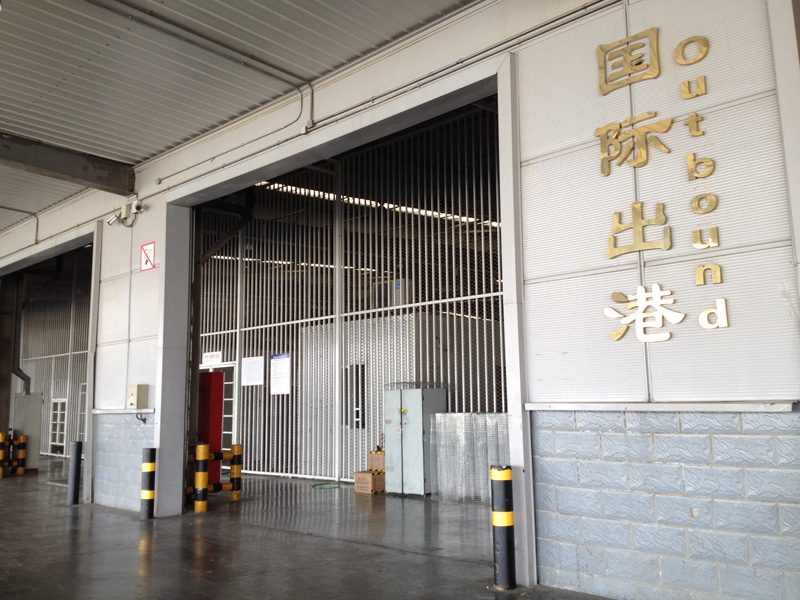
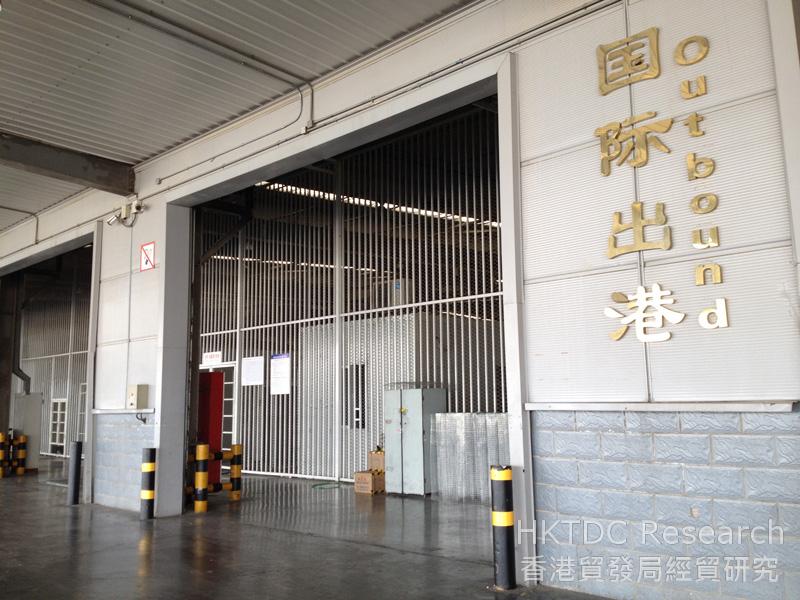
In order to speed up the development of Zhengzhou as an airline hub, the Xinzheng Comprehensive Bonded Zone has linked up with Zhengzhou Airport, integrating the operations of the bonded zone and the airport. The Xinzheng Comprehensive Bonded Zone established the Port Operations Centre in 2015, which officially began operating in early 2016. All customs clearance procedures and formalities, including customs declaration, inspection and acceptance, are carried out in this centre which operates around the clock. Currently, about 3,500 trucks enter or leave the centre every day.
Although the Xinzheng Comprehensive Bonded Zone and Zhengzhou Airport are less than 3km apart, they have their own customs offices which operate independently. Before the establishment of the Port Operations Centre, goods exported through the Xinzheng Comprehensive Bonded Zone had to clear customs first in the bonded zone and then at the airport. All customs clearance procedures had to be done twice. Since the establishment of the Port Operations Centre, all cargoes entering or leaving the bonded zone go through this centre. Because the customs clearance system is now integrated, cargoes passing through the bonded zone and the airport only need to undergo customs clearance and inspection once. This simplified procedure greatly cuts customs clearance time, from three hours to about 40 minutes. The new practice not only saves time but also reduces logistics cost.
The Airport Experimental Zone has also introduced measures to help businesses. In 2017, Zhengzhou attracted the leading fashion brand Zara to settle in the Xinzheng Comprehensive Bonded Zone, establishing it as Zara’s distribution centre in China. Staff at the Airport Experimental Zone specially designed simple and convenient customs clearance procedures for Zara, creating a system that allows goods to enter before a customs declaration is made. Zara now ships all garments bound for the China market to Zhengzhou, where they are sent by trucks to the Port Operations Centre within the Xinzheng Comprehensive Bonded Zone after being offloaded from cargo planes. After sorting and customs declaration, the garments are directly delivered to Zara’s 300 stores in 20 cities across the mainland, including Chongqing, Chengdu and Xi’an. This model of logistics and distribution is convenient and time-saving, allowing distribution to begin just a few hours after the goods arrive at the Port Operations Centre. The model is expected to become standard practice, and should help Zhengzhou develop into a major distribution centre in the Asia-Pacific region.
Taiwan-funded Foxconn Group has also set up a factory in the Xinzheng Comprehensive Bonded Zone to make iPhones and provide after-sale repair and testing services to users worldwide. Foxconn unveiled plans to move its Hong Kong warehouse to the mainland in 2015. iPhones awaiting repair from around the world are no longer sent to the transit warehouse in Hong Kong before shipment to Zhengzhou. Instead, they are sent straight to the Xinzheng Comprehensive Bonded Zone. This has reduced the time it takes for phones to arrive in Zhengzhou from more than 20 days to just two weeks. The Airport Experimental Zone boasts a complete mobile phone industry chain that covers phone production, manufacture of core components and parts, and maintenance service. It produced nearly 300 million smartphones in 2017, over one-seventh of the global output. It is the world’s largest Apple iPhone production base, making Zhengzhou an important manufacturing base for smart devices.
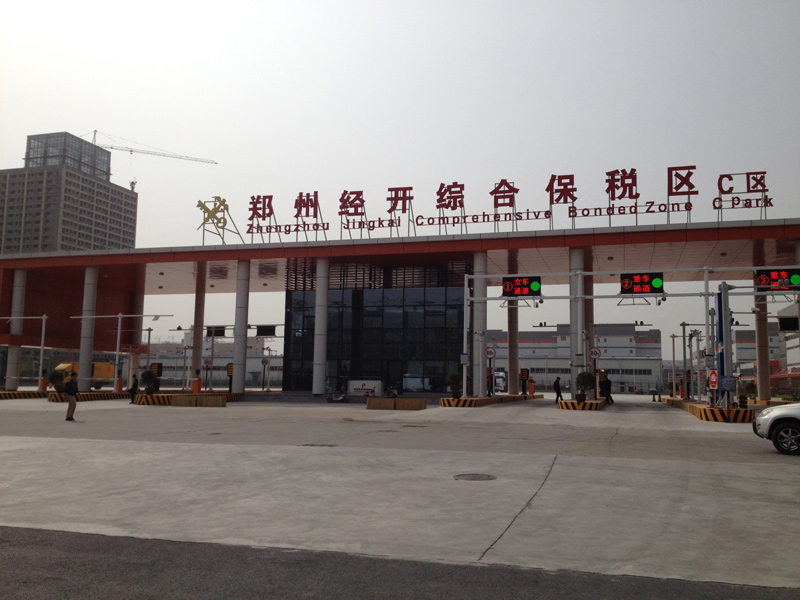
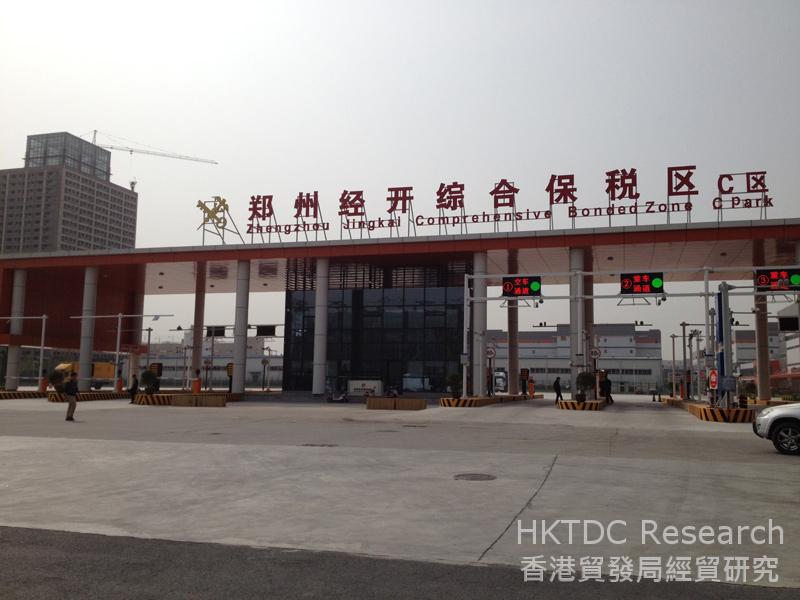
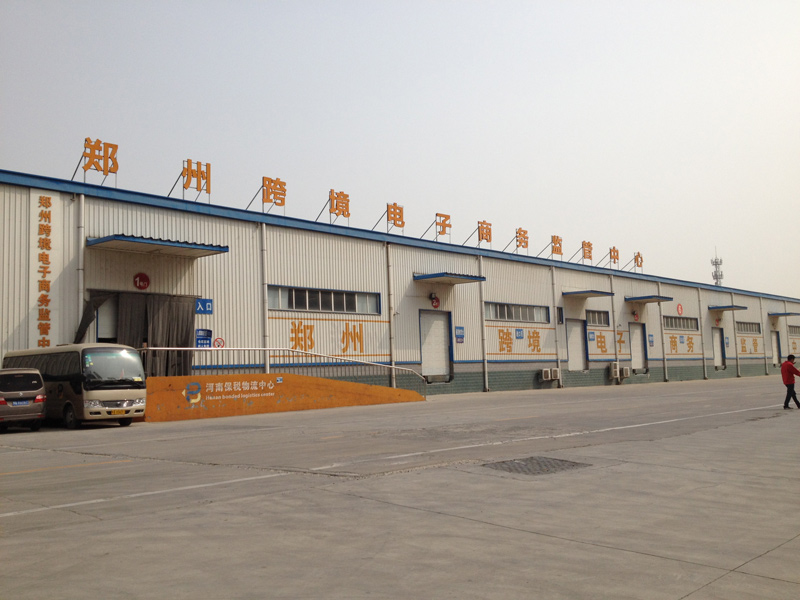
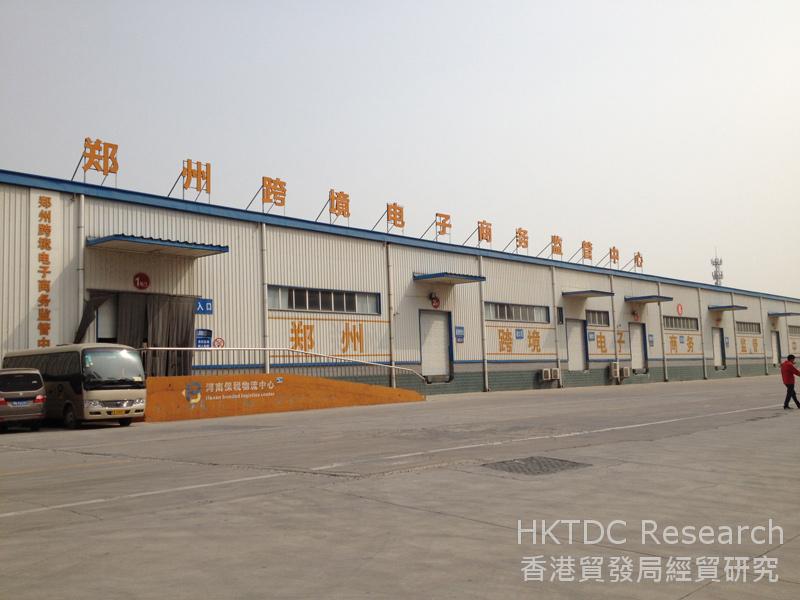
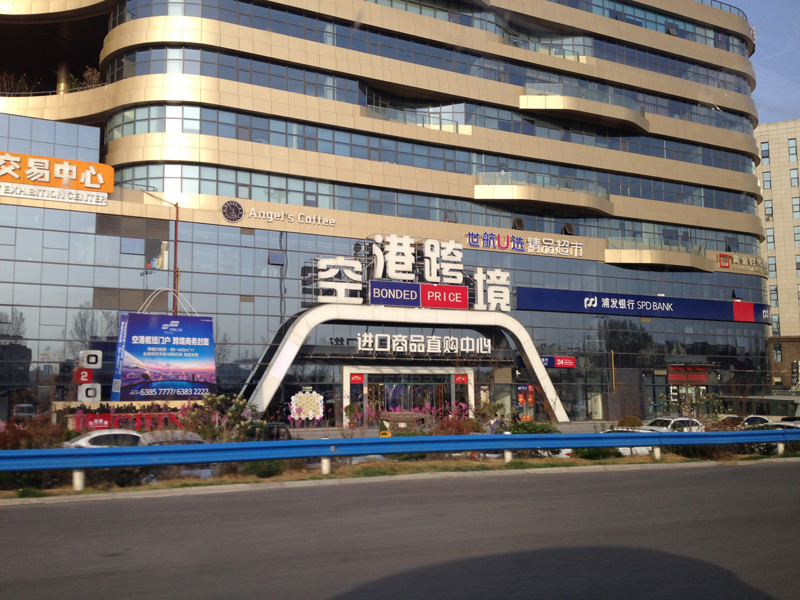
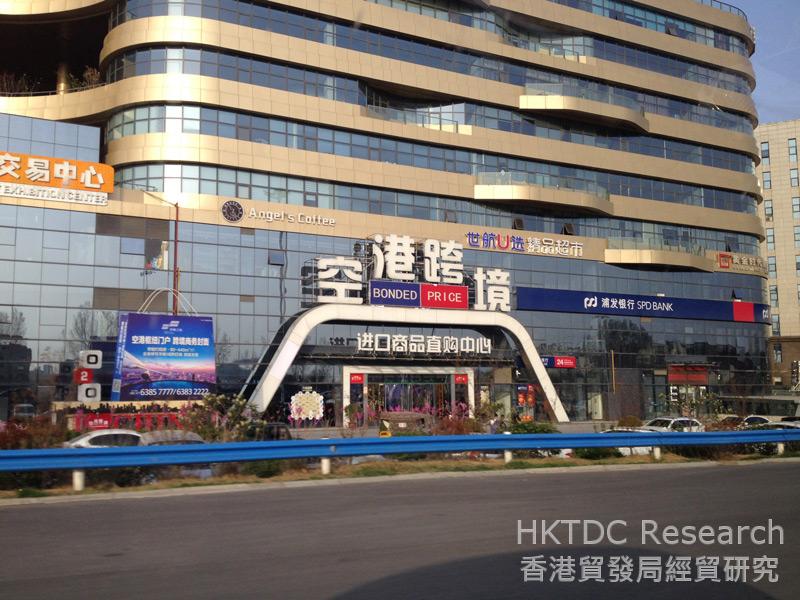
Cross-Border E-Commerce: Integrated Development of Transportation and Trade Zhengzhou is committed to developing multimodal transportation and improving its logistics networks in the hope that transportation will boost trade and trade will in turn spur the growth of logistics. Cross-border e-commerce is a form of trade that relies heavily on an efficient logistics chain and is crucial for the integrated development of transportation and trade. In view of the importance of cross-border e-commerce, the Xinzheng Comprehensive Bonded Zone set up the “Cross-Border E-Commerce Crowd-Innovation Incubator” within the zone. More than 80 cross-border e-commerce companies, including Tmall.HK, JD.com and Cainiao, have established a presence here. Cross-border e-commerce in the bonded zone is mainly export-oriented. The Henan Bonded Logistics Centre within the Zhengzhou Jingkai Comprehensive Bonded Zone is the largest such centre dealing with imports. Cosmetics and maternity and child products are the main product categories in this field. Besides improving its logistics facilities, Zhengzhou also tries to boost the development of cross-border e-commerce at retail level. The Airport Experimental Zone and the Henan Bonded Logistics Centre both have bonded direct purchase centres where bonded imports are displayed and sold to consumers. These centres operate on the “bonded direct purchase” model. Consumers purchase the goods directly from importers and tax is only paid after the goods are sold. As well as allowing consumers to buy imported goods at cheaper prices, bonded direct purchase centres also provide an offline display platform for cross-border e-commerce businesses and make their operation more flexible. |
The Zhengzhou-Luxembourg Air Silk Road
As its airport gradually develops, Zhengzhou is looking to enhance its role as an important gateway by increasing its links with international logistics hubs. The city government unveiled the Work Plan for Building the Zhengzhou-Luxembourg Air Silk Road in 2017, identifying Luxembourg as Zhengzhou’s first connecting point along the Air Silk Road.
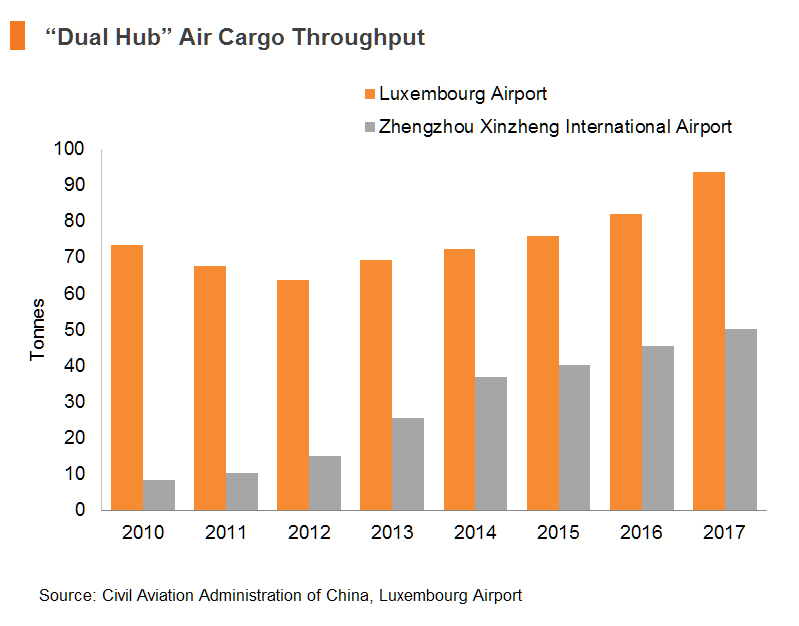
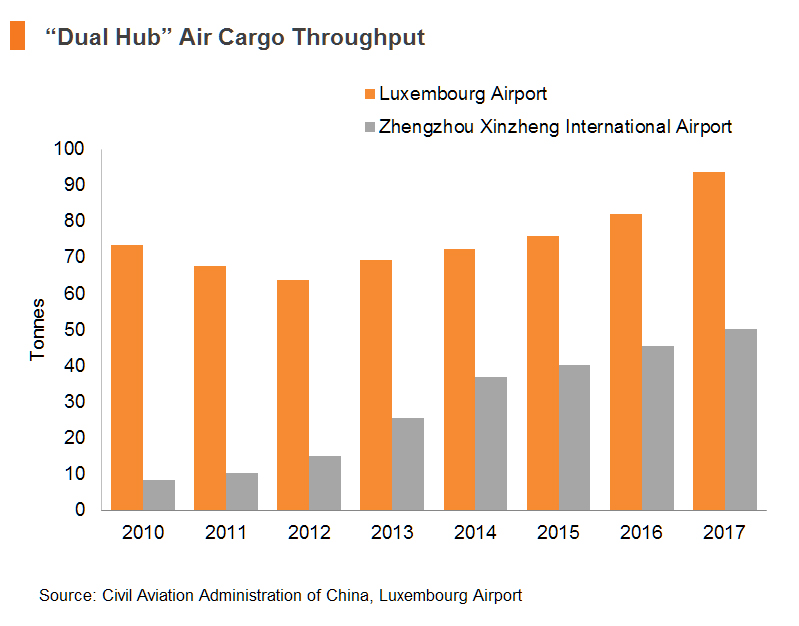
Zhengzhou is the starting point for the Air Silk Road. Zhengzhou Airport is one of China’s eight major air transport hubs, with an air cargo throughput of 500,000 tonnes in 2017, according to figures from the Civil Aviation Administration of China. That was an increase of 10% from 2016, making Zhengzhou the seventh most important for cargo of China’s 229 civilian airports and the leading cargo airport in central China. Passenger traffic exceeded 24 million, up 17% from 2016, moving the airport to 13th in the rankings among mainland cities.
Luxembourg, at the other end of the Air Silk Road, lies at the heart of Europe, next to Germany, France and Belgium. Like Zhengzhou, it enjoys natural geographical advantages, with four major financial centres (London, Paris, Frankfurt and Zurich) in close proximity. Luxembourg Airport, the sixth largest air cargo terminal in Europe, had an air cargo throughput of over 930,000 tonnes in 2017, a year-on-year increase of 14%. In the same year, passenger traffic reached 3.6 million, an increase of nearly 20% from 2016.
To try to leverage the geographical advantages of both places, Zhengzhou has over the past few years been promoting the coordinated development of the two logistics hubs under the “Dual Hub” strategy. In 2014, Henan Civil Aviation and Investment Co purchased a 35% stake in Cargolux Airlines International, which operates the biggest all-cargo airline at Luxembourg Airport. Cargolux is the world’s sixth largest air freighter, and the biggest in Europe, with routes covering all parts of the world. Zhengzhou and Luxembourg airports are working together to increase the number of flights between the two cities in a bid to build an international air cargo network, with Zhengzhou as the Asia-Pacific logistics centre and Luxembourg as the logistics centre for Europe and America.
The “Dual Hub” effect has increased the frequency and volume of freight traffic between Zhengzhou and Luxembourg. The Zhengzhou-Luxembourg international air cargo route officially opened in June 2014. Early on, there was just one cargo flight per week, but that increased to six flights per week by the end of 2014, and to 16 by 2017. Air cargo volume soared from 14,700 tonnes in 2014 to 147,000 tonnes three years later, by which time it accounted for nearly a third of the total cargo throughput of Zhengzhou Airport. The air cargo throughput of both Zhengzhou Airport and Luxembourg has grown steadily over the past few years.
Zhengzhou is also expanding its air transport network. Last year, Zhengzhou Airport launched 57 new air routes, 10 of which were cargo routes. That brings its total number of cargo routes to 34, 29 of which are international ones. It has service links with 17 of the world’s top 30 air cargo hubs and now ranks fifth in the country in terms of the number of air cargo airlines, freight routes, destinations, all-cargo freighter capacity and number of flights. Zhengzhou-Luxembourg passenger flights are expected to begin operating before the end of this year.
Zhengzhou plans to continue strengthening collaboration under the Zhengzhou-Luxembourg Air Silk Road. In 2018, Zhengzhou Airport will increase its international air cargo flights and improve its flight network with an emphasis on connecting with the world’s major airline hubs. In terms of air cargo and airmail throughput, Zhengzhou Airport aims to reach 550,000 tonnes before the end of this year and exceed 1 million tonnes by 2020, with international air cargo accounting for 60% of that total. The airport will also start its phase three expansion with a special section for Cargolux and its member companies. The Zhengzhou-Luxembourg Air Silk Road is expected to help develop Zhengzhou as an international aviation logistics centre and create more opportunities for the logistics sector.
Editor's picks
Trending articles
By Dr Jonathan Choi, Chairman, CGCC
The 19th National Congress explicitly supports the integration of Hong Kong and Macao into the overall national development, with focus on developing the Guangdong-Hong Kong-Macao Bay Area. President Xi Jinping even visited Hong Kong last year and witnessed the signing of the Framework Agreement on Deepening Guangdong-Hong Kong-Macao Cooperation in the Development of the Bay Area between the NDRC and the governments of the three places. This fully shows that the Central Government attaches great importance to the future development of the three places.
As an international financial and business center, Hong Kong can play a key role in the specific plans for the Bay Area. This year, I made a number of proposals to the CPPCC on how to make the best use of Hong Kong’s strengths to develop the Bay Area into an important hub for the country’s sustained and diversified economic development.
Develop LMC Corridor
The governments of Hong Kong and Shenzhen have inked a deal to jointly develop the Lok Ma Chau Loop (the “LMC Loop”) into an innovation and technology (I&T) park. Located at the border between the two places, the park is an important base for I&T development in the Bay Area. I suggested including some areas along Shenzhen River’s banks adjacent to the LMC Loop and transform the Futian Bonded Zone into a logistics and incubation base for technology industries to further expand the LMC Loop to form an innovation corridor, developing the Bay Area into a national I&T, R&D and application center.
Hong Kong and Shenzhen can consider setting up an administration bureau to formulate specific division of work in the LMC Loop, introduce arrangements to facilitate movement of technology and authorized personnel in and out of the area, cancel restrictions on cross-border research funding and exempt customs duties on imported scientific research equipment in order to lay a good foundation for I&T development in the Bay Area.
Support development of free-trade ports
The 19th National Congress report also mentioned considering developing free-trade ports. As a special economic zone with the world’s highest standard, Hong Kong’s strengths can be an important reference for the development of free trade ports in the Bay Area. The Central Government can explore using Hong Kong as a blueprint to support the upgrading of the Qianhai, Nansha and Hengqin free trade areas into free trade ports, strengthen the free flows of foreign trade, funds and talents including those from Hong Kong and Macao so as to facilitate the presence of talented people from Hong Kong and the rest of the world, and consider emulating Hong Kong in terms of tax structure and preferential treatment.
The authorities can also explore setting up onshore and offshore RMB centers in the Qianhai and Nansha free trade ports and work together with Hong Kong to broaden the two-way offshore RMB channel to attract more mainstream and emerging financial institutions from Hong Kong. For trade facilitation, policy arrangements can be made for exemption of import and export tariffs, and to attract more domestic and foreign enterprises, provide a convenient, standardized and efficient management system and business environment, and in particular support Hong Kong businesses in getting national treatment to access the relevant markets.
State-level leader to oversee development
To effectively implement the Bay Area’s development plan and enable it to play a key role in national economic development, it is necessary for the Central Government to formally incorporate it into its national development strategy. Since Guangdong, Hong Kong and Macao have different social and economic systems and are independent customs duty zones, and their key government officials are very highly ranked, it is better for the Central Government to set up a coordinating committee for the Bay Area. The committee should be headed by a state-level senior leader to supervise the implementation of the overall development plan. It should also coordinate with the NDRC, the relevant central ministries and the governments of the three places for research decisions on major cooperation issues and coordinate specific implementation tasks for integration among the cities in order to avoid duplication.
In fact, CGCC and Hong Kong’s industrial and business community earnestly look forward to the implementation of the Bay Area’s development plan, which will provide enormous new opportunities for Hong Kong businesses. We will actively facilitate stronger ties among entrepreneurs, chambers of commerce and industrial and business groups of the three places through a business cooperation platform, explore how to assist businesses to more effectively participate in the Bay Area’s development, and maintain close contact with relevant government departments to pass on the feedback of the business community, providing businesses with broad support in capturing opportunities in the area.
This article was first published in the magazine CGCC Vision March 2018 issue. Please click to read the full article.