









Chinese Mainland
Nordic Opportunities: Design and Innovation Solutions
Famous for its well-designed balance of minimalism, functionality and eco-friendliness, Nordic designs are increasingly regarded as a winning formula for sustainable business growth. Hong Kong, given its close proximity to the production hub of southern China, has become a natural gathering point for Nordic companies, primarily serving their European clients with manufacturing across the border. Meanwhile, more and more entrepreneurial Nordic start-ups have seen Hong Kong as a good springboard to commercialise their innovative business ideas.
As a beacon of design and innovation
Despite high income levels, Nordic people are very practical consumers. They have little interest in showing off, with purchase decisions usually focussed on more sophisticated concerns, such as design and innovation with respect to the use of materials, quality, functionality and environmental friendliness.
This, together with the high regard for private and family lives and relatively high labour costs in the Nordic region, strangles the development of labour-intensive industries there. By contrast, “mind-intensive” industries, such as R&D, innovation and design represent the major business focus in the Nordic region.
Given the relatively small domestic market size, the region’s specialisation in mind-intensive activities has bred a number of well-known enterprises offering innovative designs and solutions worldwide. In fact, Hong Kong consumers are not unfamiliar with innovative Nordic designs and technologies.
Just to name a few, IKEA furniture, H&M clothing, Marimekko fashion, Fiskars tools and housewares, Volvo autos, Scania trucks, Danish designer chairs and furnishings, Angry Birds mobile apps and the free internet telephony Skype, are famous examples of Nordic designs and innovation.
Nordic countries such as Sweden, Denmark and Finland have increasingly been seen as a beacon of design and innovation. Thanks to their sound national research and innovation systems, they lead Europe in innovation performance, from research and innovation inputs, through business innovation activities, to innovation outputs and economic effects.
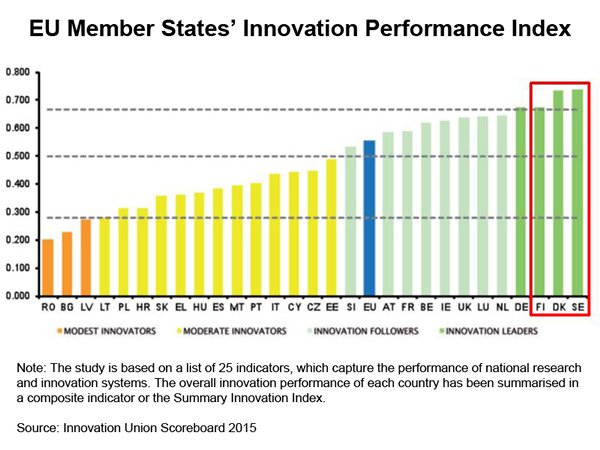
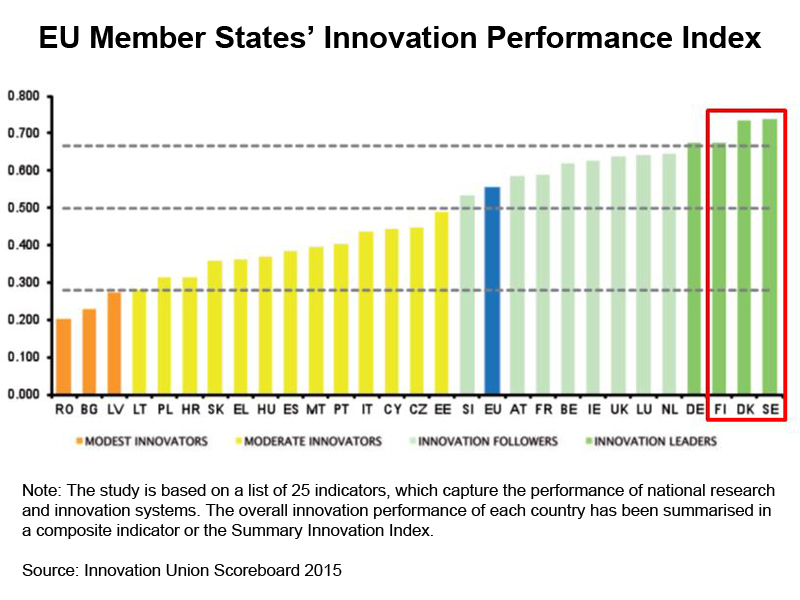
Featuring modern style with minimum frills, and with a deep-rooted love of nature, the creativity of Nordic designers and innovative companies has been greatly sought-after. Their signature style’s balance of simplicity, minimalism, functionality and eco-friendliness has become a winning formula for sustainable business growth.
The marriage of innovation with entrepreneurship
Scoring high on international benchmarks for entrepreneurship, the Nordic region is becoming a hotbed of entrepreneurship. For example, The Global Entrepreneurship Index (GEI) 2016, ranked Denmark and Sweden the fourth and fifth most entrepreneurial countries in the world out of 132 entries, surpassed only by the US, Canada and Australia.
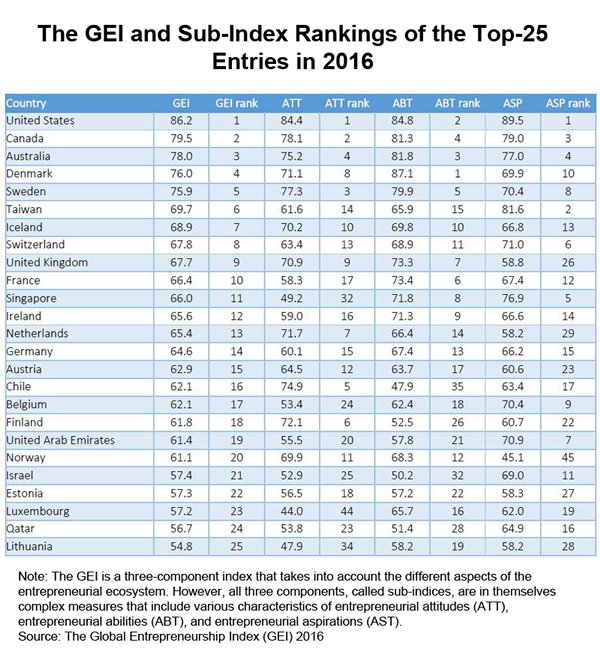
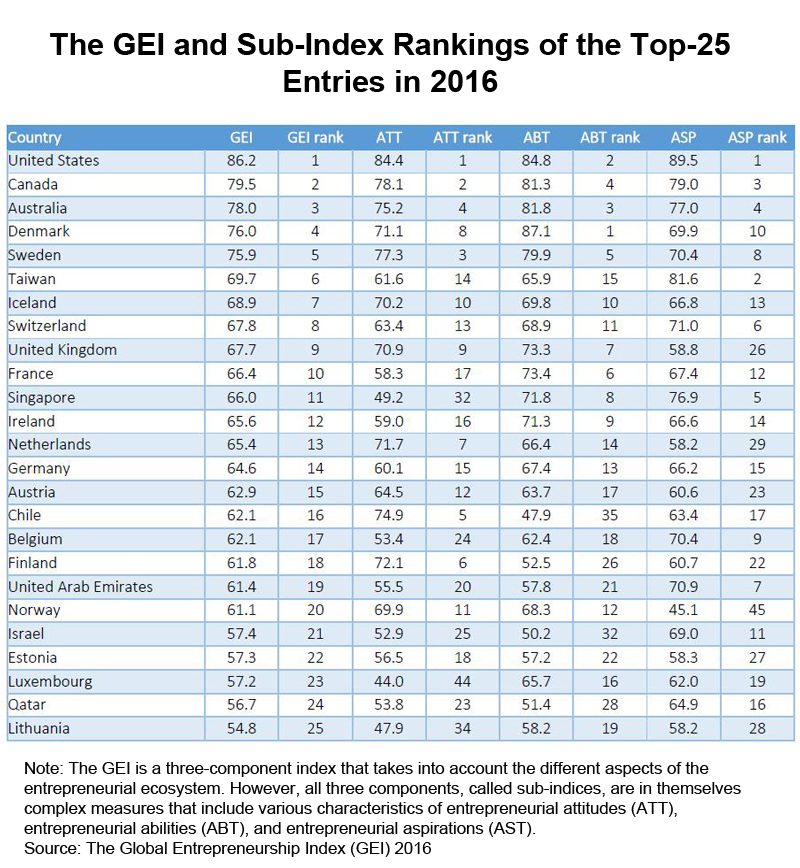
With the promotion of innovation and entrepreneurship being integrated at every educational level in most, if not all of the Nordic countries, many fresh graduates have chosen to start their own businesses with innovative business ideas fomented throughout their school life.
With the aim of better serving their clients, primarily European companies with manufacturing activities in the Chinese mainland, many Nordic design companies – both well established and new start-ups – have opened studios in Hong Kong. This has been aided by the city’s extensive business network, unparalleled connectivity with the business ecosystems in the Pearl River Delta, robust legal and IP protection regime, as well as the world-class ICT infrastructure and professionals.
Packaging design, prototyping and production management in the Pearl River Delta form the core part of their businesses in Hong Kong supported by services including as industrial design, mechanical design, graphical art and patent application. Given the reputation and aesthetic appeal of Nordic design, the rapid growth of Nordic design studios has also drawn the attention of other international companies with production across the border. Collaboration and crossovers between Nordic design studios and the local business community and academia have become more commonplace.
Growing businesses via Hong Kong
Currently serving a range of globally recognised brands from both the EU and US, C’monde Studios, a Swedish industrial design studio based in Hong Kong, is taking advantage of the city’s close proximity to the production hub of southern China. The award-winning company is aiming to increase concept feasibility, implementation speed and supervision for a consistent design quality throughout the manufacturing process through its Hong Kong presence.
Having a strong track record in brand and design management from Europe, Hong Kong and Southeast Asia, the founder of C’monde Studios believes that companies selling in developed, saturated markets such as Hong Kong have big demand for unique offers and creativity to add value to profit margins in the new era of industrialisation.
In view of the shift of “industrial design” to “service design”, a more holistic approach in the design process is required to bring success to any company or industry at the beginning of a ‘Fourth Industrial Revolution’, a new era that builds and extends the impact of digitisation in new and unanticipated ways. The urgent need to increase the “ease of interaction” in order to enhance customer engagement across ages and social classes requires increasingly inputs from designers than engineers.
This, together with the fast expanding pool of increasingly financially-capable consumers with higher expectations for design, will keep opening new windows for Nordic design companies, which are well-known for their practical engineering yet chic design.
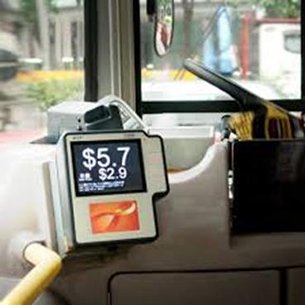
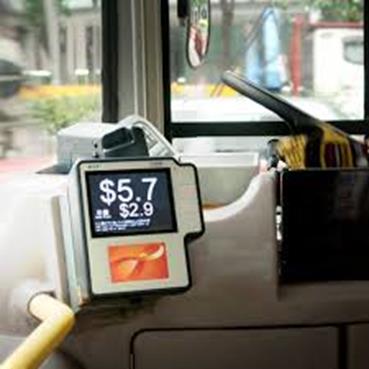
To this end, as well as providing prompt support to their Western clients, such as routine factory inspection visits to ensure consistency and compliance with design specifications, C’monde Studios has also completed several projects with local clients. One example is Octopus Card Ltd, to improve the card legibility on selected Kowloon Motor Bus (KMB) buses by increasing the font size and intensifying the display contrast to better cater for passengers with reduced eyesight.
C’monde Studios is also developing its own earphone brand, after years of experience designing earphones for design-driven audio accessory brands, such as New York-based me.u and fashion brands like Swedish street wear label, WeSC (We Are the Superlative Conspiracy). Production for the self-developed earphones is in Shenzhen, with the prime market being the US, as well as entertainment retailing companies in Asia.
Source: C’monde Studios

Source: C’monde Studios

Another good example of Nordic design studios growing their business in Hong Kong is Boris Design Studio, founded in 2009 by two Swedish designers – one of them is a master graduate of the Hong Kong Polytechnic University School of Design. Boris Design Studio has developed a distinctive style of work, blending design, sustainability and technology. It is built on the three pillars of product and packaging design, identity and digital design (strategy behind a product/service via interactive interfaces including branding, interface design, user-experience design) and design trend research (e.g. research on material use and its marriage with production technology).
The Studio has shown its capability for using creative tools and design thinking to push product development forward and to visualise complex and abstract future applications across a number of disciplines. Mobile phones were made easier to use for the elderly and vision impaired with easy-to-recognise buttons, built-in noise-blocking devices and simplified systems or apps. Lampshades were made more space efficient by an elegant folding mechanism, while corporate communications were made more effective, for clients such as Kerry Logistics, in its brochures and annual reports.
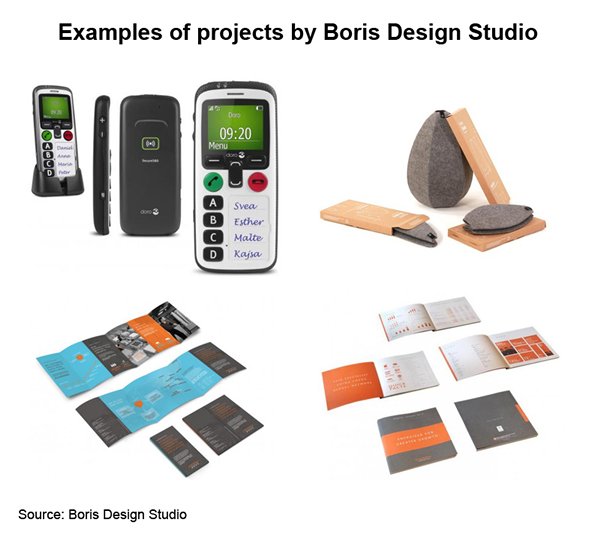
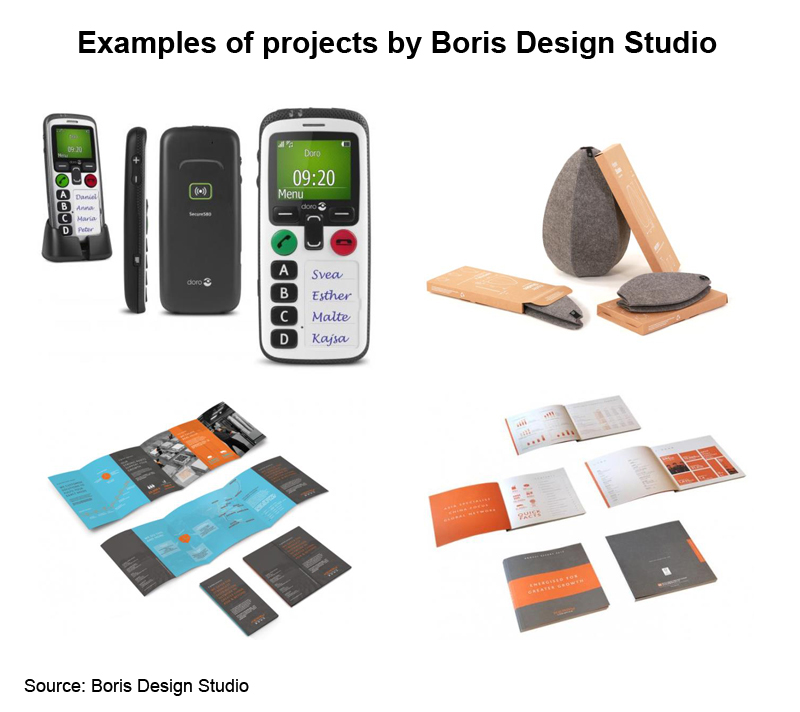
Following the success of the Hong Kong office, including winning various awards, such as Hong Kong Lighting Design Competition by the Hong Kong Trade Development Council and the Design for Asia Awards (DFA) by the Hong Kong Design Centre (HKDC), Boris Design Studio has opened an office in Stockholm, where the founders have their roots. With offices in both Hong Kong and Stockholm, the company can make good use of the 6-hour time difference between the two cities to get design work and project implementation moving around the clock.
In its more recent endeavours, Boris Design Studio has collaborated with other design centres and laboratories from San Francisco and Stockholm to visualise what form a potential catalogue for IKEA – the world-renowned Swedish furniture retailer – might take in 2030, when the Internet of Things (IoT) might take over. Although it is only a design fiction and not an official view from IKEA, it is a testimonial to Boris Design Studio’s capability to turn innovative ideas into a trump card to future business success.
Hong Kong, playing to its strengths as a service economy and a fast-growing start-up hub, is proven as an enabler linking ideas, capital, talents, production facilities and markets. Looking ahead, the newly established Innovation and Technology Bureau (ITB) and the Academy of Sciences of Hong Kong, as well as the opening of the Hong Kong office of the Finnish Funding Agency for Innovation, Tekes, on 24 May 2016, for example, will further make Hong Kong a magnet for entrepreneurial, innovative and design-driven Nordic companies.
| Content provided by |

|
Editor's picks
Trending articles
4 Jul 2016
China-Britain Belt and Road Case Studies Report 2016
China-Britain Business Council
The Belt and Road initiative was launched by President Xi Jinping in 2013, with the aim of improving and creating new trading routes, links and business opportunities between China and the rest of the world. Consisting of two main elements, the Belt and Road routes cover over 60 countries across Asia, Europe, the Middle East and Africa.
The ‘Belt’ refers to The Silk Road Economic Belt, which aims to enhance and develop land routes by:
- Building a “Eurasian land bridge” – a logistics chain from China’s east coast all the way to Rotterdam/ Western Europe; and
- Developing a number of economic corridors connecting China with Mongolia and Russia, central Asia and South-East Asia.
The ‘Road’ refers to the 21st Century Maritime Silk Road - a sea route rather than a road (a reference to the old maritime Silk Road) which runs west from China’s east coast to Europe through the South China Sea and the Indian Ocean. The six economic corridors of the Belt and Road are shown on page 16.
The main aims of the Belt and Road initiative include:
- Developing prosperity for underdeveloped parts of China, particularly in the west of the country.
- Developing new opportunities for China to partner and co-operate with various countries along the Belt and Road routes, many of which are developing countries.
- Increased integration, connectivity and economic development along these routes.
It is estimated that the Belt and Road countries account for two-thirds of the world’s population, but only account for one third of the world’s GDP. Infrastructure is key to the economic development of countries along these routes.
Chinese enterprises, already experienced in building China’s modern and ever expanding network of roads, railways, airports and power generation facilities, and supported in their efforts by new financial institutions such as the Silk Road Fund and Asia Infrastructure Investment Bank, stand ready to take advantage of these opportunities.
Entering into unfamiliar, challenging and often risky business and geographical environments is a scenario which plays well to the expertise of UK firms. As this case study report demonstrates, powerful partnerships between British and Chinese companies, playing to their unique strengths, are already shining, tangible examples of cooperation along the Belt and Road.
In this report, you will be able to review 21 case studies, which together demonstrate the farsightedness of Chinese and UK firms, as well as the benefits of working together. HSBC, along with two Chinese banks, has provided debt facilities for a power plant in Bangladesh with the design, consultancy, engineering and construction expertise supplied by major Chinese enterprises; while oil and gas firm BP is providing services and expertise to its long-term partners CNPC and CNOOC on projects in Iraq and Indonesia respectively. UK firm Linklaters has provided legal services to Chinese banks involved in financing a coal mine and associated power station in Pakistan; and KPMG is providing advisory services to a Chinese bank looking to finance projects in Nigeria. Such projects are underlined with pioneering agreements, such as that signed between London Metal Exchange and a number of Chinese institutions in order to establish financial and physical links along the Belt and Road. Finally, Chinese enterprises are also leveraging technologies, know-how and talent accumulated here in the UK to address market opportunities in third countries. The UK connection, as springboard to international business, is providing a win-win for both China and the UK.
As is evident in this report, from Asia to the Middle East, from Africa to Eastern Europe, and in countries across the Belt and Road, UK firms are already cooperating with Chinese firms and helping to turn the Belt and Road vision into reality. By highlighting these cases, it is our intention at CBBC to encourage many more Chinese and UK businesses to follow in their footsteps.
Please click here for the full report.
Editor's picks
Trending articles
7 Jul 2016
One Belt One Road – The Role of Hong Kong
By Houmin Yan (College of Business, City University of Hong Kong)
As a China development policy initiative One Belt One Road is achieving a high profile, and it is no surprise that throughout the region people are pitching to be part of it. The Hong Kong SAR is no exception and in a recent address, Chief Executive CY Leung identified a number of roles for the SAR. Hong Kong, he said, is ideally positioned to be the "super-connector" between the Mainland and the rest of the world. As China's major international financial centre, and one of the world's financial capitals, Hong Kong has the experience, the expertise and the connections to play a role as a major fundraising hub.
Hong Kong is well equipped: The HKSAR is an offshore Renminbi hub, with the world's largest Renminbi liquidity pool, home to the world's busiest air cargo airport, and the world's fourth-busiest container port. Some 20% of the Mainland's international trade is already handled by the SAR. So, according to Leung, its role as a logistics hub will only be enhanced once the OBOR maritime road is in full flow.
Hong Kong is also a rich source of top professionals in a wide range of services, such as accounting, law, construction, engineering and business management. Major financial players such as the Asian Infrastructure Investment Bank, and the US$40 billion Silk Road Fund will be supported by Hong Kong's expertise in international financing and asset management. And the very scope of the OBOR initiative means that innovative financial vehicles will also play a significant role in realising the dream...
Please click here for the full article.
Editor's picks
Trending articles
"Going Out" to Capture Belt and Road Opportunities (Expert Opinion 1): Key to Risk Management
China has investments all over Europe, the Americas and Asia, covering a wide spectrum, including information and communications, biotechnology, energy, automotive, real estate, finance and business services. Chinese enterprises are also increasingly aware that they need to use professional services to deal with different investment risks and ensure that their projects meet the legal requirements in the countries concerned.
However, as China gradually extends its outbound investment to countries along the Belt and Road routes, enterprises "going out" may face higher investment risks because the legal environment leaves something to be desired in some of these countries. Strong professional support is clearly imperative.
Hong Kong legal practitioners are not only familiar with the legal and investment environment in advanced countries but can make use of their extensive international connections to make effective risk assessments for enterprises investing in countries along the Belt and Road. The advice they give on the feasibility of the investment projects should help ensure the sustainable development of the projects.
Understanding the Legal Environment of the Investment Destinations
Many mainland investors have actively sought information on laws and regulations in foreign countries and tried to gauge their impact before "going out" and when drawing up investment plans.
In an HKTDC Research interview, Betty Tam, Partner of the Hong Kong law firm Mayer Brown JSM said: "China's investment in North America is a case in point. Many mainland companies have invested in high-tech industries in North America in recent years and companies like Lenovo, Baidu and the Chinese consortium - Uphill Investment, have carried out mergers and acquisitions (M&A) in the US.
“A typical mainland company would consider a mix of factors when choosing M&A target industries and companies as the basis for assessing the risk and feasibility of the project. These factors include whether the core technology and intellectual property rights of the target company are really what it wants, whether the imported technology can be applied or used to open up the local market, and how to integrate the business after takeover to achieve the purpose of mutual complementarity. Mainland companies must also find out about the preferential investment policies of these countries and whether there are access requirements or other restrictions.
“With these preconditions, mainland companies must seek the help of professionals with proficiency in specific fields of knowledge to carry out due diligence investigations or recommend concrete investment proposals prior to investment and design a transaction structure that suits the legal requirements and restrictive provisions of the place of investment."
As an example, Tam pointed out that certain foreign investment in the US must comply with the provisions of the Foreign Investment and National Security Act. The foreign bidder and US target must both submit information about the proposed deal to the US government through the Committee on Foreign Investment in the US (CFIUS).
Key industries that need to be reviewed by CFIUS include national defence, energy, infrastructure, manufacturing, science and technology, telecommunications, and transportation. If the proposed investment does not conform to these provisions, CFIUS has the right to recommend that the US President block, restructure or even unwind the deal. For example, if the proposed investment involves high-tech areas in the US, a mainland company must formulate strategies in the light of US technology export controls:
US Export Administration Act
Restricts the disclosure and transfer of sensitive technology and technical data to other countries.
Submissions to CFIUS on M&A must indicate whether the target company has exported any commodities under licence.
Even if M&A is not involved, such as granting a non-exclusive licence for thin-film solar technology to a Chinese company, some form of export licence may still be required. Moreover, the US administration currently bans the export to China of any technology relating to supercomputers.
Strategies
Investment in and acquisition of technology and technical data in the US may be seen by the US government as export and therefore need the approval of the US government. Therefore, mainland companies must familiarise themselves with the relevant laws and regulations before contemplating investment and starting due diligence investigations.
When conducting due diligence investigations, it is necessary to investigate and analyse whether the business of the target company is subject to export controls.
Risk Management of Belt and Road Investment Projects
On the other hand, Chinese companies have actively ventured to places like Asia and the Middle East in recent years in the hope of capturing opportunities for relocating production capacity, expanding trade, exploiting resources and purchasing raw materials under China’s Belt and Road initiative.
Tam pointed out in particular that unlike advanced countries in Europe and America, some countries along the Belt and Road are not foreign investment hotspots. Some of them do not have a legal system that is in line with international standards. They lack the necessary legal framework for foreign investment and the government departments concerned may not have any experience in managing foreign investment.
This not only affects the approval of foreign investment projects and the negotiation process but, worse still, may impose restrictions on the investment or demand the reopening of negotiations after investment was materialised when inconsistencies with local conditions are found or if some industries or sectors are affected. This may catch investors off guard and directly affect the sustainability of the investment project.
Tam reminded mainland companies investing in countries along the Belt and Road that they must watch out for additional risks when facing similar institutional problems. They must familiarise themselves with the actual investment climate besides carrying out due diligence investigations on the local laws and regulations as in Europe and America when planning investment in the Belt and Road regions.
When necessary, they must also present relevant government departments in the target country with investment proposals that are in line with international standards and to their partners. In doing so, both sides can have a full appraisal of the whole project in the early stage of planning and fully take into consideration all the relevant clauses so as to negotiate a win-win investment plan and avoid unnecessary future disputes.
For this reason, mainland investors must have international investment experience and local knowledge, or make use of relevant professional services, and formulate strategies suitable for investment in the Belt and Road regions in order to be able to effectively control risks.
Tam said: "Hong Kong legal practitioners know the investment and legal environment of advanced countries well and have service teams with rich international experience who can help mainland companies comply with the requirements of countries in Europe and America for foreign investors. Through their extensive international networks, they can act as team leaders of international projects and lead the professionals of different countries.
“They also have access to experts with local experience who can help conduct due diligence investigations for Belt and Road investment projects and offer customised strategic proposals and feasibility reports that suit the actual situations of different places of investment. Hong Kong's service platform boasts a mix of advantages, such as free movement of funds and a simple and low-rate tax system.
“Together with Hong Kong's efficient business environment, this platform can facilitate investors in setting up companies for special purpose, restructuring their M&A transaction structure for future holding, transfer or alienation of equity or asset in the target company, and help carry out financing and handle cross-border tax arrangements for the projects concerned. It can provide mainland investors with one-stop professional services and assist them in making outbound investment and capturing opportunities arising from the Belt and Road initiative."
| Content provided by |

|
Editor's picks
Trending articles
Nordic Opportunities: Healthcare Services
Population ageing and rising public health care spending are increasingly becoming issues of concern throughout the world, forcing governments into reforming public healthcare services. Sharing comparable standards of healthcare services and similar tax-based healthcare systems, the Nordic region and Hong Kong can be good partners in many areas, including preventive, curative and elderly care services as well as in revolutionary health-tech and the growing need to re-structure health service delivery. Moreover, building on its solid foundation in medical research and education, Hong Kong can be a research and development partner with Nordic countries in cutting-edge medicine.
Competitiveness and challenges of the Nordic model
With an average life expectancy at birth of about 80 years and an infant mortality rate among the lowest in the world, the Nordic region leads in many healthcare practices and is renowned for its universalism, human touch and service-oriented approach. Financed almost completely by taxation (e.g. national, regional and local taxes), which is relatively high compared to other European economies (maximum individual income tax rate can be more than 60%) or through statutory health insurance schemes, nearly all hospitals are publicly owned and managed.
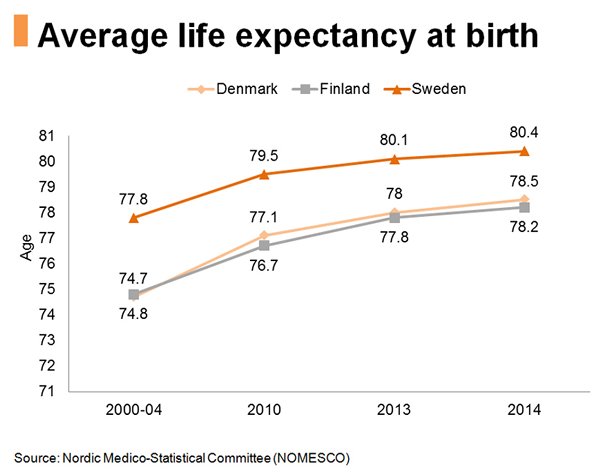
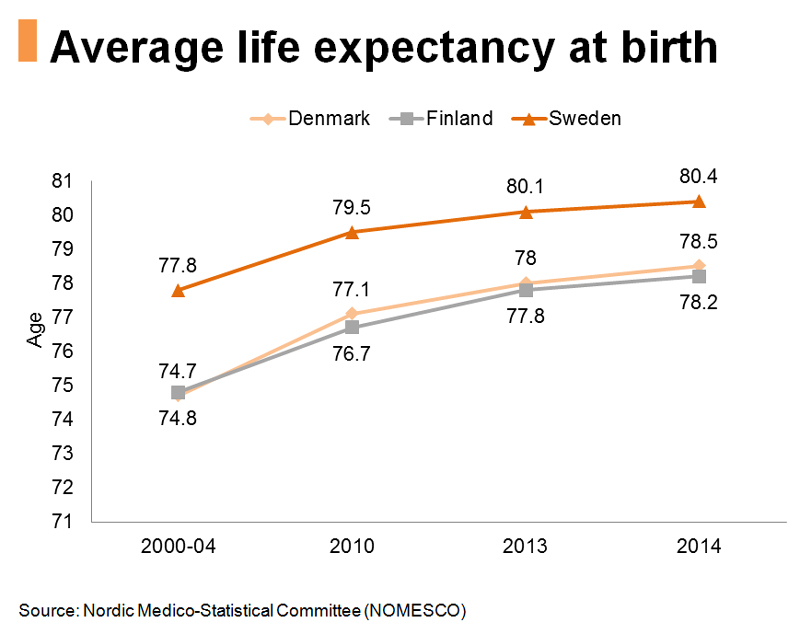
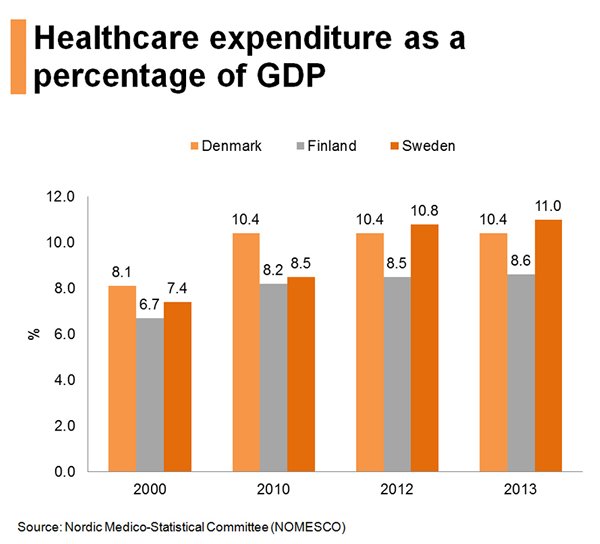
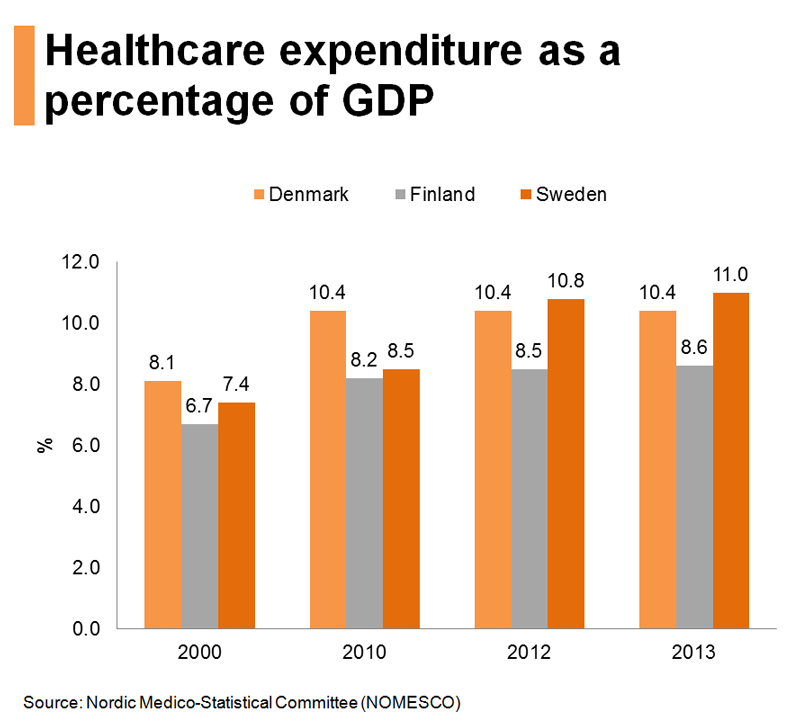
Nordic residents are given free access to most health services, while patients are required to pay for pharmaceuticals and some special treatment up to limit. As a result, government expenditure on healthcare services has been rising in the Nordics, especially in Sweden.
All the Nordic countries have established systems of primary healthcare in which every patient, except for emergency, needs to go through general medical practitioner services before being admitted to a hospital or referred for specialist treatment (usually offered outside hospitals). This drives patients through the hospital system more quickly to cut waiting times, while reducing unnecessary hospital stay and serves to relieve the ever-increasing state and municipal budgetary pressures. Systems of preventive care, such as preventive occupational health services and preventive services for mothers and infants have also been widely applied.
e-Health delivery
As a world-leading region for innovation and technology, Nordic countries are also forerunners in e-Health, which promotes electronic communication between patients and the healthcare system. Nordic countries in general have a very good infrastructure that can facilitate the provision of e-Health services even in the rural areas, thanks to their highly developed information and communications technology infrastructure, high smartphone penetration and e‐mature population.
Take the county of Västerbotten in the north of Sweden as an example. e-Health services are well established in the county, which has a separate Accelerator Control Network (ACNET) that provides all the different healthcare-related institutions with fast access to medical records and high-speed transfer of images and videos between different users. This saves both the doctors’ and the patients’ time and travel costs and at the same time provide its residents with a higher quality care at reduced cost.
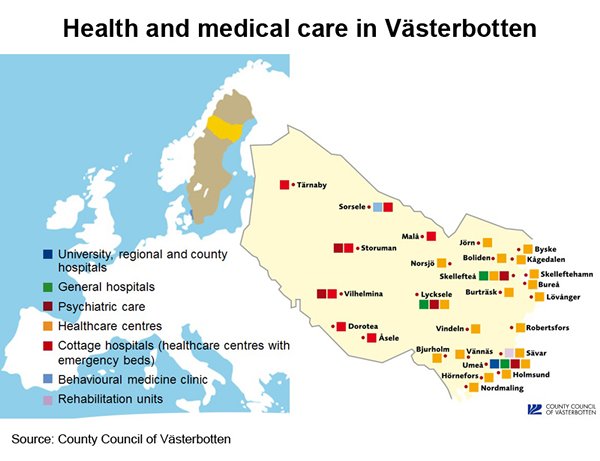
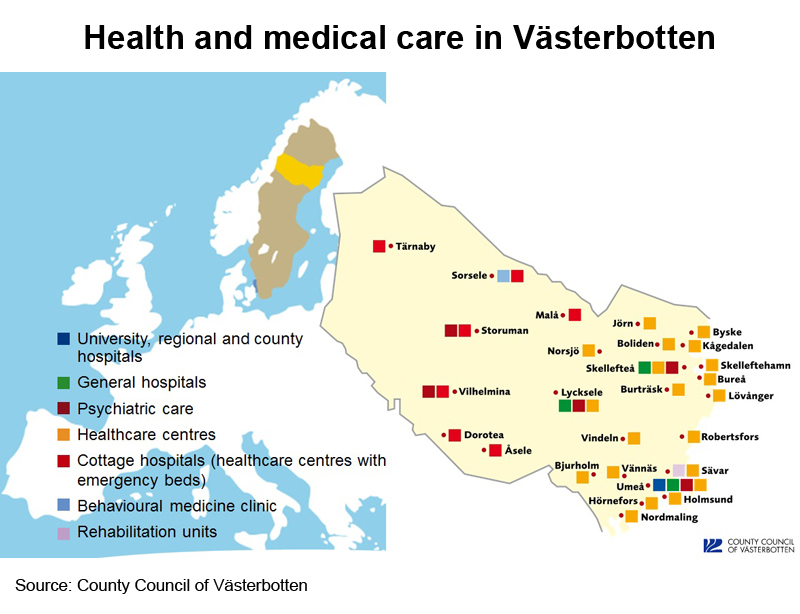
Among the e-Health services provided by the Västerbotten County Council are home monitoring of physiological parameters, such as electrocardiogram (ECG), lung functions, oxygen saturation and readings of pulse and blood pressure with portable health monitoring equipment; remote speech therapy for patients who suffer from speech, reading and language disorders; and hospital-to-hospital tele-medical consultation services via electronic stethoscopes for child patients with functional heart murmurs.
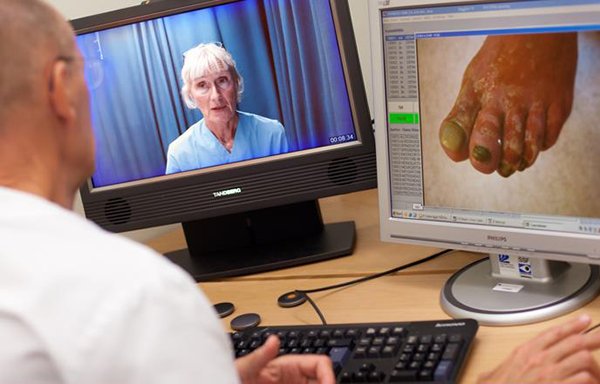
Source: County Council of Västerbotten
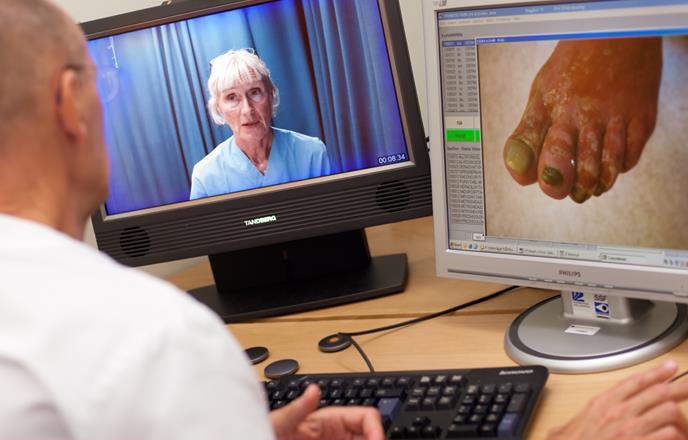
Västerbotten’s pilot public-private healthcare cooperation model
Open to working with local and global partners, Nordic countries are constantly looking for new systems or models to meet their new healthcare challenges. Characterised by its fast-acting leadership, the Västerbotten County Council has been keen on engaging global healthcare players to take part in its bold vision to have the best health and the soundest population in the world by 2020.
Unlike conventional public-private cooperation projects where private companies usually participate only as service providers, Västerbotten is seeking to engage private sector players as partners or co-owners of the project. As a ground-breaking cooperation model featuring a public-private partnership in the healthcare sector in the Nordics, two private partners, namely Philips (healthcare equipment) and Roche (diagnostics and pharmaceuticals) are running pilot projects in Västerbotten to understand how the public and private sector can work together to develop a long-term, self-financed investment framework for healthcare services.
Under the partnership, the two private companies will provide Västerbotten County Council with consultancy services for new, tailor-made solutions, equipment and technology required to revamp the existing healthcare system with an aim of reducing the County’s overall cost of healthcare (which accounts approximately for 80% of its budget) by reducing stays in hospitals and visits to clinics, improving care experiences and reducing staff sick leave, while getting paid through a reimbursement scheme.
Meanwhile, the Västerbotten County Council will provide the two private partners with a real-world environment, including a number of operating hospitals and primary care units, to test their new solutions and services which are capable of application elsewhere. For instance, various tests and studies have been carried out in an existing hospital in Umeå, the capital of the County, for a pilot project of a new psychiatric clinic with physical environment enhancement.
Hong Kong as a test partner and promoter of new healthcare models
Although the healthcare system in Hong Kong runs on a more dual-track basis than the Nordics, encompassing the public and the private sectors, the city offers equitable access to healthcare services at highly subsidised rates. Hong Kong faces similar compounding challenges of ageing population, rising expectations and escalating medical costs. There is therefore vast room for cooperation between Hong Kong and the Nordic countries in public healthcare services delivery, e-Health application and other innovative medical solutions.
In order to address the sustainability problems within the public sector, both Hong Kong and the Nordic countries have been striving to enhance public-private partnerships (PPPs) and shorten waiting times, among a whole plethora of other promises. To this end, Hong Kong can make reference to some pioneering PPPs in the Nordics (e.g. the Västerbotten County Council) and see how different private healthcare players, such as medical equipment suppliers and pharmaceuticals/diagnostics companies, can be engaged in the revamp of the public healthcare system. How these exportable cooperation experiences can be further adjusted and applied to different socio-demographic environments elsewhere can also be explored.
Given the healthcare policy reforms and the enormous growth in purchasing power, Chinese consumers’ demand for higher-quality healthcare has been ever increasing. The growing health awareness together with the increasing affordability calls for more and better medical services. To tap the vast opportunities of the burgeoning healthcare market in the Chinese mainland, Nordic companies can establish businesses in Hong Kong and work with Hong Kong hospitals and clinics to leverage on the liberalisation measures under CEPA, while taking advantage of the city’s long-standing ties with manufacturers and distributors in the Chinese mainland.
In the run-up to any modern health care reform, medical technology companies are focusing more than ever on products that deliver cheaper, faster, more efficient patient care. For instance, China’s 13th Five-Year Plan calls for the development of robots for surgery, medical imaging technology, wearable devices and equipment for traditional Chinese medicine. Yet these innovative medical advances constantly increase prices and burden government funds with regular upgrades and renewals.
While there is no simple way to solve this problem, the academic and business communities in Hong Kong and the Nordics can forge closer collaboration in medical research and development. This can better facilitate the commercialisation, transfer and licensing of research results and home-grown healthcare innovations to give Hong Kong’s consumers and public sector a wider choice of competitive options.
Hong Kong as an R&D partner in cutting-edge medicine
Built on a solid foundation in medical research and education, Hong Kong’s medical cluster is no stranger to Nordic healthcare players, not to mention the renewed popularity created by the opening of the first overseas research centre of the prestigious Swedish medical university, the Karolinska Institutet, in February 2015. This new research centre not only enables Hong Kong’s leading team of medical experts and their foreign counterparts to collaborate on cutting-edge areas of research on the frontiers of medicine, such as the search for a Parkinson’s disease cure with stem cell technology, but also lays a foundation for other dynamic Hong Kong-Nordic cooperation in fields of healthcare, such as HealthTech.
Hong Kong, as a financial centre and an entrepreneurial city, is keen on developing a thriving start-up ecosystem to promote innovation and technology. Leveraging the AIA Accelerator, Asia’s first HealthTech Accelerator programme, innovation accelerators such as Nest [1] have been more active in providing seed capital and expertise to HealthTech startups in Hong Kong.
Also, Nordic life science clusters such as HealthBIO in Finland and Medicon Valley, jointly branded by Copenhagen Capacity [2] and Swedish counterpart Invest in Skåne in 1997 with the aim of becoming the most attractive ‘bio-region’ in Europe, are actively looking for investment and partnership opportunities from Hong Kong and Asian healthcare equipment manufacturers and HealthTech developers.
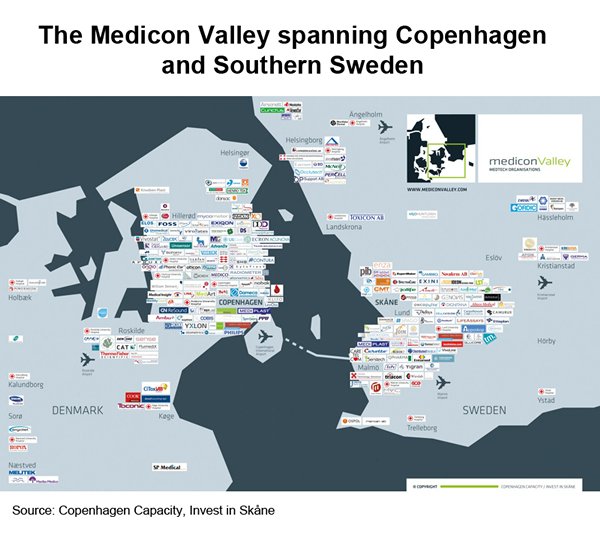
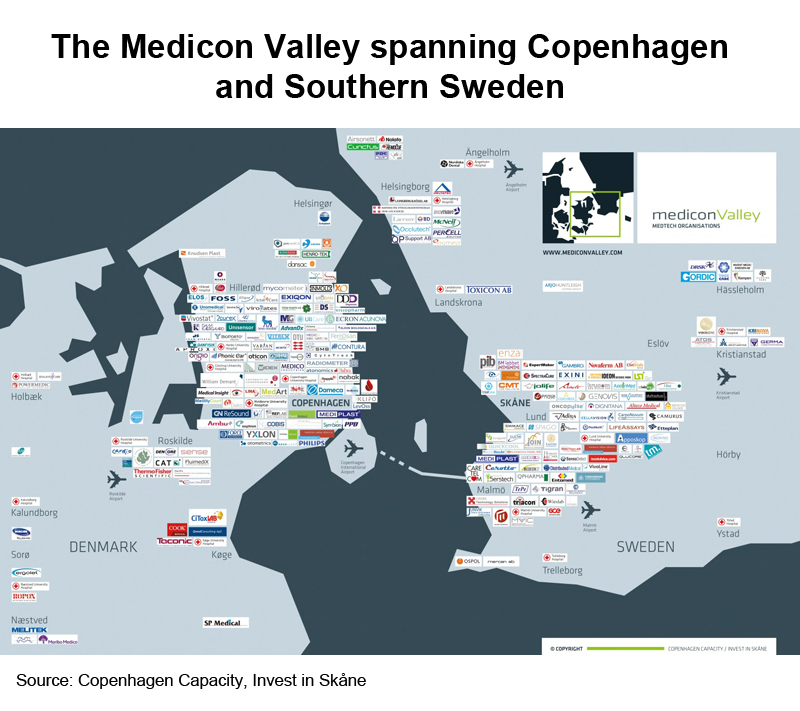
By working closely with Nordic healthcare start-ups and helping them find partners and clients from the Chinese mainland, Hong Kong can be an ideal enabler of Sino/Asian-Nordic HealthTech application and collaboration. Meanwhile, Hong Kong can be an disinterested risk controller, assisting Nordic HealthTech companies in screening prospective investors from the Chinese mainland and other parts of Asia.
[1] Nest is a leading full-service innovation accelerator platform in Hong Kong. Providing seed capital and expertise to entrepreneurs, it empowers startups throughout Asia with a wide range of services
[2] Copenhagen Capacity is the official organisation for investment promotion and economic development in the Greater Copenhagen Region.
| Content provided by |
|
Editor's picks
Trending articles
12 Jul 2016
The Broadband Silk Road
By CITY BUSINESS Magazine (College of Business, City University of Hong Kong)
After a century of marginalisation, Central Asia transit routes are once again taking centre stage. City Business Magazine editor Eric Collins investigates the nature of the historical Silk Road, and asks why China is unveiling a new version for the 21st century.
Sinuously the Silk Road flows from ancient times down to the present. From China through the Taklamakan Desert to Samarkand at its centre, through the grassland steppe of Central Asia to the shores of the Mediterranean, it helped pioneer globalisation. Romantically we imagine spices, silks, perfumes and precious stones wending their way by camel between China and Europe. But what was the nature of this Road? Who and what travelled along it and in what direction? Was it just confined to goods? Or did ideas make the journey as well? How Broadband was this historical Silk Road? And how does it relate to its latter-day successor, the recent China development policy initiative, One Belt One Road (OBOR)?
Please click here for the full article.
Editor's picks
Trending articles
Nordic Opportunities: FinTech Developments
With deep roots in information and communications technology (ICT) innovation and application, Nordic countries lead in many financial innovations, such as e-banking, e-invoicing, digital wallets, mobile money and ‘cryptocurrencies’. Attracting a total investment of US$390 million in the 15 months ending March 2016, the Nordic financial technology, or ‘FinTech’, industry has been fast developing into the region’s most popular investment.
Accounting for a lion’s share of FinTech start-up investments in the Nordics, Sweden is the third largest FinTech hub in Europe, trailing only the UK and Germany, while Finland is a global leader in electronic invoicing and Denmark is on track to become the world’s first cashless nation.
Fundamentals for FinTech success
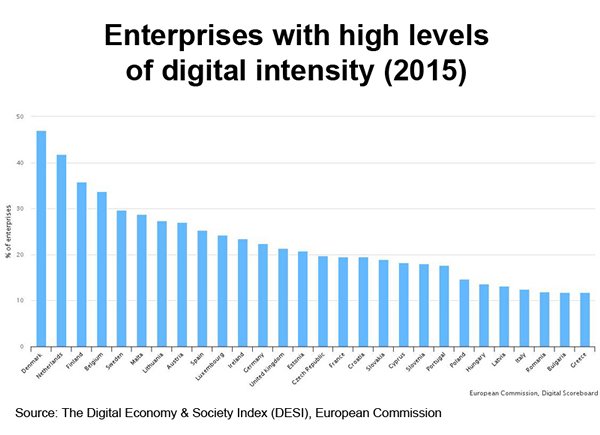
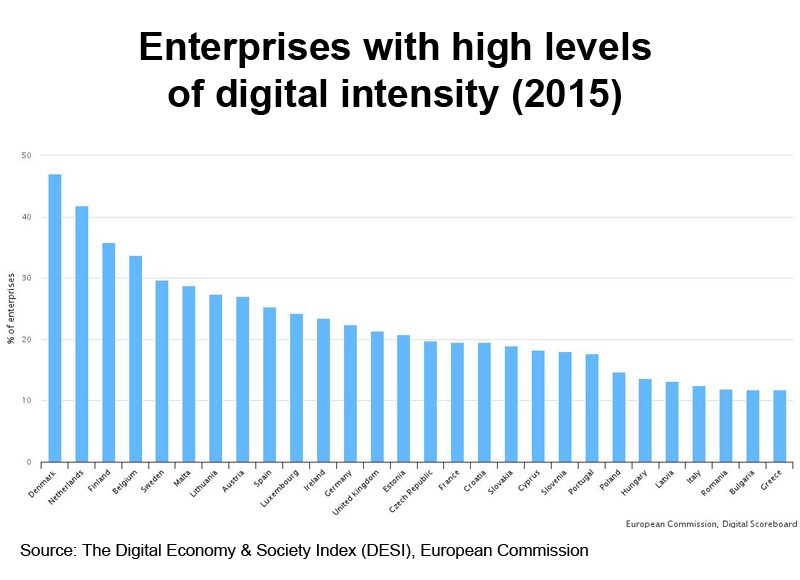
From the first 3rd Generation (3G) mobile phone licences (March 1999, Finland) to the success of mobile phone giants such as Nokia (Finland) and Ericsson (Sweden) and the EU’s highest corporate digital intensity (Denmark), Nordic countries are often described as perennial e-readiness leaders, jockeying for position and carrying out cutting-edge research and development in next-generation mobile telecommunications standards, such as 5G.
Boasting such advanced digital economies, Nordic countries like Denmark, Finland and Sweden have all the fundamentals to fast-track FinTech development. Riding on the solid ICT infrastructure, Nordic people have become adept, frequent internet users and early adopters of e-services, making them ready targets for FinTech developers.
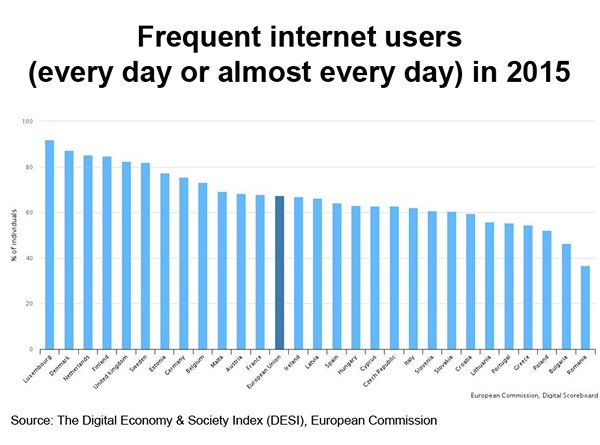
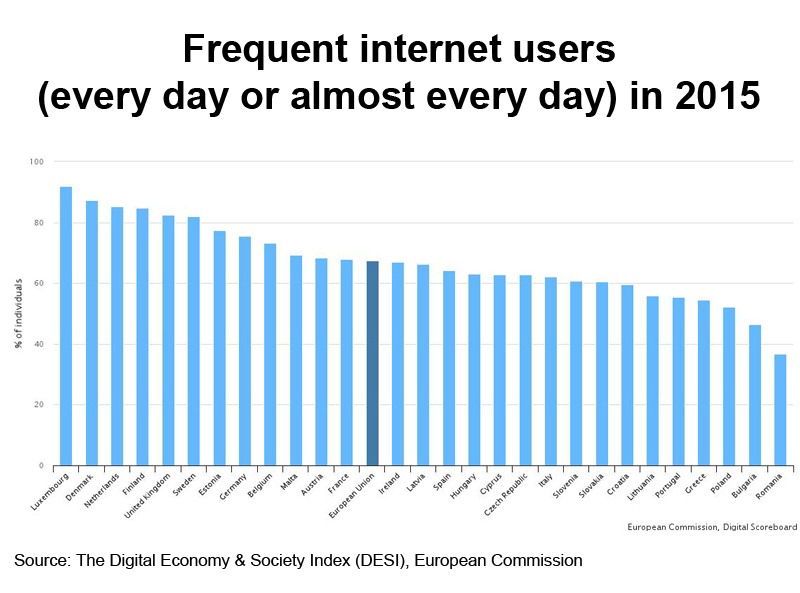
Close to becoming a cash-free economy (e.g. bills and coins represent only 2% of Sweden’s economy, compared with 8% in the US and 10% in the Eurozone, while Denmark has a stated goal of “eradicating cash” by 2030), most Nordic countries see remarkable acceptance of not only online service orders and electronic payments, but cryptocurrencies (digital money or e-money) such as Bitcoin.
Thanks to promotion of electronic public services by Nordic governments and sound regulatory frameworks in the region’s banking and finance sector, most Nordic consumers are not only highly receptive in making online purchases such as holiday accommodation, travel plans and event tickets, but also readily use banking and managing savings, insurance and other financial plans such as crowd-funding over the Internet.
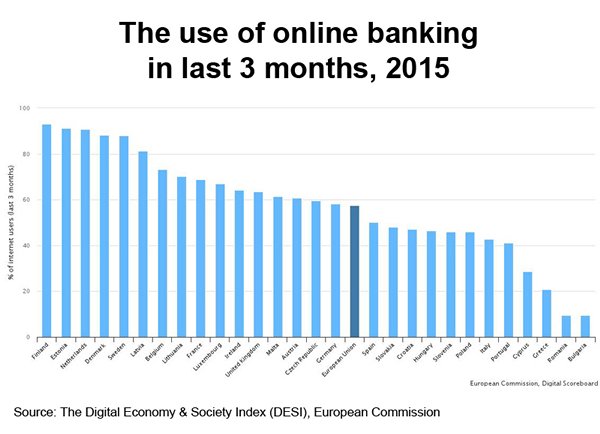
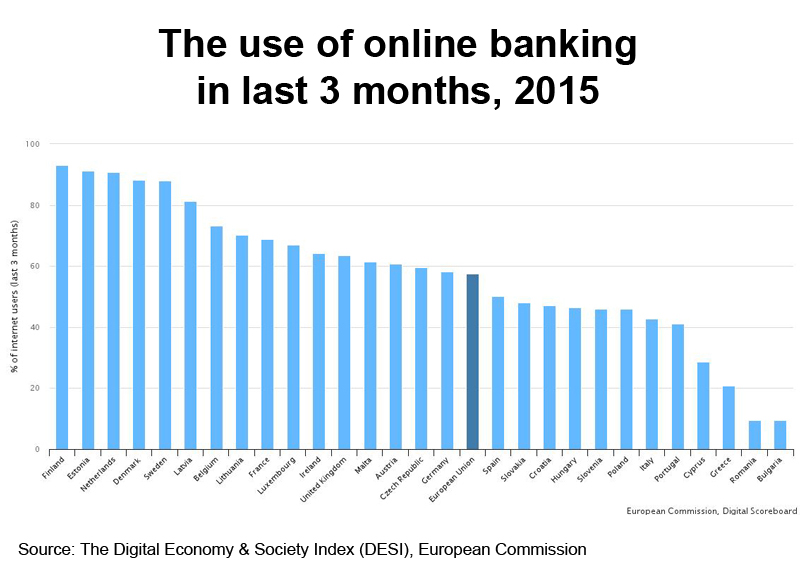
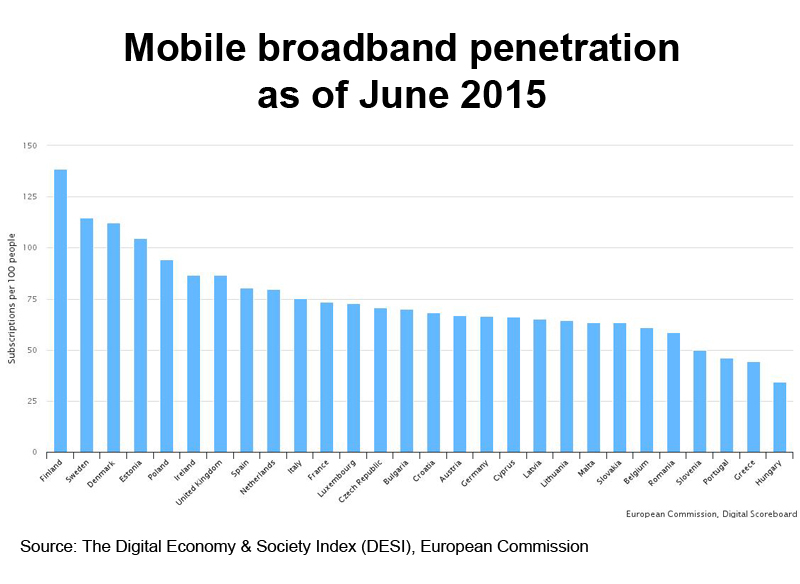
Complementing the trend is the region’s high mobile broadband penetration. Having the highest number of active mobile broadband SIM cards per 100 people in the EU, Nordic countries are fast following the trend of accessing the internet via smartphones. This, in turn, makes e-banking, e-insurance, e-securities and other FinTech applications more commonplace and readily accessible to their target audience.
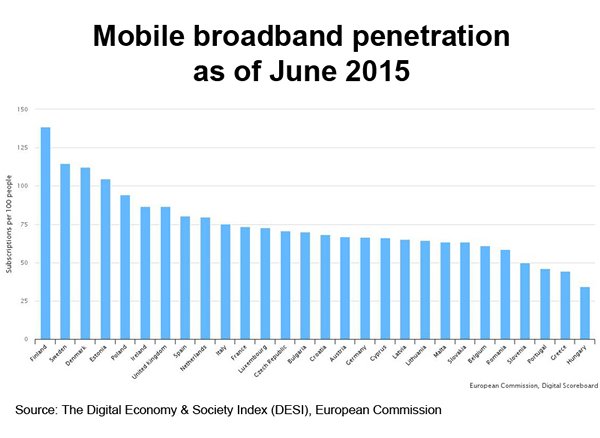
Aside from the individual level, Nordic enterprises are also frontrunners in driving the digital revolution by unlocking the power of new, visionary concepts such as the Internet of Things (IoT) and Big Data. Electronic supply chain management, e-invoicing, enterprise resource planning (ERP) or customer relationship management (CRM) software, social media and web sales are commonplace among Nordic companies, providing FinTech developers a ready clientele to promote their innovative offers and a steady stream of fund for both start-ups and scale-ups.
A vibrant FinTech scene
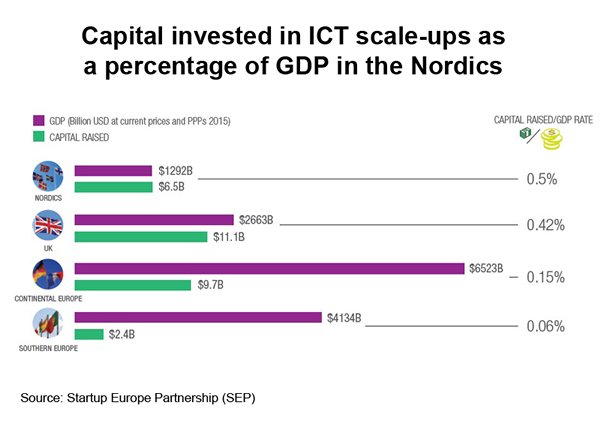
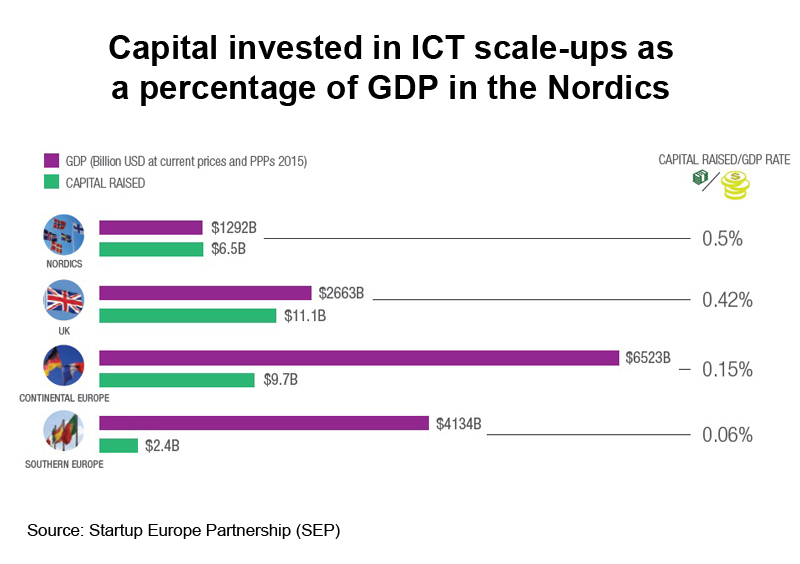
Established by the European Commission in January 2014, Startup Europe Partnership (SEP), a pan-European platform dedicated to transforming start-ups into scale-ups, describes the Nordics as a vital and productive start-up ecosystem for ICT players. Apparently, that the Nordics have injected more of their GDP into ICT scale-ups than other parts of Europe, creating a favourable scene for FinTech development.
According to data from The Nordic Web, a resource on venture capital for the Nordic start-up scene, 51 FinTech investments of US$390 million were tracked in the Nordics in the 15 months ending March 2016, making the emerging financial service sector the most attractive investment segment in the region for the first time.
Out of those 51 investments, 32 were made in Sweden, eight in Finland, five in Denmark and four in Norway, while nearly one in 10 investments in the Nordics is currently made in the field of FinTech. Such an encouraging investment landscape has not only made Sweden the third-largest FinTech hub in Europe, after UK and Germany, but highly conducive to FinTech research and development in the Nordic region as a whole. This, coupled with the strongly export-oriented Nordic economies, makes Nordic countries an unequalled partner for both greenfield and brownfield FinTech projects.
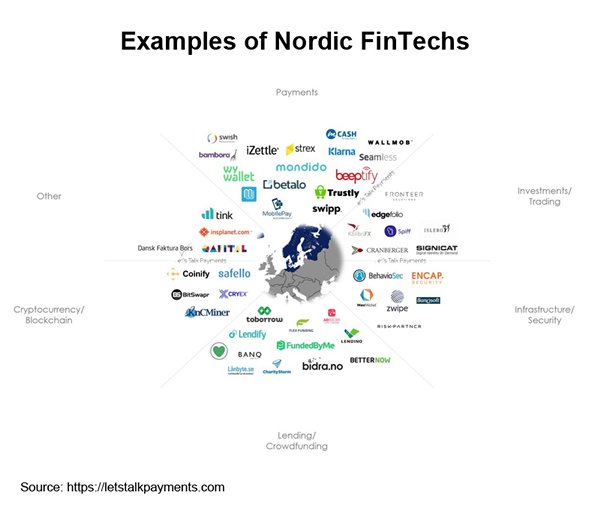
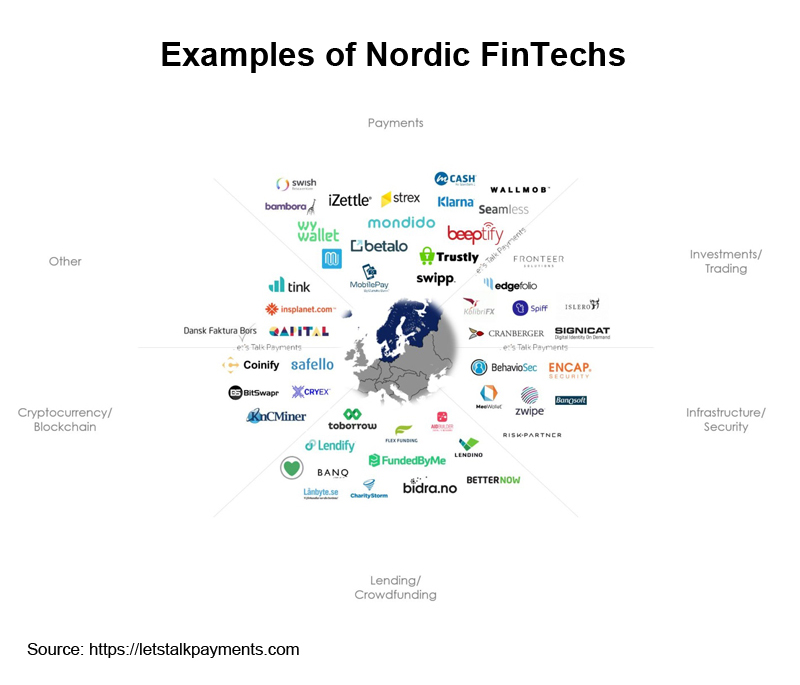
While the majority of Nordic FinTech investments are still in their infancy with investment mostly in the US$1-3 million range, first fruits of Nordic’s FinTech success include Sweden’s iZettle (mobile payment solutions), Klarna (payment solutions to e-stores) and FundedByMe (crowd-funding), Denmark’s Coinify (Bitcoin services) and Holvi (company banking solutions) and Finland’s Zervant (e-invoicing solutions). Given their small home market, most of these fast-growing Nordic FinTech companies have expanded overseas to find markets as well as in search of investment to further scaling up, creating a good environment for Hong Kong-Nordic collaboration.
A way forward for Hong Kong-Nordic FinTech collaboration
With respect to the Nordic’s vibrant FinTech scene, although Hong Kong is yet to evolve into the most attractive destination for greenfield FinTech projects, it can serve as a risk manager, assisting Nordic FinTech companies in screening prospective investors from the Chinese mainland and other parts of Asia. This is particularly useful when Nordic companies encounter problems with potential Chinese mainland investors, and when it comes to advising on such highly sought-after resources as government incentives and incubation schemes, accelerators, angels and venture capitalists, which are commonplace in Hong Kong but less so in Europe.
Sharing many similarities with the Nordics with respect to ICT, Hong Kong, as a free, well-connected and competitive economy with robust ICT infrastructure, is a leading digital economy, consistently achieving top rankings in e-readiness and internet access capabilities. The city’s broadband networks cover nearly all commercial and residential buildings in the territory, with household (84.0% as of Feb 2016) and mobile penetration rates (229% as of Feb 2016) ranking among the highest in the world.
The success of the FinTech industry in London over Silicon Valley and New York highlights the importance of proximity to a healthy financial centre, alongside a rich pool of talent and strong government/regulatory support. Similar patterns have also been observed in the Nordic FinTech field, with Sweden dominating the scene. Hong Kong, positioned as a major international financial centre and the premier capital formation centre for the Chinese mainland, therefore possesses all the ingredients for a FinTech hub.
As a long-time enabler for overseas services providers to develop products that are not just made for domestic market demand, but potentially transferable between geographies in Asia, the local knowledge of Hong Kong financial companies is a valuable resource for Nordic FinTech companies in the process of localising their technology to cater to the peculiar needs of the burgeoning Asian market as well as other Belt and Road economies which are striving for better physical as well as virtual connectivity.
The growing middle class in the Chinese mainland plus the Chinese government’s drive, under the 13th Five-Year Plan, towards the development of high-speed and safe next-generation ICT infrastructure, as well as quickening the pace of implementing the “Internet +” action plans and developing IoT and big data technology and applications, is set to create a wealth of opportunities for FinTech companies.
Given also the unprecedented pace of e-commerce adoption and the dire need for lucrative investment opportunities and diversified financial products among cash-rich Chinese enterprises and individuals, the demand for convenient, reliable FinTech solutions, such as crowd-funding or alternative banking platforms will see a hefty increase as people’s receptiveness to financial innovation grows and mobile broadband penetration is expected to reach 85% by 2020 from 57% in 2015.
By representing Nordic FinTech start-ups and helping them find partners in Hong Kong and the Chinese mainland, connecting them with relevant financial sector regulators and guiding them through setting up procedures such as business registration, incentive application and contract signing (e.g., the inclusion of the arbitration clauses stipulated by the home-grown Hong Kong International Arbitration Centre), Hong Kong’s financial services companies can be ideal facilitators of Sino-Nordic FinTech projects.
| Content provided by |
|
Editor's picks
Trending articles
Myanmar Rising: The Mandalay Opportunity
Myanmar, a medium-size ASEAN country by population with a good supply of young workers, has gained increasing attention as one of the alternative production bases in Southeast Asia. Driven by an increase in investment, the International Monetary Fund (IMF) recently projected that Myanmar would achieve 8.6% GDP growth in 2016, leading other fast-growing neighbouring countries such as Cambodia (7%), Laos (7.4%), Vietnam (6.3%) and Bangladesh (6.6%).
In a recent field trip to Myanmar, just prior to the formation of a new Myanmar government in April 2016, HKTDC Research set out to assess the suitability of the country for factory relocation. While all eyes are fixated on Yangon, the country’s economic centre and largest city, we also visited Mandalay, its second-most populous city, to gain an informed understanding of the business and investment environment there.
Investors Seeking Opportunities Beyond Yangon
While Yangon is still the primary focus of foreign direct investment (FDI), overseas investors are increasingly paying attention to other locations, in particular the core regional cities such as Mandalay – another growth pole of the country identified under Myanmar’s National Comprehensive Development Plan 2010-2030.
Mandalay, the capital of Mandalay Region, is a main economic centre in central and northern Myanmar. In the fiscal year ending March 2015, Mandalay Region contributed 11.4% to the country’s GDP, trailing Yangon Region’s 22% and Sagaing Region’s 11.6%.
In Mandalay, as in Yangon, government departments and private companies invariably expressed optimism over the future economic and business prospects of the country, despite a slowdown in economic growth[1] linked to the general election held in November 2015, which had been widely expected before the poll and turned out to be temporary. Business investment in Myanmar, in the infrastructure sector in particular, has gradually regained momentum in the wake of the smooth political transition in April 2016, sending a signal to investors that Myanmar remains committed to the on-going economic and political reform agenda.
Centrally Located Mandalay Currently a Trade Hub in Myanmar
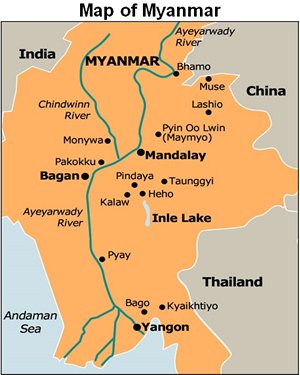
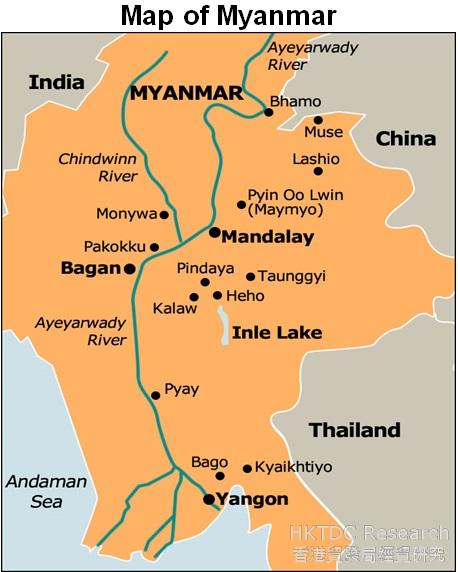
Mandalay is a thriving trade hub thanks to its central geographical location in Myanmar, with a major highway from the border with China running through the region and onwards to Yangon. Along this route, which serves as one of the country’s primary trade arteries, agricultural products as well as jade and gemstones are exported to nearby countries, while manufacturing imports, mostly from China, are transported to Myanmar.
Situated on the east bank of Ayeyarwady River, Myanmar’s most important commercial waterway that flows through the country from north to south, Mandalay is also well connected with other major cities including Yangon and Bagan via an intricate network of canals transporting passengers and cargos using small vessels, and making it a key distribution centre for local markets.
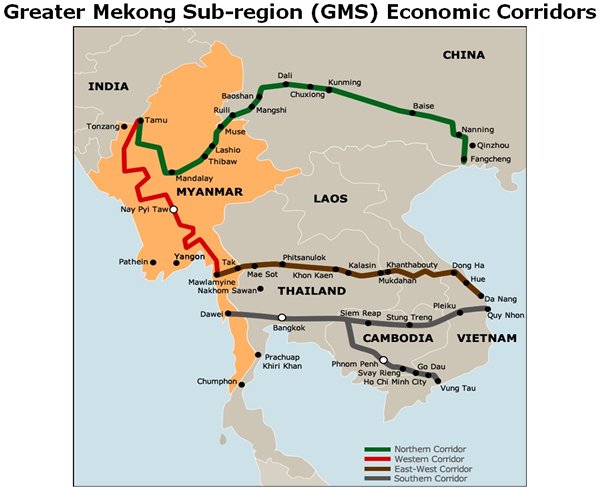
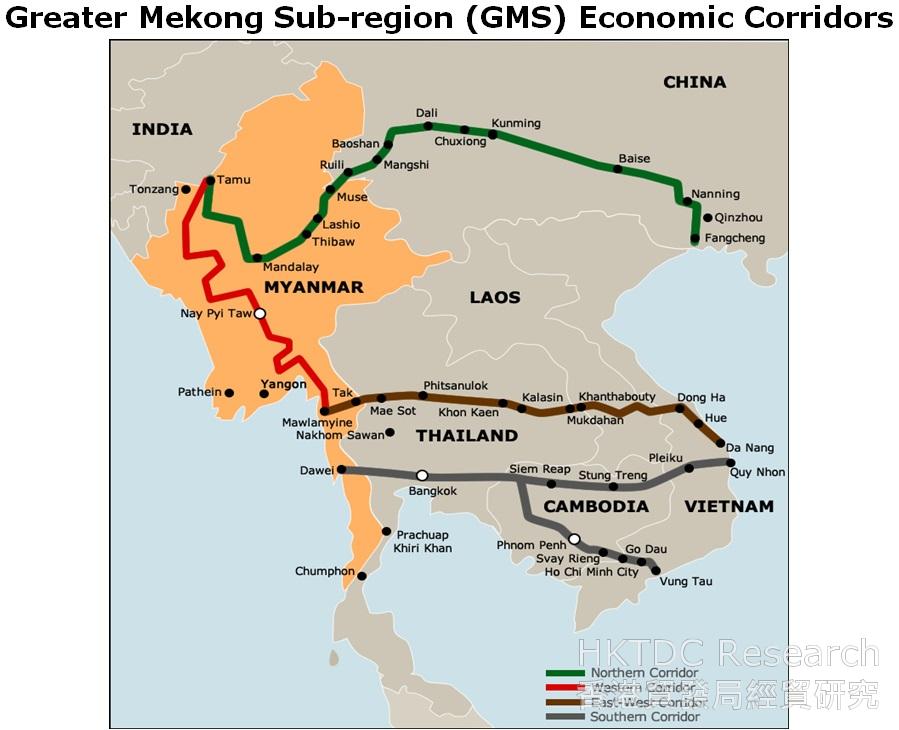
To boost its trade and logistics hub prospects, Mandalay has set its sight on further industrialisation and enhancement of its economic agglomeration along four main Greater Mekong Sub-region (GMS) Economic Corridors (the Northern Corridor, the Western Corridor, the East-West Corridor and the Southern Corridor, detailed below), which provide external connections between Myanmar and ASEAN countries on the Indochina Peninsula including Thailand, Laos, Cambodia and Vietnam, as well as internal connections within the country.
Mandalay Opportunities Arising from the BCIM Economic Corridor
Apart from collaborating with other ASEAN peers along the GMS economic corridors, Myanmar designates a major role to Mandalay in the development of the Bangladesh-China-India-Myanmar (BCIM) economic corridor, a route proposed under China’s Belt and Road Initiative (BRI) that links India’s Kolkata with China’s Kunming (K2K), with Myanmar’s Mandalay and Bangladesh’s Dhaka among the key points along the K2K highway. To this end, Mandalay is set to benefit from the improvement of infrastructure and industrial zones creation along the BCIM economic corridor.
Currently, most of the infrastructure and logistics companies in Mandalay focus on the domestic market and face a challenge in providing services that meet international standards. Construction of the BCIM economic corridor, which will comprise not just roads and power lines, but also industrial cities along the way, will create ample opportunities for overseas service providers with technical and expert knowledge in areas such as infrastructure construction and project management to enter the Myanmar market. In due course, this will facilitate knowledge sharing and technological transfer through partnerships between local and international companies, and will help to enhance the overall trading and logistics capability of Mandalay in the longer term.
Opportunities in Light Manufacturing, Agro and Food Processing
In terms of industrial production, most of the manufacturers in Mandalay Region are involved in agro/food processing, machinery and the production of a limited range of consumer goods. Apart from showing the potential to further develop its trading and logistics sector, opportunities also exist for companies to engage in light manufacturing in Mandalay, where land is cheaper than in Yangon.
According to a recent survey report[2] released by the Myanmar Investment Commission (MIC), the investment climate in Mandalay is promising with 56% of the survey respondents rating the business prospects of their industries in Mandalay as good for the coming three years, citing growing market demand, better infrastructure and improved government services.
While highlighting the region’s potential, the MIC survey recognises that Mandalay faces institutional and infrastructure limitations that may hinder its further development. To enhance Mandalay’s competitiveness, especially in the medium term, the MIC report suggests certain courses of action, such as upgrading the existing dilapidated transport infrastructure and increasing the availability of electricity supply and usable land.
On the heels of notable efforts made under reforms initiated by former President Thein Sein, the new NLD government under President Htin Kyaw is also committed to further liberalising Myanmar in order to attract foreign investment. However, it will take some time for Mandalay to gradually build up its economic capacity. Until then, investors seeking to take advantage of the array of opportunities presented have to carefully weigh up the benefits and challenges associated with an early entry into Mandalay.
Infrastructure Capacity Building
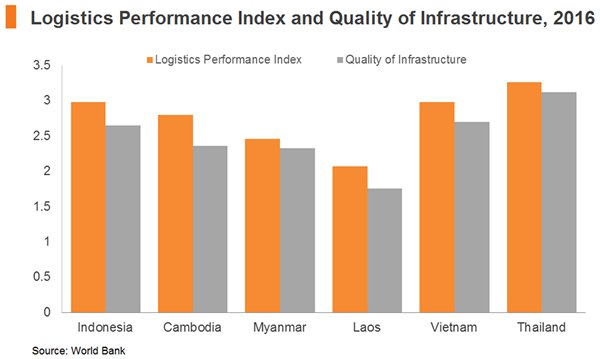
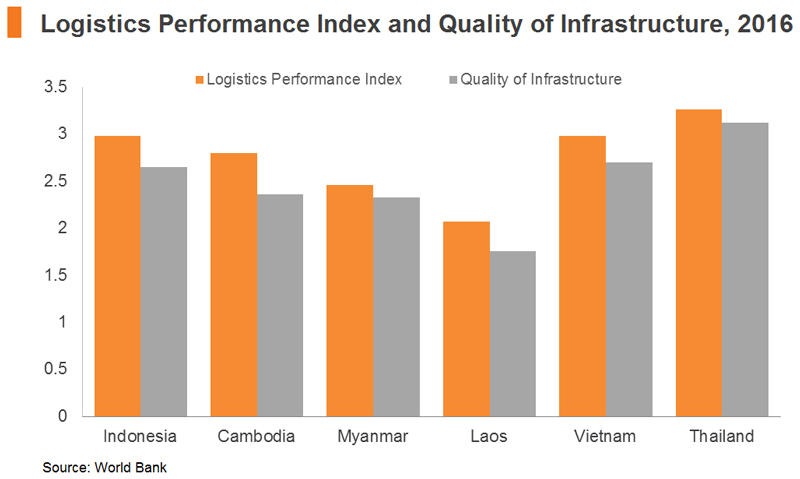
Mandalay’s favourable geographical location provides it with a unique opportunity to develop itself into a key regional transport hub. However, the country’s transport infrastructure on the whole requires a significant upgrade. In the 2016 World Bank’s Logistics Performance Index (LPI), Myanmar ranked number 113 out of 160 countries, trailing the other ASEAN countries. In terms of the quality of infrastructure, one of the LPI components relates to trade- and transport-related infrastructure (e.g. ports, rail, and information technology): Myanmar was ranked 105th.
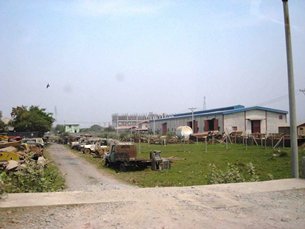
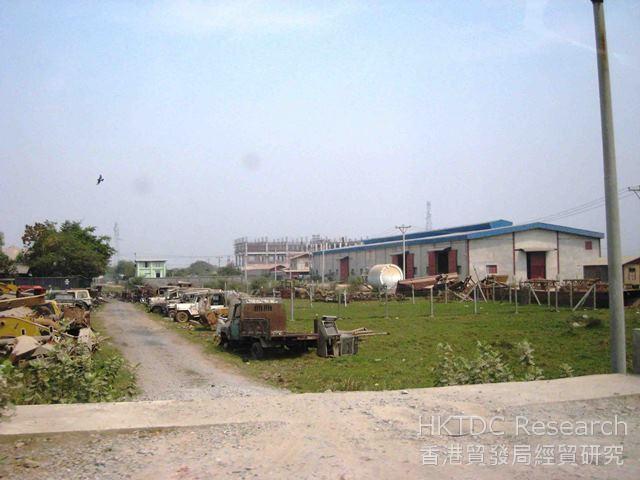
In HKTDC Research’s recent trip to Myanmar, nearly all of the private-sector interviewees whom we met pointed to the country’s poor transport infrastructure, notably bad roads and insufficient port facilities, as a main obstacle to doing business. Upon our inspection of the road and transportation conditions in the two cities, Yangon is evidently better than Mandalay, where there appears to be proportionally fewer paved roads, numerous unpaved ones and even dirt trails, causing dust to hamper views during a typical dry and windy day.
While HKTDC Research found that new roads are being built in Mandalay, along with some newly completely routes such as those leading to the new airport, road infrastructure generally appears to be outdated with a pressing need to be upgraded, something urgently required in order to improve the efficiency of the country’s logistics links.
In the 2014-2015 financial year, FDI inflow to Myanmar was more than US$8 billion (MIC approved basis), with Yangon Region accounting for 47% of the FDI total. In comparison, Mandalay Region received just over 8% of the overall FDI. Admittedly, most foreign investors remain focused on Yangon and its nearby areas for the time being, where infrastructure is relatively more advanced, in part reflecting their concern about Mandalay’s transport infrastructure and other shortfalls.
That said, Mandalay authorities also recognise the need to modernise its underdeveloped transport network in order to keep pace with the country’s rapid development. A number of projects are now in process, which hopefully will enhance Mandalay’s overall environment for doing businesses in the longer term.
As the authorities roll out more new projects, many business opportunities will arise for foreign investors in the infrastructure and logistics sectors. The following section highlights some of the latest developments in Mandalay, giving potential investors a better picture of the region’s future prospects.
Transport Infrastructure – Road
As a growing economy, Myanmar has experienced a surge in demand for roads, with the total number of registered motor vehicles rising beyond five millions in 2014 from less than one million in 2004. However, only 40% of Myanmar’s road network is paved and at least 60% of its highways need maintenance, according to the ADB’s Asian Development Outlook 2016.
To improve land connectivity and to foster national and regional integration, major highways in Myanmar are being extended or upgraded. For example, the Mandalay-Muse Highway is the main route for border trade through Myanmar’s Shan State to China. An increase in border-trade activities between the two countries since 2012 has led to regular traffic jams and frequent road accidents, given an estimate of about 1,500 trucks using this road every day.
To relieve traffic congestion and increase safety, it was announced in early 2016 that the existing two-lane highway will be updated to a four-lane asphalt road with a US$300 million investment by the Oriental Highway Company, a former subsidiary of Asia World Group that is managing the highway under a Build-Operation-Transfer (BOT) agreement with the government. Two 16-kilometre sections of the Yangon-Mandalay Highway will also be upgraded along with the repair of roads and bridges within the Mandalay Region as part of a 100-day project launched by the local Road Transportation Administration Department (RTAD).
Transport Infrastructure – Railway
Myanmar has an extensive rail network, with about 6,000 kilometres of tracks connecting the country’s main cities. The Yangon-Mandalay route is one of the busiest in Myanmar and many commodities imported from China are transported to freight stations in Mandalay and forwarded to Yangon by rail. Like the country’s road system, the railway is severely under invested. As a result, a train from Yangon to Mandalay could take up to 16 hours to complete this 622-kilometre journey.
To reinvigorate the aged railway, a US$2.2 billion project is scheduled to commence in 2017, upgrading the railway under a three-phase programme and shortening the total travel time to eight hours upon completion in 2025. A tender for private companies to work on this railway upgrade project is expected by the end of 2016.
Transport Infrastructure – Port
Anticipating container-port traffic to build up over time, a new river port called the Semeikhon Port (SMP), located along the Ayeyarwady River about 70 kilometres from the city of Mandalay, is being built by the Mandalay Myotha Industrial Development Public Co. (MMID), the same company responsible for the nearby 4,400-hectare Myotha Industrial Park project, which is also under development.
The SMP, covering 152-hectares with a quay length of 1.5 kilometres, will be developed in phases. The first phase is designed with a floating berth, barges and cranes that allow the loading of cargo regardless of the differences in water levels in the wet and dry seasons. It is reported that the port will have the capacity to handle an estimated 200,000 tonnes of general cargo, containers and roll-on-roll-off (Ro-Ro) cargo once phase one is completed. As of March 2016, basic port infrastructure had been completed, according to MMID.
Transport Infrastructure – Air
In terms of air transport, Mandalay Region has two airports, including Mandalay International Airport (MIA), one of the only three international airports in the country alongside Yangon and Naypyidaw, the capital of Myanmar. At present, there are many international airlines and domestic airlines operating in Mandalay. Myanmar National Airlines, the national flag carrier, has the most extensive route network within the country. It has operated direct flights from Yangon to Hong Kong since December 2015, but has yet to provide a direct service to Hong Kong from Mandalay.
To meet the increased demand brought about by the accelerated business activities, the MIA will carry out a US$13.5 million upgrade plan, capitalising on the city’s existing road and river transport networks to facilitate trade links. This project aims to raise the airport’s annual passenger-handling capacity to 15 million from its current three million, while boosting its cargo-handling capacity in three phases, from 4,000 tonnes in Phase 1 to 12,000 tonnes in Phase 3. In addition to international contracting of construction, there will also be opportunities for Hong Kong companies with experience in airport management to benefit from the expansion project.
Electricity Supply
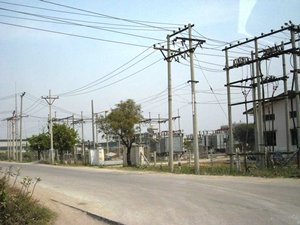
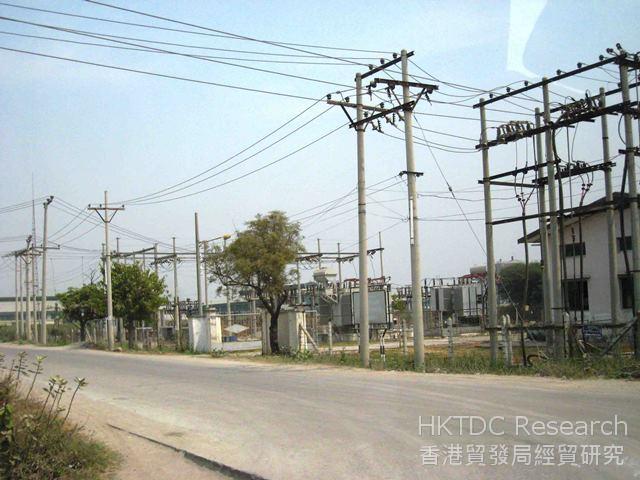
Apart from transport infrastructure, a lack of access to reliable electricity is considered to be another major shortcoming to investing in Mandalay. While the situation has improved compared to two or three years ago, as pointed out by many businessmen and government officials interviewed by HKTDC Research, it is worth noting that about 30% of some 4,780 villages in Mandalay Region are still not connected to the public electricity grid, according to the Mandalay Electricity Supply Corporation.
In an effort to boost electricity supply, an agreement was signed in 2015 by Singapore-listed Sembcorp Industries and the Myanmar government to build a 225-megawatt gas-fired power plant in Mandalay. The plant, with a total investment of US$300 million, is expected to be operational by 2018.
To reduce the country’s dependence on hydropower, the Myanmar government signed a US$480 million deal with United States-based ACO Investment Group in 2014 to construct two solar plants in Mandalay Region. All these developments will be conducive to creating a more stable electricity supply for Mandalay Region.
Land Supply – Industrial Zones in Mandalay
Apart from taking into account infrastructure development, the ease of finding a location to establish production plants will also be crucial for manufacturers considering investing in Mandalay, along with the availability of labour. As the country’s second-most populous city, the land locked Mandalay is centrally located and able to attract workers from the surrounding provinces, thus ensuring a good supply of workers over the short-to-medium term.
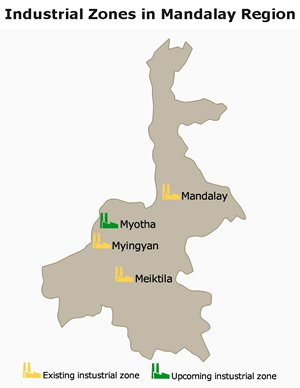
While land cost is generally lower compared to the country’s largest commercial centre Yangon, there are only a limited number of industrial zones available in Mandalay. At present, Mandalay Region has three industrial zones, namely the Mandalay Industrial Zone, Myingyan Industrial Zone and Meiktila Industrial Zone.
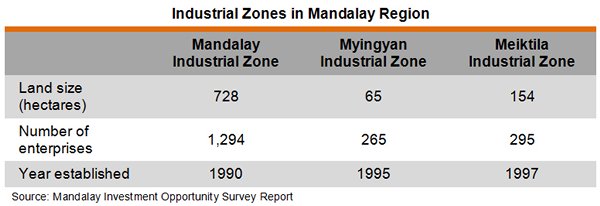

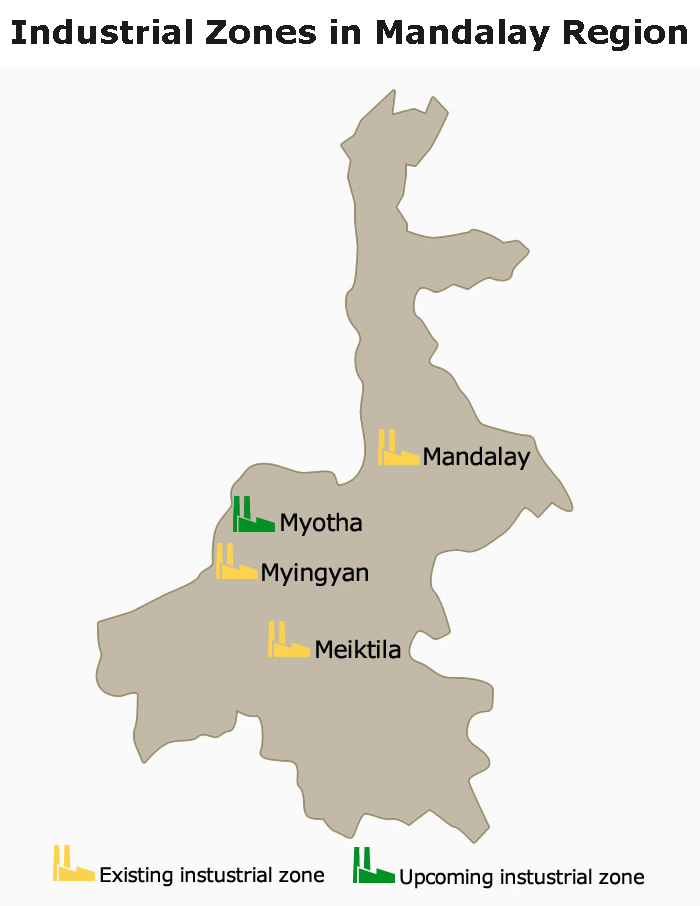
The Mandalay Industrial Zone, located in the city of Mandalay, was reported to have more than 1,200 factories in operation at the end of 2015, with its focus on production of consumer and household goods, agricultural and machinery. The zone also handles some export-oriented products from certain wood-based industries, with major markets including France, Italy, Japan, China and Thailand.
Most of the factories located in the Mandalay Industrial Zone are locally owned or run as joint ventures with companies from Southeast Asia, such as Singapore or Thailand. According to the Mandalay Industrial Zone Management Committee, plans to upgrade the zone include improving basic infrastructure as well as human resources development in order to attract FDI.
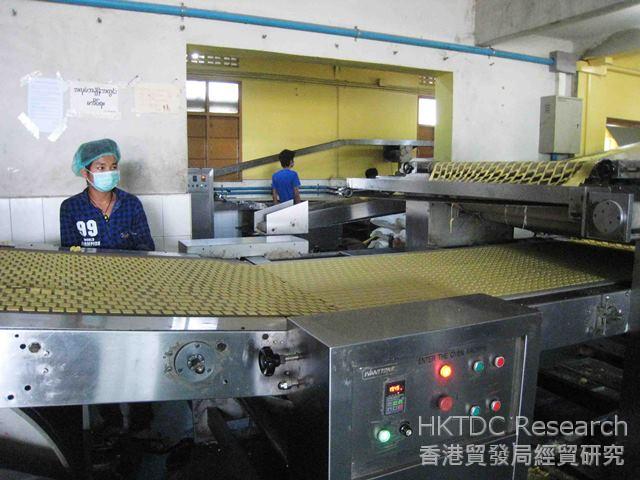
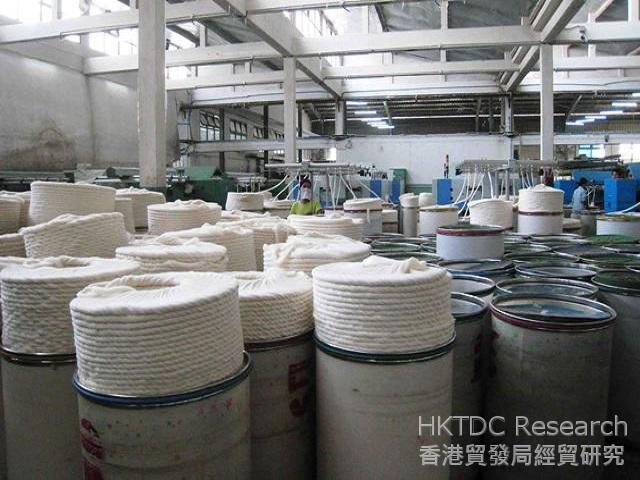
In addition to the three existing industrial zones, the Mandalay Myotha Industrial Park (MIP), located about 58 kilometres from the city of Mandalay and 45 kilometres from Mandalay International Airport, is also being developed under a joint venture between the Mandalay city government and the MMID.
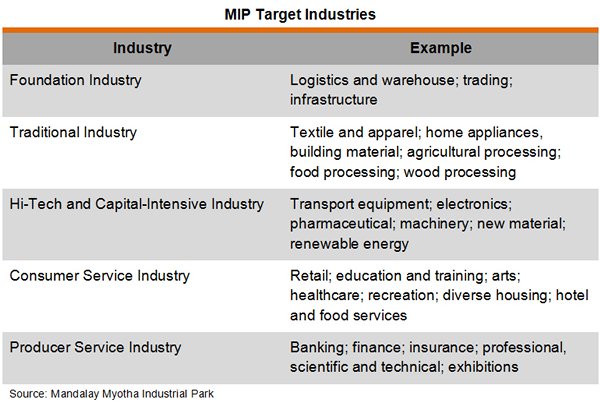
According to the MMID, this new industrial park will be developed in three phases: Phase 1 during 2013-2017, Phase 2 during 2017-2022 and Phase 3 during 2022-2025. The park will include areas for industrial development, warehouse and logistics development, residential development, road transportation development, and the development of commercial facilities, with five target industry group being highlighted, as shown below. The MIP is expected to create a new industrial and logistic hub in upper Myanmar, enhancing the overall competitiveness of Mandalay in the future.
Summary
As Myanmar regains economic vigour, Mandalay is expected to thrive as the economic hub in the central and northern parts of the country under the new Myanmar government led by President Htin Kyaw, creating trading, light manufacturing and logistics opportunities. Meanwhile, an upgrade of the poor infrastructure is badly needed, with the government taking practical measures to tackle the problem with private-sector participation, thus creating opportunities for related services companies. Hong Kong investors seeking to go beyond Yangon to tap into the Mandalay opportunities, however, should carefully weigh up the benefits and the challenges in making an early entry there.
[1] According to the IMF, Myanmar’s real GDP growth slowed to 7.0% in 2015, from 8.7% in 2014.
[2] Myanmar Investment Commission : Mandalay Investment Opportunity Survey Report, October 2015
| Content provided by |

|
Editor's picks
Trending articles
15 Jul 2016
Opportunities for Scotland in One Belt One Road
By Thompson Chau, The Asia Scotland Institute
In March 2015, China issued a document entitled “Vision and Actions on Jointly Building Silk Road Economic Belt and 21st-Century Maritime Silk Road”, outlining the blueprint of the One Belt One Road Initiative (OBOR). The initiative not only represents a national and coordinated push to expand China’s influence abroad, but is also coupled with a domestic investment drive, involving almost every Chinese province. China’s ambassadors to countries situated from Africa to Southeast Asia are already securing assurances of collaboration on OBOR. Similarly, Chinese provinces have begun to invest in infrastructural projects and construct logistics centres in anticipation of growing trade and interaction with OBOR countries. Described as “the most significant and far-reaching initiative that China has ever put forward”, OBOR will increase the demand for Scotland’s leading export industries, professional services and universities among the regions involved. Along the five routes (shown in Figure 1), five OBOR goals were proposed: policy coordination; facilities connectivity; unimpeded trade; financial integration; and people to people bonds. While Chinese institutions and SOEs (state-owned enterprises) are expected to take the lead, these five areas of connectivity will offer organisations and individuals in Scotland a whole new spectrum of opportunities to play a role in shaping the economic development and integration across the three continents. OBOR is not a solo performance by China. It is a symphony orchestra in which the Scottish bagpipe is surely going to have its part...
Please click here for the full article.
Editor's picks
Trending articles
“Going Out” to Capture Belt and Road Opportunities (Expert Opinion 2): Managing Brand Value
China is currently the second largest economy and one of the biggest consumer markets in the world. However, in the face of such challenges as faltering global economic growth as well as slower pace of domestic sale and export, many Chinese enterprises are actively pursuing transformation and upgrading as well as developing brand business in the hope of increasing the value-added of their products or services, enhancing competitiveness, and exploring more new markets.
Yet, an expert in branding reminded these companies that they must map out a comprehensive long-term brand strategy, complemented with appropriate market positioning before they can build sustainable brand business. Hong Kong brand designers, who have accumulated rich experience in serving multinational companies, can provide mainland enterprises with one-stop services to develop both the domestic and foreign markets.
Sustainable Brand Strategy
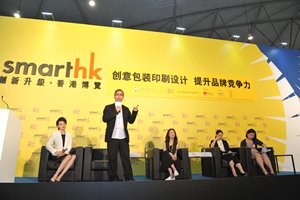
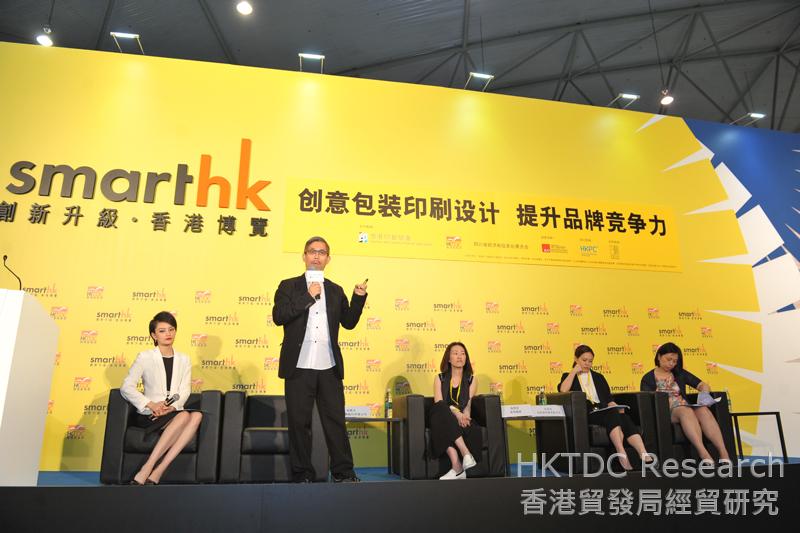
Charles Ng, founding Chairman of the Hong Kong Brands Association and Chief Brand Consultant of Maxi Communications Ltd, told HKTDC Research that mainland manufacturers today are well aware of brand value and are also willing to invest in developing creative new products and new services. However, the resource inputs of many companies in building and promoting brands are insufficient, and some of them have even been distracted by fads and trends, diverting from the original course of business development.
Moreover, many companies lack long-term development strategy, yet hope to develop national and even international brands by using regional brand development methods. But with insufficient resource inputs, it is difficult for them to achieve the expected effects of transformation and upgrading.
Citing an example, Ng said: “At one stage when the economy underwent rapid growth, luxury consumer trends dominated the mainland market. This had attracted many catering and consumer goods companies to jump on the bandwagon and change their marketing strategy overnight in pursuit of short-term profit before clearly considering their business development.
“After the fads had receded, these companies were at a loss and some even quickly changed their market positioning, disrupting the sustainability of their promotion and marketing activities. This inevitably sent out confusing signals to consumers and the market, directly undermining their brand and corporate image.
“An all-round strategy is of prime importance to the development of brand business. For instance, in recent years online shopping has been gaining increasing popularity in the mainland, which has made it impossible for companies to ignore exploring online business opportunities. But companies positioned in the higher end of the market must consider how to balance the development of online and offline business in order to avoid giving people the impression of trading down, which may damage their overall brand image. And in search of short-term profit, these companies may also overlook the need for all-round development.”
Managing Overall Brand Value
Ng also cautioned against a one-size-fits-all approach to branding internationally. He said: “As for ‘going out’ to develop overseas markets, although the purchasing power of some of the Belt and Road markets is different to that of developed countries, mainland enterprises still have to avoid competing on price only along the Belt and Road routes at the expense of their overall sales and brand development strategy. This may impact their business development in other markets under the current trend of globalisation and free flow of information.
“Using an inappropriate strategy to develop individual markets is sure to affect the overall corporate image and brand value of the enterprise and may do more harm than good.”

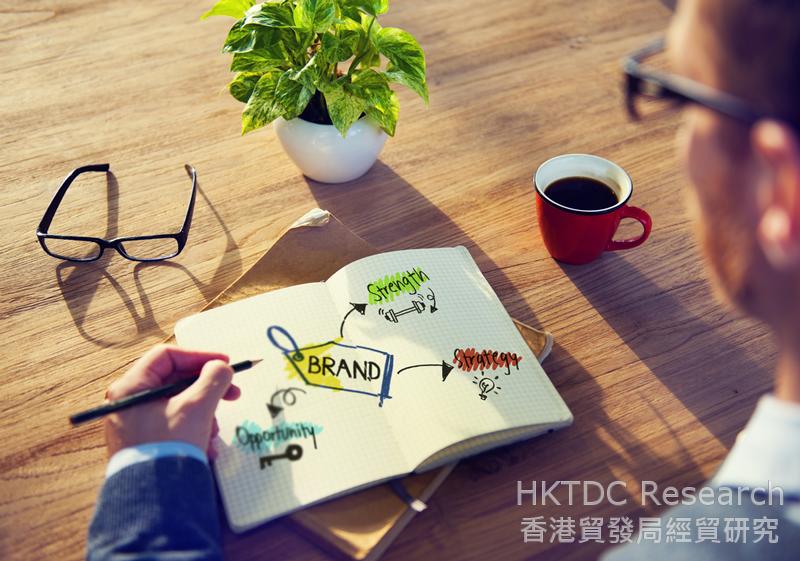
Ng believes that markets with long-term development potential abound in the Belt and Road countries. Taking this and the limited number of emerging markets into account, mainland enterprises should consider identifying the right Belt and Road markets first before other competitors come on the scene, so that they can make use of effective promotion and marketing strategies ahead of others to tap the potential of local markets.
Many mainland enterprises are actively “going out” to search for services supporting brand design and promotion strategy in the hope of enhancing their brand business, as well as developing both the mainland and overseas markets. Ng pointed out that Hong Kong brand designers, who are well-versed in international market trends, familiar with Chinese culture and consumer habits, and experienced in serving multinational companies, can effectively help mainland enterprises in “going out”.
By filling the gap in mainland enterprises’ understanding of foreign cultures and business practices, they can assist clients in developing brand business in both the mainland and foreign markets. Ng added: “In addition to brand design, Hong Kong has a wide range of related service industries, such as marketing, product design, corporate management and training, which can give timely support to Hong Kong designers providing mainland enterprises with one-stop services. This is one of Hong Kong’s advantages.”
| Content provided by |
|