









香港
Country Region
全國工商聯房地產商會香港及國際分會
基建及房地產服務

何設計
基建及房地產服務

凱達環球有限公司
基建及房地產服務
2017年11月17日
凱達環球有限公司
A straw poll of work colleagues will quickly confirm that few know the geographical location of Djibouti despite it being a strategically key port on the busiest shipping route in the world. The Belt and Road Initiative will have a transformational effect on a place known as the Crossroads Nation.
The highly distinctive and recognisable Aedas strategic master plan for Djibouti will reinvigorate the city and encourage the growth in trade of capital, goods and services through the whole of East Africa.
The strategic military bases within the city make it very secure. Its political stability is an additional asset. Its people incredibly polite and always smiling and the potential for growth is huge. Already its telecommunications system ranks among the best in Africa.
The strategic master plan is a progressive and sustainable model for regeneration that not only looks to the future but also draws from the rich heritage and culture of the city and the country. The astonishing
2017年11月17日
凱達環球有限公司
A straw poll of work colleagues will quickly confirm that few know the geographical location of Djibouti despite it being a strategically key port on the busiest shipping route in the world. The Belt and Road Initiative will have a transformational effect on a place known as the Crossroads Nation.
The highly distinctive and recognisable Aedas strategic master plan for Djibouti will reinvigorate the city and encourage the growth in trade of capital, goods and services through the whole of East Africa.
The strategic military bases within the city make it very secure. Its political stability is an additional asset. Its people incredibly polite and always smiling and the potential for growth is huge. Already its telecommunications system ranks among the best in Africa.
The strategic master plan is a progressive and sustainable model for regeneration that not only looks to the future but also draws from the rich heritage and culture of the city and the country. The astonishing

奧雅納
基建及房地產服務
2019年09月04日
奧雅納
“People tend to look at output… but actually, we should look at the outcome. What does this piece of infrastructure have to do with the social and economic development of that location?” points out Arup’s East Asia Region Chair, Michael Kwok.
“That is why Belt and Road makes so much sense – not only in terms of supporting the development of a country, but actually in supporting the ambitions of shaping a better world.”
Speaking in a video for the Hong Kong Trade Development Council, Michael described the BRI – an ambitious, large-scale programme to connect Asia, Africa and Europe via land and maritime networks – as a very important initiative not just for China, but for the world.
He believes that Hong Kong is playing a vital role in helping to shape the Belt and Road Initiative due to its internationalism, openness and pragmatism.
Pioneering digital transformation work in Hong Kong, particularly around 3D printing, automation and artificial intelligence,
2019年09月04日
奧雅納
Image used under license from shutterstock.com
The government of the Philippines has embarked on an ambitious “Build, Build, Build” infrastructure programme to spur economic growth throughout the country. According to the government, a total of PhP8.4 trillion (US$170 billion) will be spent for infrastructure during the six-year term of the Duterte administration. This will increase the infrastructure spending in the GDP from 3.4% in 2016 to 7.4% by 2022.
Challenges facing
The Philippines is one of the fastest growing economies in Asia averaging more than 6% growth over the past decade. However, infrastructure spending has lagged behind its neighbours. The crumbling infrastructure has resulted in transport and economic woes and has been identified as one of the most significant constraints sustaining to the country’s economic growth.
Underdeveloped infrastructure is attributed to the following factors:
inadequate infrastructure investment
2018年06月27日
奧雅納
The Belt and Road Initiative (BRI) undoubtedly offers tremendous opportunities for countries along each of the corridors and for the countless organisation who will play a part in its progress. Yet the project also faces a number of issues that will be critical to the eventual success of the initiative, not least the challenge of social acceptance.
For design and engineering firms such as Arup, it is easy to look at BRI as a series of large-scale infrastructure projects. In reality though, it is a multi-faceted development whose core principles cover everything from policy coordination and trade freedoms to financial integration and globalization.
Ultimately, infrastructure is – always and everywhere – political. There are always strategic interests involved and there can be losers as well as winners. So even when the number of winners far outstrips the losers and there is a compelling case to build, we must always do our best for those who don’t see a critical new rail lin
2018年01月19日
奧雅納
Rail networks are an important part of the Belt and Road initiative to improve connectivity along the historical Silk Road trading routes, and stations are powerful catalysts for development and regeneration. How are transport hubs evolving to meet local needs? What can we learn from trends in Europe and North America? Malcolm Smith, Arup’s Global Masterplanning and Urban Design Leader shares his perspective.
Train stations were places of wonder in the 19th century. The buildings, like the trains within, symbolised technological progress and economic power. These ‘palaces’ of the industrial age were awe-inspiring in their sheer size, dramatic in architecture and feats of engineering. St Pancras Station in London was one such example and on its completion in 1868, was the largest enclosed space in the world. This has allowed it to be remodeled into today’s spectacular transport hub.
© Hufton+Crow
The redevelopment of King’s Cross station represents a co
2017年12月06日
奧雅納
Preparing for widespread growth
Rapid growth in energy demand across Asia is seeing LNG become the fuel of choice. Driven by expanding populations, rising standards of living, and sprawling urbanisation, demand will only keep growing. With LNG production and transportation at an all-time high, Asia is seeing new opportunities for both land-based import terminals as well as floating storage and regasification facilities.
This trend is set to keep on going, with energy growth predictions for Asia much higher than the rest of the world. Japan and Korea have long relied on LNG for energy security and power generation, but we’re now seeing a change across Asia. China, India, Indonesia, the Philippines, Thailand, Vietnam and Bangladesh have followed suit with the recent introduction of gas into their import markets and are helping to drive demand across the region. As demand increases, new ways of bringing large-scale power generation online quickly needs to be found to meet thes
2017年10月18日
奧雅納
Sustainable and resilient infrastructure design is vital for the Belt & Road… not just for Asia, but for the world as well
Just over four years after President Xi Jinping first launched his vision for the Belt and Road Initiative (BRI), the concept is fast becoming a reality. With a vision of reform, development, trade and innovation at the heart of the concept, BRI is set to reshape and revitalise trade links around the globe.
The countries along the various corridors account for some two-thirds of the world’s population, but only one third of the world’s GDP. So there is tremendous potential for growth. And the new infrastructure developed under the BRI banner will be the key to the unlocking this potential.
That is not to say that some of this infrastructure would not be built without BRI, of course. In fact, the Asia Development Bank estimated that some US$1.7 trillion per annum would be required for infrastructure investment in Asia between 2016-2030 at current
2017年10月18日
奧雅納
Sustainable and resilient infrastructure design is vital for the Belt & Road… not just for Asia, but for the world as well
Just over four years after President Xi Jinping first launched his vision for the Belt and Road Initiative (BRI), the concept is fast becoming a reality. With a vision of reform, development, trade and innovation at the heart of the concept, BRI is set to reshape and revitalise trade links around the globe.
The countries along the various corridors account for some two-thirds of the world’s population, but only one third of the world’s GDP. So there is tremendous potential for growth. And the new infrastructure developed under the BRI banner will be the key to the unlocking this potential.
That is not to say that some of this infrastructure would not be built without BRI, of course. In fact, the Asia Development Bank estimated that some US$1.7 trillion per annum would be required for infrastructure investment in Asia between 2016-2030 at current
2017年12月06日
奧雅納
Preparing for widespread growth
Rapid growth in energy demand across Asia is seeing LNG become the fuel of choice. Driven by expanding populations, rising standards of living, and sprawling urbanisation, demand will only keep growing. With LNG production and transportation at an all-time high, Asia is seeing new opportunities for both land-based import terminals as well as floating storage and regasification facilities.
This trend is set to keep on going, with energy growth predictions for Asia much higher than the rest of the world. Japan and Korea have long relied on LNG for energy security and power generation, but we’re now seeing a change across Asia. China, India, Indonesia, the Philippines, Thailand, Vietnam and Bangladesh have followed suit with the recent introduction of gas into their import markets and are helping to drive demand across the region. As demand increases, new ways of bringing large-scale power generation online quickly needs to be found to meet thes
2018年01月19日
奧雅納
Rail networks are an important part of the Belt and Road initiative to improve connectivity along the historical Silk Road trading routes, and stations are powerful catalysts for development and regeneration. How are transport hubs evolving to meet local needs? What can we learn from trends in Europe and North America? Malcolm Smith, Arup’s Global Masterplanning and Urban Design Leader shares his perspective.
Train stations were places of wonder in the 19th century. The buildings, like the trains within, symbolised technological progress and economic power. These ‘palaces’ of the industrial age were awe-inspiring in their sheer size, dramatic in architecture and feats of engineering. St Pancras Station in London was one such example and on its completion in 1868, was the largest enclosed space in the world. This has allowed it to be remodeled into today’s spectacular transport hub.
© Hufton+Crow
The redevelopment of King’s Cross station represents a co
2018年06月27日
奧雅納
The Belt and Road Initiative (BRI) undoubtedly offers tremendous opportunities for countries along each of the corridors and for the countless organisation who will play a part in its progress. Yet the project also faces a number of issues that will be critical to the eventual success of the initiative, not least the challenge of social acceptance.
For design and engineering firms such as Arup, it is easy to look at BRI as a series of large-scale infrastructure projects. In reality though, it is a multi-faceted development whose core principles cover everything from policy coordination and trade freedoms to financial integration and globalization.
Ultimately, infrastructure is – always and everywhere – political. There are always strategic interests involved and there can be losers as well as winners. So even when the number of winners far outstrips the losers and there is a compelling case to build, we must always do our best for those who don’t see a critical new rail lin
2019年09月04日
奧雅納
Image used under license from shutterstock.com
The government of the Philippines has embarked on an ambitious “Build, Build, Build” infrastructure programme to spur economic growth throughout the country. According to the government, a total of PhP8.4 trillion (US$170 billion) will be spent for infrastructure during the six-year term of the Duterte administration. This will increase the infrastructure spending in the GDP from 3.4% in 2016 to 7.4% by 2022.
Challenges facing
The Philippines is one of the fastest growing economies in Asia averaging more than 6% growth over the past decade. However, infrastructure spending has lagged behind its neighbours. The crumbling infrastructure has resulted in transport and economic woes and has been identified as one of the most significant constraints sustaining to the country’s economic growth.
Underdeveloped infrastructure is attributed to the following factors:
inadequate infrastructure investment
2019年09月04日
奧雅納
“People tend to look at output… but actually, we should look at the outcome. What does this piece of infrastructure have to do with the social and economic development of that location?” points out Arup’s East Asia Region Chair, Michael Kwok.
“That is why Belt and Road makes so much sense – not only in terms of supporting the development of a country, but actually in supporting the ambitions of shaping a better world.”
Speaking in a video for the Hong Kong Trade Development Council, Michael described the BRI – an ambitious, large-scale programme to connect Asia, Africa and Europe via land and maritime networks – as a very important initiative not just for China, but for the world.
He believes that Hong Kong is playing a vital role in helping to shape the Belt and Road Initiative due to its internationalism, openness and pragmatism.
Pioneering digital transformation work in Hong Kong, particularly around 3D printing, automation and artificial intelligence,
Transformation and upgrading process, many companies from technology research and development, product design, brand promotion and other aspects to enhance competitiveness. And Foshan City, Mendel Precision Oral Medical Devices Co., Ltd. (hereinafter referred to as "Mendel"), while the appropriate business layout to enhance product value, marginal profit, in a competitive environment to broaden the market space.
High value-added product strategy
Mendel is a manufacturer and exporter of precision dental medical equipment approved by the Guangdong Provincial Food and Drug Administration. It has established a production base in Foshan since 1989. It is mainly engaged in the research and development, production and sales of dental medical equipment. Mendel pointed out to the HKTDC's economic and trade research that the company's core strengths include precision components and equipment R & D design and production capacity, and can meet customers and related health regulatory authorities, technical standards.
Mendel said the company's parts and equipment are high-tech and high value-added products, market competition key factors include product technology, quality, reliability and brand, and lack of certification, non-professional medical products at low cost, low price promotion The strategy of snatching the market is quite different. Therefore, the company's current development strategy is to improve the quality and precision of the product, and improve the market value of the product, rather than transfer production to reduce costs.
The company has a research and development base in Foshan and Henan Province, and continue to invest in strengthening the strength of R & D team, in addition to enhance the functionality of existing products, in the next 5 years will further develop more high-end and high value-added products, including dental laser cutting equipment, Treatment equipment, surgical craniotomy machine, surgical precision orthopedic surgical treatment equipment.
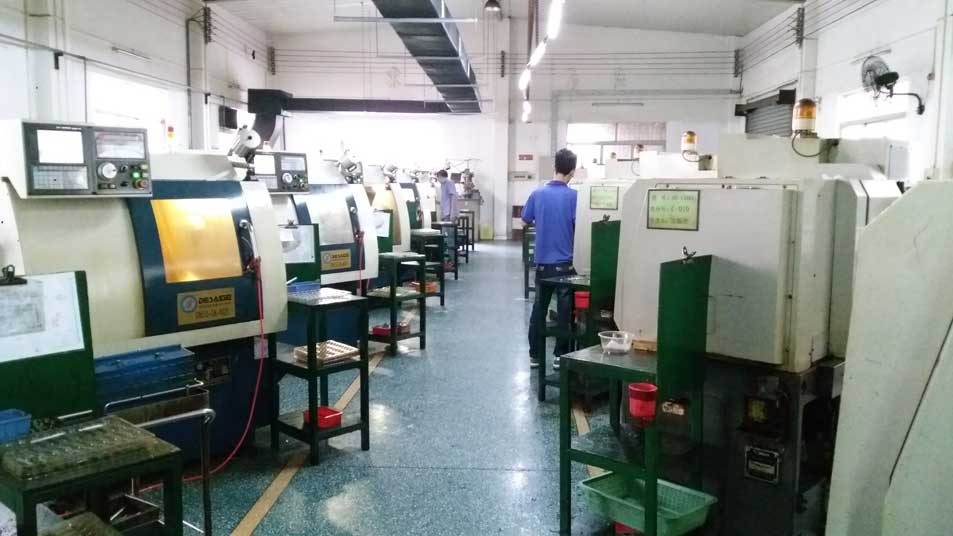
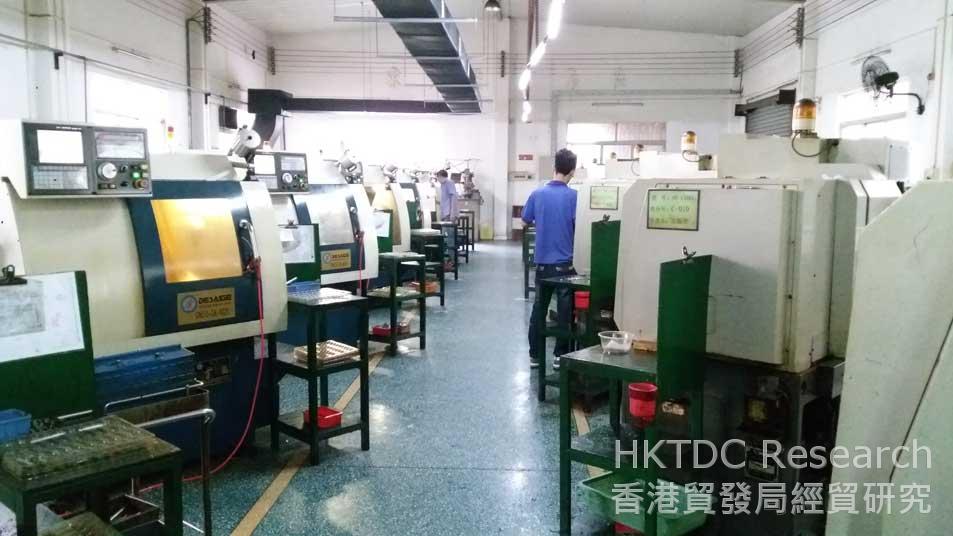
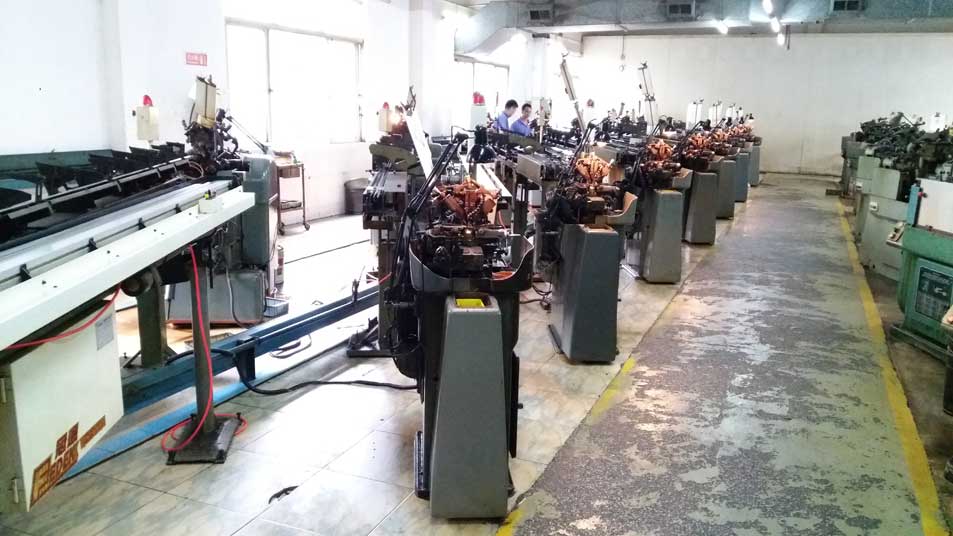
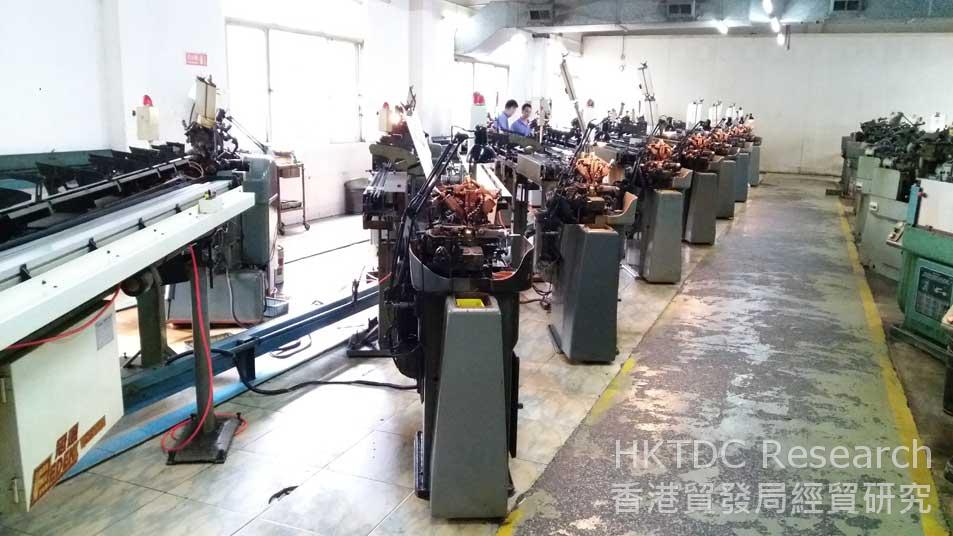
Mendel has only factory facilities in Foshan, China, and has imported all kinds of automatic production equipment from Japan, Germany and Sweden, including computer numerical control machine (CNC) for precision production, and set relevant testing equipment to ensure product High quality level. The plant currently employs about 120 workshop workers, mostly technicians, responsible for the operation of the production equipment, while the low-skilled workers only a small proportion of the staff.
Enhance brand and product value
Mendel also focused on the development of brand business. In addition to general publicity activities, to participate in large-scale exhibitions in the Mainland and overseas, the company set up factories in Gyeonggi-do in Gyeonggi Province in 2013, from the Mainland to the core components produced in Foshan to South Korea, with local procurement of industrial products and in line with South Korea Origin of the provisions of the high-end oral medical equipment products. Moder pointed out that some companies in the Mainland focus on low-cost strategy, but the product design and quality varies greatly, a direct impact on China's product image. In order to avoid the impact of the situation, Moder use Korea as a springboard to South Korea to create an image of the international market, enhance product value, while the establishment of Moder's brand business, expand the marginal profit.
Mendel products include titanium and copper chrome high-speed mobile phones, low-speed dental drill, electric motors without carbon brush and wireless root canal and other dental medical equipment, 60% of the business is well-known brands around the customer to provide original production (OEM) services, and 40 % Is the original design (ODM) or its own brand products. At present, about 80% of the company's products are for export to overseas markets and the rest are mainly sold in the Mainland. All products meet the hygienic and technical specifications of the relevant regulatory authorities in different sales markets and are certified by the US FDA and the European Union CE standards. On the other hand, the company has offices in Hong Kong, in addition to the Hong Kong market, the main deal with the company's overseas investment, sales, procurement and other business and related financial arrangements.
(Note: The above is the Hong Kong Trade Development Council and the Guangdong Provincial Department of Commerce Cooperative Research project global supply chain transfer and Guangdong and Hong Kong industrial development relationship between the business case. For more details, please refer to the aforementioned study.
編輯推薦
熱門文章
為長遠業務發展,不少中國內地的技術和資本密集型企業,近年加緊布局國際業務,並進一步發掘「一帶一路」市場商機。廣東科達潔能股份有限公司(下稱科達潔能)表示,對外投資不應單看勞動力和直接生產成本,全盤生產布局更需考慮交通運輸、物流、關稅等整體成本,並根據市場需求定位有關投資策略,務求為公司業務尋求最大效益。
著眼「一帶一路」市場潛力
在上海交易所上市的科達潔能,主要從事建材機械(陶瓷機械、牆材機械、石材機械等)、環保潔能(清潔煤氣技術與裝備、煙氣治理技術與裝備)與潔能材料(鋰離子動力電池負極材料)等三大業務,並提供工程總承包管理和融資租賃服務。該公司旗下設有包括位於廣東、安徽、江蘇、河南、遼寧等地27家子公司,並擁有科達、恒力泰、科行、新銘豐、科達東大、埃爾、卓達豪等行業內知名品牌,目前銷售遍及40多個國家和地區。
在建材機械方面,科達潔能積極利用國產裝備,拓展海外市場,現已在亞洲市場處領先地位。該公司董事鍾應洲先生向香港貿發局經貿研究介紹:「科達潔能的建材機械生產屬技術及資本密集型,在質量和技術方面均達國際水平,加上內地無論在金屬原材料、電子/電氣零部件等支援一應俱全,亦不乏高端設計和工程技術人才,有利生產高技術和『高性價比』的建材機械。雖然內地近年經歷一般勞動力及生產成本上漲,但科達潔能仍集中完善內地的生產業務,以技術和質量取勝,進一步發展內地和海外市場。」

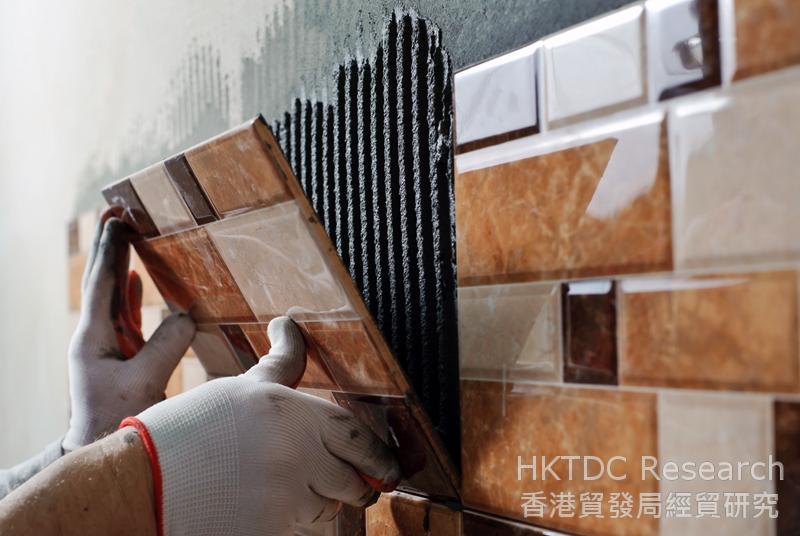
他表示,內地建材市場經過30年發展已邁向成熟,而下游生產商對建材生產裝備需求亦轉趨平穩。為業務的長遠發展,科達潔能正逐步開發海外市場,並且十分重視「一帶一路」沿線國家的市場發展潛力,特別是不少沿線國家亟欲引進有關生產裝備,在本國生產建材以支援當地不斷增加的基礎建設、建築活動。
依據成本利潤布局海外投資
科達潔能除了從中國內地出口建材裝備,近年亦開始在海外布局投資生產業務,但有關投資項目卻集中與建材裝備相關的下游業務,包括在非洲國家投資生產陶瓷建材產品。該公司目前在非洲肯尼亞設立的磁磚生產線,已在2016年底開始投產,而在加納的廠房預計在2017年中開始運營,另外在坦桑尼亞的建材生產項目亦處於基礎建設階段。

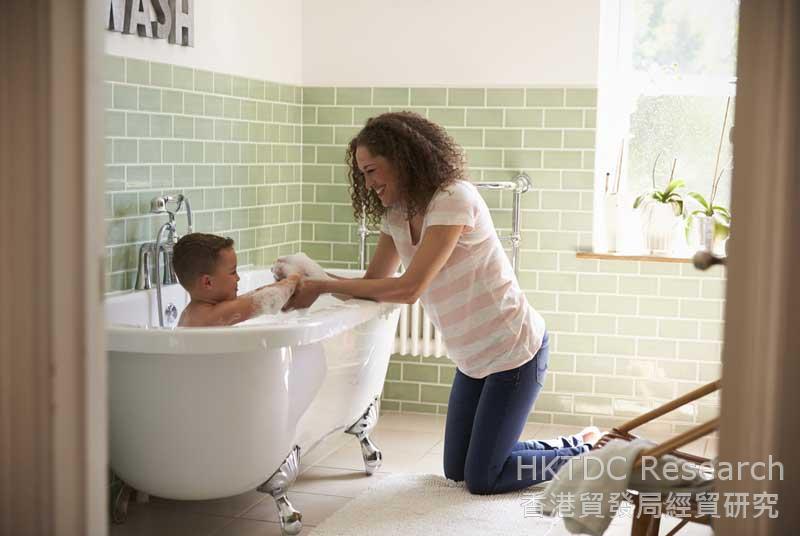
雖然中國制建材擁有低成本優勢,但建材生產商往往因部分國家徵收較高的進口關稅,加上建材運輸成本高昂,難以為中國製產品開拓距離較遠的海外市場。另一方面,部分發展中地區如非洲等地,建設活動不斷增加,對建材需求殷切,但缺乏具規模的本地投資者,在當地設立建材生產線供應本地市場。
鍾先生指出:「在這背景下,科達潔能與部分非洲分銷商合作,輸出中國生產的裝備往有關國家設立建材生產線,利用當地原材料生產磁磚產品供應非洲市場。事實上,在計及勞動力效率及其他生產成本,在非洲生產磁磚的成本不比內地便宜,但卻大大省卻進口關稅和運輸成本,使科達潔能可有效開拓非洲的建材終端市場。而且,非洲建材市場在需求帶動下能承受較高價格,可帶來更高利潤,同時帶動公司的裝備業務銷售往非洲。
在建材機械領域方面,科達潔能已實現陶瓷機械裝備國產化,並邁向「世界建材裝備行業強者」的目標。該公司在內地設有2個「國家認定企業技術中心」、1個「國家工程技術中心」、2個「博士後科研工作站」和3個「院士工作室」等創新研發平台,配合內地的生產基地,為建材生產客戶提供先進裝備和相關的技術支援服務,現已是中國內地建材機械的龍頭企業之一,獲中國機械500強、國家級高新技術企業、國家知識產權優勢企業、廣東創新企業二十強等殊榮。
(註:上文是香港貿發局與廣東省商務廳合作研究項目全球供應鏈轉移與粵港產業發展關係的企業個案之一。更多詳情,請參考前述的研究報告。)
編輯推薦
熱門文章
面對激烈競爭市場環境,以及工資和原材料成本上漲等問題,部分中國內地企業正考慮轉移生產往較低成本地區營運。可是,也有不少企業選擇採取轉型升級策略,增強競爭力以應對各種挑戰。廣東省佛山市的南海區遠山汽車設備有限公司(下稱「遠山」),正積極提升自動化生產設備,同時制訂策略性的生產布局,希望進一步擴大市場份額。
引進機械人解決技術員短缺問題
遠山從事的汽車舉升機/液壓設備的研發和製造業務,主要倚賴技術和質量取勝。隨著外部環境轉變,一些內地企業正轉移生產方法以降低成本,但遠山卻積極增強研發能力,並引進焊接機械人和其他自動化生產設備,包括經改造的電腦數控(CNC)鋸床、沖床和自動送料設備,一方面紓緩技術員短缺問題,同時加強製造高技術及高質量產品能力。
遠山的代表向香港貿發局經貿研究指出:「汽車舉升機生產屬資本及技術密集型製造活動,所需的非技術工人數量很少,反而需要聘用熟練的『師傅』級技術員從事焊接和裝嵌工序,但轉移生產往海外低成本地區,往往不能解決技術員短缺問題。而且,有關作業需取得上游供應商在原材料方面的支援,包括優質鋁材、鋼鐵等供應,利用合適的機械和生產設備,配合完善的質量控制系統,以保證產品能符合內地和海外市場嚴格的技術和質量要求。
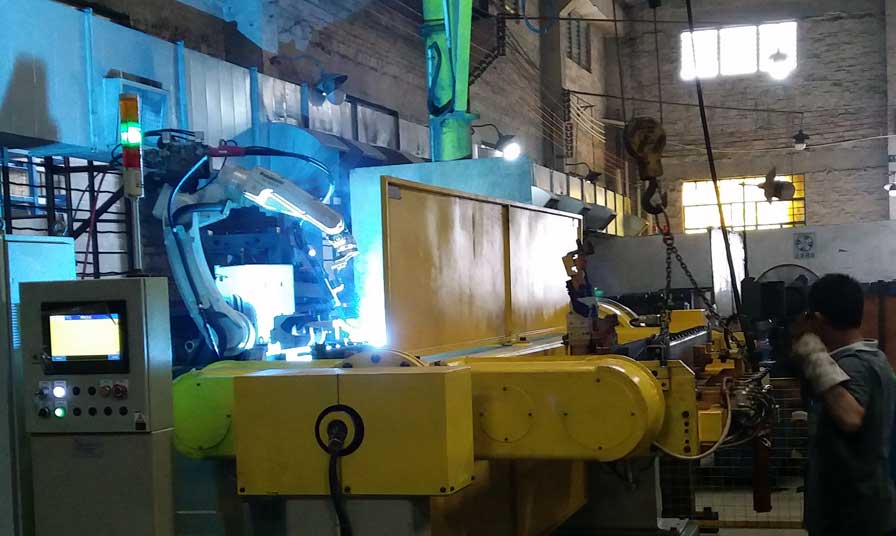
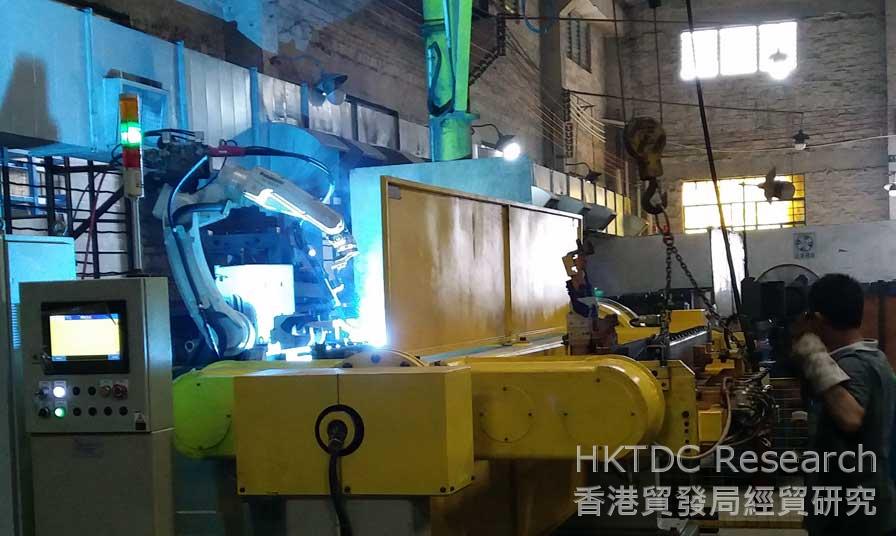
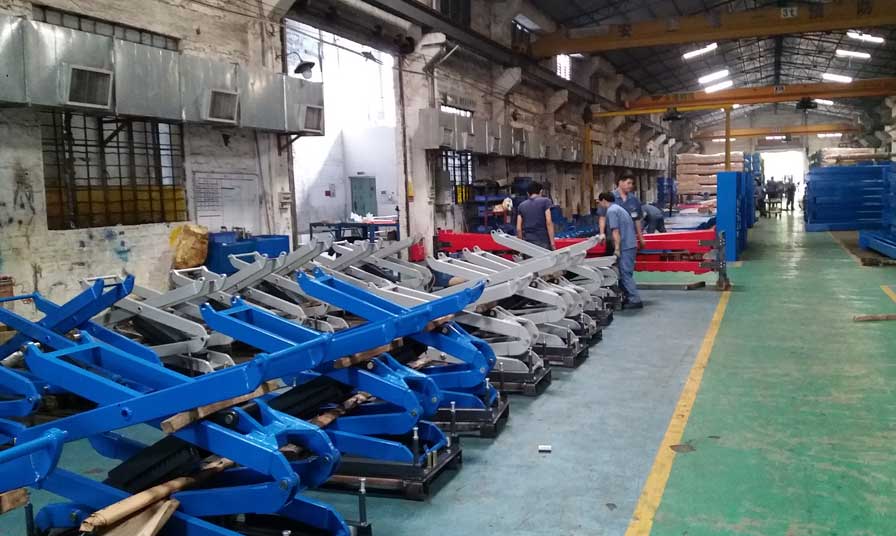
「在東南亞部分低成本地區,其實也欠缺技術工人,而且當地原材料供應鏈仍有待發展,如利用中國生產的金屬物料維持當地生產,所涉及的運輸成本不菲,若只為了享受當地較低的非技術勞工成本而進行遷移,可能得不償失。事實上,廣東省擁有成熟的供應鏈及物流配套服務,為解決技術員供應不足問題,遠山近年開始引進自動焊接機械人,並與一些高校、技術學院合作,以培訓更多操作機械人和自動生產線的技術人才。」
不過,遠山其實已在美國建立生產線,利用自動化設備生產和組裝舉升機及液壓產品,並預計在2017年下半年正式投產,有關產品主要供應北美、南美和歐洲市場。這些舉措顯然不是為了降低生產成本,而是通過在美國組裝降低有關產品(或原材料)進口美國的關稅,及為當地客戶提供更好的銷售和售後服務,同時利用當地完善的物流網絡降低物流成本和運輸時間,以支援鄰近美國其他市場的銷售活動。
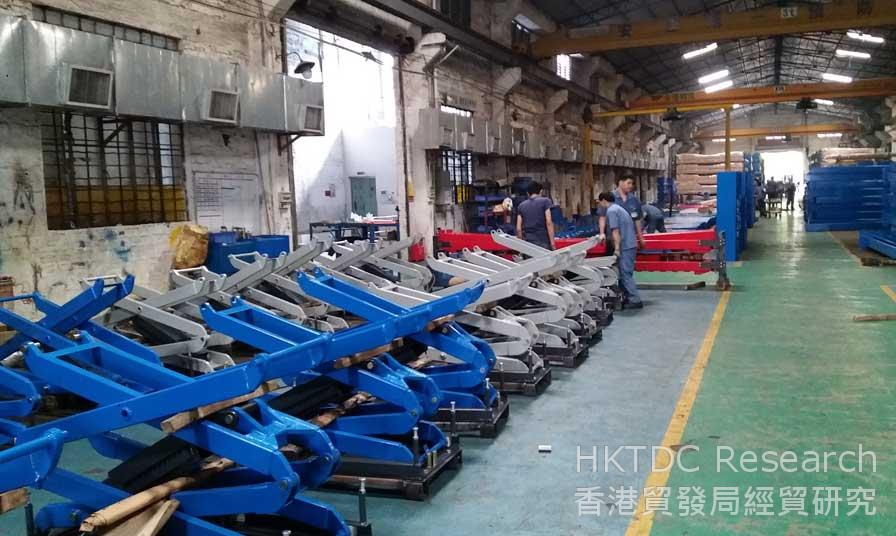
遠山在1999年成立,目前擁有先進的生產設備和高技術、管理人才團隊。產品包括具專利技術的單柱、雙柱、四柱和剪式汽車舉升機,均按美國標準協會(ANSI)及/或歐盟CE等技術標準設計、製造,達到相關質量檢測標準,這些產品主要出口往海外市場,2016年該公司銷售額約達1,700萬美元。
(註:上文是香港貿發局與廣東省商務廳合作研究項目全球供應鏈轉移與粵港產業發展關係的企業個案之一。更多詳情,請參考前述的研究報告。)
編輯推薦
熱門文章
全球化發展促使區域供應鏈不斷整合,不少在中國內地從事生產的企業近年積極「走出去」,轉移部分生產業務往東南亞及其他地區,以應對內地生產成本上升挑戰,優化整體生產布局。總部位於香港的聯泰控股有限公司(下稱「聯泰」)執行副總裁陳祖恆先生指出,企業亦須考慮生產成本以外的一系列因素,例如外國貿易措施、轉移生產地的供應鏈狀況,和最終客戶需求等,才能有效提升整體的生產及營運效率。
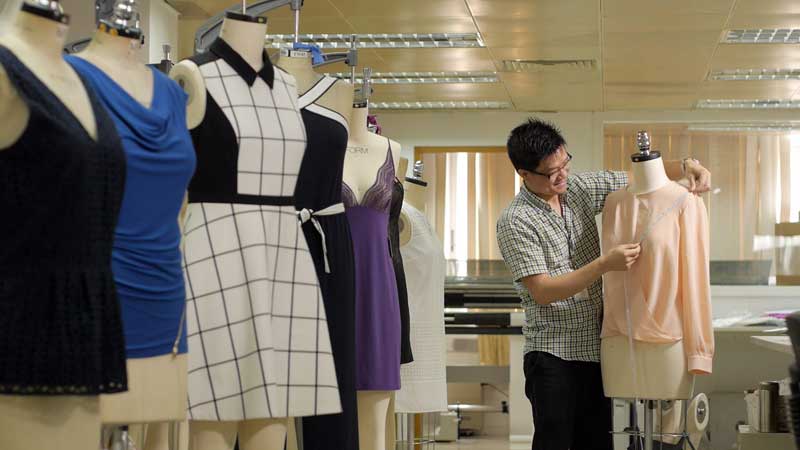
貿易優惠影響生產布局
陳祖恆先生對香港貿發局經貿研究表示:「勞動力和土地供應等當然會直接影響生產成本,但外國給予部分生產地的貿易優惠,亦可能對降低產品出口外國市場成本起關鍵作用。例如輸往歐美的成衣及手袋等產品,一般進口關稅率可高達雙位數字(視乎產品而定),不過,若果能享受關稅減免,有關好處可能超過減省生產成本的幅度。」
他舉例:「受惠於美國放寬普及特惠關稅制度(GSP),緬甸及柬埔寨等受惠國所生產的皮包產品出口至美國,現已獲免關稅待遇。另外,根據個別不同的GSP協議或自由貿易協定,兩地出口手袋產品至歐盟、日本及中國等,亦獲得免關稅待遇。為把握機會,聯泰近年於菲律賓及柬埔寨致力提高產能,並整合部分成衣生產設施轉為生產皮包,加快在當地發展手袋製造業務,以享受有關稅務優惠。」
提供策略性生產服務
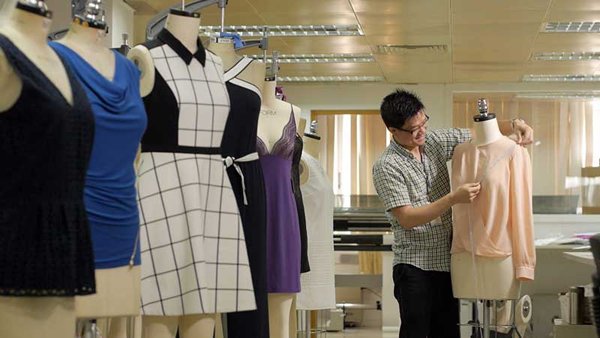
聯泰是全球領先的消費品生產及供應鏈集團之一,現時在香港交易所上市。聯泰專業生產休閑服、時裝及毛衣等成衣,和時款手袋、背包等配飾產品,利用具競爭力的價格、高質量、快速回應等優勢,為國際知名品牌提供原設備製造(OEM)和原設計生產(ODM)服務。該公司業務策略之一,包括在中國內地、菲律賓、柬埔寨、越南、印尼等建立區域性生產網絡,利用不同地點的生產優勢,為客戶提供策略性的生產服務。
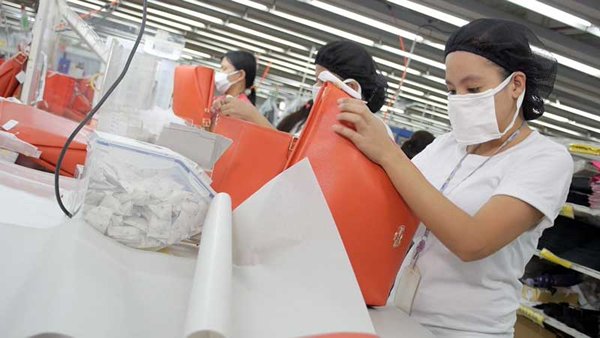
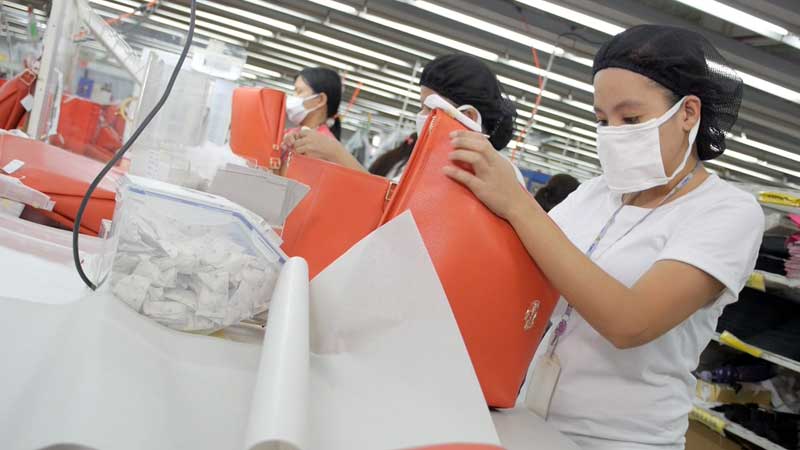
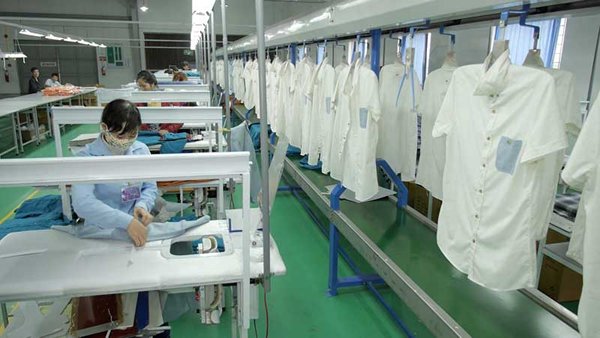
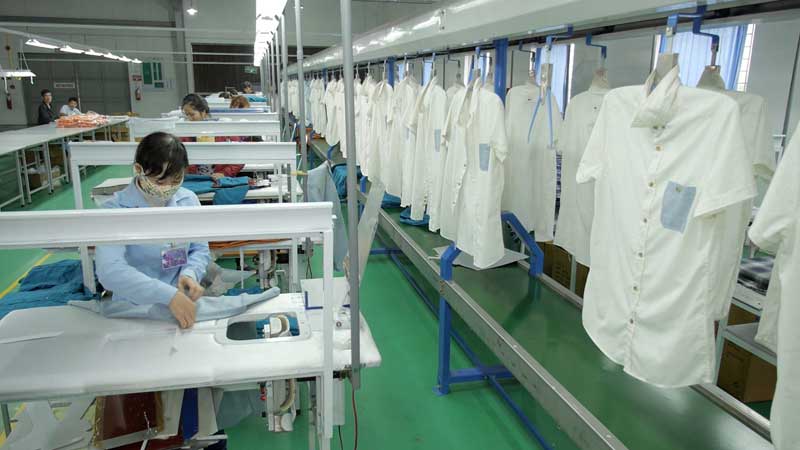
聯泰於上世紀80年代在香港開展成衣生產業務,並在廣東省的東莞、番禺、梅州等建立生產網絡。隨著近年內地生產成本上升、出現勞動力不足等問題,聯泰在過去十年已逐步在東南亞布局生產活動,以降低生產成本和享受當地的關稅優惠。
陳先生補充:「不是每一個低成本地區都適合承接從內地轉移的生產,視乎個別企業及實際情況而定。例如部分『一帶一路』國家不是熱門的外來投資接收地,企業可能不瞭解當地的法律法規、本地文化,又不熟悉當地的勞工和生產支援情況,直接影響前往這些地點投資設廠的可行性。而且,低成本可能是因為缺乏供應鏈/生產物料支援、較差的交通基建和運輸物流服務的結果。此外,部分國家擁有不俗的非技術勞動力供應,但缺乏熟練工人和技術人才,難以承接較高質量和高增值生產活動的業務。」
符合國際客戶的業務發展
「生產因素以外,客戶要求亦至關重要。國際知名品牌客戶均快速回應市場變化,特別是近年全球經濟增長緩慢,不同品牌競相追逐消費者有限的購買力,相繼提升產品的設計、用料、質量水平等,他們大多願意把有關生產留在中國內地和其他擁有較成熟供應鏈的生產地,以便快速回應激烈的市場競爭。但對於部分較標準、或生命周期較長產品,例如一些T恤、內衣和運動型包袋,客戶可能較著重低成本而願意承擔較高的生產風險、較長的生產周期,有關生產便可能需要轉移到低成本的較落後的生產地點,例如孟加拉和埃塞俄比亞。」
聯泰成功之道,除了有效利用中國內地和其他海外生產地點的不同優勢,以滿足客戶不同要求外,亦積極配合客戶的整體品牌發展策略。特別是知名品牌十分注重他們的品牌和企業形象,要求生產商嚴格實踐企業公民責任;而聯泰致力遵守各生產地的法律法規,確保符合相應的勞工和道德標準,並採取有效的環境保護措施,以符合客戶要求,達致業務可持續發展的目的。
(註:上文是香港貿發局與廣東省商務廳合作研究項目全球供應鏈轉移與粵港產業發展關係的企業個案之一。更多詳情,請參考前述的研究報告。)