









香港
Country Region
全国工商联房地产商会香港及国际分会
基建及房地产服务

何设计
基建及房地产服务

凯达环球有限公司
基建及房地产服务
2017年11月17日
凯达环球有限公司
A straw poll of work colleagues will quickly confirm that few know the geographical location of Djibouti despite it being a strategically key port on the busiest shipping route in the world. The Belt and Road Initiative will have a transformational effect on a place known as the Crossroads Nation.
The highly distinctive and recognisable Aedas strategic master plan for Djibouti will reinvigorate the city and encourage the growth in trade of capital, goods and services through the whole of East Africa.
The strategic military bases within the city make it very secure. Its political stability is an additional asset. Its people incredibly polite and always smiling and the potential for growth is huge. Already its telecommunications system ranks among the best in Africa.
The strategic master plan is a progressive and sustainable model for regeneration that not only looks to the future but also draws from the rich heritage and culture of the city and the country. The astonishing
2017年11月17日
凯达环球有限公司
A straw poll of work colleagues will quickly confirm that few know the geographical location of Djibouti despite it being a strategically key port on the busiest shipping route in the world. The Belt and Road Initiative will have a transformational effect on a place known as the Crossroads Nation.
The highly distinctive and recognisable Aedas strategic master plan for Djibouti will reinvigorate the city and encourage the growth in trade of capital, goods and services through the whole of East Africa.
The strategic military bases within the city make it very secure. Its political stability is an additional asset. Its people incredibly polite and always smiling and the potential for growth is huge. Already its telecommunications system ranks among the best in Africa.
The strategic master plan is a progressive and sustainable model for regeneration that not only looks to the future but also draws from the rich heritage and culture of the city and the country. The astonishing

奥雅纳
基建及房地产服务
2019年09月04日
奥雅纳
“People tend to look at output… but actually, we should look at the outcome. What does this piece of infrastructure have to do with the social and economic development of that location?” points out Arup’s East Asia Region Chair, Michael Kwok.
“That is why Belt and Road makes so much sense – not only in terms of supporting the development of a country, but actually in supporting the ambitions of shaping a better world.”
Speaking in a video for the Hong Kong Trade Development Council, Michael described the BRI – an ambitious, large-scale programme to connect Asia, Africa and Europe via land and maritime networks – as a very important initiative not just for China, but for the world.
He believes that Hong Kong is playing a vital role in helping to shape the Belt and Road Initiative due to its internationalism, openness and pragmatism.
Pioneering digital transformation work in Hong Kong, particularly around 3D printing, automation and artificial intelligence,
2019年09月04日
奥雅纳
Image used under license from shutterstock.com
The government of the Philippines has embarked on an ambitious “Build, Build, Build” infrastructure programme to spur economic growth throughout the country. According to the government, a total of PhP8.4 trillion (US$170 billion) will be spent for infrastructure during the six-year term of the Duterte administration. This will increase the infrastructure spending in the GDP from 3.4% in 2016 to 7.4% by 2022.
Challenges facing
The Philippines is one of the fastest growing economies in Asia averaging more than 6% growth over the past decade. However, infrastructure spending has lagged behind its neighbours. The crumbling infrastructure has resulted in transport and economic woes and has been identified as one of the most significant constraints sustaining to the country’s economic growth.
Underdeveloped infrastructure is attributed to the following factors:
inadequate infrastructure investment
2018年06月27日
奥雅纳
The Belt and Road Initiative (BRI) undoubtedly offers tremendous opportunities for countries along each of the corridors and for the countless organisation who will play a part in its progress. Yet the project also faces a number of issues that will be critical to the eventual success of the initiative, not least the challenge of social acceptance.
For design and engineering firms such as Arup, it is easy to look at BRI as a series of large-scale infrastructure projects. In reality though, it is a multi-faceted development whose core principles cover everything from policy coordination and trade freedoms to financial integration and globalization.
Ultimately, infrastructure is – always and everywhere – political. There are always strategic interests involved and there can be losers as well as winners. So even when the number of winners far outstrips the losers and there is a compelling case to build, we must always do our best for those who don’t see a critical new rail lin
2018年01月19日
奥雅纳
Rail networks are an important part of the Belt and Road initiative to improve connectivity along the historical Silk Road trading routes, and stations are powerful catalysts for development and regeneration. How are transport hubs evolving to meet local needs? What can we learn from trends in Europe and North America? Malcolm Smith, Arup’s Global Masterplanning and Urban Design Leader shares his perspective.
Train stations were places of wonder in the 19th century. The buildings, like the trains within, symbolised technological progress and economic power. These ‘palaces’ of the industrial age were awe-inspiring in their sheer size, dramatic in architecture and feats of engineering. St Pancras Station in London was one such example and on its completion in 1868, was the largest enclosed space in the world. This has allowed it to be remodeled into today’s spectacular transport hub.
© Hufton+Crow
The redevelopment of King’s Cross station represents a co
2017年12月06日
奥雅纳
Preparing for widespread growth
Rapid growth in energy demand across Asia is seeing LNG become the fuel of choice. Driven by expanding populations, rising standards of living, and sprawling urbanisation, demand will only keep growing. With LNG production and transportation at an all-time high, Asia is seeing new opportunities for both land-based import terminals as well as floating storage and regasification facilities.
This trend is set to keep on going, with energy growth predictions for Asia much higher than the rest of the world. Japan and Korea have long relied on LNG for energy security and power generation, but we’re now seeing a change across Asia. China, India, Indonesia, the Philippines, Thailand, Vietnam and Bangladesh have followed suit with the recent introduction of gas into their import markets and are helping to drive demand across the region. As demand increases, new ways of bringing large-scale power generation online quickly needs to be found to meet thes
2017年10月18日
奥雅纳
Sustainable and resilient infrastructure design is vital for the Belt & Road… not just for Asia, but for the world as well
Just over four years after President Xi Jinping first launched his vision for the Belt and Road Initiative (BRI), the concept is fast becoming a reality. With a vision of reform, development, trade and innovation at the heart of the concept, BRI is set to reshape and revitalise trade links around the globe.
The countries along the various corridors account for some two-thirds of the world’s population, but only one third of the world’s GDP. So there is tremendous potential for growth. And the new infrastructure developed under the BRI banner will be the key to the unlocking this potential.
That is not to say that some of this infrastructure would not be built without BRI, of course. In fact, the Asia Development Bank estimated that some US$1.7 trillion per annum would be required for infrastructure investment in Asia between 2016-2030 at current
2017年10月18日
奥雅纳
Sustainable and resilient infrastructure design is vital for the Belt & Road… not just for Asia, but for the world as well
Just over four years after President Xi Jinping first launched his vision for the Belt and Road Initiative (BRI), the concept is fast becoming a reality. With a vision of reform, development, trade and innovation at the heart of the concept, BRI is set to reshape and revitalise trade links around the globe.
The countries along the various corridors account for some two-thirds of the world’s population, but only one third of the world’s GDP. So there is tremendous potential for growth. And the new infrastructure developed under the BRI banner will be the key to the unlocking this potential.
That is not to say that some of this infrastructure would not be built without BRI, of course. In fact, the Asia Development Bank estimated that some US$1.7 trillion per annum would be required for infrastructure investment in Asia between 2016-2030 at current
2017年12月06日
奥雅纳
Preparing for widespread growth
Rapid growth in energy demand across Asia is seeing LNG become the fuel of choice. Driven by expanding populations, rising standards of living, and sprawling urbanisation, demand will only keep growing. With LNG production and transportation at an all-time high, Asia is seeing new opportunities for both land-based import terminals as well as floating storage and regasification facilities.
This trend is set to keep on going, with energy growth predictions for Asia much higher than the rest of the world. Japan and Korea have long relied on LNG for energy security and power generation, but we’re now seeing a change across Asia. China, India, Indonesia, the Philippines, Thailand, Vietnam and Bangladesh have followed suit with the recent introduction of gas into their import markets and are helping to drive demand across the region. As demand increases, new ways of bringing large-scale power generation online quickly needs to be found to meet thes
2018年01月19日
奥雅纳
Rail networks are an important part of the Belt and Road initiative to improve connectivity along the historical Silk Road trading routes, and stations are powerful catalysts for development and regeneration. How are transport hubs evolving to meet local needs? What can we learn from trends in Europe and North America? Malcolm Smith, Arup’s Global Masterplanning and Urban Design Leader shares his perspective.
Train stations were places of wonder in the 19th century. The buildings, like the trains within, symbolised technological progress and economic power. These ‘palaces’ of the industrial age were awe-inspiring in their sheer size, dramatic in architecture and feats of engineering. St Pancras Station in London was one such example and on its completion in 1868, was the largest enclosed space in the world. This has allowed it to be remodeled into today’s spectacular transport hub.
© Hufton+Crow
The redevelopment of King’s Cross station represents a co
2018年06月27日
奥雅纳
The Belt and Road Initiative (BRI) undoubtedly offers tremendous opportunities for countries along each of the corridors and for the countless organisation who will play a part in its progress. Yet the project also faces a number of issues that will be critical to the eventual success of the initiative, not least the challenge of social acceptance.
For design and engineering firms such as Arup, it is easy to look at BRI as a series of large-scale infrastructure projects. In reality though, it is a multi-faceted development whose core principles cover everything from policy coordination and trade freedoms to financial integration and globalization.
Ultimately, infrastructure is – always and everywhere – political. There are always strategic interests involved and there can be losers as well as winners. So even when the number of winners far outstrips the losers and there is a compelling case to build, we must always do our best for those who don’t see a critical new rail lin
2019年09月04日
奥雅纳
Image used under license from shutterstock.com
The government of the Philippines has embarked on an ambitious “Build, Build, Build” infrastructure programme to spur economic growth throughout the country. According to the government, a total of PhP8.4 trillion (US$170 billion) will be spent for infrastructure during the six-year term of the Duterte administration. This will increase the infrastructure spending in the GDP from 3.4% in 2016 to 7.4% by 2022.
Challenges facing
The Philippines is one of the fastest growing economies in Asia averaging more than 6% growth over the past decade. However, infrastructure spending has lagged behind its neighbours. The crumbling infrastructure has resulted in transport and economic woes and has been identified as one of the most significant constraints sustaining to the country’s economic growth.
Underdeveloped infrastructure is attributed to the following factors:
inadequate infrastructure investment
2019年09月04日
奥雅纳
“People tend to look at output… but actually, we should look at the outcome. What does this piece of infrastructure have to do with the social and economic development of that location?” points out Arup’s East Asia Region Chair, Michael Kwok.
“That is why Belt and Road makes so much sense – not only in terms of supporting the development of a country, but actually in supporting the ambitions of shaping a better world.”
Speaking in a video for the Hong Kong Trade Development Council, Michael described the BRI – an ambitious, large-scale programme to connect Asia, Africa and Europe via land and maritime networks – as a very important initiative not just for China, but for the world.
He believes that Hong Kong is playing a vital role in helping to shape the Belt and Road Initiative due to its internationalism, openness and pragmatism.
Pioneering digital transformation work in Hong Kong, particularly around 3D printing, automation and artificial intelligence,
转型升级过程中,不少企业从技术研发、产品设计、品牌推广等多方面增强竞争力。而佛山市的摩德尔精密口腔医疗器械有限公司(下称「摩德尔」),同时通过合适的业务布局提升产品价值、边际利润,在激烈竞争环境拓阔市场空间。
高增值产品策略
摩德尔是一家经广东省食品药品监督管理局批准及注册的精密牙科医疗器械生产企业,早于1989年在佛山建立生产基地,目前主要从事牙科医疗器械的研发、生产和销售活动。摩德尔向香港贸发局经贸研究指出,该公司的核心优势包括精密零部件和器械的研发设计和生产能力,并且能达到客户和相关卫生监管部门、技术标准的要求。
摩德尔表示,该公司的零部件和器械属高技术和高增值产品,市场竞争关键因素包括产品的技术、质量、可靠性和品牌,与缺乏认证、非专业医疗产品以低成本、低价促销抢夺市场的策略大不相同。所以,该公司目前的发展策略是提升产品的质量和精密度,及提高产品的市场价值,而不是转移生产降低成本。
该公司在佛山及河南省设有研发基地,并且不断投资加强研发团队的实力,除提升现有产品的功能外,在未来5 年会进一步研发更高端及高增值产品,包括牙科激光切割设备、激光治疗设备、外科开颅手术机、外科用精密骨科手术治疗设备等。
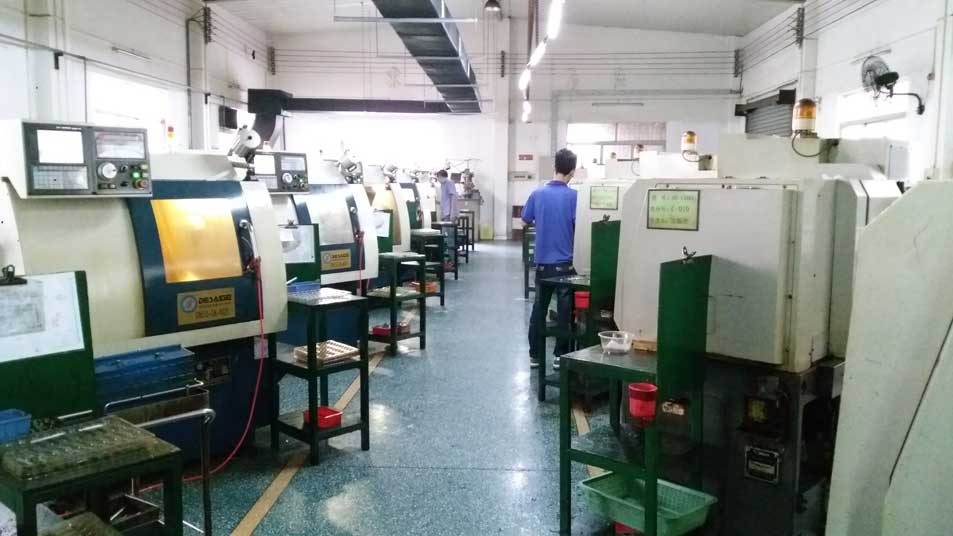
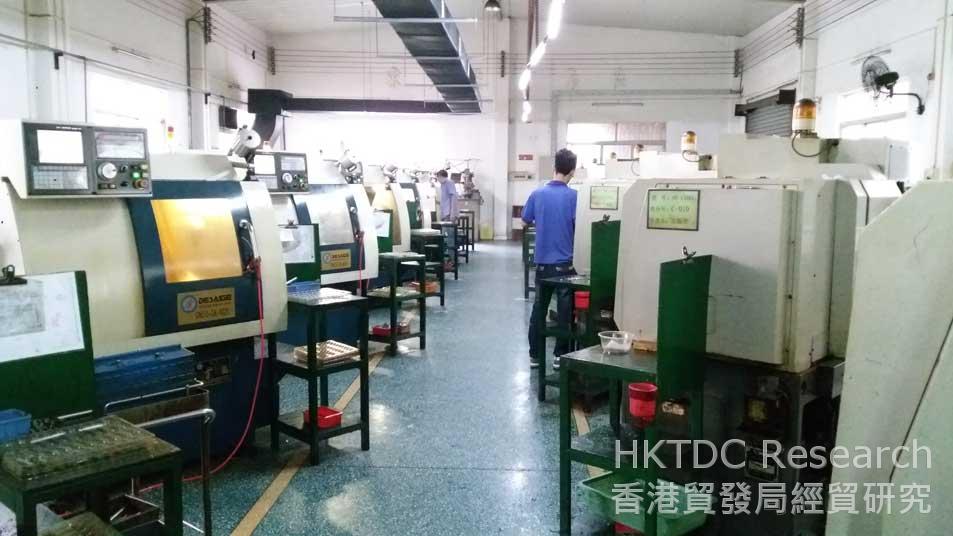
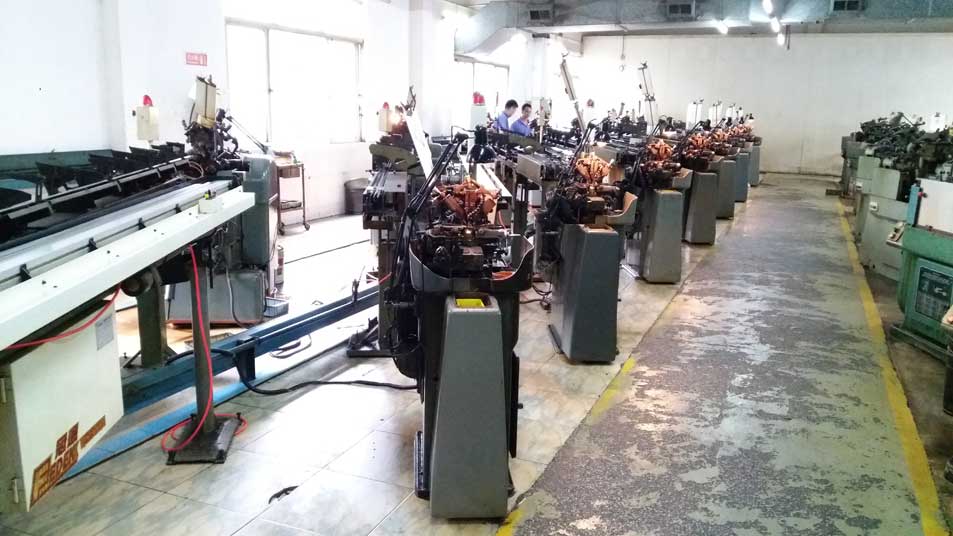
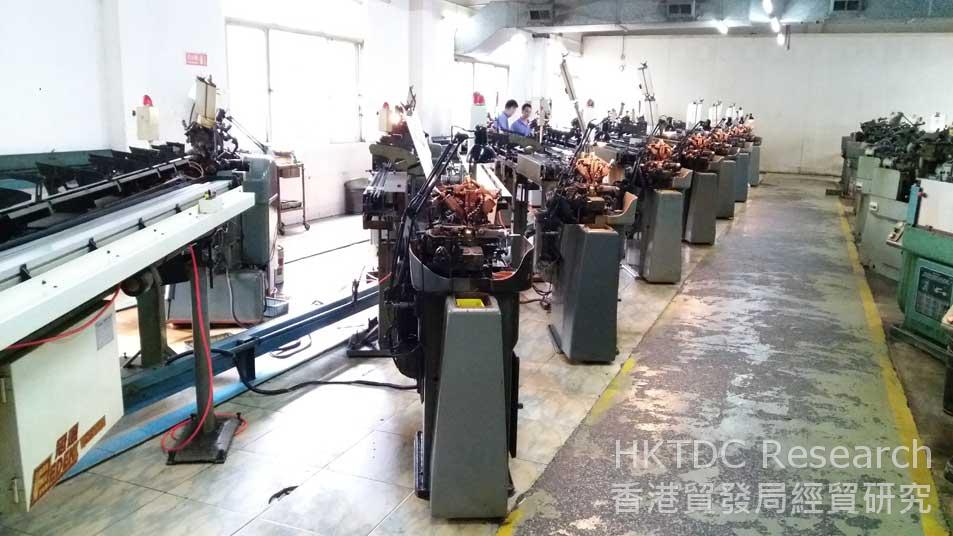
摩德尔在中国内地只在佛山设有厂房,从日本、德国、瑞典等国家引进各类自动生产设备,包括电脑数控机床(CNC)供精密生产之用,同时设置相关的检测设备,以保证产品达高质量水平。该厂房目前雇用约120名车间员工,大部分为技术员,负责操作有关生产设备,而低技术工人只占很少的员工比例。
提升品牌及产品价值
摩德尔同时着重发展品牌业务。除一般宣传活动、参加内地和海外大型展览会外,该公司在2013年于韩国京畿道设立工厂,从内地输送在佛山生产的核心零部件往韩国,配以当地采购的工业品生产并符合韩国产地来源规定的高端口腔医疗器械产品。摩德尔指出,目前内地一些企业着重低价策略,但产品设计及质量良莠不齐,直接影响中国产品形象。为免被有关情况影响,摩德尔利用韩国作为跳板,以韩国制造形象开拓国际市场、提升产品价值,同时建立摩德尔的品牌业务、扩大边际利润。
摩德尔的产品包括纯钛及铜镀铬高速手机、低速牙钻机、电马达无碳刷及无线根管等牙科医疗器械,60%业务是为各地知名品牌客户提供原件生产(OEM)服务,而40%则属原设计(ODM)或自家品牌产品。现时该公司约8成产品是供出口往海外市场,其余主要在内地销售;所有产品均符合不同销售市场相关监管部门的卫生和技术规格要求,并得到例如美国的FDA和欧盟CE标准认证。另一方面,该公司在香港设有办事处,除有关香港市场外,主要处理该公司的海外投资、销售、采购等业务和相关财务安排。
(注:上文是香港贸发局与广东省商务厅合作研究项目全球供应链转移与粤港产业发展关系的企业个案之一。更多详情,请参考前述的研究报告。)
编辑推荐
热门文章
为长远业务发展,不少中国内地的技术和资本密集型企业,近年加紧布局国际业务,并进一步发掘「一带一路」市场商机。广东科达洁能股份有限公司(下称科达洁能)表示,对外投资不应单看劳动力和直接生产成本,全盘生产布局更需考虑交通运输、物流、关税等整体成本,并根据市场需求定位有关投资策略,务求为公司业务寻求最大效益。
着眼「一带一路」市场潜力
在上海交易所上市的科达洁能,主要从事建材机械(陶瓷机械、墙材机械、石材机械等)、环保洁能(清洁煤气技术与装备、烟气治理技术与装备)与洁能材料(锂离子动力电池负极材料)等三大业务,并提供工程总承包管理和融资租赁服务。该公司旗下设有包括位于广东、安徽、江苏、河南、辽宁等地27家子公司,并拥有科达、恒力泰、科行、新铭丰、科达东大、埃尔、卓达豪等行业内知名品牌,目前销售遍及40多个国家和地区。
在建材机械方面,科达洁能积极利用国产装备,拓展海外市场,现已在亚洲市场处领先地位。该公司董事钟应洲先生向香港贸发局经贸研究介绍:「科达洁能的建材机械生产属技术及资本密集型,在质量和技术方面均达国际水平,加上内地无论在金属原材料、电子/电气零部件等支援一应俱全,亦不乏高端设计和工程技术人才,有利生产高技术和『高性价比』的建材机械。虽然内地近年经历一般劳动力及生产成本上涨,但科达洁能仍集中完善内地的生产业务,以技术和质量取胜,进一步发展内地和海外市场。」

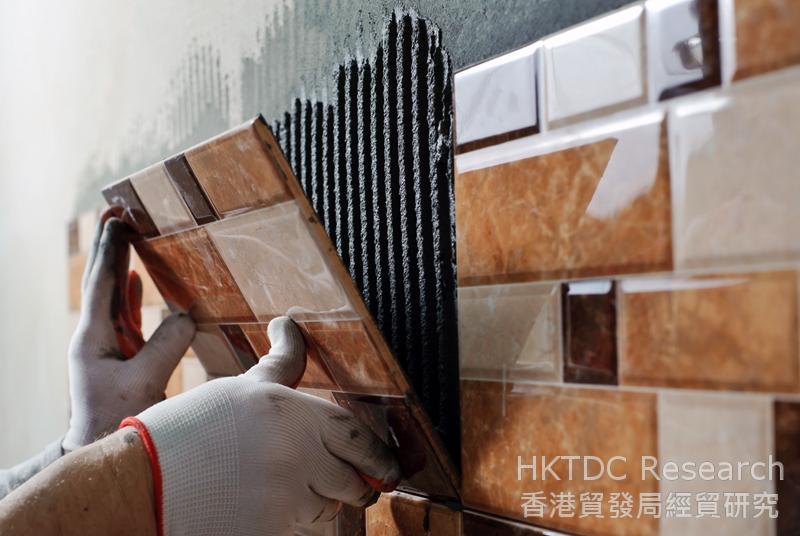
他表示,内地建材市场经过30年发展已迈向成熟,而下游生产商对建材生产装备需求亦转趋平稳。为业务的长远发展,科达洁能正逐步开发海外市场,并且十分重视「一带一路」沿线国家的市场发展潜力,特别是不少沿线国家亟欲引进有关生产装备,在本国生产建材以支援当地不断增加的基础建设、建筑活动。
依据成本利润布局海外投资
科达洁能除了从中国内地出口建材装备,近年亦开始在海外布局投资生产业务,但有关投资项目却集中与建材装备相关的下游业务,包括在非洲国家投资生产陶瓷建材产品。该公司目前在非洲肯尼亚设立的磁砖生产线,已在2016年底开始投产,而在加纳的厂房预计在2017年中开始运营,另外在坦桑尼亚的建材生产项目亦处于基础建设阶段。


虽然中国制建材拥有低成本优势,但建材生产商往往因部分国家征收较高的进口关税,加上建材运输成本高昂,难以为中国制产品开拓距离较远的海外市场。另一方面,部分发展中地区如非洲等地,建设活动不断增加,对建材需求殷切,但缺乏具规模的本地投资者,在当地设立建材生产线供应本地市场。
钟先生指出:「在这背景下,科达洁能与部分非洲分销商合作,输出中国生产的装备往有关国家设立建材生产线,利用当地原材料生产磁砖产品供应非洲市场。事实上,在计及劳动力效率及其他生产成本,在非洲生产磁砖的成本不比内地便宜,但却大大省却进口关税和运输成本,使科达洁能可有效开拓非洲的建材终端市场。而且,非洲建材市场在需求带动下能承受较高价格,可带来更高利润,同时带动公司的装备业务销售往非洲。
在建材机械领域方面,科达洁能已实现陶瓷机械装备国产化,并迈向「世界建材装备行业强者」的目标。该公司在内地设有2个「国家认定企业技术中心」、1个「国家工程技术中心」、2个「博士后科研工作站」和3个「院士工作室」等创新研发平台,配合内地的生产基地,为建材生产客户提供先进装备和相关的技术支援服务,现已是中国内地建材机械的龙头企业之一,获中国机械500强、国家级高新技术企业、国家知识产权优势企业、广东创新企业二十强等殊荣。
(注:上文是香港贸发局与广东省商务厅合作研究项目全球供应链转移与粤港产业发展关系的企业个案之一。更多详情,请参考前述的研究报告。)
编辑推荐
热门文章
面对激烈竞争市场环境,以及工资和原材料成本上涨等问题,部分中国内地企业正考虑转移生产往较低成本地区营运。可是,也有不少企业选择采取转型升级策略,增强竞争力以应对各种挑战。广东省佛山市的南海区远山汽车设备有限公司(下称「远山」),正积极提升自动化生产设备,同时制订策略性的生产布局,希望进一步扩大市场份额。
引进机械人解决技术员短缺问题
远山从事的汽车举升机/液压设备的研发和制造业务,主要倚赖技术和质量取胜。随着外部环境转变,一些内地企业正转移生产方法以降低成本,但远山却积极增强研发能力,并引进焊接机械人和其他自动化生产设备,包括经改造的电脑数控(CNC)锯床、冲床和自动送料设备,一方面纾缓技术员短缺问题,同时加强制造高技术及高质量产品能力。
远山的代表向香港贸发局经贸研究指出:「汽车举升机生产属资本及技术密集型制造活动,所需的非技术工人数量很少,反而需要聘用熟练的『师傅』级技术员从事焊接和装嵌工序,但转移生产往海外低成本地区,往往不能解决技术员短缺问题。而且,有关作业需取得上游供应商在原材料方面的支援,包括优质铝材、钢铁等供应,利用合适的机械和生产设备,配合完善的质量控制系统,以保证产品能符合内地和海外市场严格的技术和质量要求。
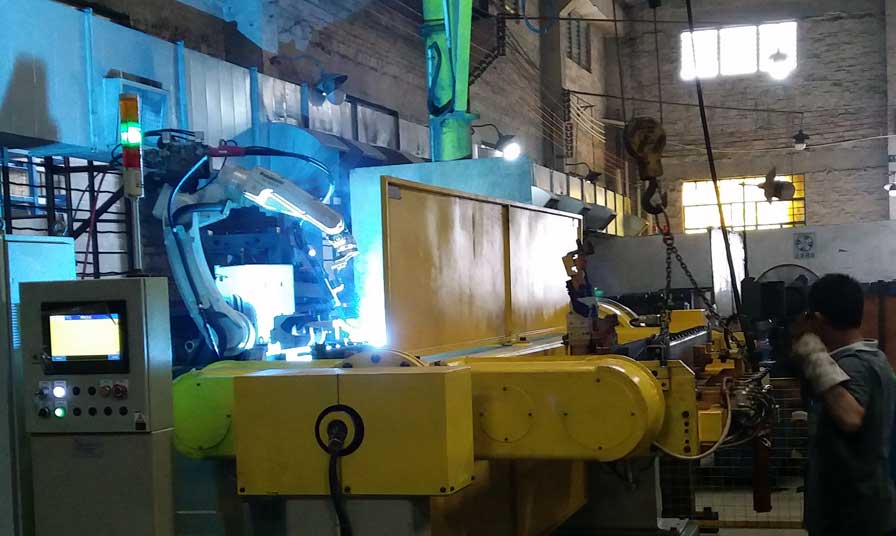
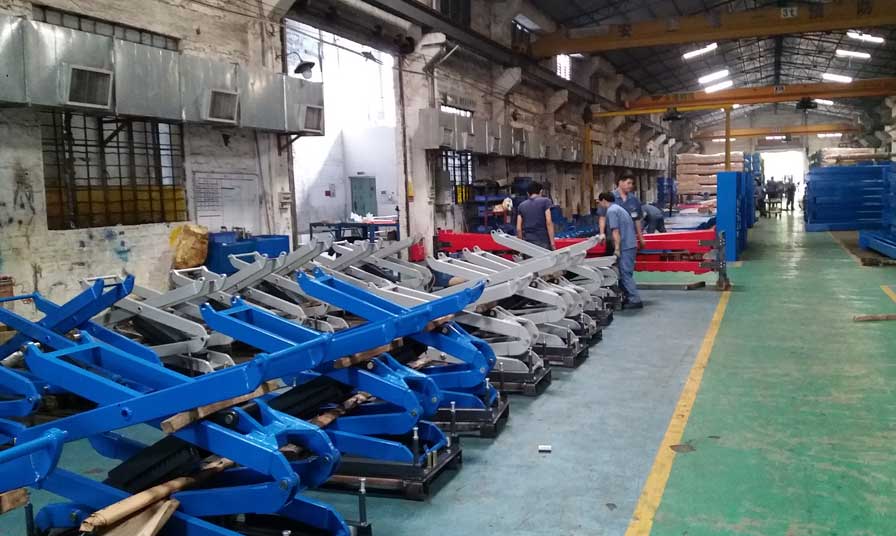
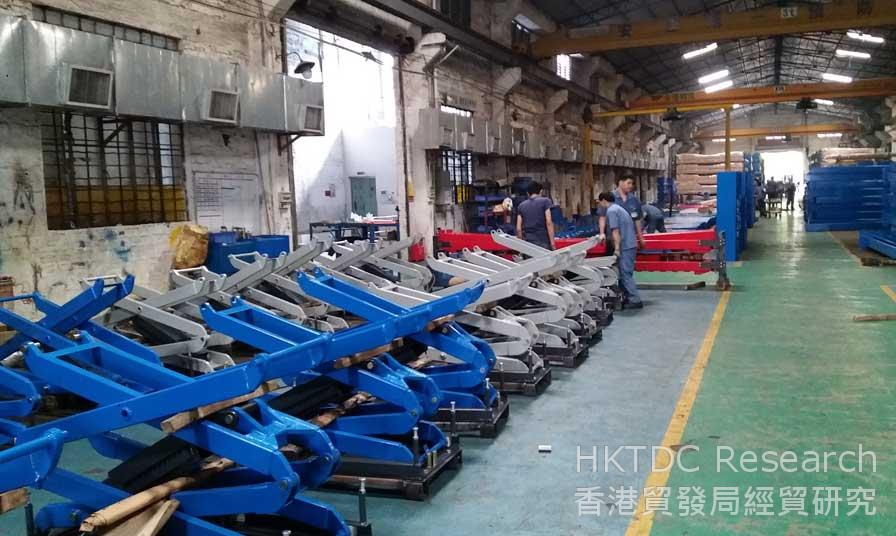
「在东南亚部分低成本地区,其实也欠缺技术工人,而且当地原材料供应链仍有待发展,如利用中国生产的金属物料维持当地生产,所涉及的运输成本不菲,若只为了享受当地较低的非技术劳工成本而进行迁移,可能得不偿失。事实上,广东省拥有成熟的供应链及物流配套服务,为解决技术员供应不足问题,远山近年开始引进自动焊接机械人,并与一些高校、技术学院合作,以培训更多操作机械人和自动生产线的技术人才。」
不过,远山其实已在美国建立生产线,利用自动化设备生产和组装举升机及液压产品,并预计在2017年下半年正式投产,有关产品主要供应北美、南美和欧洲市场。这些举措显然不是为了降低生产成本,而是通过在美国组装降低有关产品(或原材料)进口美国的关税,及为当地客户提供更好的销售和售后服务,同时利用当地完善的物流网络降低物流成本和运输时间,以支援邻近美国其他市场的销售活动。
远山在1999年成立,目前拥有先进的生产设备和高技术、管理人才团队。产品包括具专利技术的单柱、双柱、四柱和剪式汽车举升机,均按美国标准协会(ANSI)及/或欧盟CE等技术标准设计、制造,达到相关质量检测标准,这些产品主要出口往海外市场,2016年该公司销售额约达1,700万美元。
(注:上文是香港贸发局与广东省商务厅合作研究项目全球供应链转移与粤港产业发展关系的企业个案之一。更多详情,请参考前述的研究报告。)
编辑推荐
热门文章
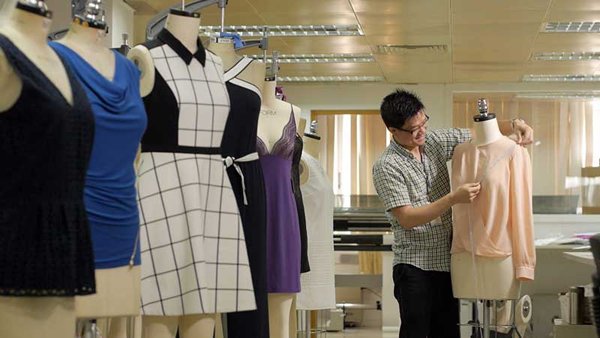
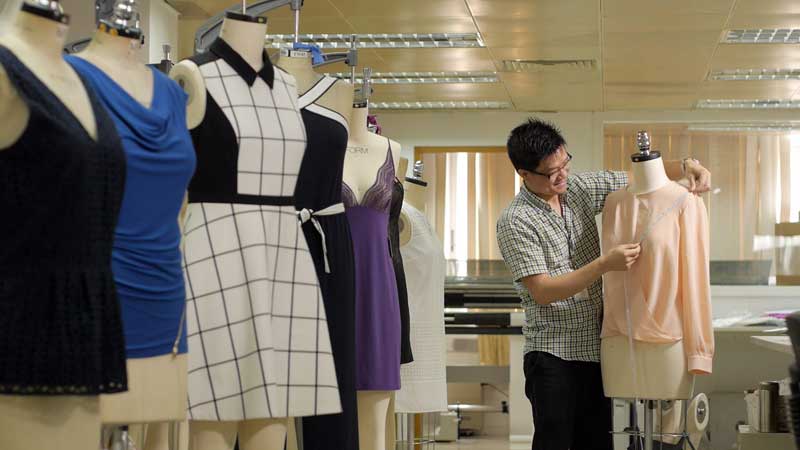
全球化发展促使区域供应链不断整合,不少在中国内地从事生产的企业近年积极「走出去」,转移部分生产业务往东南亚及其他地区,以应对内地生产成本上升挑战,优化整体生产布局。总部位于香港的联泰控股有限公司(下称「联泰」)执行副总裁陈祖恒先生指出,企业亦须考虑生产成本以外的一系列因素,例如外国贸易措施、转移生产地的供应链状况,和最终客户需求等,才能有效提升整体的生产及营运效率。
贸易优惠影响生产布局
陈祖恒先生对香港贸发局经贸研究表示:「劳动力和土地供应等当然会直接影响生产成本,但外国给予部分生产地的贸易优惠,亦可能对降低产品出口外国市场成本起关键作用。例如输往欧美的成衣及手袋等产品,一般进口关税率可高达双位数字(视乎产品而定),不过,若果能享受关税减免,有关好处可能超过减省生产成本的幅度。」
他举例:「受惠于美国放宽普及特惠关税制度(GSP),缅甸及柬埔寨等受惠国所生产的皮包产品出口至美国,现已获免关税待遇。另外,根据个别不同的GSP协议或自由贸易协定,两地出口手袋产品至欧盟、日本及中国等,亦获得免关税待遇。为把握机会,联泰近年于菲律宾及柬埔寨致力提高产能,并整合部分成衣生产设施转为生产皮包,加快在当地发展手袋制造业务,以享受有关税务优惠。」
提供策略性生产服务
联泰是全球领先的消费品生产及供应链集团之一,现时在香港交易所上市。联泰专业生产休闲服、时装及毛衣等成衣,和时款手袋、背包等配饰产品,利用具竞争力的价格、高质量、快速回应等优势,为国际知名品牌提供原设备制造(OEM)和原设计生产(ODM)服务。该公司业务策略之一,包括在中国内地、菲律宾、柬埔寨、越南、印尼等建立区域性生产网络,利用不同地点的生产优势,为客户提供策略性的生产服务。
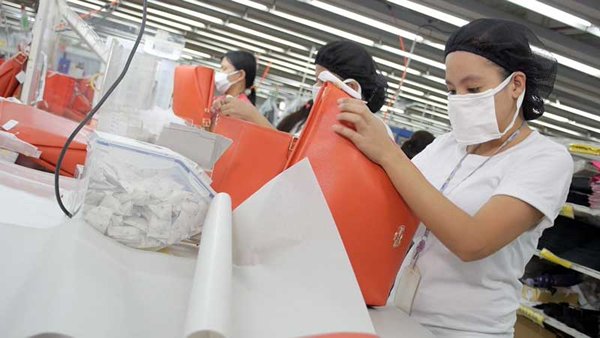
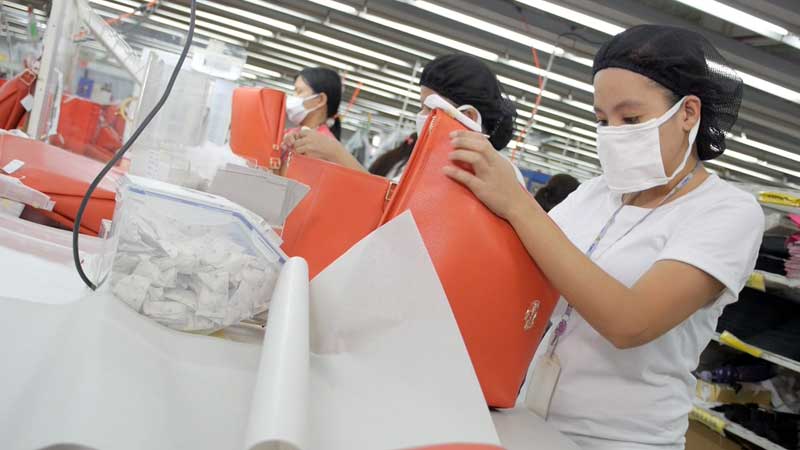
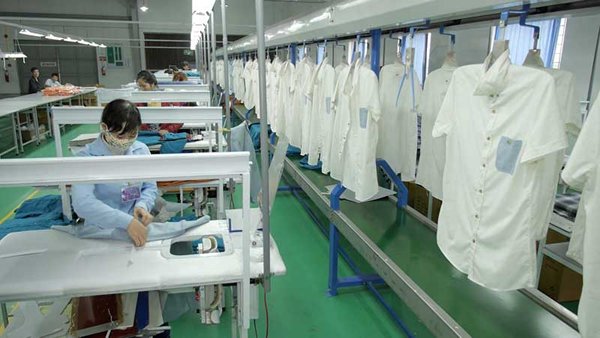
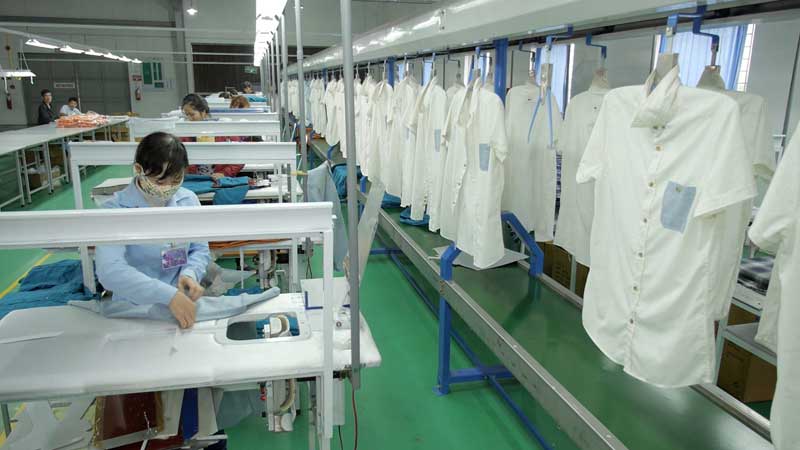
联泰于上世纪80年代在香港开展成衣生产业务,并在广东省的东莞、番禺、梅州等建立生产网络。随着近年内地生产成本上升、出现劳动力不足等问题,联泰在过去十年已逐步在东南亚布局生产活动,以降低生产成本和享受当地的关税优惠。
陈先生补充:「不是每一个低成本地区都适合承接从内地转移的生产,视乎个别企业及实际情况而定。例如部分『一带一路』国家不是热门的外来投资接收地,企业可能不了解当地的法律法规、本地文化,又不熟悉当地的劳工和生产支援情况,直接影响前往这些地点投资设厂的可行性。而且,低成本可能是因为缺乏供应链/生产物料支援、较差的交通基建和运输物流服务的结果。此外,部分国家拥有不俗的非技术劳动力供应,但缺乏熟练工人和技术人才,难以承接较高质量和高增值生产活动的业务。」
符合国际客户的业务发展
「生产因素以外,客户要求亦至关重要。国际知名品牌客户均快速回应市场变化,特别是近年全球经济增长缓慢,不同品牌竞相追逐消费者有限的购买力,相继提升产品的设计、用料、质量水平等,他们大多愿意把有关生产留在中国内地和其他拥有较成熟供应链的生产地,以便快速回应激烈的市场竞争。但对于部分较标准、或生命周期较长产品,例如一些T恤、内衣和运动型包袋,客户可能较着重低成本而愿意承担较高的生产风险、较长的生产周期,有关生产便可能需要转移到低成本的较落后的生产地点,例如孟加拉和埃塞俄比亚。」
联泰成功之道,除了有效利用中国内地和其他海外生产地点的不同优势,以满足客户不同要求外,亦积极配合客户的整体品牌发展策略。特别是知名品牌十分注重他们的品牌和企业形象,要求生产商严格实践企业公民责任;而联泰致力遵守各生产地的法律法规,确保符合相应的劳工和道德标准,并采取有效的环境保护措施,以符合客户要求,达致业务可持续发展的目的。
(注:上文是香港贸发局与广东省商务厅合作研究项目全球供应链转移与粤港产业发展关系的企业个案之一。更多详情,请参考前述的研究报告。)