









Chinese Mainland
Seizing the Opportunities Brought About by “One Belt and One Road” and Seeking New Directions for Hong Kong’s Economy (2)
By Martin Liao (Legislative Council Member, Commercial (Second) Functional Constituency)
The traditional Key Industries in Hong Kong, including the Finance Services, Trading and Marine Services Industry, as I have mentioned in my previous article in this series, surely can benefit a lot from the economic activities arising from the vision of “One Belt and One Road”. For the emerging economic sectors, they can find new directions for development from it as well.
Seize the opportunity to realize the potential of e-commerce
E-commerce is one of the emerging economic sectors that has great potential. It is reported that the scale of the global e-commerce market is expected to reach US$2.3 trillion in 2018, of which the Asia-Pacific region would account for 38% of the market share. And the “One Belt and One Road” is bound to generate more multilateral trade to further “expand the economic pie”. Hong Kong should accelerate the marriage of e-commerce and our traditional advantageous industries to capture these opportunities. The HKSAR Government has already named financial technologies as a new direction for the future development of Hong Kong’s financial industry, and is committed to further enhancing the operational efficiency of the industry and pioneering new development models for new technologies such as payment and settlement systems, big data analysis, cloud computing, information and risk management, and network security. Should the Steering Group on Financial Technologies succeed in its promotion of Hong Kong as a Fintech (financial technologies) hub, a new era of e-commerce would surely come with it. By then, Hong Kong with its advantages in freedom of information technology, convergence of talents, well-established legal system and intellectual property rights (IPR) protections, is absolutely well-positioned to be a Fintech hub for the countries and places along “One Belt and One Road”.
Another emerging economic sector is innovative technologies, which is quite a hot topic in Hong Kong these days. Although the innovative technologies industry in Hong Kong , for various reasons, has failed to play a major role over the years, it has high potential for development as many world-class researchers has been attracted to come and do their researches here. This year, a research team from the City University of Hong Kong, which has developed a specific biological technology for detecting toxins, was awarded the Grand Prix at the Geneva International Exhibition of Inventions. The “One Belt and One Road” is sure to provide a broad platform for Hong Kong’s innovative technology talents to maximize their potential. In this regard, the government too should take advantage of the chance and capitalize on Hong Kong’s well-established legal system and IPR protections to promote intellectual property (IP) trading and smooth its way to become an international IP trading hub.
Well-positioned to be an IP trading hub
“One Belt and One Road” not only can bring new development opportunities to Hong Kong’s creative industries, it can also bring new aspirations to our cultural and creative industries through the cultural exchanges with the various countries and regions far and near lying on the relevant economic corridors. As a matter of fact, creative industries have served as an economic engine for many countries and enhanced their economic strength. By comparison, creative industries in Hong Kong have lagged behind with the percentage share of value added in GDP stood at about 5% at 2013. But according to past records, Hong Kong’s entertainment industry was once dominant in the Southeast Asia market, and the influence of its kung fu movies reached as far as Europe and America, an indication that Hong Kong’s unique culture has full export potential. The HKSAR Government should help to create a favorable environment for Hong Kong’s creative industries to take off again, like assisting the industries to understand the cultures and traditions of the “One Belt and One Road” regions and facilitating various exchanges activities, thereby opening up the market and enhancing Hong Kong’s soft power at the same time.
The fore-mentioned are just a few examples of the numerous opportunities arising from the “One Belt and One Road” vision that I manage to cite in the limited length of this article. Actually it requires the joint efforts of the Government, business community and public to search out all the valuable new economic directions that “One Belt One Road” could render us. The Chief Executive has said that the leading industries of Hong Kong would not be the only ones that can “go global”. I believe our society is expecting the HKSAR Government, after the “13th Five-Year Plan” finalized officially, to keep the public informed of the specifics of the opportunities “One Belt and One Road” can bring to the various sectors in Hong Kong and what support schemes will be provided by the government.
The Government is expected to take the lead
As a matter of fact, if we are to seize all the opportunities arise from the “One Belt and One Road” vision, efforts on the part of the business sector alone is not adequate. Also this is not an efficient way for allocation of resources for society as a whole. In conclusion, the Government needs to play its part in creating a favourable environment in the background, actively participating in negotiating multilateral agreements to facilitate trade and safeguard investment, increasing the number of Asian Economic and Trade Offices, channeling resources and talents to “One Belt and One Road”- related key areas, and effectively helping the business community to capture opportunities. In addition, the Chief Executive has mentioned that he would ponder setting up a dedicated agency to support our country’s “One Belt and One Road” development, and would coordinate with various business associations and professional bodies to participate in the “One Belt and One Road”. These are very good ideas. I hope they can be put into execution soon enough so that the HKSAR Government can start assuming a leadership role and joining hands with the business community to translate the “One Belt and One Road” opportunities into substantive economic benefits.
This article is firstly published in the magazine CGCC Vision 2016 January issue. Please click here to view the full article.
(Remark: This is a free translation. For the exact meaning of the article, please refer to the Chinese version.)
Editor's picks
Trending articles
China-Kazakhstan Border Co-operation in Xinjiang
Xinjiang plans to become a regional transport hub under China’s Belt and Road Initiative. This mainly involves building three transport routes across the autonomous region. The middle route runs across the Central China Plain to Xinjiang through the second Eurasian land bridge and extends to Central Asia and Europe through two ports, one of which is Khorgas.
Located in the Ili Kazakh Autonomous Prefecture of Xinjiang, Khorgas borders Kazakhstan and is 90 km from Yining, 670 km from Urumqi and 378 km from the Kazakh city of Almaty. It is China's closest port to Kazakhstan and Central Asia and the largest highway port in western China. Cargo passing through Khorgas accounted for half of Xinjiang's import/export volume in 2014. The Khorgas Railway has also started operation since December 2012.
In September 2011, the State Council issued Several Opinions on Supporting the Building of the Kashgar and Khorgas Economic Development Zones, which clearly spelled out the relevant supporting policies and established Khorgas' special position in the opening up of Xinjiang, and indeed China, to the outside world. Khorgas was officially established as a city in September 2014 and combines the characteristics of a border area, a customs checkpoint, a commercial city and an international city. It is positioned as a gateway for international trade "linking the east and the west" and a bridgehead for opening up to the west.
A Logistics Hub for Trade with Central Asia
Khorgas, the westernmost port of China, is an important trading port between China and Kazakhstan as well as a node for the opening up of Xinjiang and China as a whole to the Silk Road Economic Belt and other countries and regions. An increase in Chinese exports to Central Asia in the past few years has attracted many logistics service suppliers to set up business in Khorgas. Apart from local firms, there are also logistics companies from other provinces. These serve not just local enterprises in Ili and Xinjiang but also provide transportation, customs clearance and other logistical support to traders and manufacturers outside the northwestern region in their exports to Central Asia. According to reports, the number of companies providing foreign-related warehousing and logistics services in this city has increased from 13 in 2013 to 49 at present. The number of international freight forwarding agents has also increased to 100.
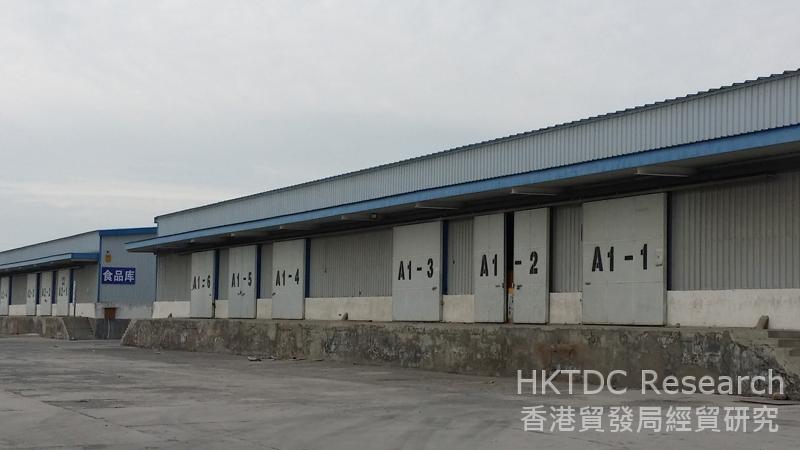
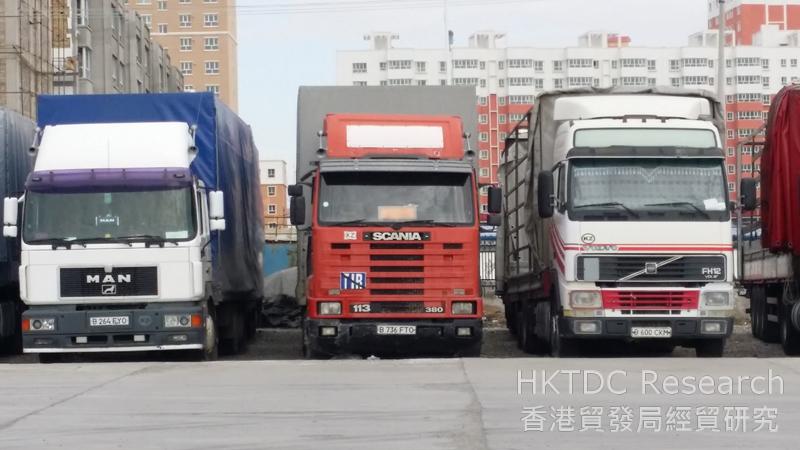
The head of a Khorgas-based warehousing and logistics company told HKTDC Research his business offers a one-stop service in close collaboration with other logistics companies, including customs clearance for Chinese exports and imports from Kazakhstan. Goods from mainland cities are first stored in customs-supervised warehouses and reloaded onto trucks from Kazakhstan after completing customs and quarantine declaration formalities for export as Chinese trucks are only permitted to go 6km beyond the customs checkpoint. Generally speaking it only takes about one day to complete customs clearance on the Chinese side. The goods will be under customs supervision until customs clearance in Almaty, on the Kazakhstan side.
The price of products exported to Central Asia has increased due to improvements in their quality over the past few years, he observed. For example, some exported shoes have an ex-factory price of RMB400 but may retail at over RMB1,000 a pair. Some fur coats from places such as Hebei and Shandong, meanwhile, have a unit price of over RMB6,000. Hong Kong companies interested in venturing into Central Asia may consider using the logistics services available at Khorgas to solve logistics and customs clearance problems when exporting goods to these markets.
The International Border Cooperation Centre: A Frontline for ‘Opening Up’
The China-Kazakhstan Khorgas International Border Cooperation Centre (hereafter referred to as the Centre) is the main focus for implementing the development strategy of building an international trade corridor connecting east and west. As a bridgehead for “opening up” to the west, the Centre – a cross-border economic and trade zone and investment cooperation centre – is a joint project undertaken by China and Kazakhstan. Its aim is to promote economic development in the border areas and reinforce China's economic and trade ties with Central Asian countries such as Kazakhstan.
Located in an area straddling the China-Kazakhstan border, the Centre has a total area of 5.28 km2 and is managed in a closed way. The Chinese section has an area of 3.43 km2, while the Kazakh section has an area of 1.85 km2. It is mainly for trade negotiations, exhibition and sales of products, warehousing and transportation. It has hotels and commercial and financial facilities and hosts all types of economic and trade fairs. With trade liberalisation, goods, people and vehicles may move freely across the border here. General trade, border trade, tourist shopping and other forms of trade exist side by side. Goods entering the Centre are considered as exports, and tax rules for general trade apply to goods entering the Chinese section. Travellers entering the Chinese section of the Centre may bring in duty-free items worth up to RMB8,000 per person per day. The Centre may be viewed as a pilot transnational closed free trade zone.
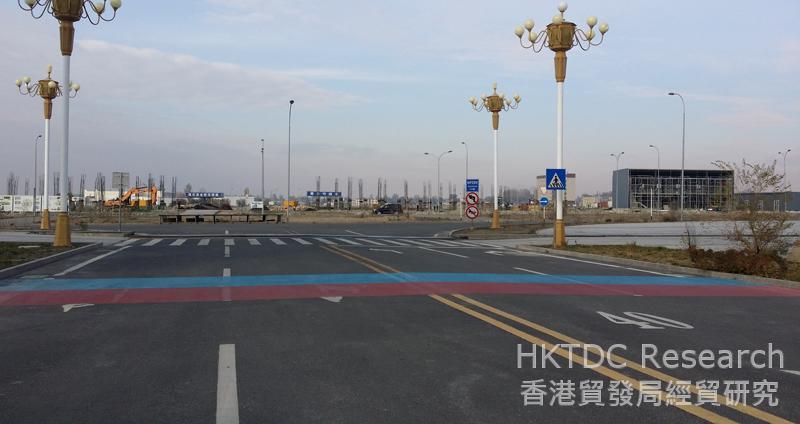
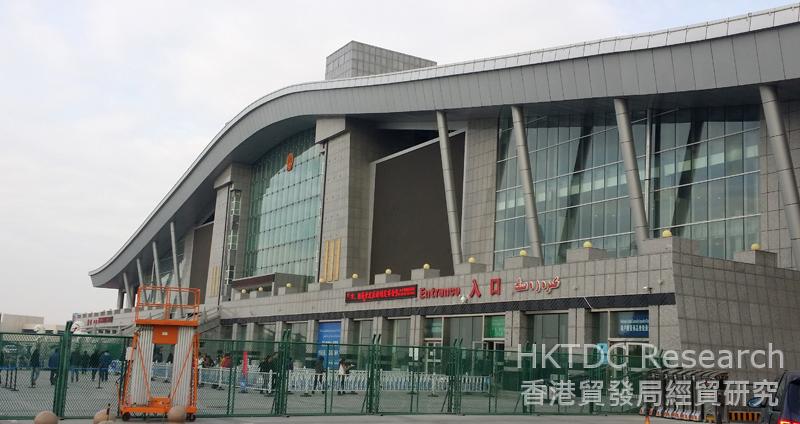
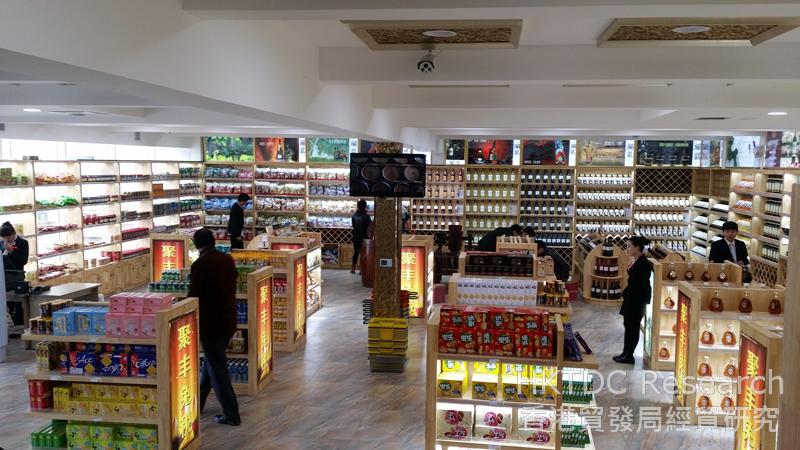
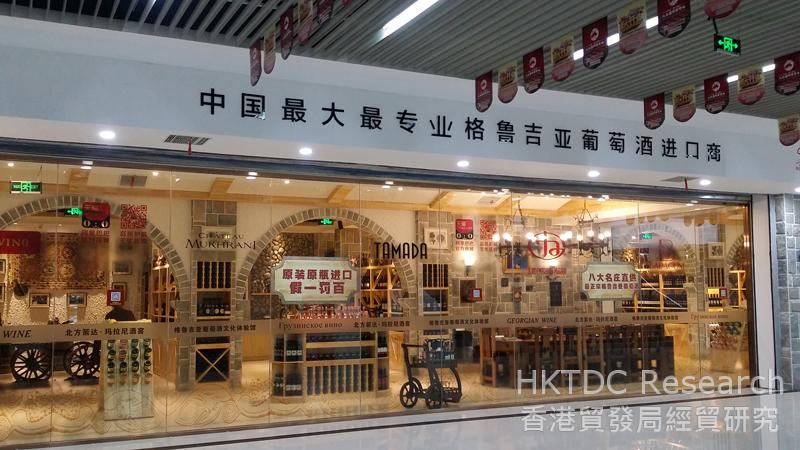
Since the opening of the Centre in April 2012, a number of duty-free shops selling imported goods such as cosmetics, wine from Georgia, chocolate from Kazakhstan, and other goods, have started operations in the Chinese section. Most shoppers are from the mainland. According to Khorgas’ customs statistics, 3.66 million tourists visited the Centre in 2015, up 120% year on year. Commercial projects in the Kazakh section are now under way and are expected to bring Chinese consumers more European products upon completion.
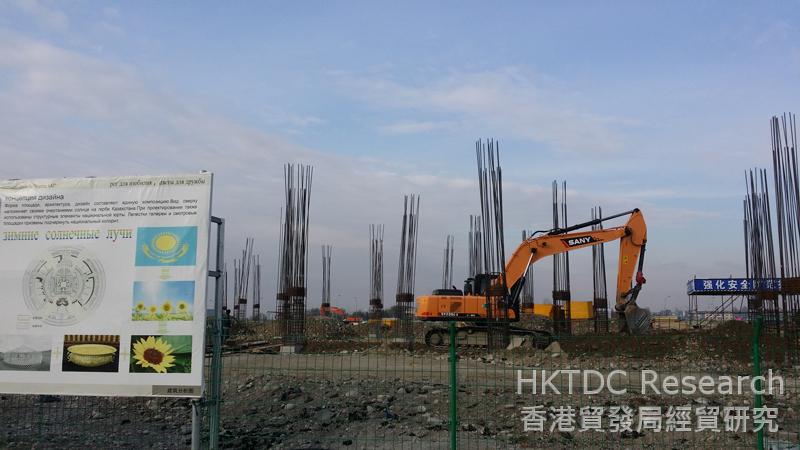
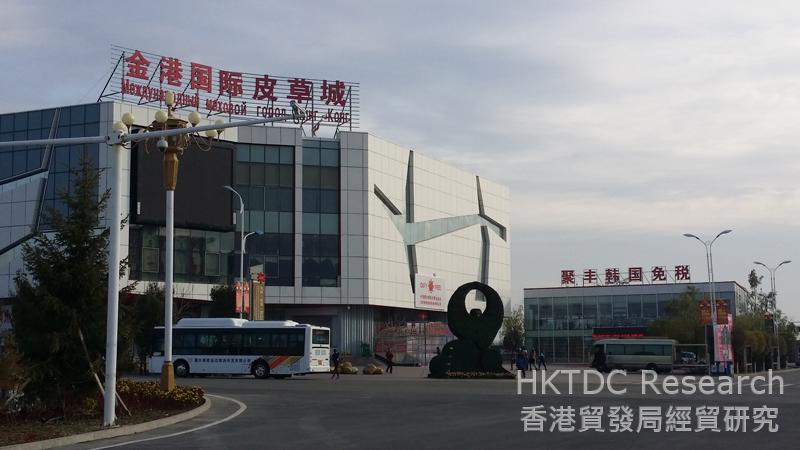
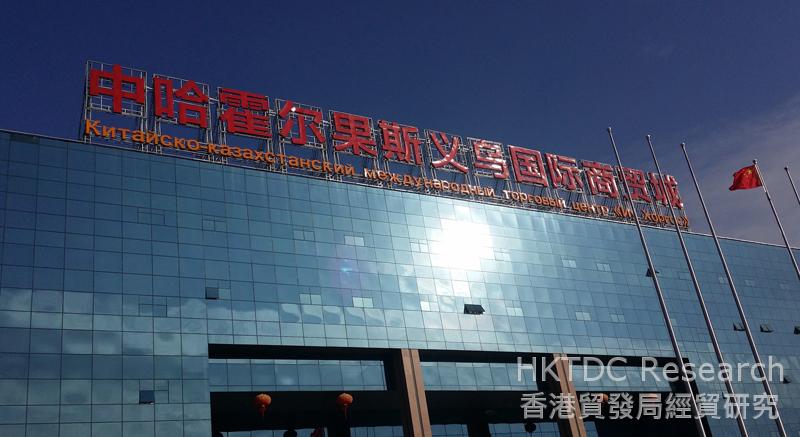
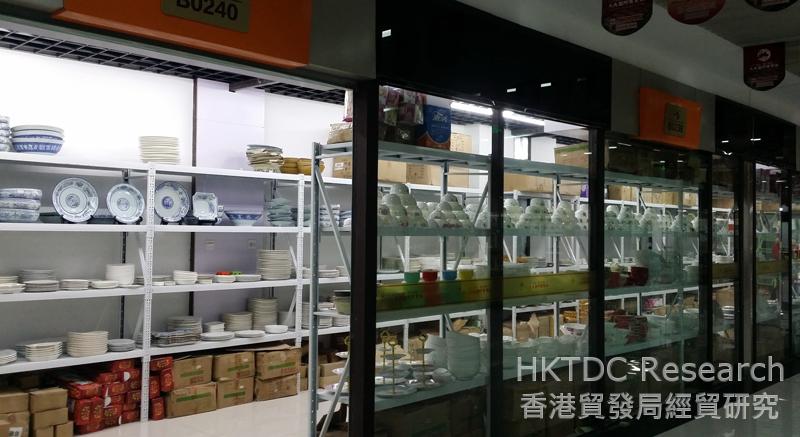
Apart from duty-free shops, a number of business centres have also been completed and opened. They include the Yiwu International Trade City, which is similar to the small commodity cities in Yiwu, Zhejiang province. This business centre is home to many wholesalers and retailers of goods from all parts of the country. It mainly targets Central Asian markets, particularly traders from Kazakhstan, with light industrial goods made in China.
Besides allowing the Centre to function as a free trade area, the State Council also gave the green light to the building of a support zone for the Chinese section 1km south of the Centre. This provides as industrial base for supporting the Centre's development. Its main functions include export processing, bonded logistics, warehousing and transportation. The two are run on the “front shop, back factory” model. Goods entering the support zone from outside are bonded and must be declared to Chinese customs according to general import rules when they leave the zone. Goods entering the zone from other parts of the mainland are treated as exports and are eligible for tax refunds. Transactions between enterprises within the zone are exempt from VAT and consumption tax. The support zone has a planned area of 9.73 km2 and has started operating after passing an acceptance test in September 2015.
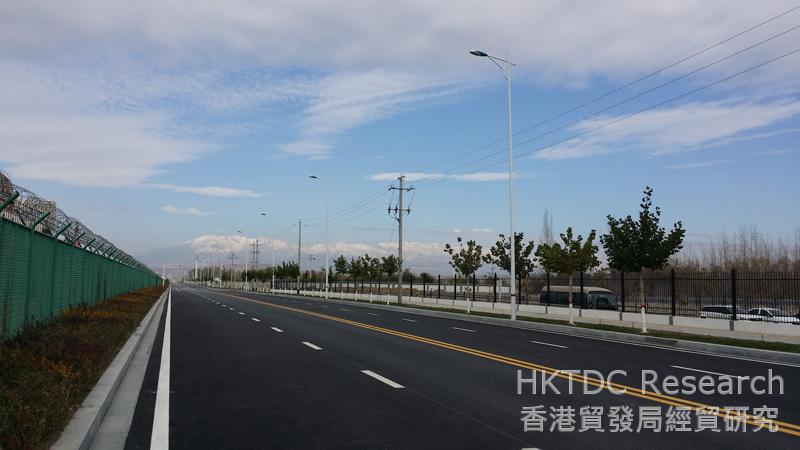
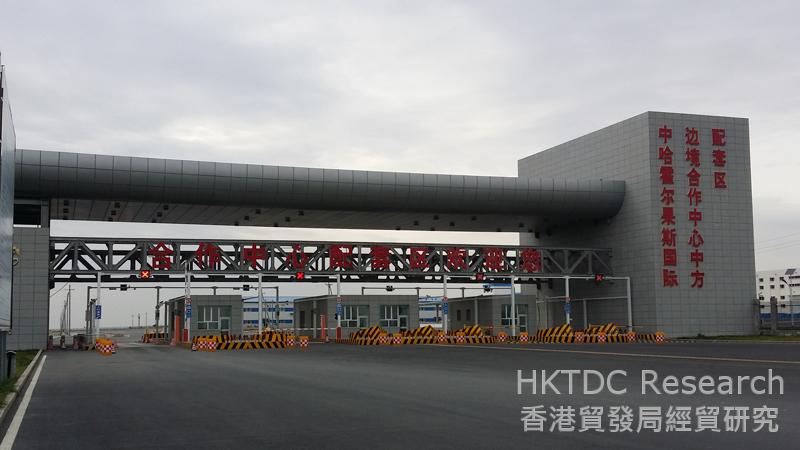
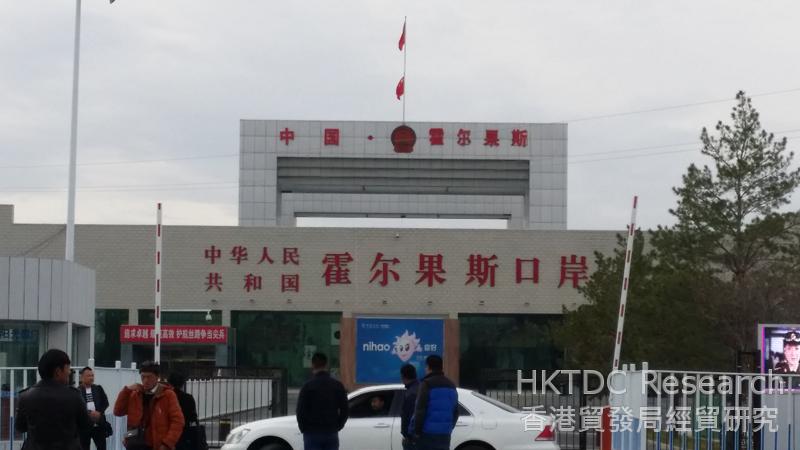
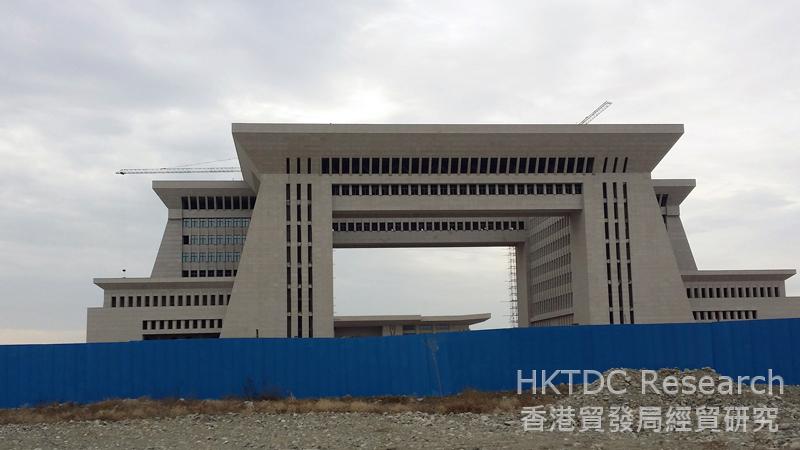
The Centre and its support zone effectively upgrade Khorgas’ trading functions, including foreign trade, product display and sales, warehousing, transportation, tourism and other commercial services. They also provide a key trading centre for China, offering processing, manufacturing, regional sourcing, and transit and transport, for companies to target Central Asian markets. By promoting the export of Chinese goods to Central Asia and the import of goods from Central Asia and even Europe, they merit the attentions of Hong Kong companies interested in tapping business opportunities in Central Asia.
| Content provided by |

|
Editor's picks
Trending articles
The Epoch-making “One Belt and One Road” Strategy
By CGCC Vision
As a China’s long term strategy to facilitate all-round economic andsocial development, “One Belt and One Road” is time-defining.
Tse Kwok-leung, Head of Policy and Economic Research of the Bank of China (HK), pointed out that China is making deployment preparation in different aspects to drive the “One Belt and One Road” strategy. These include perfecting infrastructures, establishing regional trade and logistics bases as well as offshore economic and trade co-operation parks, and raising funds for development.
Infrastructures as first priority
China is building various infrastructure projects along the route of “One Belt and One Road”, with high-speed rails as one of the foci. China is planning three highspeed rail links that go through Europe and Asia to connect China with Europe, Middle Asia and Southeast Asia. The third Euroasia Transcontinental Bridge is also under conceptualization. This would traverse through more than 20 countries in Eurasia to form a new regional economic development axis.
At the same time, China has started co-operation with countries such as Indonesia, Cambodia, Myanmar, Sri Lanka and Greece on port establishment and operation. On the other hand, the A, B and C lines of the Central Asia–China gas pipeline have already commenced production. These, together with the completion of line D, will form the Central Asia-China gas pipeline network to become a major economic belt of China and five Central Asian countries.
Co-establishing economic and trade co-operation parks
In addition to collaborating with core cities along the route of “One Belt and One Road” to establish trade and logistics hubs, China is also building economic and trade co-operation parks (i.e. industrial parks) overseas. Data from the Ministry of Commerce reveals that China has established 118 economic and trade co-operation zones or economic development areas in 50 countries. Amongst them, 77 are located in 23 countries along “One Belt and One Road”.
In 2014, the volume of trade between China and countries along “One Belt and One Road” amounted to USD$1.12 trillion, which represents 26% of total external trade. With an estimated average annual increase of 10%, the volume of trade between China and countries along “One Belt and One Road” is expected to reach USD$2 trillion by 2020.
Hong Kong to ride on the bandwagon
The country has also defined the positions of different provinces in its planning for “One Belt and One Road”. For example, Xinjiang has been defined as a “core area along the economic belt of the Silk Road”; Fujian, on the other hand, is the “core area of the 21st Century Maritime Silk Road”. Guangdong Province, sitting right next to Hong Kong, is to become the centre of commodity exhibition, sales and merchandizing for countries and regions along the 21st Century Maritime Silk Road.
As such, Hong Kong should seize the opportunity of “One Belt and One Road” and ride on the bandwagon to exert the power of its competitive edges. According to Tse, the funding requirement for the infrastructures of “One Belt and One Road” is expected to be in the range of USD$5-8 trillion. Multilateral financial institutes also need to raise large amount of development funds. Hong Kong can put its best advantage as a financing centre and take up an active role as a major offshore RMB market.
The building of “One Belt and One Road” involves different sectors. Hong Kong can play a part in sectors such as parts and components production; and commerce, trade and logistics. It can also offer talents from different professional services such as project management, law and arbitration and other intermediary services.
However, Tse reminded readers that the planning of “One Belt and One Road” does have a number of challenges. For example, it involves complicated multilateral international co-operation systems; the economic and legal standards of some of the countries along the route are comparatively backwards; there are also differences in culture and religions, etc. In addition, most high-speed rails and expressways consist of parts that are inside and outside the countries involved, meaning there would be dovetailing problems in the projects. These are all new challenges for participating countries and enterprises alike.
This article is firstly published in the magazine CGCC Vision 2015 December issue. Please click here to view the full article.
(Remark: This is the English translation version. For the exact meaning of this article, please refer to the Chinese version.)
Editor's picks
Trending articles
“China’s One Belt One Road Initiative”: Analysis from an Indian Perspective
By Geethanjali Nataraj and Richa Sekhani
The One Belt One Road initiative is the centrepiece of China’s foreign policy and domestic economic strategy. It aims to rejuvenate ancient trade routes–Silk Routes–which will open up markets within and beyond the region. India has so far been suspicious of the strategic implications of this initiative. If India sheds its inhibitions and participates actively in its implementation, it stands to gain substantially in terms of trade.
Introduction
The growth of China has been remarkable since it undertook reforms in 1978 and China is currently the second largest economy in the world even having overtaken Japan. In order to sustain this development, the concept of the Silk Road was proposed. The renewed initiative of the Belt and the Road is proposed to cope up with the profound changes and challenges that emerge in the course of development. The grandiose idea is rooted in history with the new Silk Road economic belt and the 21st century Maritime Silk Road (MSR) which earlier linked the major civilizations in Asia, Europe and Africa for years.
According to the official document titled “Vision and Actions on Jointly Building Silk Road Economic Belt and 21st Century Maritime Silk Road”, the project aims to create an open, inclusive and balanced regional economic co-operation with common ideology that benefits all the countries involved in the initiative. The vision reflects the demand from relevant countries for releasing infrastructure bottlenecks and improving connectivity with large markets in Asia and Europe as well as the need for China’s own development and security.
To achieve its objective, a new “Silk Road Economic Belt” will link China to Europe that cuts through mountainous regions in Central Asia and the “Maritime Silk Road” that links China’s port facilities with the African Coast and then pushes up through the Suez Canal into the Mediterranean Sea (Minnick2015). The MSR will extend from the Quanzhou province in China, heading south to Malacca Strait, from Kuala lampur it will head to Kolkata, crossing the northern Indian Ocean to Nairobi, Kenya.
Therefore it offers a tremendous opportunity to connect resource and commodity rich west and Central Asia to emerging South and South East Asian countries along the Road which has a huge potential consumer market. To facilitate this development, China has set up a US $40 billion Silk Road Fund.
1. Driving factors behind the OBOR initiative
Much of China’s logic on the project is based on geopolitics and on the export of its huge infrastructure-building capacities and therefore Chinese President Xi Jingping has made the program a centerpiece of both his foreign policy and domestic economic strategy. The project is comprehensive and multi-faceted and seeks to establish China not only as an Asia-Pacific but also as a global power.
Since decades, China’s opening up policy has favored development of East China and Coastal areas while West China and Inland areas limited by their geographical location, resources and development foundation have remained relatively less developed. The OBOR strategy contributes to the establishment of “one body two wings” of the new pattern of comprehensive opening up (Hucheng2014). Through this initiative China hopes to develop and modernize its landlocked and underdeveloped southern and western provinces, to enable them access the markets of south East Asia and west Asia thus shaping China’s regional periphery by exercising economic, cultural and political influence.
Further, the Chinese leadership is facing difficulties to manage the transition to a “new normal” of slower and more sustainable economic growth because of the property market challenges, overcapacity in the industries, debt burden and financial risks hovering over the Chinese economy. Infact, excess capacity in Chinese factories is a serious problem. It is expected that by promoting investments in course of implementation of OBOR Projects, new opportunities and markets would be created for Chinese firms which would have a multiplier impact on production of goods and services domestically, thereby creating more jobs and higher incomes for the Chinese populace. Given its huge foreign exchange reserves, totaling about $4 trillion, China is in need of avenues to invest so as to earn a reasonable return on the same.
Among all the driving factors, the strategic rationale for initiating the OBOR is of utmost importance. The project clearly reflects the deepening of Chinese interests in strategically important regions to its west, for instance, Persian Gulf. Many of the spectators are of the view that this new initiative by China is a response to the much –hyped “pivot to Asia” by United States (Leverett2015). According to few experts, the launch of this project, if handled proficiently will act as a non-military catalyst that will accelerate the relative decline of U.S. power over the Persian Gulf and will ensure more balanced distribution of geopolitical influence in this region which is seen to be vital strategically.
Financial integration is another important underpinning driving the implementation of OBOR. This project will help the internationalization of Yuan and encourage Chinese companies to issue Yuan bond to fund projects for the OBOR initiative. As more and more trade will get channelized through the route, the demand for Chinese currency will increase that will further help increase its weightage in the IMF and Special Drawing Rights. Also with most of the projects (in initial phases at least) to be financed by Chinese financial institutions like China Investment Corporation, China Development Bank etc., and China dominated institutions like Asia Infrastructure Investment Bank and BRICS New Development Bank, it is being commented by many observers that this would help China in faster internationalization of her currency, the Renminbi. Thus it quite apparent that China has a grand vision in promoting OBOR; a vision which will seek for a greater role for China (both political and economic) in the international community.
2. Economic Coverage of the BRI.
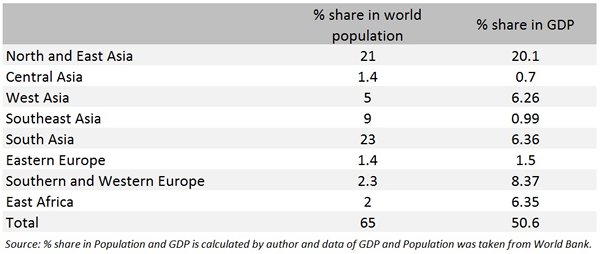
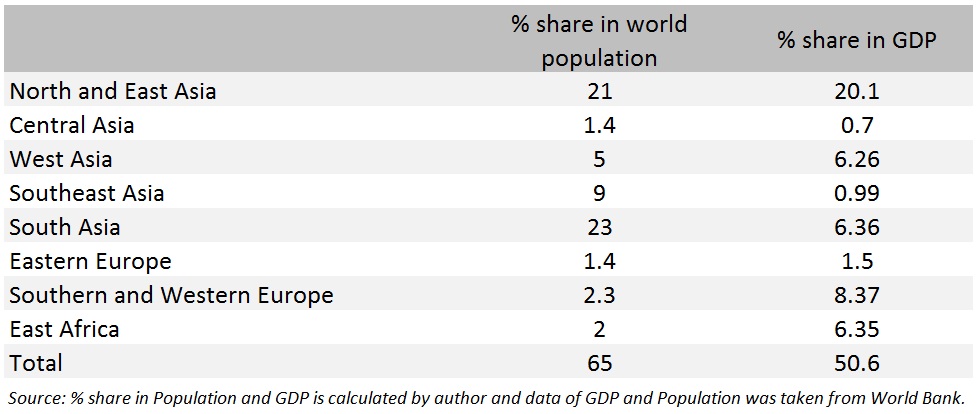
Economic and Trade co-operation is the foundation of the construction of OBOR. The Chinese officials use three keywords to define the new project: ‘Connection’, ‘Inheritance’ and ‘Record’ as the project is an important component of ‘Chinese Dream’ which extends both in space and time. With 58 countries involved along the “One Belt and One Road”, it accounts for the economic aggregation of $US 21 trillion, with share in the global trade 29 per cent[i]. Unlike the traditional Silk Road which ensured exchange of goods and technology, the New Silk Road also plans to link the policies, infrastructure, trade, finance and people. Table 1 below presents the regions covered along the route along with their percentage shares in world population and world GDP.
Table 1: List of Regions along the OBOR and their % share in world Population and GDP.
3. Implications of the OBOR on China and Member Countries.
One Belt One Road provides a platform to expand trade volumes between China and the member countries. Presently, trade between China and other partner countries along the roads boasts of a solid foundation. For most of the countries involved in the project, China is their largest trade partner, largest export market and the main source of investment. Trade and FDI, over the past 10 years between China and other countries have had an annual average growth of 19 per cent and 46 per cent respectively. According to Fidelity Worldwide Investment Report (2015), China’s trade value with the OBOR countries reached almost RMB7 trillion in 2014 accounting for 25% of total foreign trade value, while the combined weightage of trade with the US, Eurozone and Japan was around 34%.
Considering that China has maintained strong trade and economic co-operation with the countries involved in the project, this new initiative will further give boost to economic co-operation which will ensure regional integration. According to Chinese President, the annual trade with the countries involved in the project would surpass $2.5 trillion in a decade.
Chinese agriculture and mining are the two key industries which are expected to benefit as the route will encourage mineral exploration. OBOR initiative will also help China to identify new growth drivers for imports and exports and hence diversify China’s trading profile leading to trade creation. Through the OBOR, China is planning to encourage competitive industries to reap the advantage of high-end technology and increase overseas investment. This will further assist in exploration of resources which will improve China’s supply of energy resources. Under this new initiative China plans to build both hard and soft infrastructure from Indo- Pacific to Africa to improve the relations at both economic and political front.
China however has to be critical while formulating its plan. The route is in three directions- east, west and south and hence needs to be clearly differentiated.
The benefits of the project however is not just limited to China alone but also gives tremendous opportunities to its members to boost and revitalize trade with other countries and seeks for new markets and strengthen their accessibility. With connectivity improving, the OBOR covered countries are more likely to gain more share among Chinese trading partners. Being the final destination of the New Silk Road, Europe is also an important region for China from an economic viewpoint. Through better connectivity, OBOR may promote the reconciliation of EU and Russia and will also provide Europe, a platform to balance its transatlantic relationship. There will be a greater chance for Europe to co-operate with the markets of West Africa, the Indian Ocean and Central Asia
OBOR will also connect resource and commodity rich west and Central Asia to emerging South and South East Asian countries along the Road which has a huge potential consumer market. Southeast Asia though rich in resources suffers from infrastructure deficit and low level of industrial development. The project has potential to address this gap and hence promote the development in the region. For countries like Cambodia and Laos the OBOR project could be a game changer. Further, the large scale investment needed to build OBOR might encourage Chinese steelmakers to build more capacity in Southeast Asia, West Asia and African countries by setting up integrated steel mills with nearby iron-ore mines. China cement industries will also see a long term benefit as the demand from ASEAN and Central Asian countries will increase because of infrastructure development. This could also encourage overseas expansion of Chinese cement industries in these regions. Additionally, the freight movement by road will increase through multi-modal connectivity. Overall the countries are expected to gain as OBOR will encourage demand, burgeoning of new industries and creation of trade.
India and “One Belt One Road (BRI)”: Implications
According to various experts from different countries from east coast of Africa to Northeast Asia, India’s role in BRI has been acknowledged and seen essential. Indian Ocean is vital for pursuing the economic and strategic interests of China. However, unlike most of the ASEAN and South Asian countries who have welcomed the idea of BRI, India has not. For India, the proposal to build BRI is vague and does not give surety as to how serious Beijing is about opening up trade and cultural exchanges along the Himalayan barrier. The project has several implications for India.
4.1 Impact on Security
India, in order to balance China’s North-South connectivity to South- East Asia, has been promoting East- West Connectivity through Myanmar, Thailand and Vietnam. India however is concerned about the Bangladesh- China- India- Myanmar (BCIM) Economic Corridor which links Yunnan with North- east part of India.
Through the OBOR, China is countering the strategies of India and is promoting its greater presence in the North-Eastern region of India, part of which China claims as its own territory. These along with China’s plan to supply eight type 039 A submarines to Pakistan have made India anxious of China’s policy of ‘balanced’ South Asia. With China’s aid to Pakistan and launch of BRI, such submarines will be more than doubled. India, on the other hand only has 13 aging conventional subs which could result in India- China arms race and geopolitical rivalry in the India ocean region.
Further, the China- Pakistan Economic Corridor (CPEC) which is a part of the BRI passes through Pakistan Occupied Kashmir. According to the document released at the Bao Forum Conference in March 2015, the creation of maritime facilities with China’s aid will have an obligation for the host country to serve Chinese interests including strategic interests (Rajan 2014) .This is worrisome for India as Chinese will eventually increase their military presence in Indian Ocean and will reshape the economic arrangement in the regions. Further, the railway route planed under BRICS expected to link Pakistan and China via Pakistan occupied Kashmir will be of strategic importance in the event of conflicts with India and will facilitate China to supply missiles and spare parts to Pakistan. This might have serious consequences on India’s power to negotiate with China on the territory of Ladakh and further cause tensions at border.
4.2 Impact on Trade
The Silk Road Economic Corridor initiative is similar to that of BCIM and the CPEC Corridor. India has direct and indirect presence in all the three economic corridors. BCIM gives India greater presence in the region as it is the formal member. India pursues its soft power in the Silk Road Economic Corridor that outvie the economic and political development. The CPEC would link to the larger India market in order to reach its full economic potential. This corridor will open up the flow of trade between India and Pakistan which presently has to be routed through third-countries instead of receiving them directly. Further, India does not enjoy much leverage to guide ocean trade markets despite having proximity to sea and strong navy. Through OBOR project India will get access to more business in an environment which will promote business friendly reforms.
Although, China is the largest trade partner with most of the countries involved in BRI projects, India’s also is significant trading partner especially with African, South Asian and South East Asian countries. India will have economic implication once the BRI project is launched. The port development in Myanmar, Bangladesh, Sri Lanka, Maldives and Pakistan which is incorporated in the BRI project have the potential to change the bilateral equation of India further to its disadvantage (Sibal 2014) as it favors China’s trade flows through the Indian Ocean. This also will lead to trade diversion of Indian goods and services. China and India export some of the similar set of goods to the countries like Thailand, Myanmar, Cambodia in South East Asia region, Sri Lanka, Pakistan and Nepal in South Asia, few countries in Western Europe and Central Asia.Once the BRI is built the countries might divert their trade from India to China because of the easier accessibility to Chinese goods and currency exchange.
4.3 Why India should join?
China has a tradition of using the “Cheque book” policy against India. And under maritime silk route (MSR)China is developing ports in Bangladesh, Sri Lanka and Pakistan and is trying to enlarge its sphere of influence using its economic might in the Bay of Bengal, Arabian Sea, thus MSR is nothing but an economic disguise to the “string of pearl” theory. China is investing huge amount of monies in India’s immediate neighbors and these south-east Asian countries tend to use the “China card” against India that is try to play with the India-China mistrust in order to further their development and economic agenda. With more south East Asian nations coming under China’s sphere of influence would result in a serious setback to India’s traditional concept of the subcontinent as its privileged sphere.
Further, the project, though an informal channel at present, offers an alternative against the US –led Trans- Pacific Partnership (TPP) in the Asia- Pacific and Transatlantic Trade and Investment Partnership between the European Union and United States. These Mega Free Trade agreements through their policies and rules of global trade particularly where multilateral level consensus is more necessary will make it difficult for the government to regulate the market and will have economic implications on India’s trade.
Moreover, India and China are members of the BRICS Bank which aims to offer financial support for infrastructure projects and sustainable development. By refusing to be the member of BRI, India’s infrastructure needs may get neglected. This may further interfere with the economic co-operation among the BRICS countries and may cause conflicts.
Once the issue relating to strategic and economic implications is judiciously analyzed, India could benefit from being the BRI partner. Most importantly, from a strategic perspective, India’s involvement in OBOR will help the country, better implement and integrate its “spice route” and the “Mausam project”. Beside tangible benefit of physical connectivity, the integration of these projects will also invigorate a climate of mutual trust, stability and prosperity between the member countries. Additionally, India could also expedite the progress on the Chahbahar port on the Iranian coast which will give India access to Afghanistan and Central Asia. This would enable India to be a major player in the overland Silk Route.
India’s participation in OBOR will give a new start and a new bright spot in India- China co-operation as it will foster policy coordination, increase trade and investment and ensure people to people connect and most importantly integrate the financial system. For India MSR could prove to be a boon and help enhance its regional and bilateral co-operation. India does not have the same economic might as China has, but investing in neighboring littoral countries will help in reducing china’s sphere of influence to some extent.
5. Challenges
The huge grandiose plan of OBOR has been painted as everything from a response to home-grown economic problems to a masterful reshaping of the regional economy. However the complete realization of the project as estimated will take about 35 year which will mark the 100thanniversary of the foundation of People’s Republic of China in 2049. Though the project has met with skepticism from its neighbors, it has huge potential across regions.
However the plan is yet to finalise its strategic vision. The success of the project depends on addressing both internal and external challenges being faced by the Chinese economy.
Chinese are expecting quick results. As the project involves large scale infrastructure development, the plan needs to be given at least ten year time frame for success which means that expectation should be revised. Since China is planning continuous investment in infrastructure in the countries that are less developed and unstable, there is a potential for a debt crisis and limited returns. Moreover China presently is grappling with its own economic issues and slowdown can also have implication on its OBOR strategy. Therefore serious planning would be essential.
China has allocated $ 40 billion to its Silk Road Fund and established $100 billion AIIB. According to few analysts, the actual fund needed for the plan might exceed three or four time the amount allocated. The additional requirement will have to be met either by issuance of special bond and low-cost finance by the China Development Bank. China has to be vigilant of the financial challenges or else the ambitious project could end up as expensive boondoggles.
OBOR has also received criticism and skepticism from many member countries, particularly ASEAN. They see this project as an attempt by China to dominate its neighboring region and therefore are facing coordination problems. Further regional and territorial disputes of China can interfere with the project. Additionally, Chinese failure in considering regional politics and non-interference policy can expose the project to political risks from both local opposition and competing regional power. China’s OBOR dream can also get affected because of the presence of underdeveloped and immature market along the route. Terrorism can further add to the risk. The potential of conflicts and geopolitical tension with the United and the unbalanced trade relations between China and Russia can further act as a hurdle. India may also challenge OBOR as the initiative is seen more of a threat to the country rather than opportunity.
Therefore, it’s the adequate planning and coordination between the member countries that will be required for successful implementation of the OBOR initiative.
6. Conclusion
In sum, the OBOR initiative is a centerpiece of China’s foreign policy and domestic economic strategies. It is aimed at rejuvenating two ancient trade routes and further opening up markets within and beyond the region In order to make the OBOR successful, China is keen to offer more economic and financial assistance to countries on the route and beyond through connectivity program, technical exchanges and the building of infrastructure. China has already started taking several initiatives by investing in infrastructure projects and seeking a comprehensive engagement with member countries. However better planning will be essential.
From an Indian perspective, it is apparent that the One Belt One Road initiative of China will seriously hamper India’s efforts in increasing its share in global trade and commerce, if India chooses to stay out. Not only is India likely to lose existing and prospective markets, but also see its share in global capital inflows come down. In such a situation, it becomes imperative for policymakers in India to plan out strategies that not only mitigate adverse impacts of the OBOR Project, but also enables the country to reap benefits from the same.
China has repeatedly reached out to India and other countries of the region to partner her in the implementation of the OBOR corridor. India should therefore not miss the bus and strive to gain maximum economic and geopolitical advantage out of the Corridor. To begin with, India should seek to add more Indian nodes in the existing plan of the OBOR Scheme. The Belt is planned to pass through Pakistan Occupied Kashmir (PoK). India should seek to make the route pass through the Indian portion of the region of Kashmir. This would help her not only economically revive Kashmir, but also ease tensions and build mutual trust on both sides of the border. Similarly along the Maritime Road, India should attempt to make the route pass through another port like Kochi or Mumbai. Such a measure would augment India’s own infrastructure development efforts by attracting foreign capital and technical expertise.
It is evident that India needs to actively engage in the development of the project, right from the beginning. She needs to heed China’s call to participate in the project geographically, politically and financially. The OBOR Project provides India a perfect opportunity to attract foreign capital to develop a significant proportion of her requirements. Simultaneously India has the opportunity to tap new markets and make good economic returns by investing in infrastructure and industrial corridors along the Belt and the Road. India can also enhance her international prestige by playing the role of an international mediator between an aggressive China and a suspicious West. India thus has a lot to gain from the One Belt One Road Project, provided India sheds its inhibitions about the same and participates actively in its implementation.
Please click here to view the full article.
[i] The List of the countries involved can be found in “The Silk Road Economic Belt and the 21st Century Maritime Silk Road May 2015” published by Fung Business Intelligence Centre.
Editor's picks
Trending articles
Lithuania: A Maritime Link between East and West
As the largest country among the Baltic States in terms of population, territory and size of economy, Lithuania has been the largest recipient of China’s outbound direct investment (ODI) in the Baltics in recent years. Home to the region’s largest container port and its largest retail chain, Lithuania provides an important maritime and distribution link not only to the Western markets of the EU and Scandinavia, but also the Eastern markets of Russia and other former Soviet states. The recent decision by China Merchants Group (CMG) to invest in the Klaipeda Container Terminal and the Kaunas Free Economic Zone, as well as a joint venture to develop the Klaipeda-Minsk rail corridor and a “One Belt, One Road Cooperation Centre” in the country, are notable examples of how Lithuania is becoming a crucial link between East and West under the Belt and Road Initiative (BRI).
The fastest-growing economy and the largest recipient of China’s ODI in the Baltics
Boasting nearly half of the region’s population and GDP, Lithuania is the largest and southernmost of the three Baltic States. Thanks to its extensive liberalisation and privatisation programmes initiated after independence in 1991 and the benefits gained from accession to the EU in 2004, Lithuania has enjoyed robust growth. Since 2004, it has had the fastest growth of the three Baltic states, and its average growth of 3.4% between 2004 and 2015 mean it has outpaced not only Latvia and Estonia, but the EU, (which registered, on average, only 1.3% growth over the same period) as a whole.
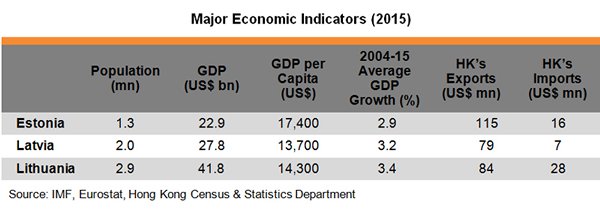
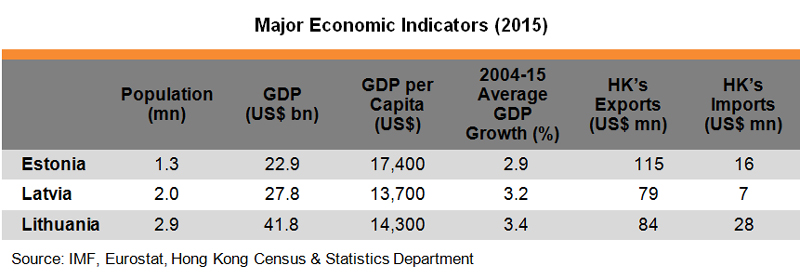
Given its larger population and industrial base relative to the other Baltic nations, Lithuania has been a magnet for foreign investment. While the Nordic countries (Denmark, Finland, Norway and Sweden), the US, the UK and Germany remain the top investors in Lithuania, China’s investment in the country witnessed a massive increase of 218% over the decade ending 2014. Now accounting for more than 75% of China’s outbound direct investment (ODI) in the Baltics, Lithuania has seen ever-rising interest from Chinese investors, especially in the manufacturing, technology and IT sectors, with first-movers including Huawei and ZTE. The growing presence of Chinese enterprises in Lithuania prompted the establishment of the Lithuania-China Business Council in January 2014 to further promote bilateral investments between the two countries.
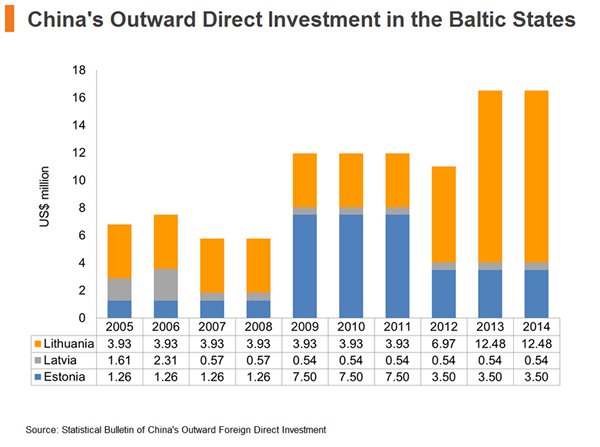
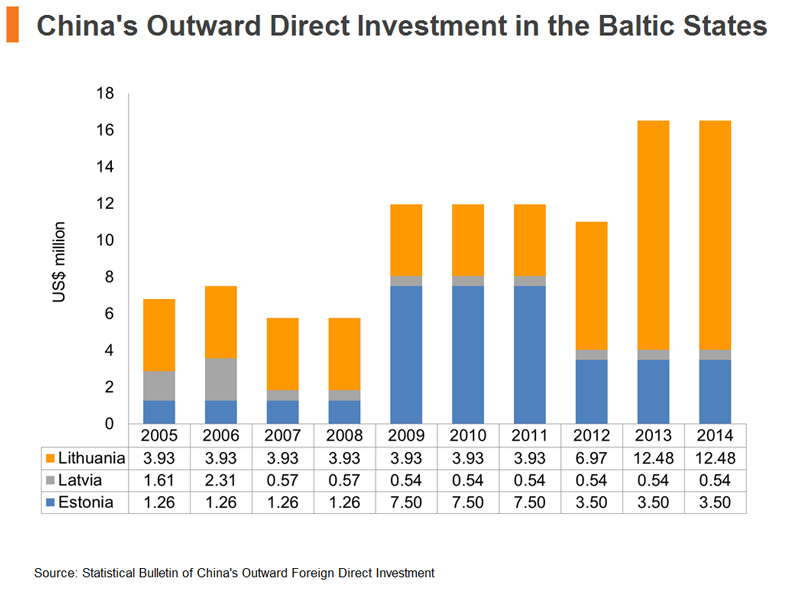
The Council’s membership encompasses such diverse players as the North China Power Engineering Co., Ltd. (NCPE[1]), which is part of the China Power Engineering Consulting Group, Hanil Exhibition & Planning Co., Ltd, the ALITA Group (alcoholic beverages), LITEXPO (exhibitions and conferences), the management company of Klaipeda Free Economic Zone and the Lithuanian Association of Sea Stevedore Companies.
Sino-Lithuanian investment will likely extend further with the gradual implementation of the BRI. There have already been some clear signals showing China’s intention to partner with Lithuania for long-term investment projects related to the BRI, including the “One Belt, One Road Cooperation Centre”, an industrial park in Minsk (the capital of neighbouring Belarus), a container terminal at the Port of Klaipeda (the largest in the Baltic region) and a rail corridor linking Klaipeda (Lithuania’s third-largest city) and Minsk.
The largest container port in the Baltic region
Despite a 3% year-on-year decrease in general cargo turnover, the Lithuanian Port of Klaipeda registered record overall cargo turnover (including general, liquid, dry and bulk cargo) in 2015, as it reached 38.51 million tonnes, up 5.8% on 2014 and 5.2% higher than the previous record of 36.59 million tonnes achieved in 2011. As the region’s biggest container port, the Port of Klaipeda handled 392,000 TEUs (twenty-foot equivalent units) in 2015, compared to 355,000 in the Port of Riga and 208, 000 in the Port of Tallinn.
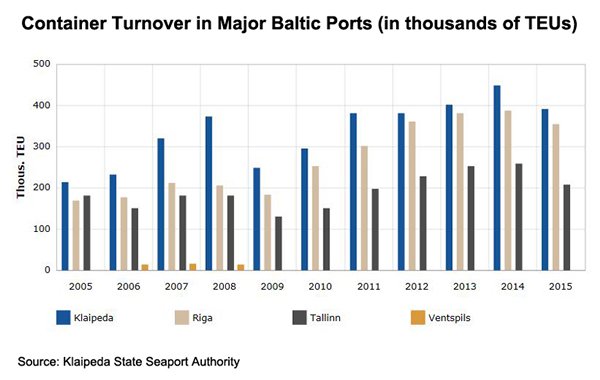
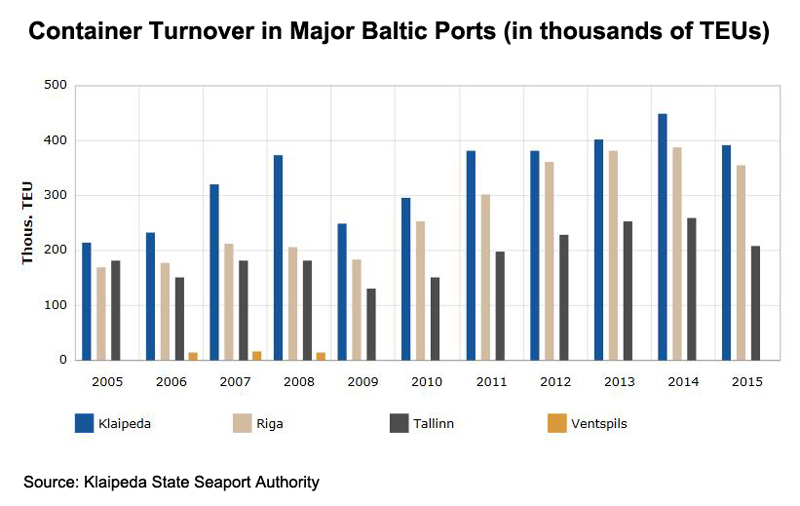
Many Asian manufacturers, especially Chinese enterprises, are looking to take advantage of lower production costs in inexpensive overseas labour markets. As they have tried to get closer to the EU market, CIS countries such as Kazakhstan, Belarus and Ukraine have become favourable options for both Asian and EU companies who had previously produced their goods in coastal China.
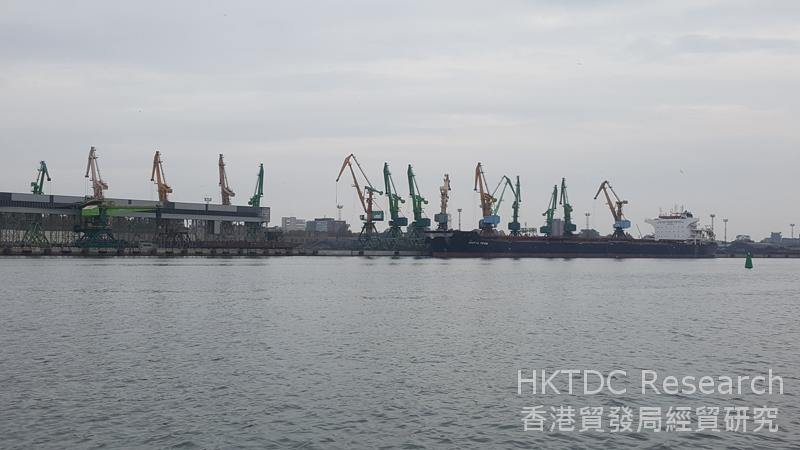
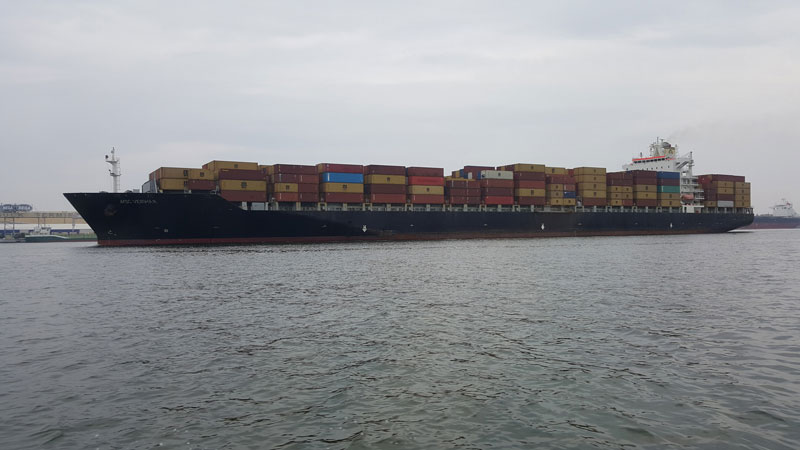
With the strengthening of intra-regional road and rail connectivity, attractive alternative cargo routes to and from China are now possible and are becoming a catalyst for drawing freight traffic to Lithuania for distribution in Europe, especially Scandinavia. With ocean freight, it takes on average 35-45 days for goods shipped from Coastal China to arrive at the Port of Klaipeda by sea, while the enhanced Eurasian rail routes such as the Yuxinou railway (a freight rail route linking southwest China with Germany) can shorten this to 15-18 days. It is true that rail transport can easily cost 80-100% more than sea shipping; however, the alternative land routes remain attractive for cargo that is not so urgent that it must be shipped by air, but time sensitive enough that shipping by sea would be too long.
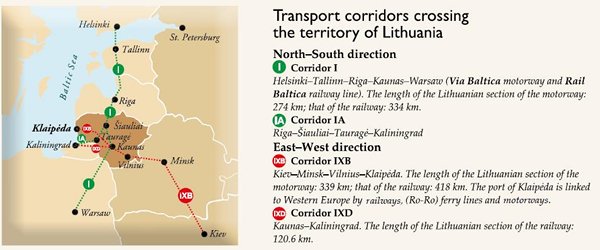
Source: Klaipeda State Seaport Authority
In conjunction with the development of the New Silk Road Economic Belt (SREB), this gives the Port of Klaipeda an unrivalled advantage as it provides the shortest connection with industrial regions in Russia, Belarus and Ukraine. Investment incentives such as tax breaks on corporate incomes, dividends and real estate offered in the Klaipeda Free Economic Zone (FEZ), one of seven special economic zones in Lithuania, are also attractive.
According to the Klaipeda FEZ Management Company, companies from Thailand are now producing plastic products and Japanese businesses are producing electronics for trucks operating in the FEZ. It also makes good business sense for Chinese investors to set up their logistics, production, warehousing and services units (excluding banking and finance) to better serve the Baltics, Scandinavia and the rest of Europe, given both the strategic location and generous investment incentives available.
Last year, the China Merchants Group (CMG) – one of China’s largest state-owned enterprises and a leading port operator – signed several agreements with the Klaipeda port authority, the Klaipeda FEZ and the Lithuanian Railways. Its investments will see it become a partner for the port’s future development, establish a logistics park for Chinese manufacturers in Klaipeda and also a logistics joint venture to handle freight transportation between Lithuania, Belarus and China.
These investment initiatives, together with the CMG’s ongoing plan to enhance cooperation between the FEZ in Kaunas, Lithuania’s second largest city, and the Industrial Park Great Stone near Minsk, are clear signs of the country’s strategic importance in conjunction with New Silk Road developments. In addition, the heavy reliance of Belarus on the port of Klaipeda will create a new wave of business opportunities for regional supply chain operations.
According to Lithuanian Prime Minister Algirdas Butkevičius, CMG has shown a clear intention to choose Lithuania as a partner for implementation of the BRI. CMG has plans to set up a “One Belt, One Road Cooperation Centre” in Lithuania to better coordinate the increasing and more diversified (away from fertilisers, oil products, grains and minerals) flow of freight passing through Lithuania from other Belt and Road countries, for example landlocked countries in Central Asia.
Other BRI benefits and opportunities
Besides the opportunities stemming from the ongoing improvements in multimodal connectivity and deepening Sino-Lithuanian cooperation under the BRI, Lithuania is also striving to boost its export competitiveness through product and market diversification.
Riding on a solid foundation in industries such as electronics, chemicals, machinery, textiles, apparel and food processing under the Soviet regime, Lithuania excels in many different fields of engineering and technology, including cutting-edge life sciences and biotechnology related to innovative cancer treatments and scientific laser applications.
Some Lithuanian companies, such as those developing laser technology, have already successfully made inroads into the Chinese mainland market. However many remain hesitant to make their debuts for fear of intellectual property difficulties and the massive marketing inputs required by such a vast market.

Source: Chocolate Naive

To this end, Hong Kong can be an ideal marketplace and IP trading hub in Asia for Lithuanian technology companies, while professional services providers such as intellectual property law firms and multi-disciplinary branding and marketing agencies (both local and international) can be ready partners.
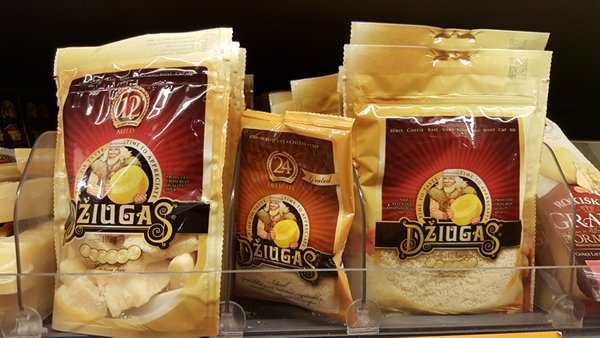
Aside from technology, Lithuania has also been promoting a number of consumer goods that may hold promise for export to Asia. In addition to Baltic amber, which is key to Lithuania’s national heritage, organic cosmetics (BIOK laboratorija) and food and beverage items such as natural mineral water (Vytautas, Birutė, Akvilė), chocolates (Chocolate Naive), beer (Svyturys), cheese (Dziugas), liqueur (Stumbras 999), sparkling wine (Apriori), cider (KISS), natural dried fruits (Ramkalni), cold meats, cereals and condensed milk are among the country’s products believed to be marketable in Asia, particularly the Chinese mainland market.
According to the Chemcentral Group – the agent for Svyturys Beer and BIOK cosmetics in Hong Kong and the Chinese mainland – many Lithuanian consumer goods companies are looking for new markets but generally find it difficult to handle the intricate marketing and distribution dynamics abroad.
When selling to Asia, the problems Lithuanian companies encounter usually relate to limited fulfillment capacity, brand recognition and product standards compliance. In line with the country’s positioning as a niche supplier of high-quality products (instead of a mass-market supplier), Lithuanian products, especially food and beverages, may not be price competitive in Asia where many well-established brands from developed markets such as Western Europe, Australia and the US have long been known and consumed.

Source: BIOK laboratorija

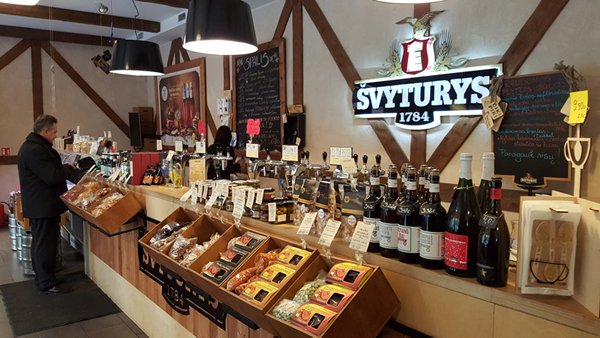
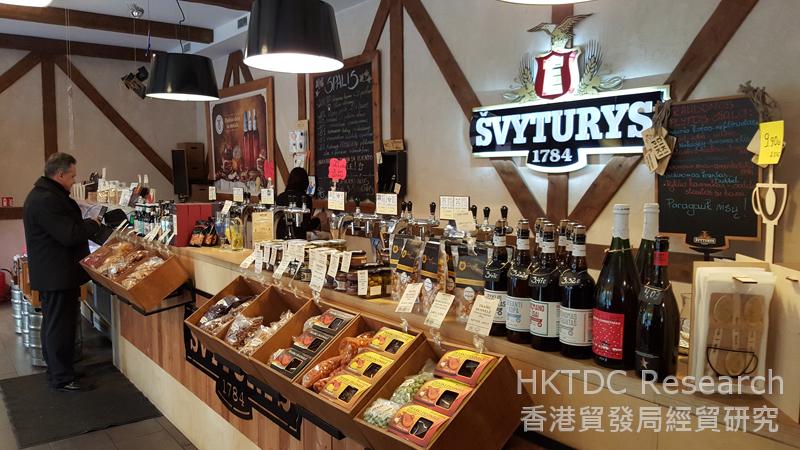
To overcome this difficulty, Lithuanian companies are taking advantage of fairs and exhibitions in Hong Kong to better promote their products and brands in Asia, where people are seeing ongoing improvement in their living standards. Also, by appointing agents and/or distributors in the city, Lithuanian companies are in a better position to calibrate their regional distribution strategies and handle product-specific issues such as labelling, product testing and even trademark registration.
[1] It is a large state-owned enterprise specialising in engineering survey and design, engineering consultation and general contracting.
| Content provided by |

|
Editor's picks
Trending articles
Special Report: China’s Bond Markets – The Start of a Golden Age
By Standard Chartered Bank
Summary
China’s onshore bond market is now the world’s third largest, and its credit market has become the second largest. We expect the market to more than double to CNY 100-105tn by end-2020 (from CNY 48tn at end-2015), rising to c.100% from 62% of nominal GDP.
We see strong supply during the 2016-20 period, boosted by local government debt swaps, a likely wider budget deficit, the transition of China’s credit extension model from loans to bonds, and the significant relaxation of regulations on credit bond issuance in 2015.
We expect strong demand. Asset managers could become much larger holders, driven by the centralisation of pension investments and fast growth in the mutual fund and insurance industries amid China’s growing wealth and ageing population. Banks’ holdings are likely to decline. We expect foreign ownership to rise sharply following the interbank bond market liberalisation, to 4-7% by 2020.
We provide a detailed analysis of the supply outlook for each bond type, and the outlook for demand from banks, pension funds, mutual funds, insurers and foreign investors. We summarise key regulatory changes and discuss on- and offshore FX and rates hedging options.
Please click here for the full report.
Editor's picks
Trending articles
China Has No Desire for World Leadership
By Tung Chee Hwa (Chairman, China-United States Exchange Foundation)
The following are excerpts of the remarks by C.H. Tung, former Chief Executive of Hong Kong SAR and Chairman of China-United States Exchange Foundation at a luncheon in New York hosted by the AmericaChina Public Affairs Institute on Jan 25.
What is China pursuing internationally? What is China's long-term strategic intent? For China to realize its vision, it needs, not just for now but in the long term, to pursue peace with its neighbors and with countries around the world.
Having lost a third of its land mass due to foreign aggression towards the end of the Qing Dynasty, the China of today will strongly protect its territorial integrity. Nevertheless, China is pursuing this objective through peaceful means.
There are people in the United States who believe that, as China grows in strength, it will take over America's global leadership position. But, look at several facts. First, the United States has the most enviable position geographically, with only two countries, Canada and Mexico, as its neighbors, and separated from the rest of the world by the Pacific Ocean, the Atlantic Ocean, and the Caribbean Sea. The United States also holds an unassailable position in science, technology and innovation, with some of the best universities in the world. It is also a country to which the best and brightest want to migrate, blessed with natural resources that others can only envy.
By contrast, China has 14 neighbors, more than any other country on Earth, some of which it has had a troubled history. China has more than 20% of the population of the world, but only 7% of the world's arable land, and it is poor in other natural resources. With a population of over 1.3 billion people, the burden of achieving a reasonable degree of wealth for all the people of the country is really a huge challenge. Therefore, although blessed with other advantages, the Chinese leadership knows the country has to constantly keep running forward in order not to slip-up. Indeed, China's modern-day success has not come easily.
It is true, because of its huge population, that China's total economy, in terms of GDP, will one day surpass that of the United States, but its GDP per capita will still be a fraction of that of the United States. In 10 years, assuming current growth rates, the two countries' GDPs may come close to each other. But because of the difference in the size of their populations, the US GDP per capita will still be four times greater than China's per capita GDP.
Yet, in spite of China's enormous disadvantages, there will always be people thinking that China will one day want to lead the world. This perspective is erroneous.
The truth is that China has no ambition to lead the world. China's domestic needs are so enormous, and her challenges are so difficult, that this is where China's focus must be.
Even when China joins the developed world in 2049, as it is hoped, it will have no aspirations or incentives to colonize or conquer foreign lands. Indeed, the Chinese people remember the pain and suffering of being occupied. Nor does it uphold any religious or ideological motives to influence other people or to take over foreign lands. In the height of the Ming Dynasty, when China had 30% of the GDP of the world, China remained peaceful and did not make incursions into foreign lands.
There is also the view that China will want to rewrite global rules. However, the fact is that modern-day China is a beneficiary of today's global governance. What China would like, like so many other developing nations, is to have a larger voice, to ensure the needs of the developing world can be met. The Asian Infrastructure Investment Bank (AIIB) is a case in point. Asia's infrastructure development needs cannot be met by the World Bank or the Asian Development Bank.
The fact is also that, globally, we live in a very complex world that is facing many challenges. These challenges need to be handled by all the countries working together. China certainly, as it moves up the economic ladder, will want to be a force for good for the world. From this point of view, it is important for China to maintain a stable and constructive relationship with the United States. If the U.S. and China can work together on global issues, many challenges can be overcome.
Let us take a look at some of these global challenges, and what the United States and China can and are doing together to address these challenges.
The first that comes to mind is the climate change conference in Paris last December. This was a huge success only because of the efforts of the two working together. Second is co-operation on global hot-spots, such as the Iranian nuclear deal, and China's active participation in Afghanistan's nation-building effort. Third is the need to intensify collaboration by the two countries to bring about peace and de-nuclearization on the Korean Peninsula. Fourth is to fight global terrorism in a determined manner.
As we enter 2016, the global economy is at best sputtering along, and many talk about an imminent global recession. America has the largest economy in the world, and China has the second largest. If the two countries work together in a coordinated fashion with other leading economies, we can add vigor into the global economy.
China's “One Belt, One Road” initiative is designed to boost the economies of the nations in Southeast Asia, South Asia, Central Asia, the Middle East and parts of Eastern Europe. China believes that infrastructure building in these areas will lay the foundation for economic growth, and can become a new driver of the world economy. Collaboration in infrastructure building in Africa will not only help the economy, but also improve livelihoods and reduce the flow of refugees. US-China collaboration in these areas will be very important.
If the U.S. and China fail to co-operate, the chances of overcoming the challenges will be much more difficult. If the two countries confront each other, collaboration becomes impossible. This is why eight presidents of the United States, from Nixon up to Obama, and five leaders of China, from Chairman Mao to President Xi Jinping, have steadfastly promoted better relations between the two countries. They obviously have known that this is important to the world.
China and the U.S. are working together, and they need to do more. The fact is, there is still too much mistrust. There is also too much misunderstanding. After all, the two countries have different histories and different cultures; they are at different stages of development, therefore their needs are different. As a result, differences do occur between the two countries. Fortunately, these differences have so far been managed.
But this is not adequate. The two countries need to intensify their efforts to build trust and promote understanding. The best way to achieve that is to expand exchanges at all levels of society. The two presidents now meet three or four times every year. The strategic and economic dialogue teams from both countries meet twice every year. On an official level, there is a great deal of interaction.
But the communication between the Senate and House of the U.S. side and the National People's Congress on the Chinese side can be much better. People-to-people exchanges need to be further expanded. It is heartening to note that there are 300,000 students from China studying in the United States. Meanwhile, the US is making a major effort to increase the number of US students studying in China. 2016 is US-China Tourism Year, which is an effort by the leaders of both countries to expand tourism between the two countries. Greater efforts between the two countries in other forms of exchanges need to be made, such as between think tanks, universities and the press, as well as through cultural interchange, trade, commerce and investment activities. These will all help, and lead to greater understanding and trust.
Just remember the relationship of the two countries today began with a ping-pong game in 1970. If China and the U.S. can do all the above, over time there is no limit to how close the two countries can get to, and how much benefit the people of the two countries can receive. Indeed, there will be no limit to the common good the two can do together around the world.
Please click to read the full article on the website of China-United States Focus.
Editor's picks
Trending articles
Daunting Challenges Ahead for 2016
By He Yafei (former Vice Minister, State Council Office of Overseas Chinese Affairs)
As we look ahead into the year ahead, the world seems full of uncertainties and challenges.
Firstly, “it's the economy, stupid” as usual. The year 2016 will witness continued global slow growth and accumulation of financial risks. The world economy is still on the bottom of an L-shaped groove. According to Consensus Forecasts, global growth is expected to be 2.8%, slightly up from 2.6% in 2015. Aside from the US and UK, advanced nations face a bleak picture with GDP growth all below 2% in 2016.
There are a few key things to watch closely in global economic landscape this year:
1. With the Fed's rate increases and a strong dollar, some debt-ridden developing nations are experiencing capital flight, credit crunches and fiscal tightening that can break their economies. A debt crisis also seems imminent in Euro-zone and some resource-exporting countries. Systemic financial risks and contagion still exist. Since 2009, major central banks have created cheap dollar liquidity in the amount of $12 trillion, and as a result global debt has risen an additional $57 trillion since 2007. The Bank of International Settlement calls this level of debt “frightening”.
2. Prices of bulk commodities will keep falling, especially that of petroleum, as global demands remain depressed with weak growth. This will adversely impact resource-exporting countries like Brazil, Russia, South Africa, Indonesia, Australia and Canada. Brazil and Russia were already in negative growth of -3.5% and -3.8% in 2015, and the trend is expected to continue.
3. Global investment and trade will shrink again as economic uncertainty mounts, which will further dampen an already depressed world market. World trade is growing at an average of 3% in the last few years as compared with 7% before the 2008 financial crisis. The uncertainty that lies in wait includes any potential Fed rate increase, the Euro-zone's weak demand and high unemployment, and possible systemic financial risks spreading from debt-ridden countries to the whole world.
Secondly, geopolitical turmoil persists in regions like the Middle East involving ever-deepening rivalry among big powers, which will not only worsen regional conflicts but also deal heavy blows to global economic growth. With the US presidential election in sight, election-year fever will make any regional conflict much more complex and difficult to resolve.
Let us take a panoramic view of trouble spots worldwide:
1. The Ukraine crisis continues to fester with no sign of an end to the military conflict, producing a strategic stalemate between Russia and the US that affects the future security of Europe as well as Russia's relationships with the European Union and the US. The four-prong conflict among Ukraine, Russia, the US and EU will be with us for some time to come.
2. There is no “light at the end of the tunnel” for the complex and dangerous situation in the Middle East. With the recent severance of diplomatic ties between Saudi Arabia and Iran, with Bahrain and Sudan following the Saudi lead, the conflict and “proxy wars” between Sunni and Shiite Muslims in the region and beyond will get even worse. The recent years' US strategic retrenchment cycle involves a retreat from the Middle East and a refocus on Asia with more determined efforts to implement “rebalance in Asia”.
But the Iranian Nuclear Agreement touted by the US Administration as a major foreign policy score seems to be a catalyst for worsening relations between Sunnis and Shiite as represented respectively by Saudi Arabia and Iran. US allies in the region including Israel and Saudi Arabia are less sure of America's commitment to them. It seems that direct military confrontation can't be ruled out in this situation.
Another aspect of the regional conflict is the spread of IS and its terror campaign all over the world. Though IS suffered a few losses of land in Iraq recently, it is certainly not in retreat and there is no telling how it can be defeated even if many experts are predicting its demise this year.
3. The South China Sea and the Western Pacific will witness rising tension and possible military skirmishes in the year ahead as the US moves more aggressively to enforce its sacrosanct rule of the freedom of navigation worldwide, as defined by itself. Recent “mistaken entry” into airspace over the island under Chinese sovereignty is a typical example of American adventurism. With American support, Japanese warships and fighter planes patrolling in the South China Sea is in the pipeline, and the Philippines seems determined to place its bet on the upcoming ruling of the Maritime International Court, no matter what the outcome is for its presidential election.
Geopolitical turmoil and upheavals are getting more acute and complex day by day and they are bound to affect global economic environment negatively.
Thirdly, global governance and rule-making enters a substantive period this year, with greater involvement by big powers, which will continue to shape the world political and economic order in the 21st century.
The year 2015 saw much evolution in global governance, with developing countries as a whole and China in particular gaining ground by proactive actions in improving its architectural reform.
Just take a few examples.
China moves up in the scale of assessments for the United Nations regular contributions at close to 8% and those for peace-keeping operations at over 10%, taking the 3rd and 2nd positions respectively.
The Asia Infrastructure Investment Bank (AIIB) was fully operational by the end of 2015. This new addition to the global financial system represents both China's contribution to global governance and her determination to provide an alternative to the developing nations that need financing for infrastructure-building. The over-subscription to AIIB by so many economies, both advanced and developing, indicates that the existing global financial governance structure is definitely over-burdened and needs supplements and reinforcement. It also tells us that global governance is in critical need of new ideas like “the Belt and Road Initiative” as proposed by China.
China's RMB was officially listed as part of the SDR basket of currencies by the IMF late 2015, effective October 1, 2016. This demonstrates once again that the global monetary system is undergoing reforms to make it more robust and effective. The long-overdue implementation of decisions by the IMF and the World Bank to increase the shares of voting power for developing nations was finally settled late last year, giving the world much hope that global governance reform is indeed the common aspiration of all nations.
All above advances reveal movement from “governance by the West” to “co-governance by both East and West”, figuratively speaking. This mega-trend in global governance will no doubt continue in 2016 as China will chair the G20 Summit in September in Hangzhou. China is expected to propose new ideas on how the world economy should be restructured to bring about new momentum for growth.
Fourthly, big power co-operation and friction will both increase in the year, an interesting development of interaction reflecting the reshaping of big-power relations. There are at least three areas where big powers should co-operate closely in order to make the world a better place for all.
Needless to say, the G20 must do a better job of macro-economic coordination. The global economy has lost steam with the outdated mode of growth and has been desperately seeking new paths for economic development. In this transition, almost all countries are engaged in structural adjustments. Without close co-operation and policy coordination, the global economy will teeter and fall down again. The G20, with over 80% of world GDP under its belt, has replaced the G7 as the primary platform for global economic coordination and its members are duty-bound as major stakeholders in the global economy to make it work again. The need to avoid negative spillovers of national economic policies is obvious. The timing of the Fed's rate increases is a case in point.
The next critical thing is the close co-operation and consultation by big powers to reduce tensions in various hot spots and to fight terrorism, most notably in the Middle East. The role of the UN needs to be enhanced and greater support be given to its efforts both in making peace and keeping peace.
China has taken the lead in proposing building “new type of big-power relations” based on co-operation and consultation. In this connection, both the US and China, being permanent members of the Security Council and core members of the G20, should play a leadership role in shaping their relationship along these lines.
It is easy to list problems and difficult issues that need to be solved. It is quite another to put all of our wits and determination together in offering feasible solutions to these problems. This is exactly what should be done at the beginning of the new year!
Please click to read the full article on the website of China-United States Focus.
Editor's picks
Trending articles
Economic Alert: India – Budget Target Is A Positive; Quality Could Suffer
By Standard Chartered Bank
Summary
The positives in India’s FY17 budget were strong: Much to the surprise of the markets, including us, the finance minister announced a tough fiscal deficit target for FY17 (year ending March 2017) of 3.5% of GDP (FY16: 3.9% of GDP). This is in line with the original fiscal consolidation plan and comes despite a challenging economic environment. We believe adherence to the original target for FY17 will enhance both policy credibility and macroeconomic stability for India, a big advantage in today’s volatile global environment. With the government adhering to its promise, we expect the Reserve Bank of India (RBI) to reduce the repo rate at its 5 April policy meeting, if not sooner. An inter-meeting cut cannot be ruled out. The ongoing focus on select infrastructure projects, such as roads and railways investment, is another positive.
Aspirations to improve the quality of fiscal consolidation are unlikely to be realised: We expect the government to adhere to the 3.5% of GDP fiscal deficit target irrespective of any adverse developments, much in line with the trend since FY14. However, we think the government will have to reduce its capital expenditure (excluding for roads) in FY17 to meet this target. This is because we think the government has (1) overestimated one-off receipts by 0.35-0.40% of GDP; (2) underestimated recurrent expenditure related to the implementation of the seventh pay commission and food subsidies by 0.10-0.15% of GDP; and (3) provided a lower-than-expected allocation for bank recapitalisation which could increase over FY17.
Please click to read the full report.
Editor's picks
Trending articles
OTG: Pakistan – Steady As She Goes
By Standard Chartered Bank
Summary
February marks Pakistan’s entry into the last six months of its three-year IMF Extended Fund Facility (EFF). Staff-level agreement on the 10th review was reached last month, with the programme likely to be concluded by August 2016. The Fund’s mission chief, Harald Finger, has described the prospects of a successful programme as “quite good”. We believe policy makers will continue to focus on meeting programme targets – particularly fiscal consolidation and building FX reserves – as they enter the last few reviews.
Despite tighter fiscal policy, we believe domestic demand requires little stimulus after 350bps of cuts since November 2014 (On the Ground, 9 November 2015, ‘Pakistan – Spotlight on domestic demand’). Credit flows to the private sector in 7M-FY16 were twice the level in FY15, and consumer confidence was at an all-time high. However, we maintain our FY16 GDP growth forecast of 4.4% on supply-side constraints (e.g., energy shortages and a lower cotton crop) and trade weakness, partly on real effective exchange rate (REER) strength.
Rising import demand and declining exports widened the non-oil goods trade deficit (FOB) by c.90% y/y in 7M-FY16. Despite low oil prices, the goods trade deficit was nearly flat (-1.3% y/y). Remittance growth slowed to 6% from 17%; we expect similar growth for the full financial year ending June on weaker GCC growth. We raise our current account (C/A) deficit forecast to 1.3% of GDP from 0.6%. Against this backdrop and stable inflation, we expect the central bank to keep the policy rate steady at 6% in FY16.
Please click here for the full report.