









Chinese Mainland
A Central Government-Led Initiative
The Hainan Free Trade Zone (FTZ) is expected to play a major role in the Chinese government’s development strategy, as the Overall Plan of the China (Hainan) Pilot FTZ announced on 16 October 2018 makes clear. In order to facilitate this, the central government has set up a top-level body to shape and coordinate the policies of the various departments involved. The National Development and Reform Commission (NDRC) has put together the Hainan Leading Group for Deepening Overall Reform and Opening Up, under the leadership of State Council vice premier Han Zheng.
In recent years, the NDRC has been involved in setting up a number of high-level groups responsible for coordinating regional strategic development. Others include the Leading Group for the Development of the Guangdong-Hong Kong-Macao Bay Area, the Leading Group for the Coordinated Development of the Beijing-Tianjin-Hebei Region, the Leading Group for Advancing the Belt and Road Initiative, and the Leading Group for the Development of the Yangtze River Economic Belt, all under the leadership of Han Zheng.
This would suggest that the strategic importance of the Hainan FTZ is on a par with that of the Guangdong-Hong Kong-Macao Bay Area, Beijing-Tianjin-Hebei Region, Yangtze River Economic Belt, and the Belt and Road Initiative. However, it is also significant that the Hainan Leading Group for Deepening Overall Reform and Opening Up is the only one of these leading groups that covers only one province or region. This shows how important the establishment of the Hainan FTZ is to regional and national economic development.
Central Government Policy Moves
Since the central government promulgated the Guiding Opinions of the CPC Central Committee and the State Council on Supporting Hainan’s Comprehensive Deepening of Reform and Opening Up (also known as Central Document No. 12) on 11 April 2018, the central government departments involved have introduced a series of policies setting out the direction for the Hainan provincial government. As of January 2019, these include:
| Important Documents Issued by Central Government Departments and Their Salient Points | ||
| Department | Title and issue date of document | Salient points |
| National Immigration Administration | National Immigration Administration Announcement 18 April 2018 | • Starting from 1 May 2018, a visa-free policy will apply to visitors from 59 countries/regions. Tourists arranging trips via travel agencies in Hainan can enter the province visa-free and can stay there for up to 30 days |
| Ministry of Transport | Plan of the Ministry of Transport for Implementing the Guiding Opinions of the CPC Central Committee and the State Council on Supporting Hainan’s Comprehensive Deepening of Reform and Opening Up 25 July 2018 | • Accelerate the construction of a batch of major transport infrastructure projects, and look into the possibility of building the Qiongzhou Strait passage • Fully replicate the free trade zone maritime freight policy and let Hainan take the lead in fully opening up to the outside world in terms of international maritime transport • Introduce a preferential policy for maritime transport taxation • Implement an innovative cruise and yacht management policy, and promote the establishment of an international tourism and consumption centre |
| Supreme People’s Court | Opinions of the Supreme People’s Court on Providing Judicial Services and Safeguards for Supporting Hainan’s Comprehensive Deepening of Reform and Opening Up 1 August 2018 | • Encourage Hainan to strengthen its judicial powers • Support the creation of a diversified international commercial dispute settlement body |
| Ministry of Finance | Implementation Plan for Financial and Tax Policies Supporting Hainan’s Comprehensive Deepening of Reform and Opening Up 11 October 2018 | • To support Hainan’s spending on infrastructure construction and economic restructuring, government funding allocated to the province will be increased for five consecutive years starting from 2018 in order to reduce the provincial government’s reliance on real estate • Where risks are controllable, greater support will be given to local governments taking on new debt, while at the same time encouraging them to develop innovative financial measures, such as encouraging Hainan to set up a free trade port construction investment fund |
| State Administration for Market Regulation, National Drug Administration, National Intellectual Property Administration | Several Opinions of the State Administration for Market Regulation, National Drug Administration, and National Intellectual Property Administration on Supporting the Establishment of the China (Hainan) Free Trade Zone 15 November 2018 | The Hainan FTZ will: • Revamp the business registration system and streamline the enterprise registration procedures • Build a quality assurance mechanism, such as a green standard system • Pursue risk regulation system innovation, e.g. imposing credit constraint on businesses which have seriously broken the law. Meanwhile, the inspection process will be improved to reduce disruption to normal business activities • Advance the establishment of a fair market environment • Improve intellectual property protection |
| Ministry of Human Resources and Social Security | Implementation Opinions on Supporting Hainan’s Comprehensive Deepening of Reform and Opening Up in Human Resources and Social Security Sector 27 November 2018 | The Hainan FTZ will: • Proactively implement the employment and entrepreneurship policy and “talents first” strategy • Steadily raise the level of social security |
| Ministry of Finance, General Administration of Customs, State Administration of Taxation | Announcement on Further Adjusting the Duty-free Shopping Policy for Outward-bound Travellers from Hainan 27 November 2018 | • The cumulative per person per year duty-free shopping limit on outward-bound travellers from the island (including local residents) has been raised to RMB30,000 from 1 December 2018 |
| Ministry of Agriculture and Rural Affairs | Plan of the Ministry of Agriculture and Rural Affairs for implementing the Guiding Opinions of the CPC Central Committee and the State Council on Supporting Hainan’s Comprehensive Deepening of Reform and Opening Up 7 December 2018 | • Help implement the plan to build the National Nanfan Scientific and Research Breeding Base (Hainan) • Support the development of the National Tropical Agriculture Science Centre and National Modern Agriculture Base • Support the establishment of the South China Sea Fishery Resources Development and Conservation Area • Promote the opening up of Hainan’s agriculture to the outside world |
| National Development and Reform Commission | Circular of the National Development and Reform Commission on Issuing the Implementation Plan for Building Hainan into an International Tourism and Consumption Centre 12 December 2018 | • Support the development of an international tourism island • Explore the development of a consumption-led economy by encouraging tourist consumption |
Provincial Government Presses on with Reform
As China’s central government looks to streamline government functions and administration and delegate powers, the provincial government in Hainan is beginning to enjoy greater autonomy over the development of the FTZ. It has already introduced policies designed to improve the business environment in the province and open it up further to the outside world by 2020.
Among these policies is the provincial government’s Action Plan for Attracting 1 Million Talents to Hainan (2018-2025), unveiled in May 2018. It’s aimed at bringing in foreign talent of all kinds and strengthening training in the province. In June, measures to provide guaranteed housing for foreign talent and offering employment to their spouses were also introduced.
Another – announced in December 2018 -- is the Action Plan of Hainan Province for Optimising the Business Environment (2018-2019), which expands the measures listed in the Overall Plan for the opening up of key industries, cuts the time required to register a new business to a maximum of three working days, and enlarges the programme for separating business licences from operation permits to 130 sectors.
In January 2019, the Hainan Free Trade Account was launched, a convertible accounting system which uses RMB as its base currency. Clients can open an independent Free Trade Account with a number of financial institutions in the province, including the Hainan Branch of the Bank of China, and use it to convert their money between RMB and foreign currencies.
The provincial government also published documents promoting the development of the agricultural products processing industry, improving the ecological environment, and making examination and approval services easier to use, during the second half of 2018.
Work has also begun on the construction of infrastructure projects related to the FTZ. The first batch of projects includes the extension of the Hainan International Convention and Exhibition Center, designed to allow it to host large-scale international exhibitions, and the Sanya Science and Technology Complex, which is projected to become an internationally recognised first-class deep-sea science and technology innovation platform.
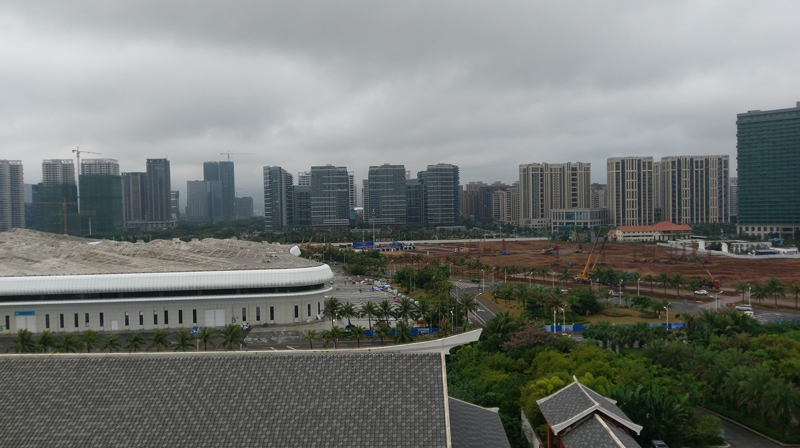
The second batch includes an international school in Jiangdong New Area, Haikou, and an internet headquarters project, both of which are aimed at attracting foreign talent to work in Hainan and providing facilities for the internet economy. Meanwhile, work to upgrade duty-free shops in Haikou and Sanya Airport should be finished soon, which will allow Hainan to receive and attract more tourists.
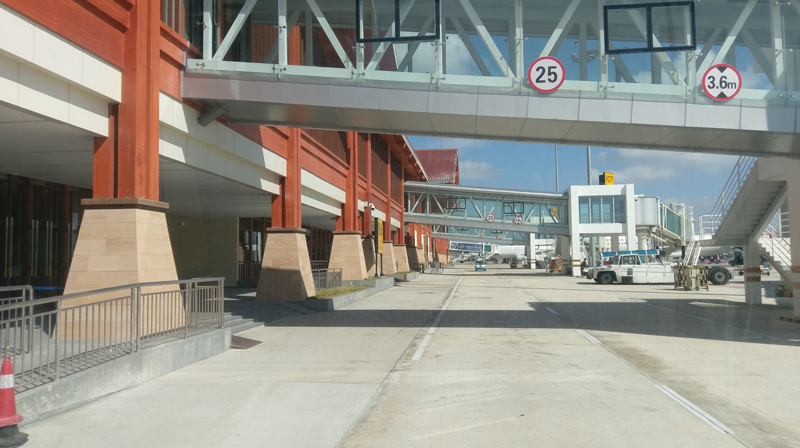
In January 2019, the Ministry of Finance announced that Hainan will be allowed to issue additional bonds worth RMB16.6 billion in 2019. This will help the province guarantee financing for key projects such as poverty relief, pollution containment and transportation. The development of Hainan’s infrastructure is set to become a major focus of the province’s economic activity this year.
Opportunities for Hong Kong Companies
The Hainan FTZ will increase market access for foreign-funded services. The table below lists the measures on the liberalisation of market access for the services industry contained in the Overall Plan, compared to those offered by the Mainland-Hong Kong Closer Economic Partnership Arrangement (CEPA):
| Comparison of Market Access Liberalisation Measures under the Overall Plan and CEPA Agreement on Trade in Services | ||
| Overall Plan | Sector | CEPA |
| Restriction on foreign equity ratio in the provision of multi-party communications services, internet access services for online users, and store-and-forward services in the mainland will be lifted | Telecommunications | Hong Kong service suppliers are allowed to set up equity joint-venture or wholly-owned enterprises in the mainland to provide multi-party communications services, internet access services for online users, and store-and-forward services, with no restriction on the equity ratio of the Hong Kong party |
| Foreign investors will be allowed to invest in IP-based virtual private network services in the mainland, with equity ratio not exceeding 50% | Hong Kong service suppliers are allowed to set up equity joint-venture enterprises in the mainland to invest in IP-based virtual private network services in the mainland, with the equity ratio of the Hong Kong party not exceeding 50% | |
| Foreign investors will be allowed to set up foreign-invested performing arts groups (with the Chinese party as the controlling shareholder) | Cultural | Hong Kong service suppliers are allowed to set up equity joint-venture performing arts groups in the mainland, with the mainland party as the controlling shareholder |
| Foreign professionals, who have obtained a class 1 registered architect or class 1 registered structural engineer qualification, will be allowed to act as partners to set up construction and engineering design offices in accordance with the relevant qualification requirements | Construction | Hong Kong professionals, who have obtained mainland's class 1 registered architect or class 1 registered structural engineer qualification, are allowed to act as partners to set up construction and engineering design offices in the mainland in accordance with the relevant qualification requirements |
| Restriction on foreign equity ratio in life insurance companies will be relaxed to 51% | Insurance | Foreign insurance companies can set up equity joint ventures with mainland enterprises, with the equity ratio of the foreign party not exceeding 50% of the joint venture’s total capital investment |
| Restriction on foreign equity ratio in international maritime transport companies will be lifted | Maritime transport | Maritime transport services (passengers and freight) are restricted to equity joint ventures and the capital contribution of the Hong Kong service supplier may not exceed 50% |
| Restriction on foreign equity ratio in international shipping agency companies will be lifted | Freight forwarding | Provision of third-party international shipping agency services is restricted to equity joint ventures and the equity ratio of the Hong Kong service supplier may not exceed 51% |
| Restriction on foreign equity ratio in projects involving the selection of new species of vegetables and seed production will be lifted | Agriculture | In projects involving the selection of new species of crops and seed production, the mainland party shall be the controlling shareholder |
| Source: Overall Plan, Hong Kong Trade and Industry Department | ||
It can be seen from the table above that, in parts of the telecommunications, cultural and construction sectors, the Hainan FTZ will grant foreign investors the same market access as that currently enjoyed by Hong Kong companies; while in parts of the insurance, maritime transport, freight forwarding and agriculture sectors, the liberalisation measures go even further than those set out in CEPA. While these generous market access measures are likely to encourage more foreign investors to Hainan and thus intensify the competition faced by Hong Kong companies in the province, it may also encourage other mainland regions to open up further, which may in turn create more new opportunities for Hong Kong companies.
The Overall Plan specifically promotes an increased role for Hong Kong companies in the development of Hainan, stating that the pilot free trade zone has been authorised to formulate administrative measures for Hong Kong and Macao professionals, allowing practitioners in the financial, architecture, planning and patent agency service sectors who possess qualifications to practise in Hong Kong and Macao to provide professional services for enterprises in the pilot free trade zone upon filing records with the competent department. This clearly shows that the Hainan FTZ will grant special access treatment to Hong Kong and Macao residents. With the Hainan FTZ offering generous market access liberalisation measures to foreign investors, professionals in the construction, planning and patent agency sectors can expect to find development opportunities in Hainan.
At the same time, the Hainan FTZ is also set to liberalise its financial sector further. This will include measures such as expanding cross-border RMB settlements, reforming foreign exchange control, and exploring the feasibility of making currency conversion easier in investment and financing. Given that Hong Kong is the largest offshore RMB business hub in the world, Hong Kong companies should be exploring how they can provide financial services in the Hainan FTZ within its policy framework.
Hainan FTZ Opens up to the World
The Hainan FTZ is set to open up even further to the world through its development of tourism, new tech and hi-tech sectors and modern services, as well as by improving its business environment through adjustments to the relationship between the government and the market. At the Boao Forum for Asia on 10 April 2018, President Xi Jinping said, “China’s open doors will not close but will only open wider and wider.” The Hainan FTZ is the latest move China has taken to promote comprehensive, deep-level reform and “opening up”. As the FTZ launches more new policies and plans in the future with this aim in mind, continued attention should be paid to its development.
Editor's picks
Trending articles
By Md Nazirul Islam Sarker, School of Public Administration, Sichuan University, Chengdu, China
Md Altab Hossin, Department of Information Management and Ecommerce, University of Electronic Science and Technology of China, Chengdu, China
Xiaohua Yin, School of Automation Engineering, University of Electronic Science and Technology of China, Chengdu, China
Md Kamruzzaman Sarkar, Department of Zoology, National University, Gazipur, Bangladesh
One Belt One Road (OBOR) initiative is a historical initiative which connects the people over the world and facilitates various opportunities for global peace. The main purpose of this study is to explore implication of One Belt One Road initiative for global future development. It also analyzes the reasons of origin, strategy, opportunities and challenges of OBOR initiatives on the basis of business, economic, political, social and environmental aspects. This study uses qualitative approach and secondary data particularly journal articles, conference proceedings, various documents of government, books, newspaper articles, magazine articles, and various websites of internet have been extensively used to determine the objectives. This article argues that partner countries and agencies will get economic and political benefits from these initiatives. It facilitates to connect people through road ways, air ways and water ways, coordinating policies of various governments, financial integration through cross border business, productivity and regional energy security. This study also analyzes risks and challenges associated to OBOR initiative implementation. It suggests that strong coordination among partners of OBOR is necessary to get full fruits of OBOR through supportive law, policy, rules and regulations, proper strategy implementation, transparent procurement system, sincere consideration on political, financial, environmental and social factors……
Implication for Future of Global Development
The philosophy of OBOR is not to threat the other nations but bring a sustainable economic growth by combining some key development initiatives. OBOR can influence the Chinese major policy, development strategy, foreign relations and investment in future which will be helpful for regional and global economic development. It also helps to connect its partners in terms of physical, political, cultural, financial, and psychological interactions. It is actually a way for future economic development through developing infrastructure from Asia to Africa and Europe and promoting economic flows among all partner countries. The six economic corridors of OBOR initiative connects the geopolitically important part from Southeast Asia, Central Asia, South Asia and Europe which helps to promote the business, economics, and influence of china over other countries. China already made success to make land links from Southeast China to Southeast Asia which was intended target of Asian Development Bank and others for making land connection. It is happened because of making economic corridor of OBOR initiative. Another corridor connects China from Kunming to Vietnam, Laos, and Myanmar. The economy of central Asia is very smaller than China. Due to OBOR initiative, China will be the top supplier of manufactured goods to Central Asia as well as top consumer of agricultural output and resources of Central Asia. Some geopolitical places would be economically viable after proper implementation of OBOR strategy.
Challenges Related to Implementation of OBOR
1) Absolute size and scale of understanding in case of infrastructure development is one of the major challenges for OBOR initiative. Private funding is necessary alongside with the funding from Chinese government and AIIB for accomplishment of the infrastructure of OBOR initiative.
2) A huge amount infrastructure development requires enough time to accomplish. No infrastructure will be effective for economic return before full accomplishment. Since china is now facing an economic slowdown, challenge of finance from local government and bad debt so in near future funding for infrastructure development may face difficulties and under pressure. So, it is necessary to invite some potential financial partner to improve the situation.
3) The infrastructure of OBOR is not enough for bring proper economic benefits from OBOR initiative. The infrastructure of partner countries should be considered during infrastructure development for effectiveness of OBOR initiative. Some advanced countries have no requirement for infrastructure development but some developing countries require enough infrastructure to connect with other partners.
4) Geography and topography of all partner countries are not same. It is very difficult to make smooth transportation way connecting high topography to low topographical region. Long distance, high and low topography, densely forest areas and high-mountain should be considered during planning and construction of land routes.
5) Geopolitical challenges are the major challenge for implementation of OBOR initiative. Relationship between India-Pakistan is not good and favor to OBOR initiative. Since China-Pakistan corridor passes through Pakistan controlled Kashmir which is extremely opposed by the Indian government. Dispute between Russia and Ukraine, civil wars in Syria, Iraq and Afghanistan are not favorable for OBOR initiative. Some other partner countries are suffering from political instability, and sanctions, corruption, expropriation and inefficiencies which affect the success of OBOR initiatives.
6) Security challenges are the major challenges for partner countries. Some scholars think that it is very difficult to manage the internal and external national security of partner countries. In some cases, it may be influenced by Chinese military or navy.
Conclusion and Recommendation
The study analyzes the suitability of OBOR for future of global development in terms of economic sustainability, political stability and cultural exchange. The study argues that OBOR initiative has a great potential for future of global development. It also analyzes the context of origin, vision, strategy, challenges and opportunities of OBOR initiative considering its applicability for global development. It also argues that China has a great influence on the OBOR initiative as an initiator and encouraging China’s Go-West policy at all but it has a good impact on the economy of its partner as a whole. The article finds out some major challenges of OBOR like absolute size and scale, large infrastructure development, various geography and topography, geographical challenges and security challenges within the region. It suggests that strong coordination among partners of OBOR is necessary to get full fruits of OBOR through supportive law, policy, rules and regulations, proper strategy implementation, transparent procurement system, sincere consideration on political, financial, environmental and social factors. This study contributes to the ongoing debate on the positive and negative effect of OBOR initiative through exploring the context of origin, strategy, challenges, opportunities and implication for global future development.
Editor's picks
Trending articles
Central Government Designates Hainan as Latest FTZ
Last year, Hainan Island of Hainan province was designated as the site of the country’s newest Free Trade Zone (FTZ). A medium-income province with a population of about 9.34 million and a GDP of RMB483.2 billion (RMB51,955 per capita) in 2018 [1], Hainan has a diversified economy, with industries ranging from agriculture to tourism and professional services. Long a major tourist destination, it was designated by the State Council as an International Tourism Island back in 2009.
The Central Government unveiled its blueprint for Hainan’s development in the Guiding Opinions of the CPC Central Committee and the State Council on Supporting Hainan’s Comprehensive Deepening of Reform and Opening Up issued on 11 April 2018 (also known as Central Document No. 12). This was followed by a speech in Hainan by General Secretary Xi Jinping (known as the “4.13 Speech”), in which he announced the decision to develop Hainan Island into a pilot FTZ [2]. The blueprint envisaged Hainan gradually moving towards becoming a free trade port with Chinese characteristics. Specific proposals were set out by the State Council in its Overall Plan of the China (Hainan) Pilot FTZ on 16 October 2018, and Hainan’s development has been in full swing since then.
Crucial Role in Reform and Opening Up
Since 2013, the Central Government’s focus has been on streamlining the relationship between government and the market so that the latter can play a bigger role in the allocation of social resources [3]. Under this initiative, Shanghai became the first pilot FTZ in 2013, followed by three others in 2015 and seven more two years after that. Besides promoting trade in goods through measures such as bonded zones, FTZs are designed to speed up the transformation of government, expand the areas of the economy being exposed to “opening up” reforms and investment, explore institutional innovation, and provide a testing ground for measures aimed at improving the country’s business environment. Each of the 11 pilot FTZs has its own role in the regional economy and helps the country to try out various new systems, such as the negative list for market access.
Unlike these 11 FTZs, which are further divided into several zones, the Hainan FTZ covers all 18 counties and cities of Hainan Island. According to Central Document No. 12, Hainan is designed to help China participate in globalisation and become an open economy at a higher level. Establishing the Hainan FTZ, therefore, is not just about improving the economy of Hainan province, but is also designed to contribute to China’s development as a whole.
At the same time, the establishment of the Hainan FTZ can create synergies with the Belt and Road Initiative (BRI). The South China Sea is China’s key artery for international shipping. If Hainan province can tap the advantages generated by the FTZ and help strengthen China’s maritime economy, it will be of great benefit to the utilisation of resources in the South China Sea and the development of ties with ASEAN and other neighbouring countries. The Overall Plan even designates the Hainan FTZ as China’s “key gateway to the Pacific and Indian Oceans”.
Building a Free Trade Port
The ultimate goal of the Hainan FTZ is to become a free trade port. In Central Document No. 12, there is a road map for the FTZ’s development:
| Roadmap for Development of Hainan FTZ | |
| 2020 | - A moderately well-off society in all respects with poverty eradicated in rural areas - Significant increase in the degree of international openness - First-rate ecological environment |
| 2025 | - Free trade port system basically in place - First-rate business environment |
| 2035 | - Free trade port system and operational mode becoming more mature - A business environment among the best in the world - Public services and environment for innovation and start-up up to global advanced level |
Tax Incentives
In his “4.13 Speech”, Xi Jinping described free trade ports as having the highest level of openness in the world. The Hainan FTZ will explore a more flexible fiscal policy regime to try to build a more open business environment. In order to encourage trade, it may try out tax policies that have proved viable in other FTZs. For example, a selective tariff collection policy may be tried out in special customs supervision areas. Detailed fiscal policies will be announced by the provincial government in due course. Among the key policies recommended for trial implementation in the plans of other FTZs are the following:
| Key Tax Policies for Trial Implementation in Other FTZ Plans | |
| 1. | Levying duties on goods for domestic sale according to the corresponding imported raw materials and components or according to the actual state of customs inspection upon application by enterprises |
| 2. | Exempting import duties on machines, equipment and other goods imported by manufacturing enterprises or producer service enterprises in the FTZ within the existing policy framework |
| 3. | Improving the pilot of port of departure tax rebate policy |
| 4. | Making positive efforts to study and improve tax policies suited to overseas equipment investments and offshore businesses in line with the direction of tax reform and international practice and on the prerequisite of preventing base erosion and profit shifting |
| 5. | Allowing qualified areas within the FTZ to apply for the implementation of shopping tax refunds for departing travellers in accordance with policy regulations |
| Source: Overall plans of 11 FTZs | |
Priority Industries
In Central Document No. 12, it is proposed that the Hainan free trade port should not focus on entrepot trade and the processing industries. Instead, the Overall Plan says that the Hainan FTZ will prioritise the development of three sectors - tourism, modern services and hi-tech industries.
Tourism
Hainan Island plans to develop itself into an international tourist centre. Tourism is an important industry on Hainan Island and cities like Haikou and Sanya are very popular with tourists. At present, Hainan’s tourism industry is supported largely by domestic tourists. Among the 67.45 million tourist arrivals recorded by the province in 2017, 66.33 million (98.3%) were made by domestic tourists [4]. The Overall Plan outlines the following policy direction for attracting more overseas tourists to Hainan:
The government will promote air services between Haikou and Sanya and BRI countries and will encourage domestic and foreign airlines to open new international routes to Hainan Island or increase the frequency of their existing services.
The Hainan FTZ will ease market access and allow foreign companies to invest in cultural and art organisations, with the mainland party holding the controlling share. It will also host more international exhibitions and other festivities to attract overseas visitors to Hainan Island.
International medical tourism and high-end medical services will be developed.
The capacity of high-end tourism services will be enhanced by launching new cruise lines, simplifying the entry procedures for yachts, and offering visa-free entry to visitors arriving on cruise liners.
Modern Services
Having an open, efficient and international business environment is the core feature of every free trade port. The Overall Plan focuses on accelerating the development of an open economy and stimulating the innovative development of the service industry in the following ways:
Full implementation of the system of pre-establishment national treatment with a negative list, and allowing foreign investors to have wider access in a number of key areas including medical services, telecommunications, internet business, finance and the manufacture of new-energy vehicles.
The Hainan FTZ will explore the establishment of a negative list management system for cross-border trade in services to promote the transformation and upgrading of trade.
Support will be given to multinational corporations and trading companies to establish and develop global or regional trade networks and build regional offshore trading centres.
Global planning and professional services institutions will be introduced in a number of professional services sectors, such as construction, arbitration, accounting, intellectual property rights (IPR), and convention and exhibition.
Hainan’s access to the South China Sea will be used to develop shipping insurance, shipping arbitration, shipping transactions and other high-end shipping services and build a modern international shipping services platform.
Financial opening up and innovation will be accelerated to serve the real economy of the FTZ. For example, steps will be taken to expand the cross-border use of RMB, deepen the reform of foreign exchange management, explore the facilitation of investment and financing exchanges, and expand the opening up of the financial sector.
Hi-Tech Industries
Hainan’s tropical climate is conducive to the development of agriculture and related studies. Agriculture is already one of the province’s leading industries. In 2017, it provided 21.6% of the province’s GDP and 40.3% of its employment, far higher than the national averages of 7.9% and 27.0% respectively [5].
Furthermore, as the province with the largest maritime area in the whole country, Hainan is ideally suited for the development of the maritime economy and related scientific studies. The FTZ policy will also facilitate the importation of medical devices and drugs and benefit studies in the medical sphere. The Overall Plan puts forward the following policy priorities:
Agriculture: The Hainan FTZ will open its agricultural market further, build a global transit base for animal and plant germplasm resources, and encourage co-operation with foreign countries in the field of agricultural science and technology as well as the development of training bases for agricultural personnel.
Maritime economy: An international platform for deep-sea scientific and technological innovations will be established through the introduction of international research institutions, universities and other frontier scientific and technological resources in deep sea areas.
Medical research: International medical tourism and high-end medical services will be developed in the Boao Lecheng International Medical Tourism Pilot Zone, which will be given support in stem cell clinical research and the testing of new drugs. Tariffs on medical devices that need to be imported into the pilot zone will be cut.
Meanwhile, the Hainan FTZ will also implement some of the measures adopted in other FTZs, such as reforming the administrative system, optimising administrative functions, establishing IPR protection systems, providing easier access for foreign talents working in China, and strengthening the system of prevention and control of major risks. In other words, the Hainan FTZ will continue the approach of the other 11 FTZs while advancing towards the goal of building a free trade port through the development of key industries.
Policy Continuation
China has established 11 FTZs since 2013, each with its own positioning and advantages. When the first FTZ was established in Shanghai in 2013, the plan focused on the use of the international economy, finance, trade and shipping to serve Shanghai’s urban economy. When the second batch of FTZs were established in Tianjin, Guangdong and Fujian in 2015, the focus was extended to the regional economy (such as the coordinated development of Beijing-Tianjin-Hebei region, the development of the Greater Bay Area and cross-straits co-operation). With the establishment of the third batch of FTZs in 2017, more industries were targeted for development, such as advanced equipment manufacturing, the cultural industries, commodity trading and agriculture. For example, the Northern Zhoushan Island Area of the Zhejiang FTZ focuses on the trading of oil products, while the Yangling Demonstration Zone of the Shaanxi FTZ was given support to develop a BRI modern international co-operation centre for agriculture.
The Hainan FTZ will have tourism, modern services and hi-tech industries as its development priorities. At the same time, it will boost China’s maritime economy and facilitate the country’s economic development through the creation of a free trade port aligned with the international system. According to the Overall Plan, the Hainan FTZ is “a major measure demonstrating China’s determination to expand “opening up” and actively promote economic globalisation”. The importance of the Hainan FTZ in China’s long-term economic and policy development should not be under-estimated.
[1] Source: Hainan Statistical Yearbook 2018
[2] The Hainan FTZ covers Hainan Island alone and does not include the other islands that are part of Hainan province administratively.
[3] Source: Li Keqiang: Several Issues Concerning the Deepening of Economic Structural Reform, www.people.com.cn, May 2014.
[4] Source: Hainan Statistical Yearbook 2018
[5] Source: Hainan Statistical Yearbook 2018
Editor's picks
Trending articles
Inauguration of new Khalifa Port terminal seen as likely precursor to new tranche of Middle East BRI developments.
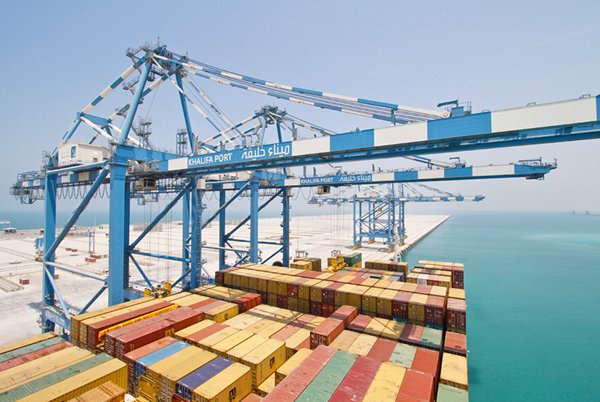
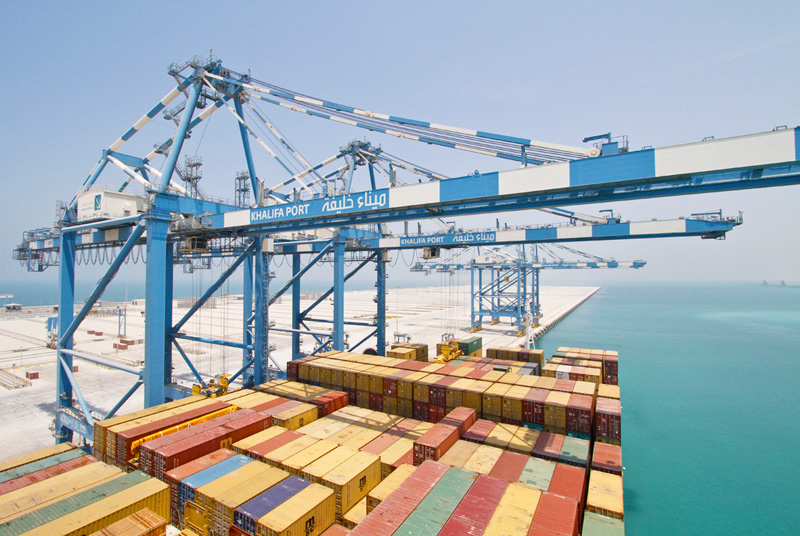
Earlier this month, the official inauguration of the CSP Abu Dhabi Terminal marked the successful completion of yet another major Belt and Road Initiative (BRI) project. Representing a significant expansion to the existing facilities of the Khalifa Port – the principal marine cargo-handling facility serving the United Arab Emirates (UAE) – this new semi-automatic terminal was jointly developed by COSCO Shipping Ports (CSP), the port-operating division of Shanghai-headquartered China COSCO Shipping, and Abu Dhabi Ports.
The new terminal will be operated by CSP in line with a 35-year agreement signed with Abu Dhabi Ports in 2015. The Chinese developer is estimated to have spent about US$300 million on the terminal's construction, as well as having invested a further $130 million in a connected container freight station.
As well as its strategic and logistical significance, the success of the terminal is seen as paving the way for further China-UAE co-operation within the overall BRI framework. Acknowledging this as part of his address at the inauguration ceremony, Ning Jizhe, Deputy Director of China's National Development and Reform Commission, said: "This is not only a milestone in terms of Belt and Road Initiative co-operation, but it is also an auspicious prelude to further China-UAE partnerships across a variety of key areas. I have no doubt we will continue to co-operate on many other strategic fronts, while working together to deliver the broader aims of the BRI."
Sounding a similar note in his speech at the inaugural event, Dr Sultan Al Jaber, the UAE Minister of State and the Chairman of Abu Dhabi Ports, said: "The expansion of the Khalifa Port in partnership with CSP will only further enhance the UAE's role as the key trading link between the East and the West, while promoting our own economic diversification and contributing to the global connectivity promised by the Belt and Road Initiative."
Such optimism, indeed, seems more than justified for both parties, as the two countries should clearly benefit substantially in economic terms from the expansion of the port. The new facility – a deep-water, semi-automated container terminal – has been designed to handle an annual throughput of 2.5 million TEUs, while its 16.5-metre depth should allow it to accommodate the most mammoth of mega-vessels, including those with a freight capacity in excess of 20,000 TEUs.
For its part, the new container freight station, which extends across a total area of 275,000 sq m, offers full and partial-bonded container-shipment facilities. It will also operate a wide range of container-packing services, provide warehousing for de-consolidated cargo and have optimised connectivity with other Khalifa Port terminals.
In addition to its strategic geographic advantages, the enlarged capacity of the port is also said to be somewhat timely. In part, this is down to increasing concern over the US use of trade tariffs to drive foreign policy and the resulting scramble among those nations affected to find alternative trading partners.
The UAE, though, is already one of China's primary trade partners in the Middle East. In 2017, bilateral trade between the two countries increased by 15%, reaching more than $53 billion for non-oil trade and accounting for 14.7% of the UAE's total foreign trade. In terms of trade flowing the other way over the same period, the UAE accounted for nearly 30% of total Chinese exports to the Middle East and about 22% of total Middle East-China trade. In terms of future developments, bilateral trade is expected to rise to $70 billion a year by 2020.
In addition to facilitating a higher level of trade between the countries that developed the facility, the new terminal could also take on much of the regional transshipment business currently funnelled through other parts of the Middle East and Africa. With its upgrade now in place, the Khalifa Port has moved from being the 89th largest container port in the world to becoming one of the top 25. Over the next five years, its ranking is set to rise even higher, with plans already in place to increase the port's total throughput capacity to 9.1 million TEUs per annum.
The new terminal should also help accelerate the level of global investment in the adjoining Khalifa Industrial Zone Abu Dhabi (KIZAD), the region's largest industrial, manufacturing and logistics hub and Free Trade Zone. The Zone, which extends across 410 sq km, is already home to more than 200 tenants and has attracted $17.7 billion in investment.
In a supplementary development, 19 Chinese companies have already signed land-lease agreements within the newly created Khalifa Port Free Trade Zone. Officially launched in August 2017, the site is being developed by the Chinese Jiangsu Provincial Overseas Cooperation and Investment Company (JOCIC).
Geoff de Freitas, Special Correspondent, Abu Dhabi
Editor's picks
Trending articles
Sitting at the crossroads of Europe, Asia, Middle East and Africa, Turkey has long been regarded as a highly important strategic hub for global trade, logistics and manufacturing. That status has been enhanced by its customs union with the EU and extensive array of free trade agreements (FTAs) with nearly 30 countries, which have given it free or preferential access to a pool of some 900 million consumers.
Coupled with the linking together of the country’s Middle Corridor Initiative (MCI) and China’s Belt and Road Initiative (BRI), and a clutch of generous investment incentives, Turkey has become increasingly attractive to Hong Kong companies eager to trade and invest there. This is particularly true for those which are looking for business and relocation opportunities as a hedge against the problems caused by the lingering Sino-US trade spat.
China’s recent import tariff cuts – part of its shift towards a consumption-driven economy – are also creating Turkish-related opportunities for Hong Kong firms. As Turkish traders look to take advantage of the import control relaxations and enter further into the Chinese mainland market, Hong Kong’s service providers will expect to use their extensive knowledge and experience of the market to play a pivotal role in helping them do so.
Regional Connection
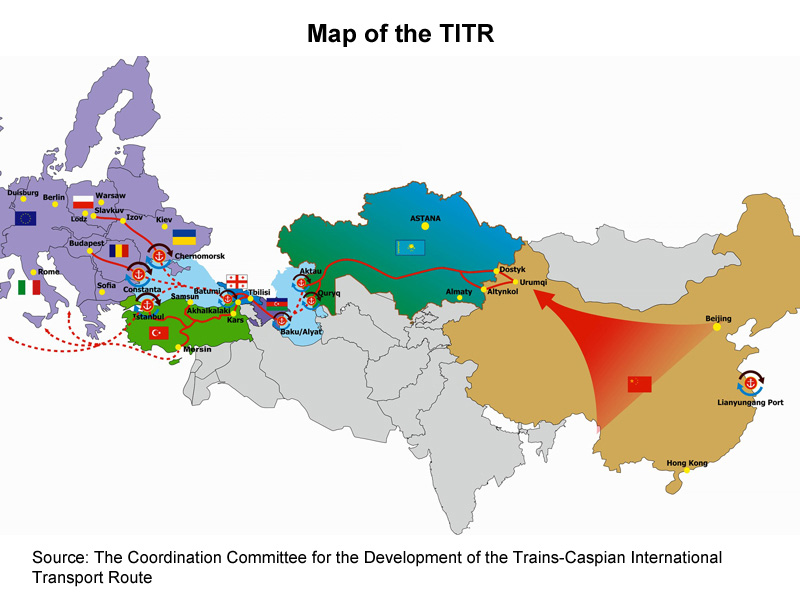
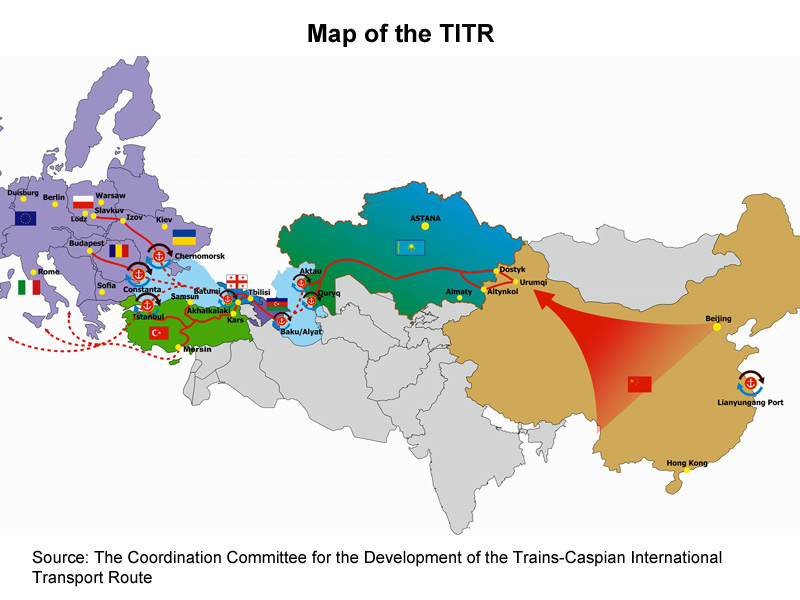
The link-up between Turkey’s MCI and China’s BRI is already bearing fruit. An early example of this is the Trans-Caspian International Transport Route (TITR), which forms the shortest land route between China and Europe, via South-east Asia, Central Asia and the Caspian Sea.
At its heart is the Baku-Tbilisi-Kars (BTK) railway route, which opened in October 2017. It starts at the Caspian Sea in Azerbaijan and runs through Georgia and eastern Turkey before merging with the Turkish and European railway systems.
The TITR is not just a shorter land route for Asian products to reach European, African and Middle Eastern consumers, but also a safer and cheaper one. The corridor is 1,500km shorter than the China-Mongolia-Russia Economic Corridor and is less exposed to extreme winter weather conditions. Cargo trains from North-West China now take as little as 8 to 14 days to reach the Black Sea coast and Turkey, whereas sea voyages between the destinations can take up to 60 days.
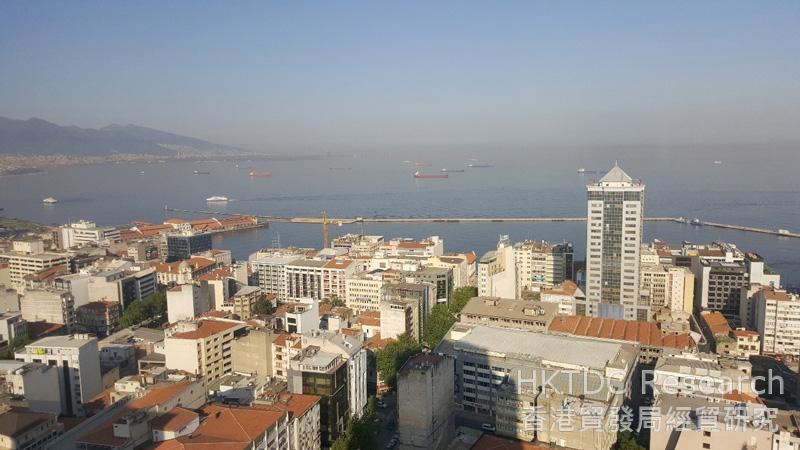
Turkey has also been upgrading and developing new maritime logistic infrastructure, most notably in İzmir. Dubbed the Pearl of the Aegean, Izmir is the nation’s third most populated city and home to the North Aegean Çandarlı Port, which when completed will rank as one of the top ten seaports in the world. With an additional annual capacity of up to 12 million 20ft shipping containers or TEUs, the port is expected to increase Turkey’s cargo handling capacity by 70%.

Infrastructure Boom
In line with its ambitious vision to develop Turkey into a US$2 trillion economy by 2023, the Turkish government has been overseeing a spending spree on the country’s infrastructure. The aim is to lay a sound foundation for more dynamic economic development. Among the long list of projects is Istanbul’s new airport, which will replace the 93-year-old Ataturk Airport when it opens on 31 December 2018. It is projected to become the busiest air hub in the world with a planned yearly capacity of 200 million passengers – nearly double that of the current world leader, Hartsfield-Jackson Atlanta International Airport.
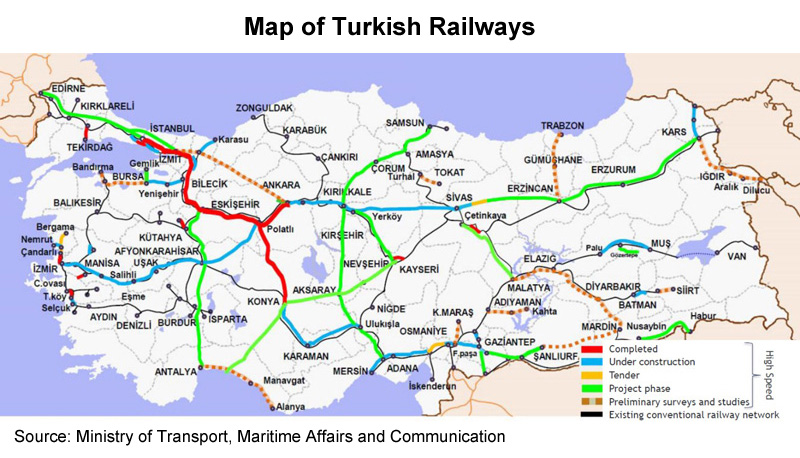
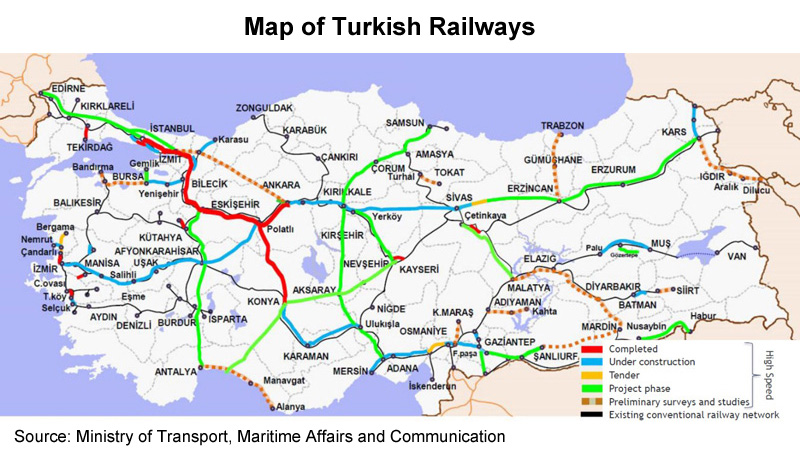
The Turkish government also aims to complete 11,700 km of high-speed railway lines linking 41 domestic cities by 2023, which would put Turkey behind only China in terms of the amount of railway construction. Other key projects among the 3,500 reportedly under development or in the planning stage include the Kanal Istanbul (an alternative waterway to the Bosphorus River, linking the Black Sea with the Marmara Sea), the Yavuz Sultan Selim Bridge (the world’s longest, highest and widest suspension bridge with a two-lane railway and eight-lane highway on the same deck), the Eurasia Tunnel, the Istanbul Finance Centre, and the Gebze-Izmir Motorway Project linking Istanbul with Izmir. All this is taking place alongside more than US$200 billion worth of building work and urban renewal across many Turkish cities.
To help finance this, the Turkish government hopes to secure US$350 billion foreign investment on a Public-Private Partnership (PPP) basis. So far, the country has completed a total of 225 PPP projects worth some US$135 billion. These include the İstanbul New Airport, built by the Limak-Kolin-Cengiz-MaPa-Kalyon Consortium, the Yavuz Sultan Selim Bridge and Northern Marmara Highway by the IC İÇTAŞ – Astaldi Consortium ICA and the Eurasia Tunnel by the Turkish-Korean joint venture registered as Eurasian Tunnel Operation Construction and Investment, or ATAŞ.
Manufacturing Powerhouse
Turkey’s growing economy and its rapidly improving transport connections have made the country attractive to international manufacturers looking to relocate. In order to ride this wave, the Turkish government has been trying to entice foreign export-oriented companies to move their production to the nation’s 19 Free Zones, 322 Organised Industrial Zones and 56 Technology Development Zones (TDZs).
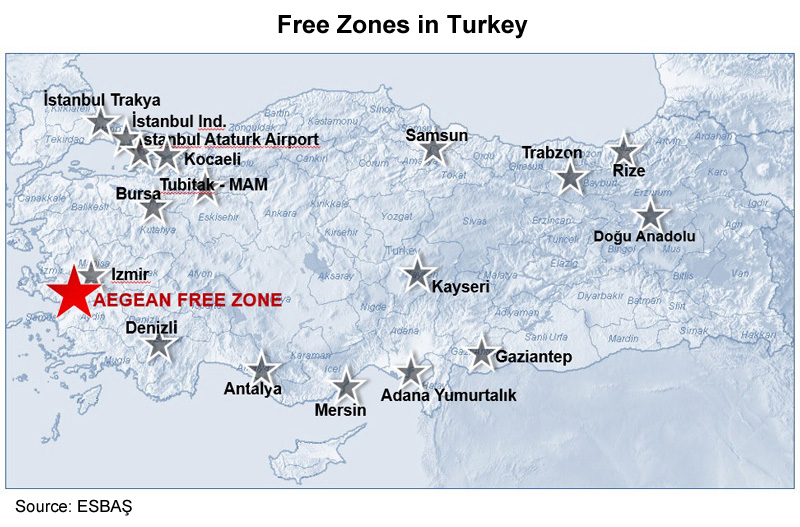
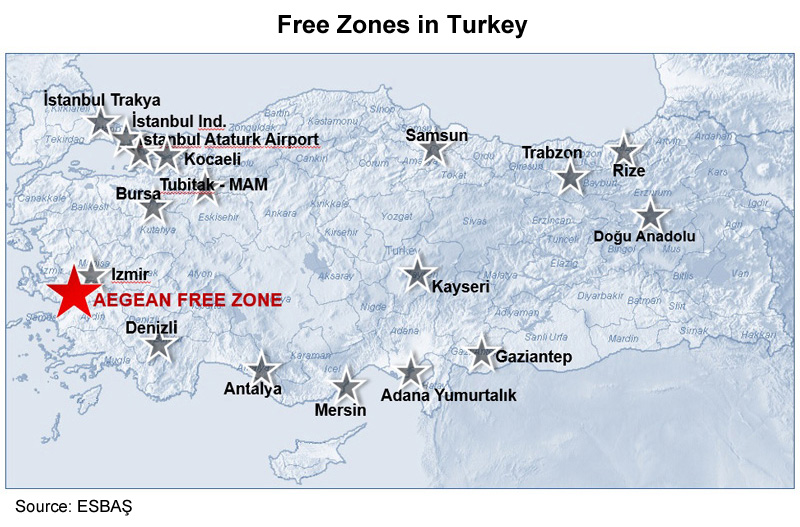
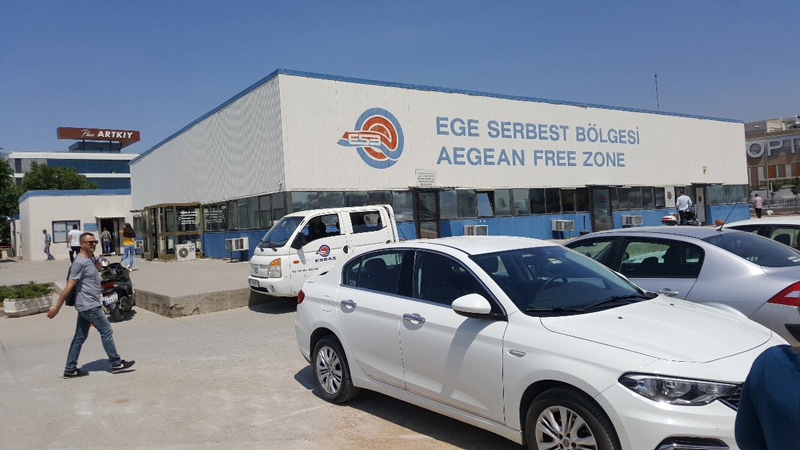
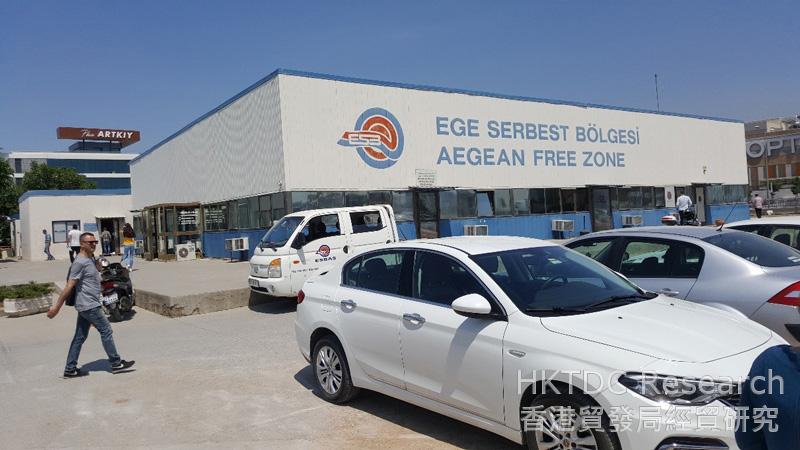
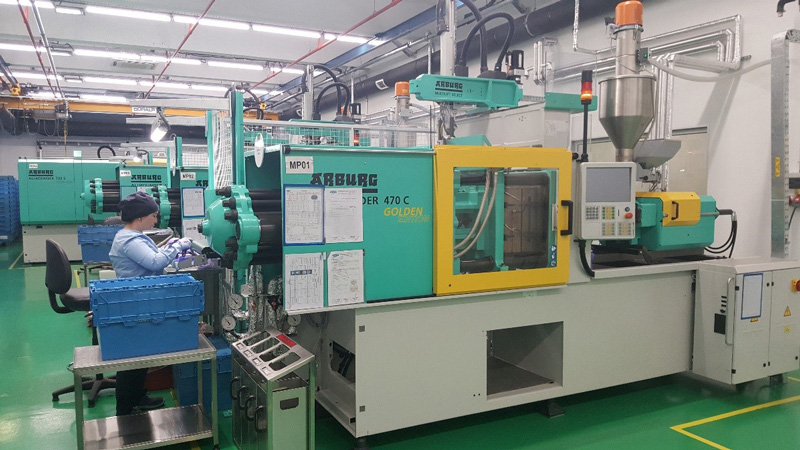
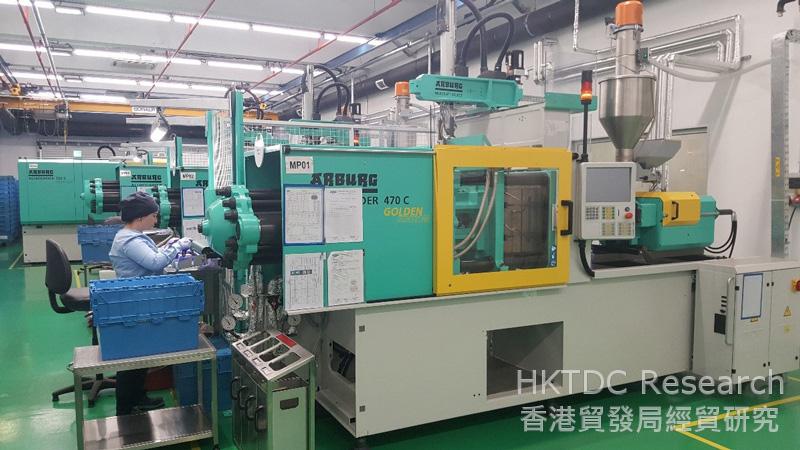
The Aegean Free Zone (ESBAŞ) in İzmir, with its advantageous location and tax, legal and customs incentives, is becoming increasingly popular as a destination for international manufacturers looking to do business in Turkey and the surrounding region. ESBAŞ is home to nearly 180 investors and tenants, mainly in industries such as food processing and packaging, automotive, machinery, IT, medical devices, textiles, electronics and electrical, aviation, avionics and aerospace. These include world-class manufacturers such as US-based Delphi Diesel, which makes injector nozzles, valves and pump parts for diesel motors, France’s FTB Lisi Aerospace, luxury German fashion house Hugo Boss, Eldor Electronics from Italy, Ukrainian manufacturer DEZEGA, which specialises in respiratory protective equipment, and Lasinoch, a subsidiary of Japan’s Pigeon Corporation which produces breast milk feeding pumps, feeding bottles and pacifiers.
Sino-Turkish Co-operation
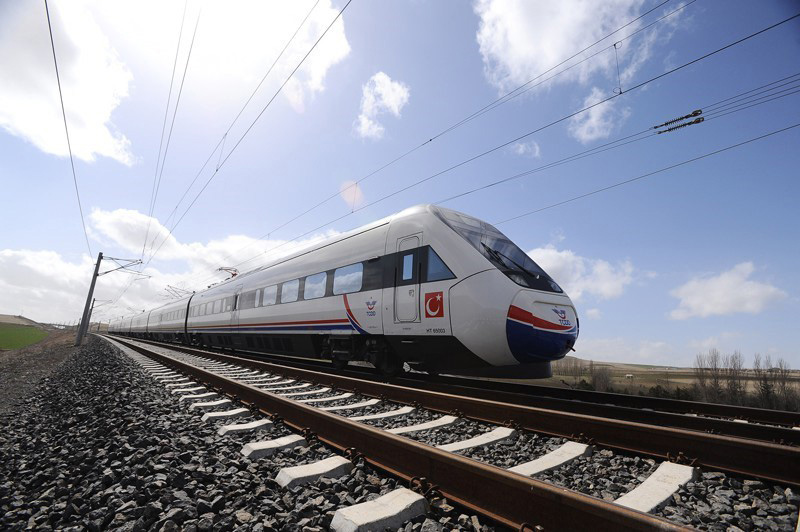
As a key part of the ancient Silk Road, Turkey is naturally an important partner in today’s Silk Road Economic Belt and Maritime Silk Road, or the BRI. Even before the development of the BRI, there had been a growing collaboration between Turkey and China. In 2010, China was a strategic partner in the financing and construction of Turkey’s national high-speed railway between the cities of Edirne and Kars, providing loans of US$28 billion, while the China Railway Construction Corporation and China National Machinery Import and Export Corporation are members of a Turkish-Chinese consortium (along with Turkey’s Cengiz Construction and Ibrahim Cecen Ictas Construction) which was behind the construction of the İstanbul-Ankara high-speed Railway.
The İstanbul-Ankara High-speed Railway
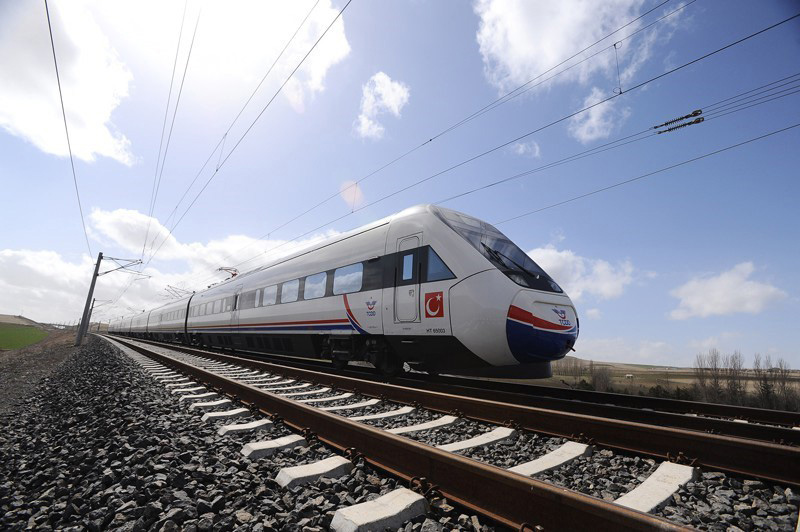
In 2015, the Chinese joint venture Euro-Asia Oceangate, controlled by Cosco Pacific, China Merchants Holdings (International) (CMHI) and CIC Capital, acquired the majority share of Kumport, the third-largest container terminal in Turkey. The port is close to İstanbul, Turkey’s biggest city and its key trading hub which accounts for over half of the nation’s total trade and serves as a transhipment hub for goods being transported via the Black and Mediterranean Seas. This investment also creates a natural synergy with the Chinese shipper’s investment and expansion plans in Piraeus – Greece's largest port.
This growing Sino-Turkish collaboration should ensure better co-ordination among the connecting nodes of the TITR and the Maritime Silk Road, while further strengthening the position of Turkey and its surrounding region as Asia’s maritime gateway to Central and Eastern Europe (CEE).
Investment Incentives
On the way to the 100th Anniversary of the Republic[1], Turkey is expected to continue its plans to develop and upgrade its infrastructure and – to make good use of the improved logistics and strengthen its role as a regional manufacturing powerhouse – expand its network of industrial parks in an attempt to grow local production capacity alongside rising domestic and external demand. This is good news for Hong Kong manufacturers who are considering relocation amid the fallout from the Sino-US trade dispute.
Turkey’s keenness to attract foreign investment means that it now boasts one of the most competitive investment incentive packages of any emerging economy. This includes a Project-Based Incentive Scheme, under which projects involving at least US$100 million worth of investment that ensure sufficient supply levels of strategic goods and services, and boost technological capacity, research and development (R&D) efforts, competitiveness and added value in production, qualify for a pool of support measures that the investor can use to create whatever incentive package to make the investment most feasible and profitable.
A host of different schemes offering various support measures are available to suit investment size, region, sector and product. Measures include value-added tax (VAT) exemption, customs duty exemption, tax deductions, social security premium support for the employer’s share, interest rate support, land allocation and VAT refunds. For investments in the least developed regions of Turkey, income tax withholding support and social security premium support for the employee’s share are also available.
Hong Kong businesses looking to take advantages of these opportunities should also be helped by the presence in Turkey of major Chinese banks such as Industrial and Commercial Bank of China (ICBC), which has been operating there since May 2015, and Bank of China (BOC), which received its banking licence on 1 December 2017.
Turkey Trade
Hong Kong’s trade with Turkey is rising rapidly. In the first nine months of 2018, Hong Kong’s sales to Turkey grew by 15% year-on-year to US$775 million, which compares favourably with the 9% growth in Hong Kong’s total exports over the same period. Electronics and electrical goods such as telecommunication equipment and parts, computers, electrical apparatus for electrical circuits and semi-conductors, electronic valves and tubes, watches and clocks, toys, games and sporting goods, jewellery and pearls, precious and semi-precious stones are selling well in Turkey.
When it comes to Turkey’s exports, the country is becoming a leading global supplier in the field of agribusiness and is now the world’s seventh-largest agricultural producer. In 2017, Turkey sold more than 75% of the world’s total market of hazelnuts and exported nuts, figs and olive oil to as many as 140 countries. Other popular food and beverage products include high-quality tea, wine, honey, dairy products and seafood.
Turkey is also the world’s fourth largest home textile supplier, famous for its towels, furnishing and curtain fabrics bed linens, and Europe’s leading TV and white good producer, selling, for example, refrigerators to some 160 countries.
Online Potential
Online sales in Turkey make up a relatively low share of total retail sales at just 3.5%. This means that the potential in the online market is there to be tapped by global e-commerce players. Alibaba has already made a move, recently announcing its acquisition of Trendyol (Turkey’s largest online fashion retailer, with 90 million monthly visits and 16 million registered users) from the European Bank for Reconstruction and Development (EBRD) and several US investment funds. It hopes to expand and optimise its reach among the country’s growing pool of young, high-income, tech-savvy consumers.
There are also plenty of potential opportunities in Turkey for the provision of the sort of professional services and innovative business models at which Hong Kong excels. Given Turkey’s ambitious list of massive infrastructure projects, high demand is expected not only for project funding and financing, but other professional services such as project evaluation and consultancy, engineering, architecture, logistics, information and communication technology (ICT) and marketing.
However, these opportunities are not limited to those available in Turkey. Turkish businesses are especially keen to make inroads into the Chinese mainland market amid China’s recent import tariff cuts, as evidenced by their presence at the inaugural China International Import Expo (CIIE). This was the world's first import-only-themed national-level expo, which kicked off on 5 November 2018 at the National Exhibition and Convention Centre in Shanghai, bringing together more than 3,600 exhibitors and over 400,000 buyers.
Turkey's Showcases at CIIE
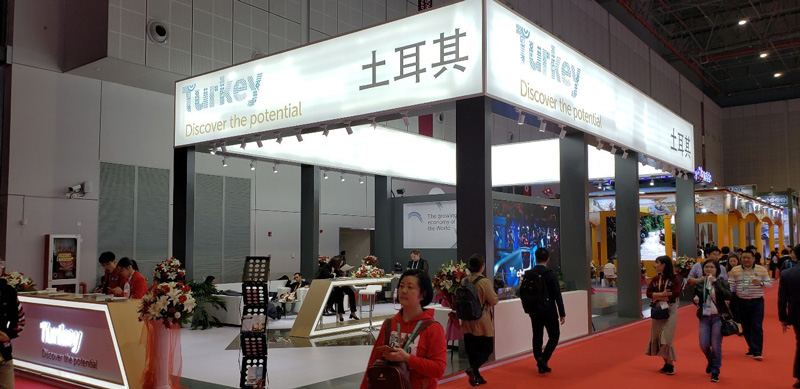
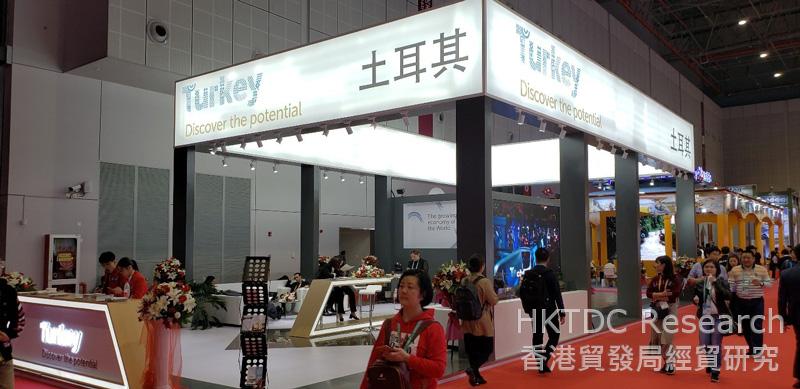
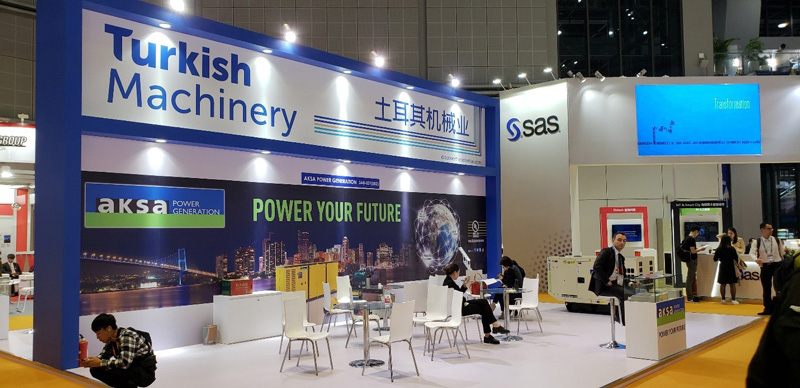
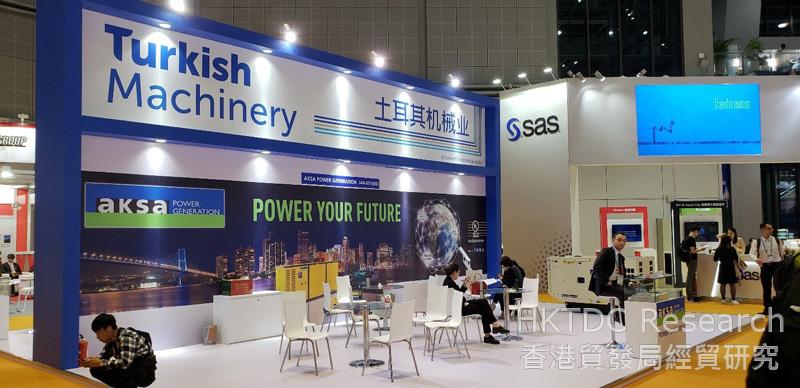
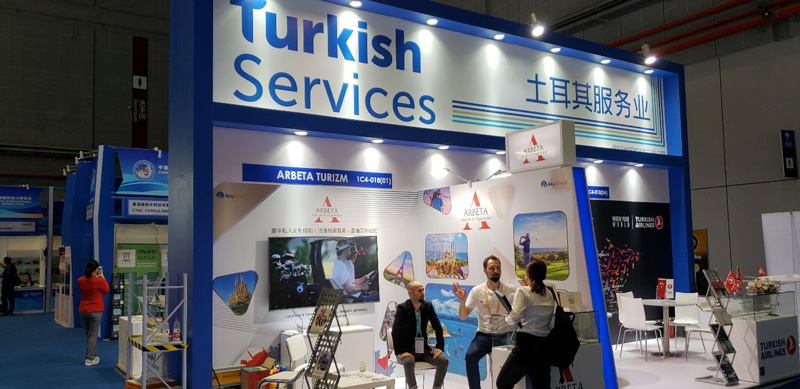
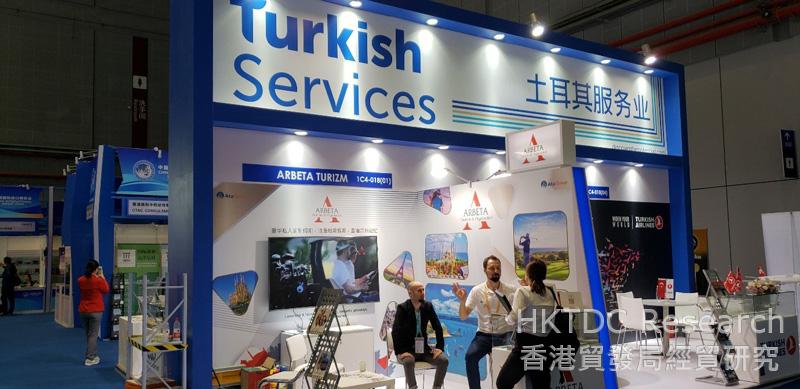
Displays of Turkish exports spanning agricultural and food and beverage products to machinery and services received a very warm welcome from Chinese buyers at the expo. However, while Turkish exporters and service providers seemed convinced that the Chinese market was ready for their products, most admitted that they were unfamiliar with mainland China’s laws and regulations, not to mention the market dynamics in terms of consumer preferences and distribution channels.
Given their language advantages, their extensive knowledge of the Chinese market and regulatory environment and their proximity to the mainland market, Hong Kong companies can play a pivotal role in helping prospective Turkish companies bring their products to the Chinese mainland market.
Hong Kong can also serve as a tailor-made business hub for Turkish enterprises looking to establish headquarters in Asia, offering them an extensive web of the value-added services from finance to branding and research and development (R&D) they will need.
[1] Turkey will celebrate the 100th anniversary of the foundation of the Republic in 2023.
Editor's picks
Trending articles
With funding for phase one finally agreed, the development of the Kyaukphyu Port no longer seems remote prospect.
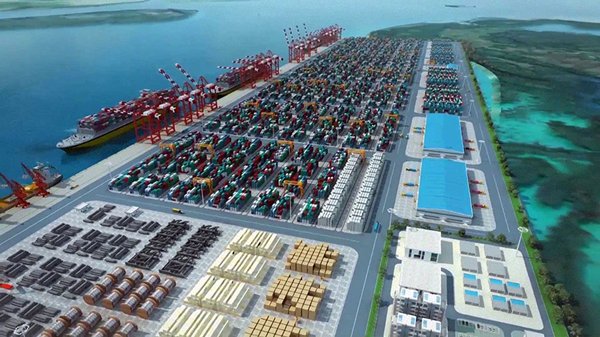
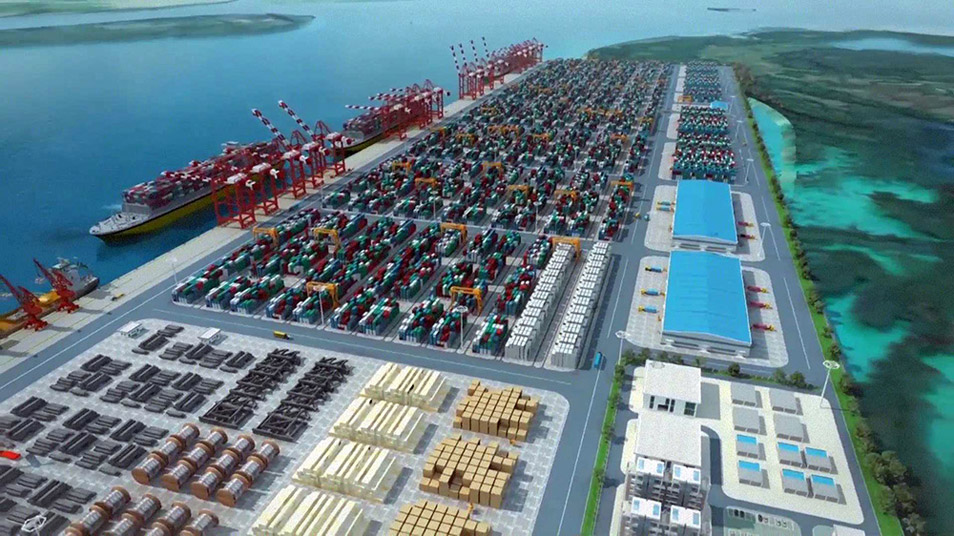
After two long years of negotiations, one of the key Myanmar Belt and Road Initiative (BRI) projects reached a significant approval milestone early last month. This saw CITIC, the Beijing-headquartered investment group, commit to underwriting the US$1.3 billion cost of developing phase one of the Kyaukphyu Deep-Sea Port project.
The deal, agreed with representatives of the Kyaukphyu SEZ Management Committee (KSMC), represents a major leap forward in terms of clearing the way for work to begin on the port, a vital component of the BRI, China's ambitious infrastructure development and trade facilitation programme. Perhaps just as significantly for CITIC, it also marks the company's first substantial venture into China's relatively undeveloped neighbour.
One completed, the Kyaukphyu Deep-Water Port, set in the western coastal state of Rakhine, will join Pakistan's Gwadar, Bangladesh's Chittagong and Sri Lanka's Hambantota as one of the region's four primary, BRI-backed marine cargo-handling facilities. Its geographical advantages see it ideally positioned to connect to western China, while it could also function as an effective interchange hub for goods in transit to and from Bangladesh, India, the Middle East and East Africa.
In another plus, it will substantially cut the volume of shipping obliged to round the Malay Peninsula in order to service China's Southern and Eastern ports via the South China Sea. With China already operating two oil and gas pipelines between Kyaukphyu and Kunming, the capital of the southwestern Yunnan Province, the logistical significance of the new facility is more than apparent.
From Myanmar's point of view, the port should prove to be a further boon to its already booming economy. With its year-on-year growth expected to hit 6.8% for 2018, the country – albeit from a relatively low base – is now home to one of the fastest-expanding economies in Asia. Even before it comes on line, the port is expected to make a considerable contribution to the country's ongoing success story, with 100,000 new local jobs in the offing, while CITIC has also promised that 90% of managerial roles will be filled by Myanmarese staff.
Given the clear win-win nature of the project, it is perhaps surprising that it has taken so long to come to fruition. In truth, though, it is a proposal that has been dogged with problems, with a number of them yet to be resolved.
To date, the most obvious issue has been cost. As originally envisioned, the total bill for redeveloping the site would be somewhere in the region of $7.5 billion, a figure that the would-be Chinese investors understandably baulked at. To circumvent this particularly thorny problem, the project has now been broken down into four more easily-fundable chunks.
Similarly, rather than committing to develop the whole site simultaneously, a more sequential approach has been agreed. This will see one, somewhat scaled-down, terminal completed first, while plans for two further terminals – on Made and Ramree, two nearby islands – have been put on indefinite hold.
Aside from budgets, the other hugely-divisive issue was ownership. As originally envisaged, CITIC would have had an 85% stake in the completed project, with only the remaining 15% state owned. A subsequent change of government saw it politically expedient for CITIC to cut its expected stake to 70%. This will give the Myanmar government the facility to sell on 15% of the project to local, privately owned businesses – some 50 of which are said to have already expressed an interest – while still retaining 15%.
Despite the progress made on both of these former sticking points, there are still a number of contractual issues that need to be resolved before CITIC breaks ground. The issues relate both to the port proper and to the adjacent industrial park that forms part of the overall development scheme. In each instance, separate investment, shareholder and leasing agreements need to be signed, while the port also requires a mutually acceptable concession agreement putting in place. Given the structure of the deal, nothing can be finalised until everything is finalised, meaning it may be a while before the first Chinese supertanker drops anchor in Kyaukphyu.
Geoff de Freitas, Special Correspondent, Naypyidaw
Editor's picks
Trending articles
China-backed SEZ set to transform transport and manufacturing ties between China, Laos, Thailand and Myanmar.

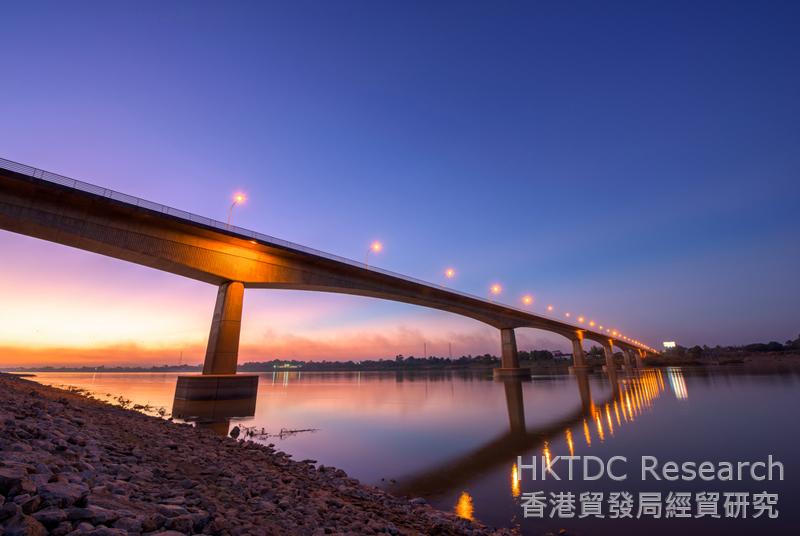
Late last month, the Thai government announced plans to develop a cross-border Special Economic Zone (SEZ) in the Chiang Khong district of Chiang Rai, the country's northern-most province. Once established, it is believed that the new SEZ will act as a nexus for a number of Belt and Road Initiative (BRI) related projects under way in the country, as well as in neighbouring Laos and Myanmar.
More specifically, the SEZ will connect with the existing Mohan-Boten Economic Cooperation Zone (MBECZ), which straddles the Laos-China border. Ultimately, it is anticipated that the zone will act as a hub for the growing economic interconnectedness between Thailand, Myanmar, Laos and China.
Laos' own economic zone development programme has met with considerable success to date and the MBECZ is proving to be no exception. A recent update from the Ministry of Planning and Investment showed that the country's 12 SEZs were already home to 350 Lao and overseas companies, representing total registered capital of US$8 billion, with $1.6 billion of that having already been actively invested.
At present, the SEZ programme has created 14,699 jobs, with 7,564 of these going to local workers. That number is expected to rise imminently following the announcement that a further 40 companies are to set-up within the Boten Specific Economic Zone, which forms part of the MBECZ's core offering.
The Mohan-Boten project, a joint venture between China and Laos, was established in September 2015 at a cost of about $500 million with a remit to focus on agriculture, biotechnology, logistics and cultural tourism. The site was originally developed by the Yunnan Haicheng Group and the Hong Kong Fuxing Tourism and Entertainment Group.
In addition to Mohan-Boten, there are a further two large-scale China-backed clusters in Laos – the Vientiane Saysettha Development Zone and the Vientiane Thatluang Lake Specific Economic Project. The MBECZ, though, has a unique significance in that it interconnects with the border crossing point of the China-Laos Railway, a major BRI project that will ultimately provide the backbone for high-speed train connectivity throughout much of Southeast Asia.
As a consequence, the MBECZ's international trade and finance areas have already attracted investment from many of the companies that are engaged in infrastructure construction activities throughout the country, as well as those actively working on the development of the country's hydropower facilities. It is, however, those businesses that are directly involved with the roll-out of the China-Laos rail link that are most widely represented.
Given the size and prominence of these businesses, it is perhaps reassuring that work on the rail link seems to be proceeding with few notable hindrances. As of March this year, the project was said to be already more than 25% complete and well on course for its officially scheduled 2021 completion date.
Since then, a number of other major project landmarks have been passed, including the completion of the construction work on a 1 km tunnel – the line's longest subterranean stretch – at the end of October. On top of that, the primary construction work on the 7.5 km Nam Khone Bridge – the widest-spanning structure along the course of the route – has also been completed.
In a sign of further progress, October saw China begin to export petroleum products to Laos via the Mohan-Boten border crossing for the first time. Amid much official fanfare, PetroChina delivered 64 tons of diesel to the local importer – the Nationwide Trading Petroleum Public Company – at the China-Laos border. Prior to this first batch arriving, all oil and petroleum shipments to landlocked-Laos had been routed via Vietnam or Thailand.
The opening of this new conduit was given added significance by its clear importance to the future of the recently sanctioned, BRI-backed Laos-China Economic Corridor. Given the numerous construction projects this will entail, demand for fuel across Laos is only set to soar over the coming years.
Geoff de Freitas, Special Correspondent, Vientiane
Editor's picks
Trending articles
Gansu-Islamabad road and rail connection boosts local economy and facilitates rapid transit to upgraded port.
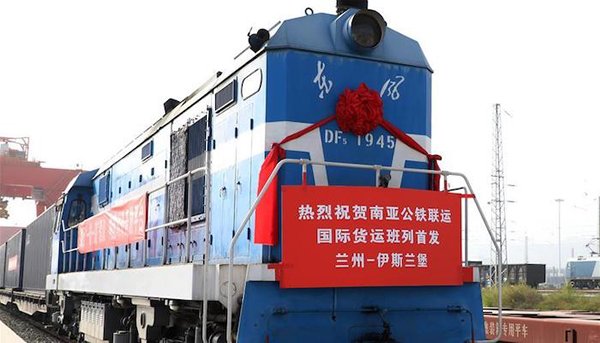
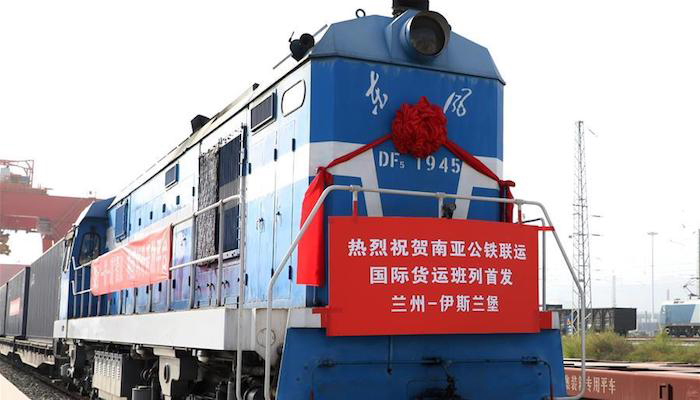
One of the key stretches of the classic Silk Road returned to the forefront of international trade in late October, when the new China-Pakistan road and rail freight link entered active service. Although the project's origins date back to 2005, well before the Belt and Road Initiative (BRI) – China's ambitious international infrastructure development and trade facilitation programme – was unveiled to the world, the link has latterly been co-opted into the wider scheme, with its success seen as a vital part of the mainland's overall economic masterplan.
As it stands, the new 4,500 km road and rail link sees regular train services connecting Lanzhou, the capital of China's north-western Gansu province, with the city of Kashgar, one of the key trade conduits in the Xinjiang Uygur autonomous region. From here, freight can travel onwards to Islamabad, the capital of Pakistan, via the largely restored Karakoram highway. Ultimately, the route will extend to the Port of Gwadar, the cornerstone of the China-Pakistan Economic Corridor (CPEC) and a major BRI project in its own right.
Until now, the transit time for China-origin goods destined for the Pakistani capital and the country's other affluent consumer hubs has been a minimum of four weeks, with sea links accounting for the bulk of such trade. The new land link cuts the travel time by more than 50%, with items expected to reach Pakistani retailers within 13 days of exiting mainland factories.
Inevitably, given this massive logistics upgrade, trade between China and Pakistan is expected to soar. The impact will be all the greater, however, once the planned extensions to the rail link are in place. Eventually, it is anticipated that freight-train services will run directly from Lanzhou to Gwadar, as well as to other ports serving the Arabian Sea. The next phase of the project, however, is still at the planning stage, with work on it not expected to be completed before 2030.
Its final implementation, however, will be truly transformational for the region. All trade between China and Pakistan currently has to pass along the Karakoram highway, a route rendered impassable by the extreme weather conditions prevailing in the country's December-March winter period. Even though this historic route, which wends its way across the Pamir Plateau and the Karakoram Mountains, has been substantially upgraded in the past 20 years, it still functions as something of a bottleneck, a problem that the extended rail link will play a key role in alleviating.
Among the previous upgrades to the existing highway was the US$510 million reconstruction of the 336 km stretch from the Pakistani city of Raikot to Khunjerab by the Chinese border, a move necessitated by cumulative flood damage over an extended period of years. Then, in 2015, construction work was completed on the two large bridges and five kilometres of tunnels that constitute a 24 km section of replacement roadway, which had originally been swept away by the 2010 landslide that led to the formation of the nearby Attabad Lake. With the cost, as with the Raikot-Khunjerab work, underwritten by China, the final bill was said to be in the region of $275 million.
At present, only one section of the highway still has an upgrade pending – the 136 km stretch linking Raikot to Thakot, a relatively small but geographically significant town on the banks of the Indus. Although a $64 million investment deal for the project was agreed with China last year, concern over local financial irregularities has put the backing temporarily on hold.
Even prior to the full implementation of the proposed rail link, the upgraded Karakoram highway is already driving local economic growth. As the primary land conduit between China and Pakistan, it has become an essential link in the supply line that is fuelling the massive BRI-backed infrastructure and power generation projects in the south of the country, many of which are at the heart of the wider $60-billion-plus CPEC initiative.
At the same time, the BRI-backed links have also delivered more tourists to the region, a development bolstered by the opening of the nearby Ruoqiang Loulan airport earlier this year. Close to the Khunjerab border crossing, the new air terminal has also proven to be a shot in the arm to many local towns, notably Tashkurgan, one of the most westerly settlements in China.
Geoff de Freitas, Special Correspondent, Islamabad
Editor's picks
Trending articles
By Viking Bohman, coordinator of Stockholm Belt and Road Observatory, and
Christer Ljungwall, affiliated professor in the Asia Research Centre at the Copenhagen Business School
Key points
- The Belt and Road Initiative (BRI) provides an opportunity for China to remedy some of its most significant geostrategic vulnerabilities and steer capital-poor countries on to a development path that could transform them into a support structure for the Chinese economy. In the absence of an active response from other parts of the world, this could encourage a more assertive Chinese foreign policy and facilitate China’s attempts to unilaterally shape the future of global economic flows.
- If the European Union (EU) adopts a proactive approach and insists that China respect EU unity and live up to criteria of transparency, sustainability and economic reciprocity, the BRI will provide opportunities for both economic gain and the promotion of democracy and free market models.
- A precondition for such efforts is the development of interdisciplinary European expertise on the BRI. To this end, individual member states, including Sweden, should mobilise and streamline national capacity. As an initial step, we suggest the setting up of a Swedish BRI working group.
One project, many purposes
The main focus of the BRI is to connectAsia and Europe through an extensive web of infrastructure, both “hard” and “soft”. Launched in 2013, the development scheme has come to involve hundreds of billions of US dollars and is now the centrepiece of Chinese foreign policy. Beijing’s principal message thus far has been that the BRI will be beneficial to all – a gift from China to the world. In some ways this is true, especially for developing countries in Asia which are in dire need of infrastructure. Nonetheless, most countries are rightly questioning China’s claim that “win-win” outcomes are the only goal of the project. In reality, the BRI is a way for China to forward its own economic and the political interests, even if this sometimes comes at the expense of its partners.
Out of the economic rationales which underpin the BRI, four stand out as particularly important. The first one concerns overcapacity in the steel and heavy equipment sectors. Since the financial crisis of 2008, after which China introduced an impressive economic stimulus package, investments in infrastructure has saturated the domestic market. This explains the push to create international alternatives under the BRI.
Second, China seeks to access new markets. New BRI infrastructure and the resulting reductions in transaction costs are expected to increase international trade. Many markets along the BRI are already growing quickly and in the long term could significantly benefit Chinese export industries. While underdeveloped countries are unlikely to provide markets for high-end goods any time soon, the EU market, which is the final destination of the BRI, holds great promise for China.
Third, China is attempting to restructure its economy and move away from its traditional investment- and export-led approach to a model in which domestic consumption plays the leading role. This is a painful process, however, and drastic changes in policy can generate unwanted consequences such as temporary spikes in unemployment. In this regard, the BRI serves as a way to continue to rely on the existing investment-export model while slowly restructuring the domestic economy – with the crucial difference that China is now investing abroad instead of in its saturated domestic market.
Fourth, China is struggling with a problem of geographic disparities between western inland provinces and eastern coastal areas. Coastal cities have long benefited from their geographic position and special government treatment, while landlocked regions such as Tibet and Xinjiang have been left out. By stimulating growth on the Eurasian landmass and redirecting economic flows to the west, the BRI could help to compensate western regions for decades of comparatively slow economic development.
Beyond economics, the BRI serves several geostrategic purposes. One crucial longterm impact of the project is that it is likely to reduce China’s vulnerability to coercive economic pressures from the West while increasing Chinese economic leverage over smaller states. The BRI has the potential to achieve this primarily by constructing a more industrially self-sufficient Eurasia and by building land-based trade routes across the continent which can serve as “lifelines” in case of supply disruptions or economic isolation, possibly linked to a trade war, economic sanctions or a conflict in the South China Sea. China’s economic resilience will also be strengthened by efforts to increase international use of the Renminbi (RMB) and to establish financial institutions that operate outside of the Western-led economic system.
These efforts could make China less vulnerable to economic sanctions by creating a type of regional self-sufficiency within a future Chinese sphere of influence. Ultimately, as Western economic deterrent capabilities lose their potency, China will have fewer incentives to abide by those international norms which it perceives as running counter to its interests – the reason being that China could withstand any possible repercussions from the West. In the South and East China Seas, the Chinese military has already shown an increased willingness to push the limits of what is considered acceptable by Western powers and Japan.
The case for engagement
For states that are interested in preventing scenarios in which China becomes more assertive in regional territorial disputes, the objective should be to make sure that China is well integrated into the global economic system and maintains a close, interdependent relationship with the West. This would ensure that Chinese leaders think twice before embarking on controversial geopolitical ventures similar to that of Russia’s incursions into Ukraine. Economic interdependence would ensure that the costs to China of such action, as a result of Western repercussions such as economic sanctions, remain high.
The economic side of the BRI, meanwhile, also has a strategic dimension. As the project unfolds in the coming decades, China’s increased presence in Eurasia will have a significant impact on regional commercial and financial regimes. As China is offering to connect capital-poor countries to the world economy, it can – in the absence of economic alternatives – largely dictate the terms of this process. Countries such as Pakistan and Laos risk becoming heavily indebted and dependent on China, and their markets remodelled to support the Chinese economy. This is likely to increase Beijing’s leverage over these states, not least in allowing it to shape the norms and rules for future economic flows. Although China could in theory use this influence to develop a fair multilateral system, there is evidence from along the BRI to suggest that China will attempt to shape the initiative in a way that maximises its own economic and political advantage, even if to the detriment of others. If liberal democratic countries remain passive, there will be little to counteract and bring to light exploitation and misconduct.
At the same time, it is crucial that the involvement of liberal democratic states does not become a tool for China to legitimise its more dubious activity. China is known to have used economic pressure against smaller states to secure political favours, extract resources and acquire beneficial ownership rights over strategically important infrastructure. Adding to that, corruption is still rampant in China and there are few reasons to believe that such practices will not travel along the BRI. To counteract and avoid becoming complicit in misconduct, the West and its partners need to be clear that they will not support the BRI unless it lives up recognized criteria on transparency, equal say of stakeholders, and environmental and labour standards.
Beijing may be reluctant to accept such demands, but in the coming decades the BRI is likely to hit more than a few bumps in the road. Beyond the sheer unprofitability of many projects, the initiative involves significant risks associated with corruption, environmental degradation and political backlash in host countries. China’s statebacked financial institutions will not be able to sustain unprofitable projects indefinitely – especially when their lending to sustain the domestic economy is approaching its limits.
These troubles are already beginning to impede projects, and there are few reasons to believe that the situation will improve without a change in strategy. As problems grow dire, Chinese leaders are increasingly likely to come to the realisation that the initiative is in need of help from wealthy and respected outsiders to garner financial funds, build institutions and shore up legitimacy among a broad range of stakeholders. In this regard, struggling Chinese projects could provide Europe with an opportunity to influence the course of things. If EU member states manage to establish a joint presence in these areas, they could step in and offer their help to China, with clear demands for increased transparency, sustainability and joint ownership. Even if China refuses, a European presence would help host countries guard against Chinese domination. With credible economic competition, China will have to offer fair deals to developing countries.
Actively participating in the BRI with hopes of influencing China might seem naive, but other options are limited. One alternative approach is to remain passive. This is detrimental because it would facilitate Chinese attempts to unilaterally reshape the economic and political landscape in Eurasia to its benefit. The project is likely to struggle, but given President Xi Jinping’s personal commitment to the project, China’s efforts to shape its neighbourhood would probably continue – albeit at a slower pace.
A second option would be for the West and states such as Japan to become active in BRI areas but on a competitive, rather than cooperative, footing with China. This would have the benefit of making BRI states less vulnerable to Chinese coercion but might lead to heightened geopolitical competition. Economic competition is good, but the creation of two opposing political camps would not be conducive to international cooperation and global interdependence.
A European response
When approaching the BRI, the first concern of the EU should be to safeguard its own unity. In the absence of a common European China policy, additional BRI investment schemes could deepen cracks in EU cohesion by enticing member states to run political errands for Beijing. Greece and Hungary, which have both been promised Chinese economic support, have on several occasions showed their willingness to adapt their policies to China’s liking. Greece most recently refused to sign an EU statement on human rights in China.
Chinese influence in Europe has not gone unnoticed by European leaders. At the 2018 Munich Security Conference, Sigmar Gabriel, Germany’s foreign minister at the time, noted that China, alongside Russia, was “constantly trying to test and undermine the unity of the European Union”. Similarly, Angela Merkel has warned that Chinese economic ties should not come with political strings. While such messages might temporarily strain EU–China relations, they capture the essence of what the EU should be communicating to China: the political positions of EU member states are not for sale.
Additionally, demands should be made that Beijing respect the sovereignty of other states along the BRI which risk falling into a vicious circle of economic dependence on China. Speaking of the BRI, French President Emmanuel Macron has already made clear that “these roads cannot be those of a new hegemony, which would transform those that they cross into vassals”.
Another point of importance in the EU–China relationship is economic reciprocity. China aims to spur economic flows along the BRI but is actively limiting foreign access to its own market. Such policies shield Chinese industries from competition and often deprive other states of trade and investment opportunities in China. The EU Ambassador to China has made clear on several occasions that China is not fulfilling expectations of reciprocity. To continue to insist on this, and possibly make it a condition for EU endorsement of the BRI, would increase the prospects of gaining access to Chinese markets and could serve the EU’s strategic interests by nourishing economic interdependence.
In sum, like-minded EU members states should communicate clear demands on economic reciprocity and respect for EU unity in their relationships with China. These two requirements, in combination with an insistence on the transparency and sustainability of BRI projects, should guide the EU’s approach. To whatever extent possible, efforts should be made to shore up support for this stance among EU member states and other countries along the BRI. Smaller states have an interest in supporting a common stance on China not only because it would guard against Chinese primacy, but also because it is likely to increase chances of making the projects in their countries more successful and distribute the gains more evenly. It is not inconceivable that consensus could be found within the EU for a common approach toward the BRI, especially given that an internal EU report which strongly criticises the BRI recently gained the approval of 27 out of 28 of the EU ambassadors in Beijing.
An opportunity to influence
Observers often emphasise that the BRI will seek to spread Chinese influence by propagating an alternative authoritarian model and by disseminating Chinese values. This is true in many respects, but it is equally true that if the EU can come up with a coordinated response, the BRI provides an opportunity for Europe to spread democratic ideals and market economy models. On the one hand, the EU should not support the BRI unless it is transparent and fair, which in a best-case scenario would lead China to adapt its projects. On the other hand, participating in the BRI will have the benefit of demonstrating that projects designed according to liberal market economic models are more efficient and sustainable. Indeed, projects which lack transparency and joint ownership structures are more likely to be corrupt, face a popular backlash and cause environmental degradation.
In addition, deeper economic integration and people-to-people contacts with China will naturally intensify the Chinese people’s exposure to ideas from the outside world (even Beijing’s sophisticated censorship apparatus has limitations). Many observers have seen the recent authoritarian turn in China as conclusive evidence that economic integration with the West has failed to influence China. Such claims, however, fail to recognise the changes in Chinese society which have taken place since Deng Xiaoping’s reforms were first introduced in 1978. Xi Jinping has ushered in an era of political repression, but this does not necessarily mean that the population is becoming less critical in their thinking. They might very be influenced in a “liberal” direction through their interactions with the West.
A Swedish response
Sweden has clear gains to make from developing a forward-looking strategy for the BRI. The long-term prospects for opening new markets should not be neglected. Nor should opportunities to influence the direction of economic development in Eurasia and other places. The Swedish government is deeply committed to the United Nations Sustainable Development Goals and has a clear interest in making sure that the BRI meets sustainability criteria. To this end, Sweden could at the EU level push for efforts to mobilise and streamline European development and aid programmes in BRI countries. The combined mass of European projects could then be nudged toward Chinese projects in order to create synergies and cooperation wherever possible. Again, a precondition for such active participation in the BRI should be a common understanding with China regarding environmental standards, transparency, joint ownership and monitoring mechanisms. In such settings, Sweden should leverage its comparative advantage in environmental science and technology to influence projects in a sustainable direction. As of now, however, Sweden, like most other EU member states, lacks the detailed interdisciplinary knowledge that is needed to engage with China in an appropriate fashion. Expertise from disciplines such as environmental science, security studies, political science and development economics needs to be consolidated to create a comprehensive understanding of the BRI. One way to achieve this would be to fund policy relevant research projects and organise interdisciplinary expert groups which would advise the Swedish government on how to approach BRI projects.
To better organise Sweden’s approach, a permanent working group should be established to serve as a knowledge-sharing and coordination platform for ministries, government agencies, civil society organisations and the Swedish business sector. The Ministry of Foreign Affairs would be a natural place to host such a mechanism. This group could also act as a focal point for international exchanges and might serve to organise cooperation within the Nordic region. As a next step, the government should consider institutionalising Sweden's capacity to deal with the BRI through the establishment of an office for Belt and Road issues.
Please click to read full report.
Editor's picks
Trending articles
By Paulo Bastos, World Bank Group
Abstract
The Belt and Road Initiative seeks to deepen China's international integration by improving infrastructure and strengthening trade and investment linkages with countries along the old Silk Road, thereby linking it to Europe. This paper uses detailed bilateral trade data for 1995-2015 to assess the degree of exposure of Belt and Road economies to China trade shocks. The econometric results reveal that China's trade growth significantly affected the exports of Belt and Road economies. Between 1995 and 2015, the magnitude of China's demand shocks was larger than that of its competition shocks. However, competition shocks became more important in recent years, and were highly heterogeneous across countries and industries. Building on these findings, the paper documents the current degree of exposure of Belt and Road economies to China trade shocks, and discusses policy options to deal with trade-induced adjustment costs.
Concluding remarks
This paper characterized the dynamics of China’s bilateral trade relationships over the 1995-2015 period and assessed the implications of China trade shocks for exports of B&R economies. Between 1995 and 2015, B&R economies accounted for about a third of China’s export revenue. They have been more important for China as export markets than as sources of Chinese imports (although the share of imports originated in B&R economies has observed upward trend in recent years). China is an important trade partner for many B&R economies, especially as a source of imports. Over this period, exports of B&R economies were significantly impacted by China’s trade shocks. Between 1995 and 2015, the magnitude of China’s demand shocks was larger than that on supply (or competition) shocks, implying that the overall net impact of China trade shocks on the exports of B&R economies during this period was significantly positive. However, the magnitude of competition shocks associated with China’s trade became stronger in 2005-2015. The impacts of China trade shocks were heterogeneous across B&R economies and industries.
Although one must be cautious in extrapolating from historical data, the econometric results suggest that the trade similarity indexes we employed contain useful information for capturing the current degree of exposure of B&R economies to China trade shocks. Looking forward, these measures suggests that several B&R economies currently exhibit a relatively high degree of exposure to competition shocks associated with further integration with China. This is the case of Hong Kong SAR, China, Vietnam, Malaysia, Philippines, Thailand and Indonesia, which source a relatively large share of imports from China and have an export structure that is more similar to that of China. These B&R economies are therefore likely to be relatively more exposed to import competition from China in their own markets in several industries. Further integration with China will likely involve stronger competitive pressures in final goods markets, which may also have important implications for the adjustment of factor markets. There are nevertheless various important sources of mutual gains from further integration: consumers would gain access to a wider range of product varieties within sectors; firms and countries would obtain efficiency gains due to further specialization in different varieties or stages of production.
Other B&R economies are only weakly exposed to competition shocks associated with further integration with China. Tajikistan, Myanmar, the Islamic Republic of Iran, Kyrgyzstan, Bangladesh, Mongolia, and Timor-Leste source a sizable share of imports from China, but have an export structure that differs considerably from that of China. To the extent that differences in export structure reflect underlying differences in production structures, these economies are only weakly exposed to Chinese import competition in their own markets, even though they source a large share of imports from China. Mutual gains from further integration with China are likely to derive mainly from further exploitation of the corresponding comparative advantages. The degree to which B&R economies are exposed to competition from China in third-country markets is relatively higher in Vietnam, Thailand, Malaysia, Philippines, India, Singapore and Indonesia. If Chinese exports become relatively more expensive (e.g. due to further increases in labor costs or exchange rate movements), these countries would likely gain market share in their corresponding export markets. Conversely, if Chinese investments in robotization make its exports more competitive, these economies may lose market shares.
Mongolia, Hong Kong SAR, China, the Islamic Republic of Iran, Oman, Turkmenistan, and the Republic of Yemen are highly exposed to demand shocks from China. A large share of exports from these economies is to the Chinese market, and the export structure of these countries displays a high degree of similarity with China’s overall import demand. China is also an important destination for Lao PDR, Uzbekistan and Myanmar and Iraq, although the export structure of these economies is quite different from the structure of China’s overall import demand. Finally, Malaysia, Philippines and Singapore export a sizable share of exports to China and have an export structure that is relatively close to the structure of Chinese multilateral imports, suggesting that these economies are also strongly exposed to China’s demand shocks.
While deeper economic integration typically generates gains at the country-level, it also imposes adjustment costs within countries. These costs are associated with reallocations of workers across sectors, regions and occupations triggered by sector-specific competition and demand trade shocks. Countries more exposed to competition shocks from China are likely to face stronger adjustment costs. Policies to deal with these trade shocks may include general inclusive policies, such as social security and labor policies (including education and training). Well-designed credit, housing and place-based polices may also facilitate adjustment. Trade-specific adjustment programs may play a complementary role. B&R economies more exposed to competition shocks should consider whether their inclusive policies are appropriate to deal with the adjustment costs imposed by trade shocks, and potentially include these policies in the negotiated trade package. While this paper aimed to provide a general overview of the exposure of each B&R economy to supply and demand shocks associated with further integration with China, more definite conclusions require complementary analysis based on production and employment data, along with a deeper assessment of country-specific institutions.
Please click to read full report.