


Hong Kong
Country Region
Hong Kong is set to become a significant hub for cooperation in R&D and advanced biomedical services in the Greater Bay Area and beyond. The Outline Development Plan for Guangdong-Hong Kong-Macao Greater Bay Area, promulgated in February 2019, looks to improve the environment for innovation in the region. It says that a plan will be drawn up to foster the research and development of clinical medicine, and facilitate the cross-boundary use of medical data and bio-samples (such as blood needed for R&D cooperation projects in higher education institutions, R&D institutes and laboratories in the Greater Bay Area).
Hong Kong will be in an excellent position to fill the gap between mainland China and overseas in the field of genetic and biomedical information. It can build major databases which will benefit biomedical firms and research institutes in Hong Kong, particularly in genetics-related research and medicine development. Coupled with the city’s strong protection of intellectual property rights and proprietary information, as well as the logistics support for the delivery of bio-samples, Hong Kong can become a bridgehead for biomedical companies looking to extend their research and services from the Greater Bay Area to the Belt and Road and other overseas markets.
The Bay Area is to Liberalise Controls
Currently mainland China maintains strict controls on the export and trading of human genetic data and bio-samples such as blood because of health and safety concerns. Under CEPA, Hong Kong investors enjoy national treatment when investing in the mainland’s human health services sector. However, they are expressly excluded from launching services on genetic information, blood collection, pathological data and other services that may endanger public health and safety.
These are major hurdles for Hong Kong businesses, as well as foreign investors based in the city, looking to conduct cross-boundary cooperation with their mainland counterparts in front-end biomedical research in areas like genetics-based therapy and medicine. The Greater Bay Area development plan is set to deal with obstacles like these, so players affected by them should watch developments closely to see how the governments of the Bay Area implement the liberalisation measures envisaged in the plan.
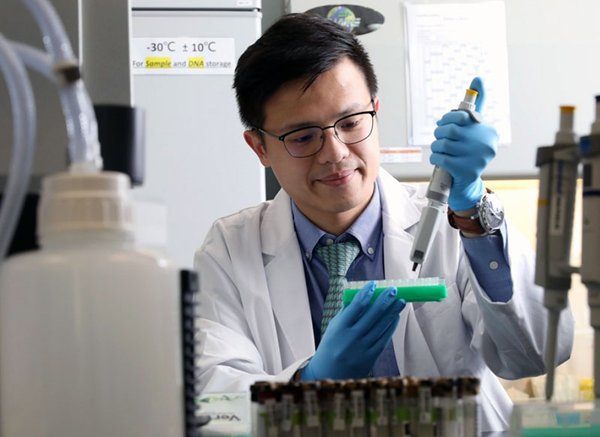
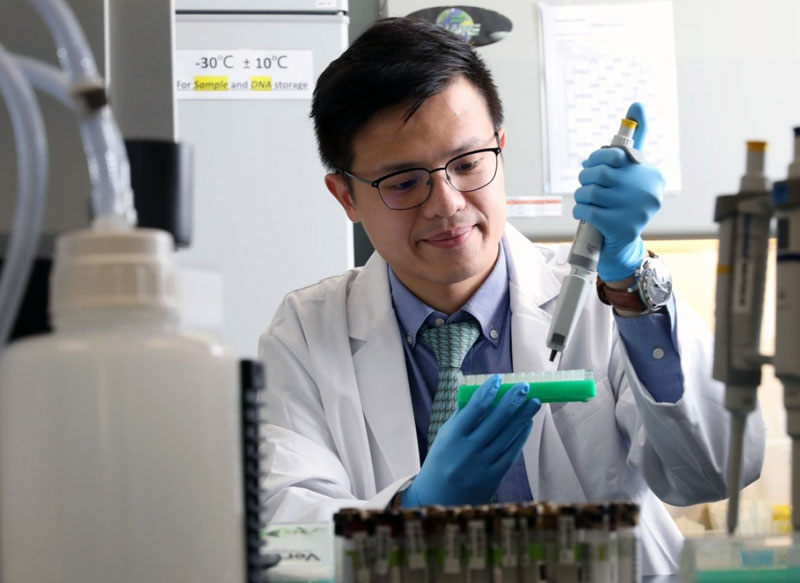
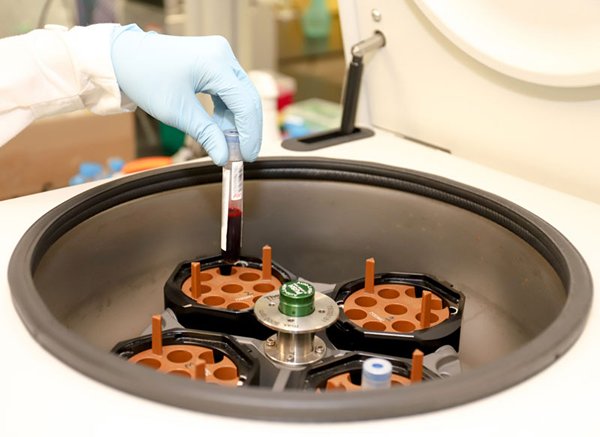
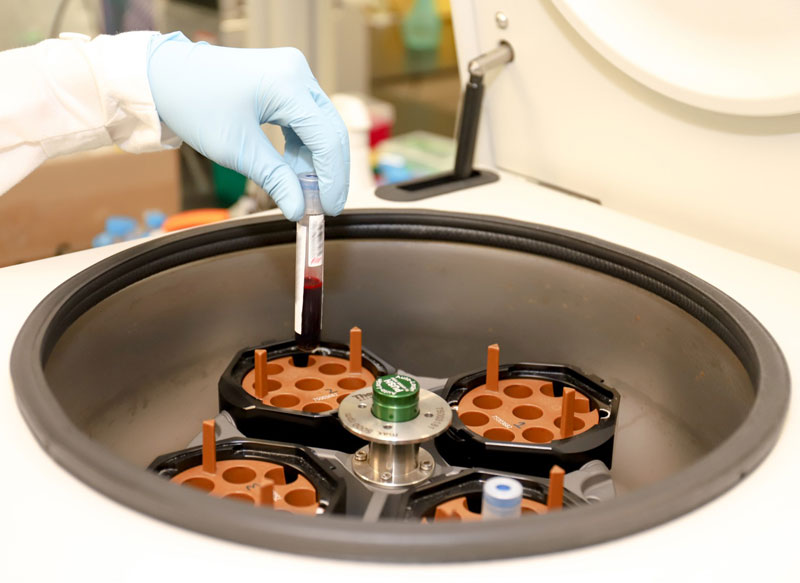
Liberalising controls will come as welcome news to biomedical firms and laboratories like Hong Kong-based Sanomics Limited, which has been advocating cross-boundary data sharing in order to strengthen technological cooperation in the Bay Area. In an interview with HKTDC Research, Sanomics’ CEO and Director Stanley Sy stressed the difference between the way traditional therapies work and new medical approaches. He pointed to the way treatments such as chemotherapy are applied in a one-size-fits-all method, based on the needs of the average cancer patient; and contrasted that to precision medicine, currently emerging as a new approach for treating cancer, which considers individual variations in the genes, environment, and lifestyle of each patient.
New Technology Facilitates Precision Medicine
This new approach is made possible by advances in genetic and genomic technologies with which medical practitioners can precisely detect different gene mutations that cause cancer. Through precision medicine, the analysis of different gene mutations can lead to targeted therapies for individual patients.
Sy used an example to explain how this worked, saying: “In the case of lung cancer, studies found that targeted therapy treatment for patients with mutation in the epidermal growth factor receptor (EGFR) gene was more effective than chemotherapy for the condition. Therefore, the relevant EGFR test is the key for assessing which targeted therapy, such as tyrosine kinase inhibitor (TKI), would be effective for certain lung cancer patients.”
Sanomics carries out genomic diagnostics for patients in Hong Kong, Asia and other regions all over the world. The company is looking to develop its in-house expertise and deploy the latest genetic and genomic technologies to serve its clinical and pharmaceutical clients worldwide. As well as tissue-based profiling tests for assessing patients diagnosed with various types of cancer, Sanomics has successfully developed proprietary liquid biopsy tests to trace the cancer’s cell-free DNA in the blood. This allows tests to be carried out with a simple blood sample rather than via expensive and invasive surgical biopsies. These liquid biopsies can assess the gene mutation with a high degree of accuracy, and in turn help medical practitioners rapidly formulate targeted treatment and prescribe precision medicine for their patients.
Potentials along Belt and Road Routes
Since its inception as a technological start-up in the Hong Kong Science Park in 2015, Sanomics has expanded its biomedical team from a few founding experts to more than 30 personnel. It opened another office and laboratory in Bangkok in January 2019 under Board of Investment (BOI) company registration, both to help serve the Thailand market and also to reach out more effectively to clients from other Belt and Road regions.
Explaining the reasoning behind his company’s attraction to the Belt and Road markets, Sy said: “Certain cancers like lung cancer and nasopharyngeal cancer are more common in Asia, which has a similar demand for genomic tests to Hong Kong and south China. Enhanced marketing along the Belt and Road routes would certainly help Sanomics expand its services to Asian clients and beyond with scale of economy advantages. To date, Sanomics has handled more than 7,000 patient cases across 20 countries and regions, and has worked with over 830 health care professionals and more than 260 clinics and hospitals worldwide.”
Hong Kong Provides Quality Professional Service Supports
Hong Kong’s capacity to expand as a biomedical services hub rests not just on the strength of its companies, but also on its worldwide appeal as a platform for technological cooperation. The city’s sound legal system and protection of intellectual property rights and other proprietary information enjoy an excellent reputation internationally, which encourages the sharing of biomedical data and other proprietary information by biomedical players from Hong Kong, mainland China and elsewhere. With the Greater Bay Area set to relax regulatory biomedical requirements, Hong Kong is likely to see an even greater level of cross-boundary technological cooperation among biomedical players.
Pointing to the quality of Hong Kong’s professional talent as a factor in the growth of the city’s biomedical sector, Sy said: “In addition to outstanding R&D capabilities and leading expertise, biomedical players here also greatly benefit from the city’s wide array of professional services.” He also highlighted its comprehensive logistics network, which he reckoned gave the city an edge in the field of biomedical research. Quality cold-chain services for delivering bio-samples from clients to laboratories, and effective customs clearance arrangements in accordance with the health and export control requirements of countries and customs territories, are a must for biomedical companies looking to serve clients around the world. As Hong Kong is an international transportation hub with quality cold-chain logistics services, this is another factor which should help the city capitalise on the Greater Bay Area advantages and link it to the Belt and Road’s biomedical services market.
[Remark: For more information, please refer to HKTDC research article: Hong Kong Leading the Way in Greater Bay Area Biomedical Services Cooperation]
Editor's picks
Trending articles
Many enterprises on the Chinese mainland are actively investing in factory automation in order to mitigate labour shortages and enhance competitiveness by turning out higher quality products. In a bid to improve added value and competitiveness, some enterprises pursue high-tech business, while others adopt a brand-building strategy. But the division of roles and responsibilities among different industries is increasingly refined, with domestic and global supply chains becoming more complex. As a result, many businesses need to source service support from third parties to better connect various elements of their operations. Improved connections from research and development, to design, production, sales and after-sales service, as well as enhanced supply chain management, can help companies’ transformation and upgrade strategies.
As pointed out by Shanghai Miller Supply Chain Management Co Ltd (Miller) during a recent interview[1], the mainland traffic and transportation network has come a long way in recent years and efficient logistics has become an integral part of many industries’ operation. In the competitive mainland logistics market, some enterprises use a low-price strategy, whereas others pursue a value-add approach, providing clients with comprehensive supply chain management in addition to logistics supports.
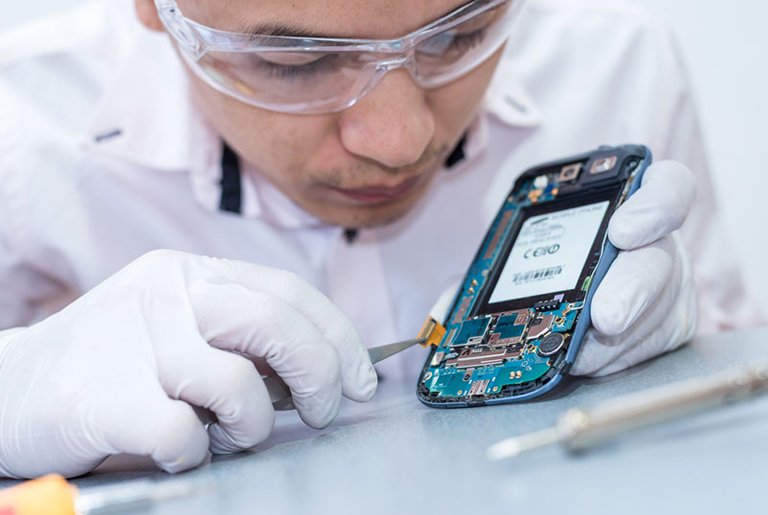
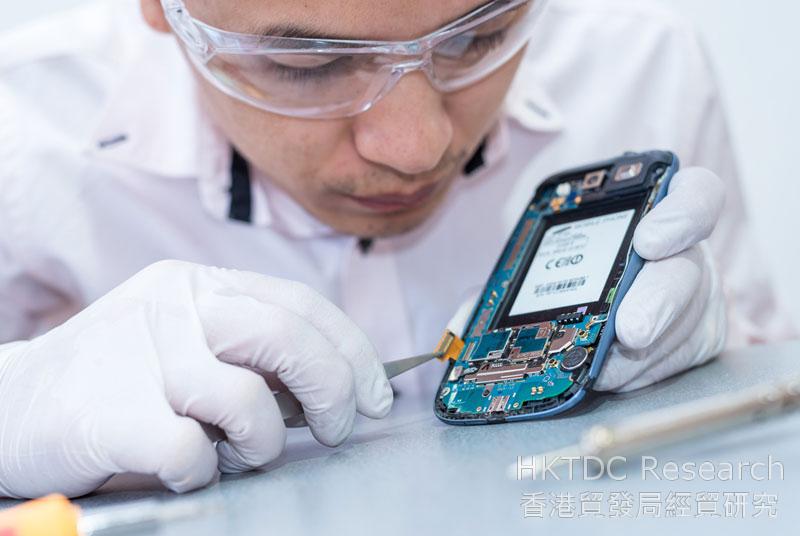
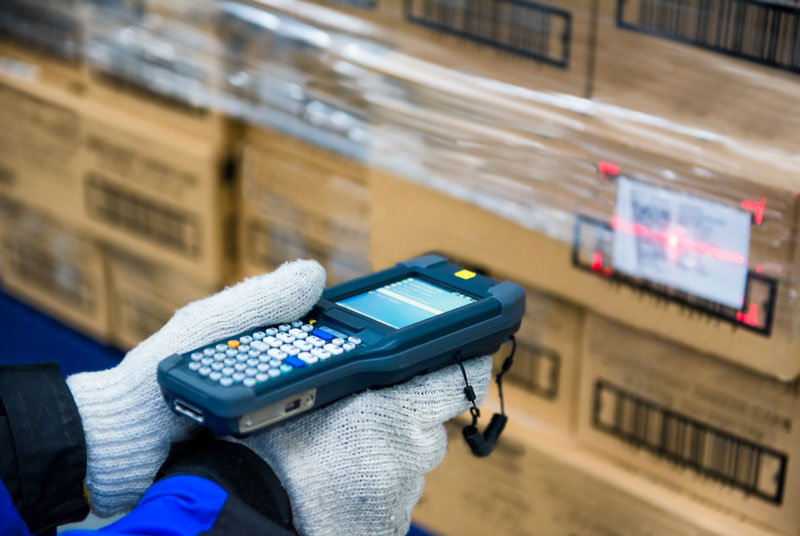
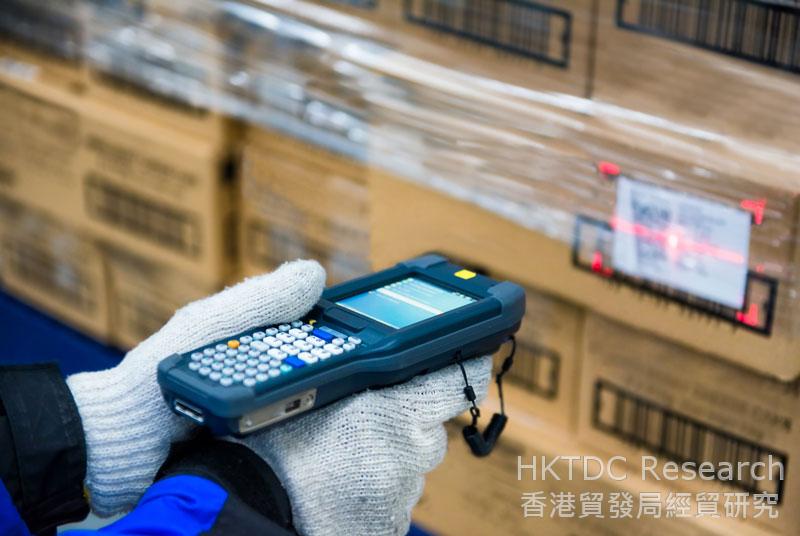
Many companies are making use of transport and procurement platforms in the Yangtze River Delta, Pearl River Delta and even Hong Kong for sourcing or transit at different locations. This enables businesses to secure a wide range of production materials, handle movement of components from different sources and distribute finished products to different destinations. This is particularly the case with the import and export of higher-value products, including high-end electronic parts, where businesses tend to make use of efficient international air transport hubs, such as Hong Kong, to send goods to the mainland or export them to overseas markets.
As Hong Kong is one of Asia’s major electronic parts and components distribution centres, many companies dealing in these items have set up offices there for procurement and transportation of various kinds of electronics through the city. Specific freight and logistics routes vary, depending on individual companies’ specific operation.
According to a Miller executive, the company not only runs logistics facilities in the Shanghai Pilot Free Trade Zone and Pudong Airport, but has also set up branch offices and transit warehouses in Shenzhen and Hong Kong. This enables Miller to support its clients with a third-party freight and logistics network, both domestically inside the mainland and internationally. In addition, it provides one-stop supply chain management through its mainland and Hong Kong network.
General Supply Chain Services Required


To assist mainland enterprises’ business upgrade strategies, Miller also helps manufacturer clients to identify appropriate technology and production materials, as well as to source key parts and components, including the referral of overseas suppliers and technology partners. It also provides related procurement management services, such as arranging international payment, transaction and export tax rebates. At present, supply chain management services provided by Miller cover the Chinese mainland, Europe, the Americas, Japan and Korea, serving businesses in food products, aircraft parts and components, medical instruments/equipment and a wide range of electronics.
Note: For details of the company interviews conducted jointly by HKTDC Research and the Shanghai Municipal Commission of Commerce, please refer to other articles in the research series on Shanghai-Hong Kong Co-operation in Capturing Belt and Road Opportunities.
[1] Miller was interviewed jointly by HKTDC Research and the Shanghai Municipal Commission of Commerce in Q1 2018.