









Hong Kong
 539 Views
Hong Kong-based Taiping Reinsurance is involved in risk assessment and abatement for multi-billion US dollar projects across the Belt and Road Initiative, including an oil extraction project in Myanmar, metro rail development in Malaysia and hydroelectric power in Pakistan. General Manager Polly Ho says the company is a “protection provider” for clients, while Hong Kong can build on its role as a re-insurance centre for international firms.
Speaker:
Polly Ho, General Manager, Taiping Reinsurance Co Ltd
Related Links:
Hong Kong Trade Development Council
http://www.hktdc.com
HKTDC Belt and Road Portal
http://beltandroad.hktdc.com/en/


China, the world’s second largest economy, enjoys vibrant trade and economic ties with international communities. Although the world economy is affected by uncertainty due to the recent trade conflict between China and the US, many mainland Chinese enterprises are still pursuing their “going out” and “bringing in” strategies with the aim of opening new markets and diversifying their market risks. They are also looking to improve their sustainable development capability by bringing in outside partners and optimising their business portfolios.
Against this backdrop, mainland enterprises increasingly need professional services that are in line with international practices to support their growing international business, while helping them adapt to the increasingly complicated investment environment. Shanghai and the coastal provinces in the Yangtze River Delta (YRD) are among the centres for economic cooperation with foreign countries, as well as major sources of outflows of foreign direct investment (FDI) in China. Enterprises in these areas are actively seeking professional services to help them improve their “going out” strategies.




To assess the latest developments, HKTDC Research conducted a new round of questionnaire survey with mainland enterprises in the YRD in the first quarter of 2019, with the support of the Shanghai Municipal Commission of Commerce. Despite the on-going China-US trade dispute, 72% of the mainland enterprises surveyed said they would consider exploring business opportunities in overseas countries in the next one to three years, including the advanced economies as well as those along the Belt and Road Initiative (BRI) routes. Of these, 45% indicated that Hong Kong was their preferred choice when seeking professional services outside the mainland. Among those mainland enterprises with clear overseas destinations in mind, more than half said Hong Kong was their preferred service platform for “going out”.
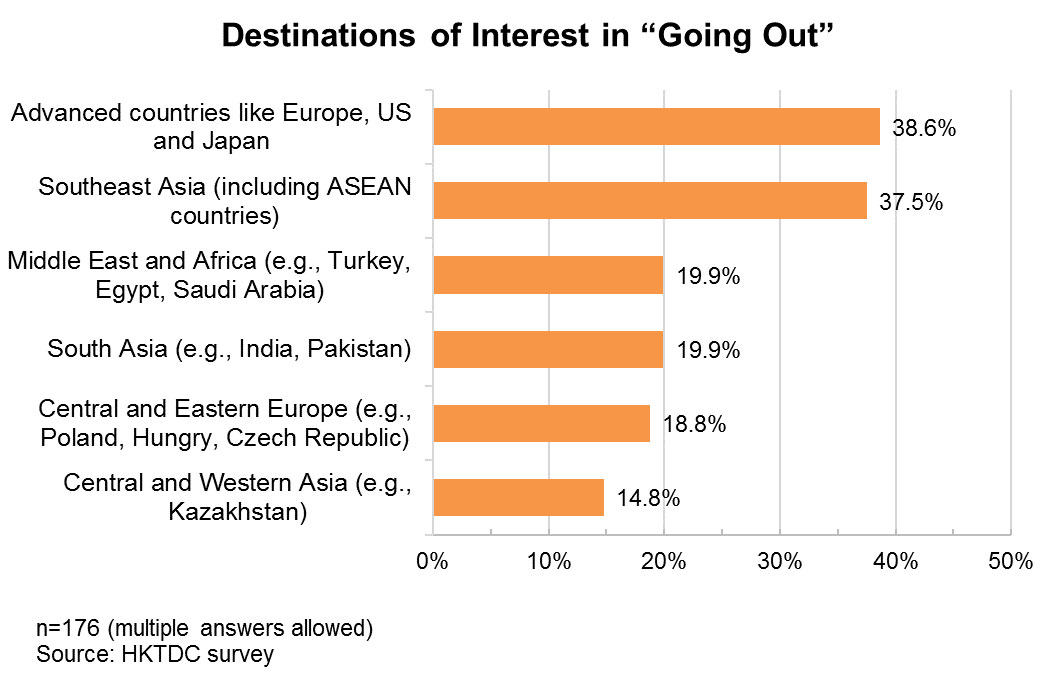
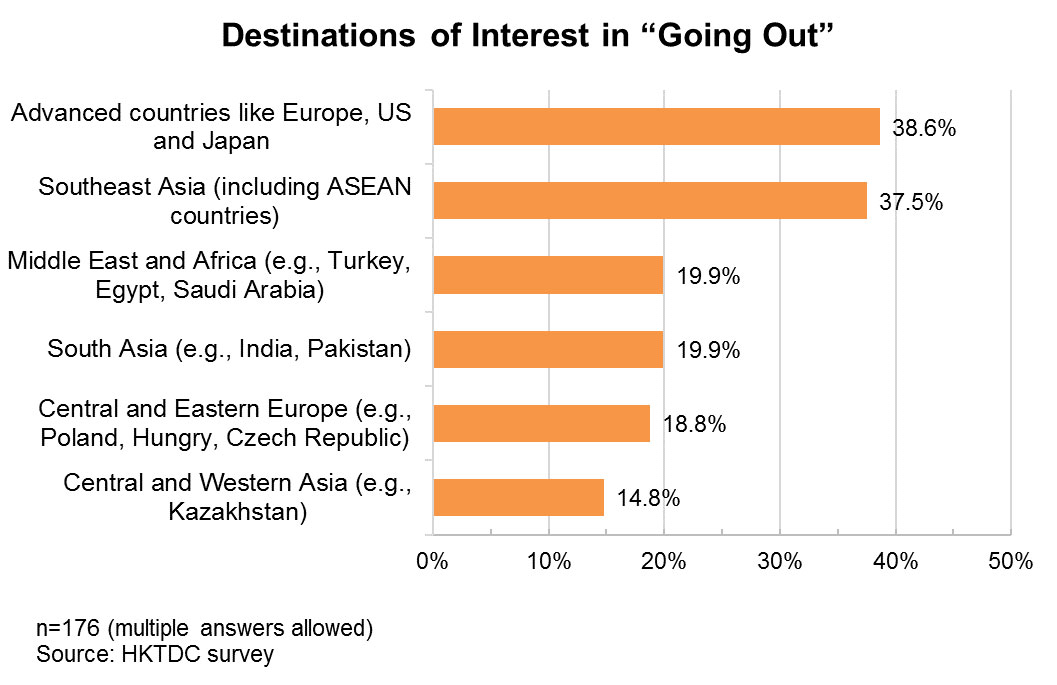
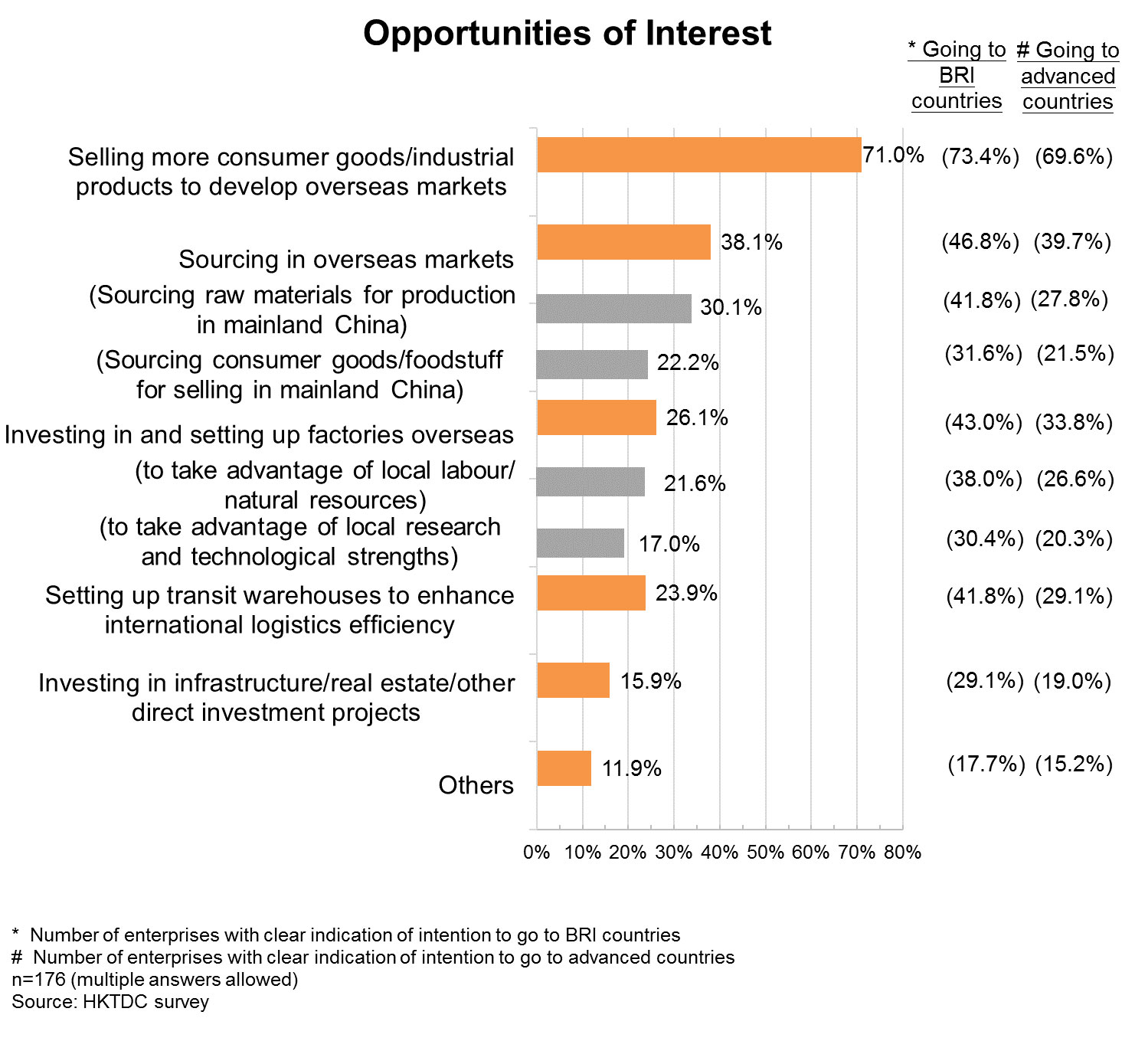
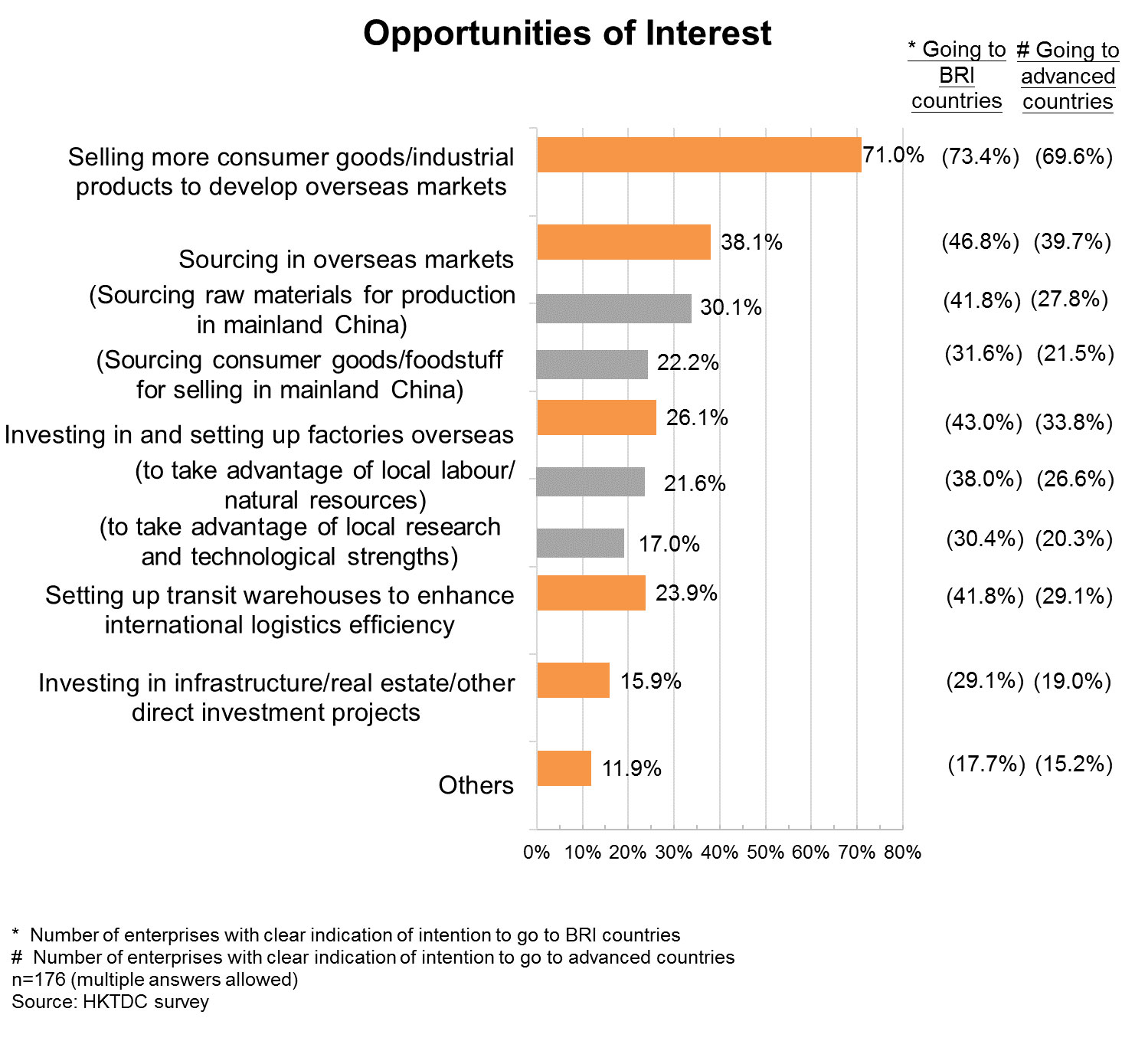
Overseas destinations that respondents showed the greatest interest in exploring included advanced economies such as Europe, the US and Japan (39%) and BRI regions like Southeast Asia (38%). 71% said they were interested in selling more products to overseas markets, 38% were looking to source goods abroad, while 26% were looking to invest in and set up factories.
Hong Kong service suppliers have been providing a wide range of professional services to mainland enterprises and helping them conduct trade and investment activities in Hong Kong and overseas markets for many years. Their services make Hong Kong the preferred platform for mainland enterprises to manage their “going out” businesses. Further efforts by mainland/YRD enterprises to capture overseas business opportunities are therefore bound to generate more business for Hong Kong.
“Going Out” to Expand Business Overseas
Mainland enterprises are increasingly involved in economic activities overseas. China’s foreign trade volume stood at US$4.6 trillion in 2018, higher than any other country [1]. Total trade with BRI countries amounted to US$1.3 trillion, up 16.3% from the year before, and accounted for 27.4% of China’s total foreign trade last year. On the other hand, China was ranked as the second-largest source of FDI outflows only after Japan last year [2]. Chinese figures showed that outflows of FDI in non-financial sectors by mainland investors totalled US$120.5 billion in 2018 (up 0.3% year-on-year), and encompassed 5,735 companies in 161 different countries and regions [3]. FDI outflows to BRI countries in particular saw sustained growth. Direct investments in non-financial sectors by Chinese enterprises in 56 BRI countries reached US$15.64 billion, up 8.9% year-on-year and comprised 13% of China’s total non-financial FDI outflows last year. Most of this was in countries like Singapore, Laos, Vietnam, Indonesia, Pakistan, Malaysia, Russia, Cambodia, Thailand and the United Arab Emirates. [4]




Despite the uncertain world economic outlook, China is still promoting its “going out” and BRI development strategies and encouraging enterprises to go overseas to capture business opportunities. “Going out” has become an important driving force for the development of mainland enterprises. As Hong Kong has always been the preferred service platform for these enterprises, further “going out” and the development of BRI is expected to spur demand for various types of professional services from mainland enterprises.
HKTDC Research conducted a questionnaire survey with mainland enterprises in Shanghai and Jiangsu, visiting some of these enterprises and holding business forums with the support of the Shanghai Municipal Commission of Commerce in the first quarter of 2019 to find out more about the challenges facing businesses in the region. The survey also considered how these enterprises were adjusting their business strategies, their intention of “going out” to mature markets in advanced countries or BRI countries, and their demand for relevant professional services.
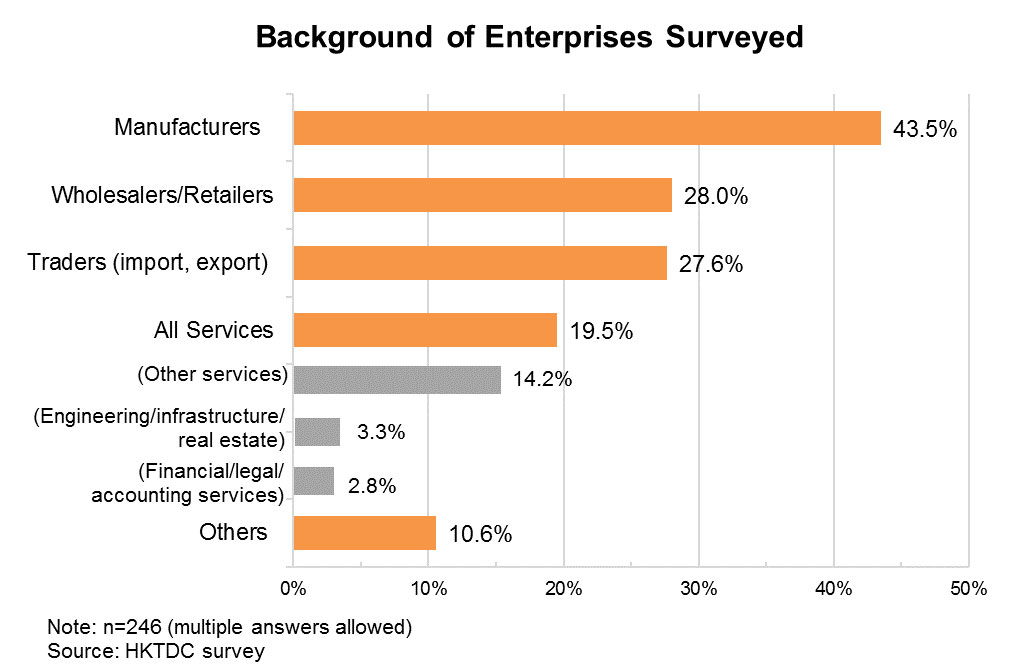
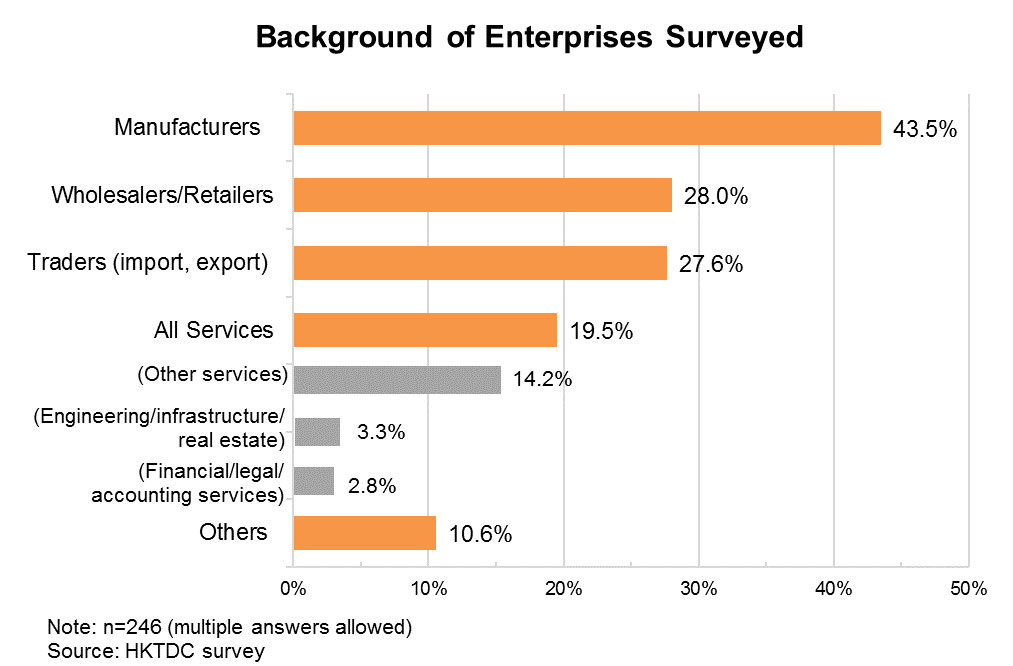
This survey was similar to the one conducted by HKTDC Research in 2016-2017. This time a total of 310 questionnaires were collected. Of these, 246 valid questionnaires were completed by mainland enterprises, including manufacturers, traders and service suppliers. What follows is a summary of the views expressed by these 246 mainland enterprises on “going out” to develop business overseas.
Major Challenges: Inadequate Orders and Rising Costs
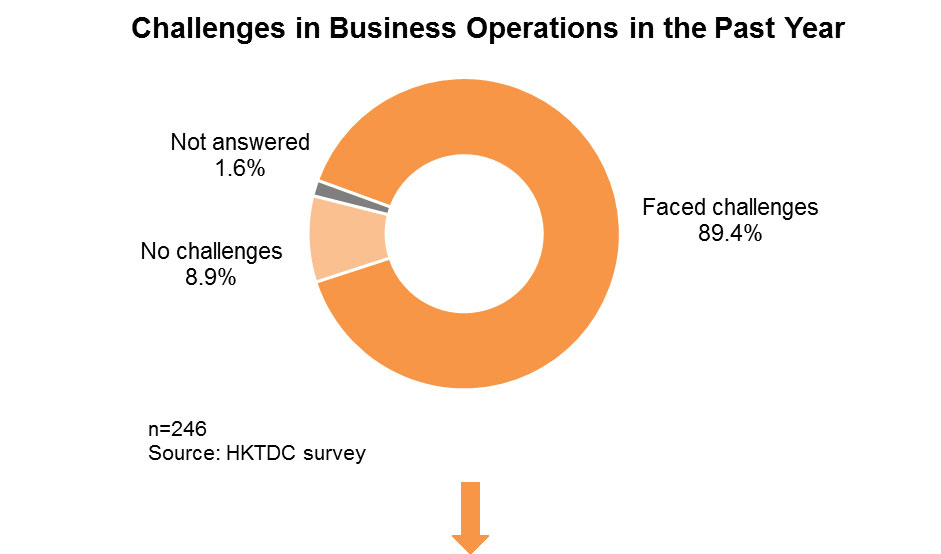
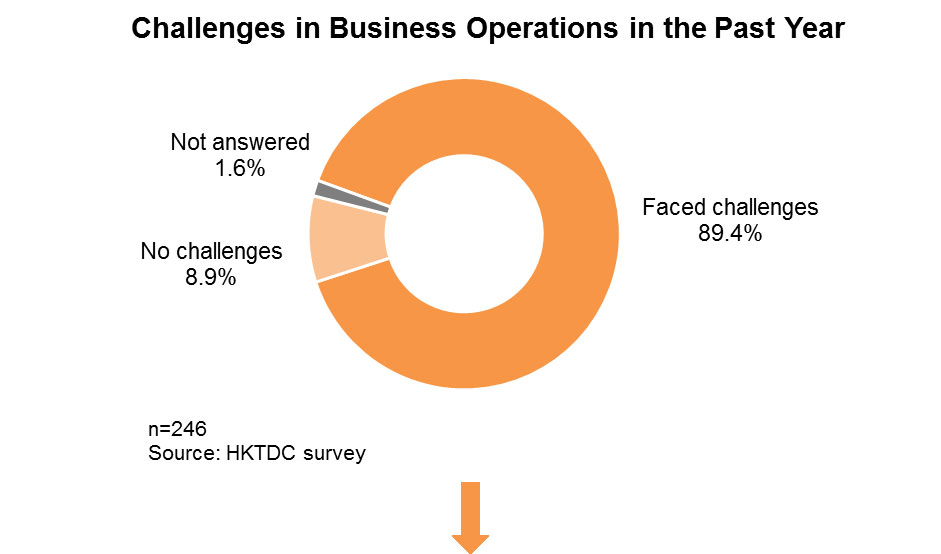
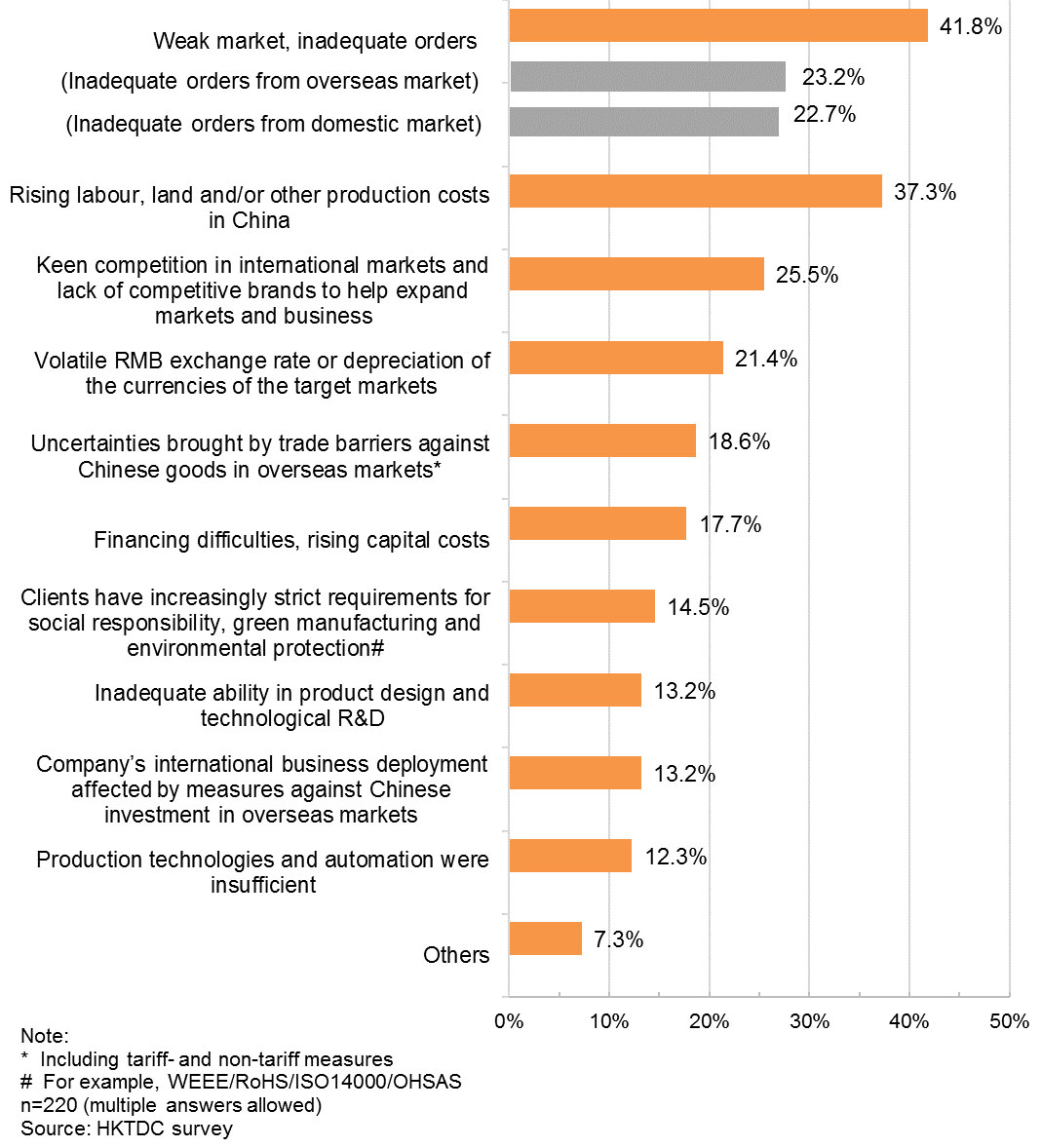
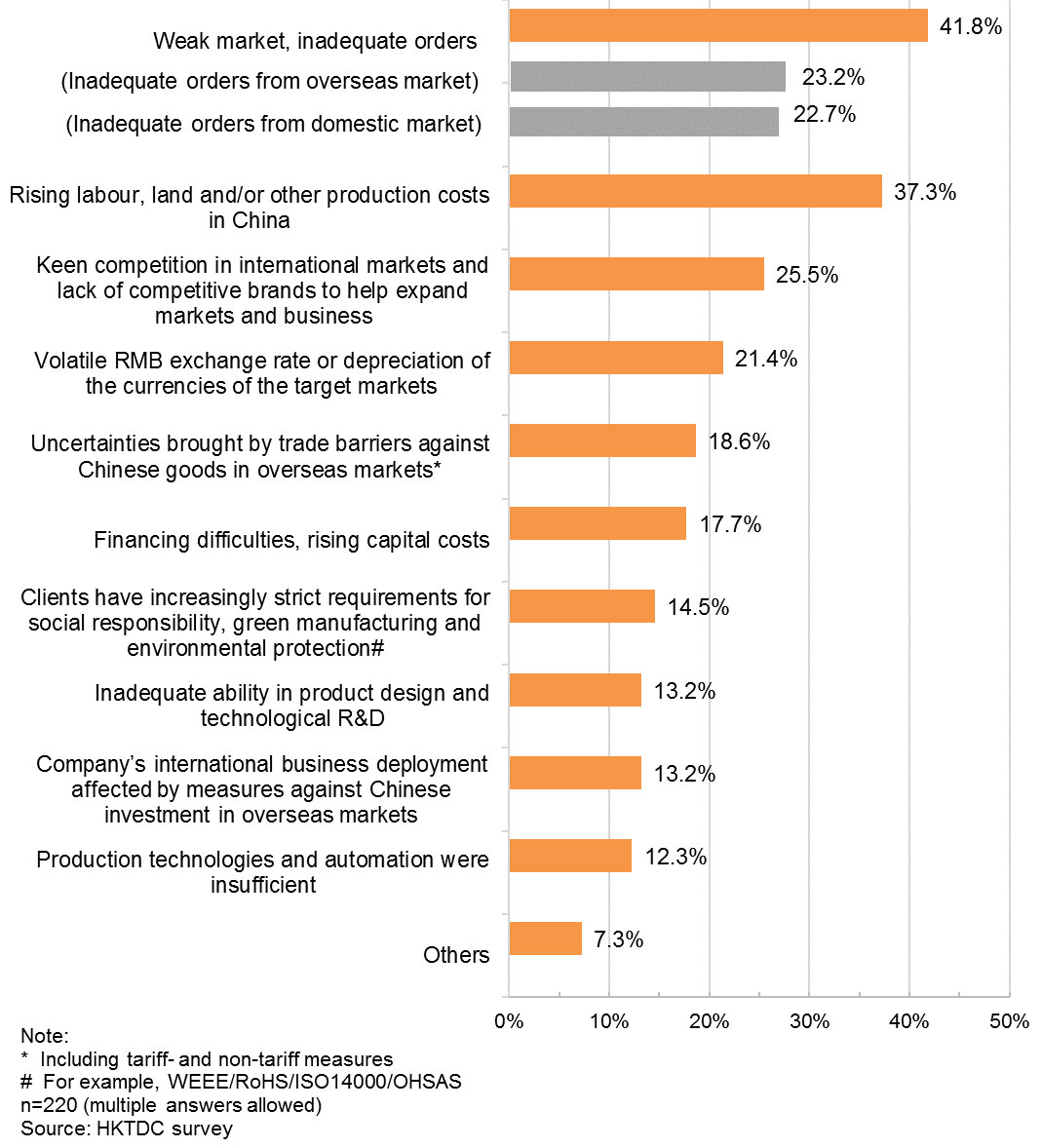
89% of the respondents said their business operations faced a variety of challenges over the past year. 42% said their foremost concerns were weak overseas and local markets and inadequate orders, while 37% said they were affected by rising labour, land and/or other production costs on the mainland. Other challenges included keen competition in international markets/lack of competitive brands (25%), a volatile RMB exchange rate (21%) and uncertainties caused by trade barriers against Chinese goods in overseas markets (19%).
Stepping up Business Development in mainland China and BRI Markets
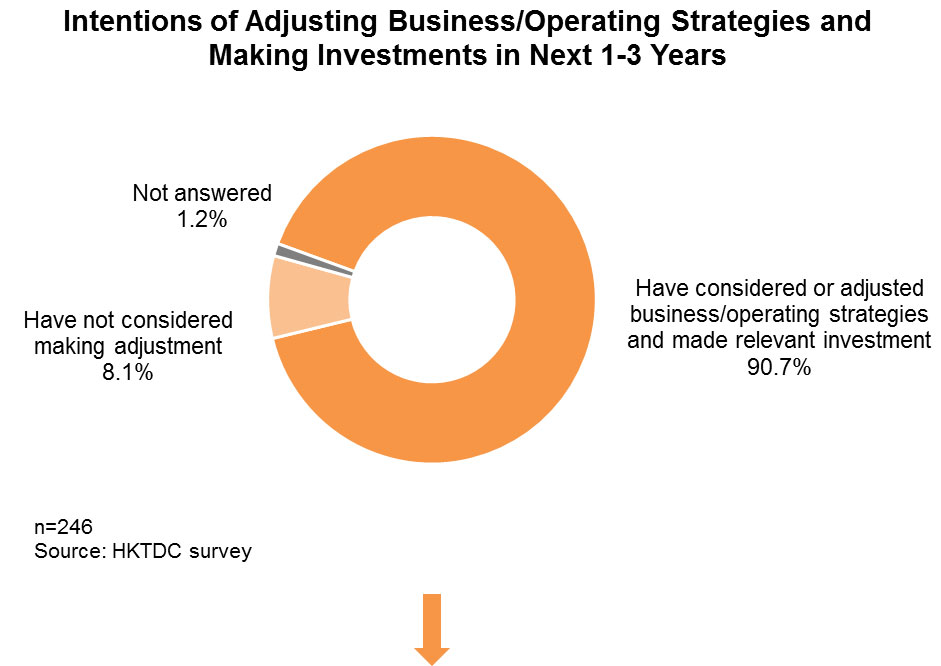
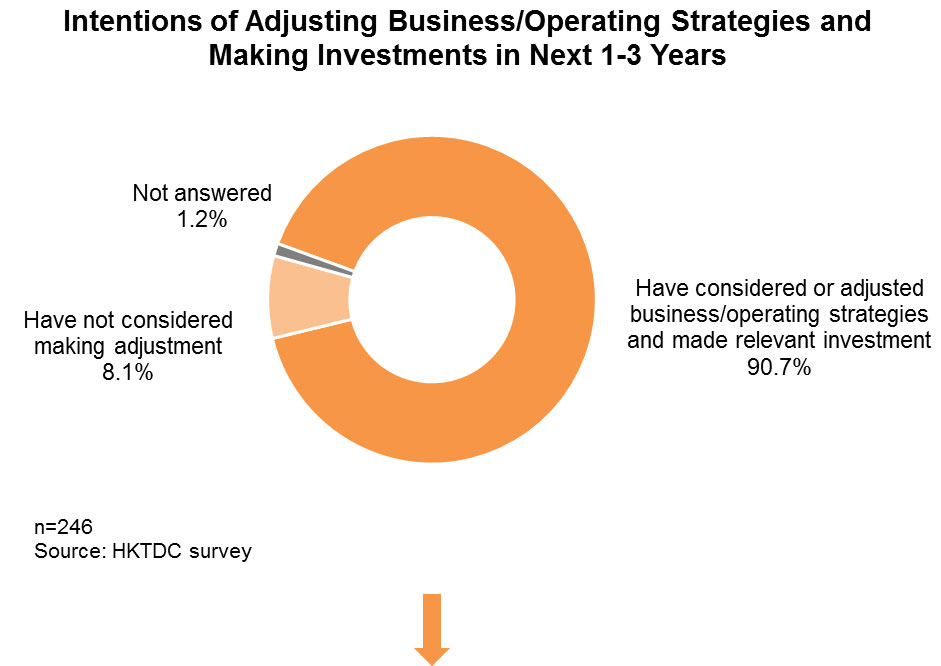
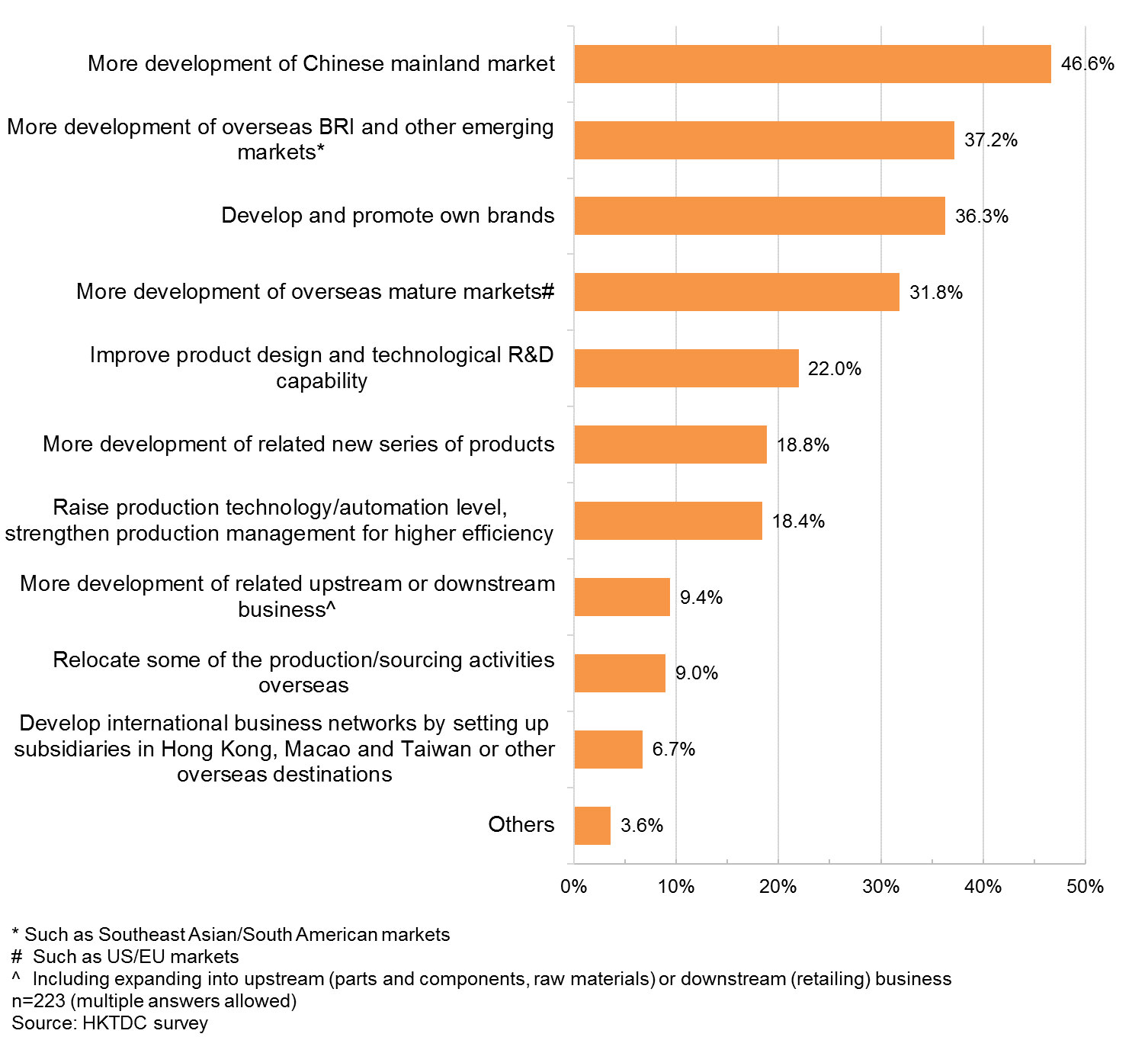
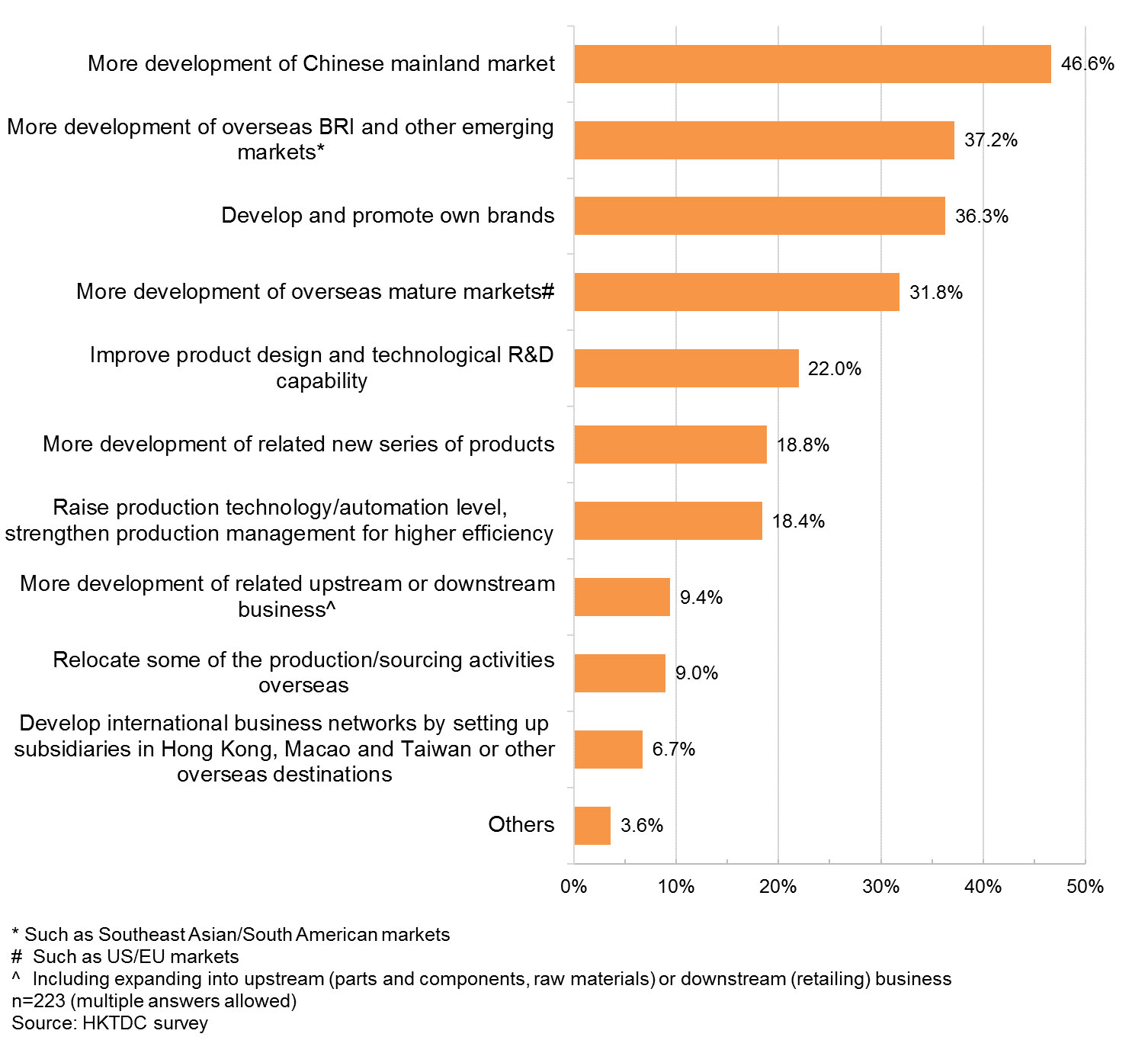
To tackle these challenges, 91% of the enterprises polled indicated they would consider adjusting their business/operating strategies and making relevant investments in the next one to three years, or had already done so. Among these, 47% indicated that their preferred option was to develop the mainland market, 37% said they would like to develop more BRI and other emerging markets (such as Southeast Asian and South American markets), and 36% said they would develop/promote their own brands. Meanwhile, 32% said they would focus on overseas mature markets, such as the US and the EU.
Continue “Going Out” to Develop International Business
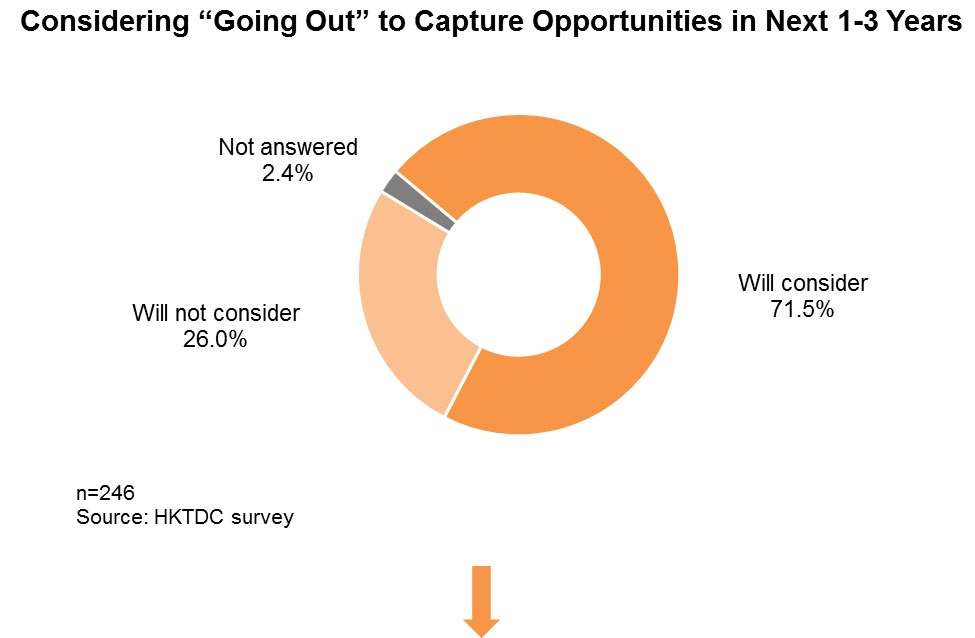
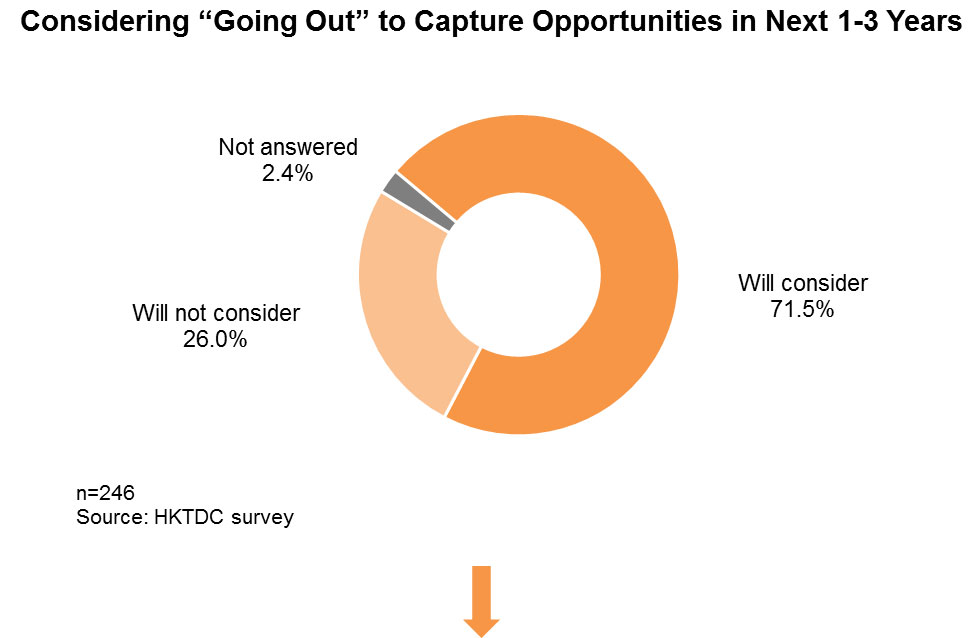
Although the external investment environment is becoming increasingly complicated and the international market has been affected by the China-US trade dispute, 72% of the respondents still said they would consider “going out” to capture opportunities abroad in the next one to three years. Among these, 39% said they were interested in Europe, the US, Japan and other mature markets, while 38% said they would look to Southeast Asia, including the 10 ASEAN countries / other BRI countries. Only 20% said they would choose the Middle East and Africa, South Asia was also favoured by 20%, while 19% picked Central and Eastern Europe and 15% opted for Central and Western Asia.
Among those enterprises interested in “going out”, 71% said they hoped to sell more consumer goods/industrial products in overseas markets. 38% were interested in “going out” for sourcing activities, including 30% looking to source raw materials for production in mainland China and 22% wanting to source consumer goods/foodstuff to sell in the mainland. 26% said they hoped to invest in and set up factories for production overseas and 24% were looking to set up transit warehouses to enhance international logistics efficiency. 16% said they hoped to go overseas to invest in infrastructure/real estate and other direct investment projects.
It is worth noting that, whether enterprises were looking towards advanced economies or BRI and other emerging markets, there was little difference in their business interests. Their main objective was to sell more products to overseas markets and conduct sourcing from abroad, which suggests that most companies interested in “going out” are looking to develop in a similar direction.
HKTDC Research conducted workshops and visited some enterprises in the YRD with the help of the Shanghai Municipal Commission of Commerce to discover more about the wants and needs of mainland enterprises considering “going out”.
Remark: For further details, please see: Mainland Firm Uses Hong Kong Professional Services to Overcome Offshore Investment Challenges |
Keen Demand for Professional Services
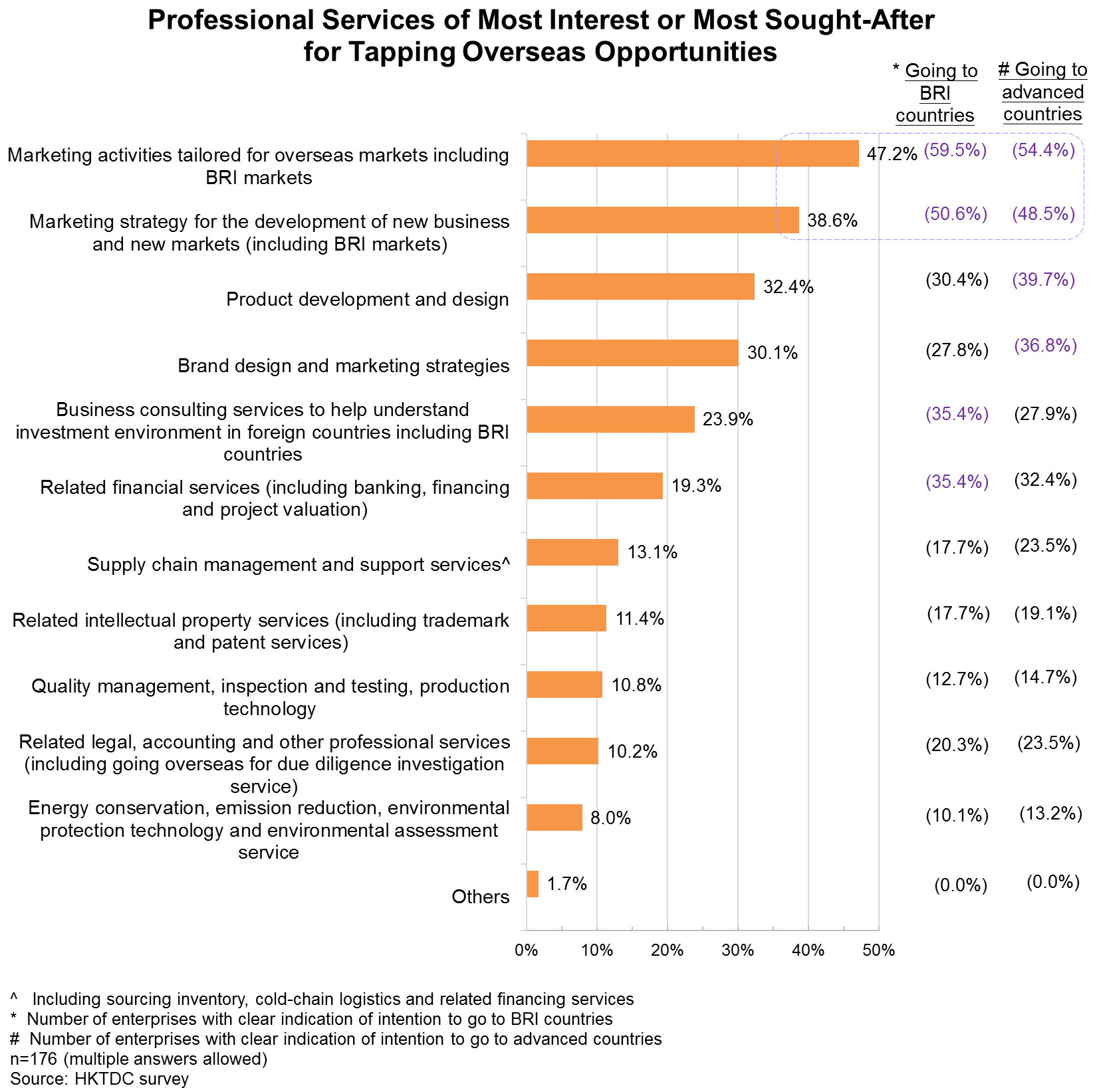
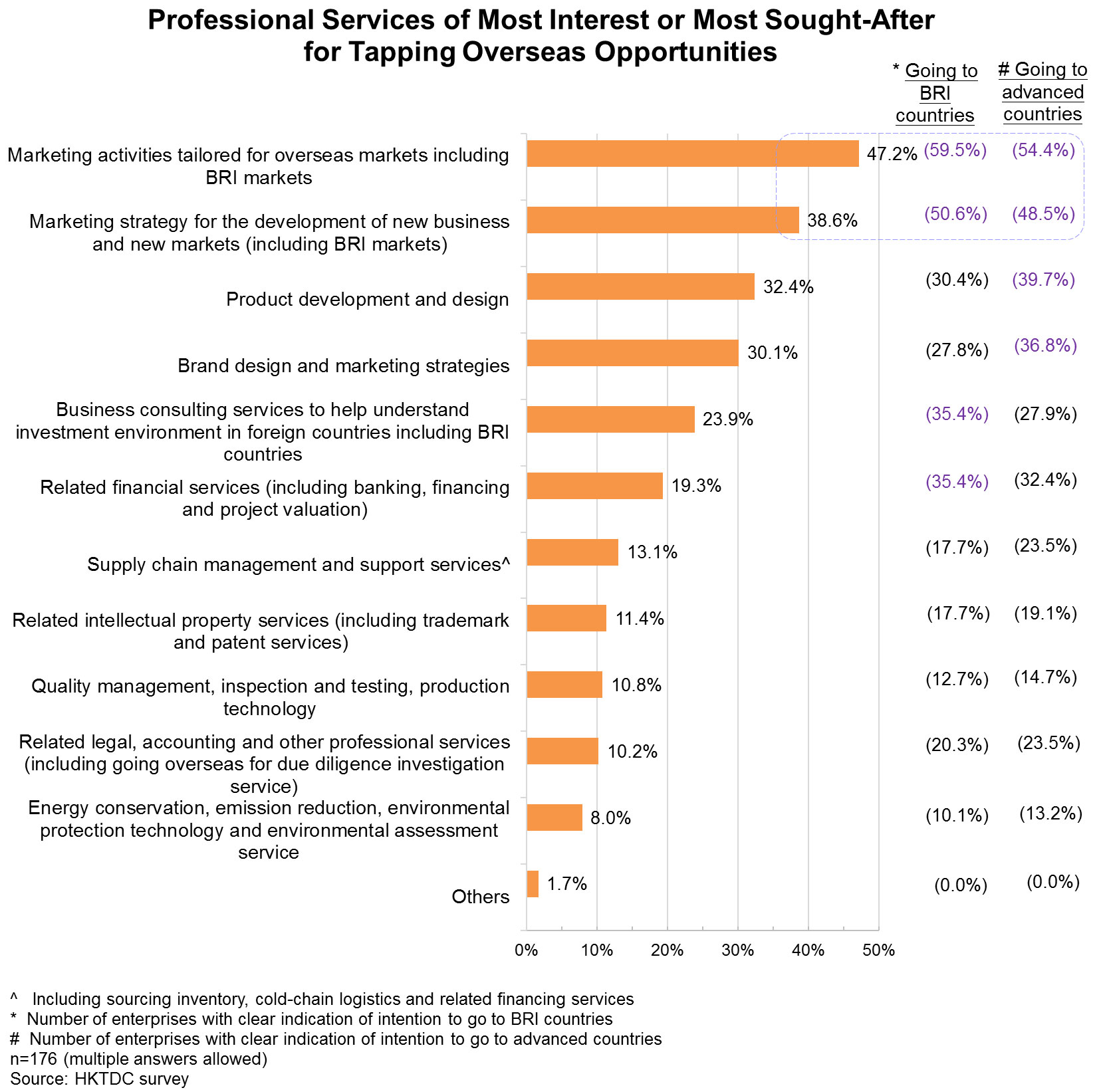
Most enterprises interested in developing their overseas business said they needed professional services support. Among those respondents considering “going out”, 47% said they were interested in marketing activities tailored for overseas markets, while 39% were looking for marketing strategies for the development of new business and new markets. Enterprises intending to develop BRI and advanced markets [5] all said they needed support in these two areas the most.
Many enterprises looking to tap into BRI opportunities also said they would require business consulting services to help understand the investment environment and related financial services (35%) in BRI countries. 40% of enterprises targeting advanced markets said they needed professional services’ support in the field of product development and design, while 37% cited a desire for help with brand design and marketing strategies.
Hong Kong As Preferred Service Platform for “Going Out”
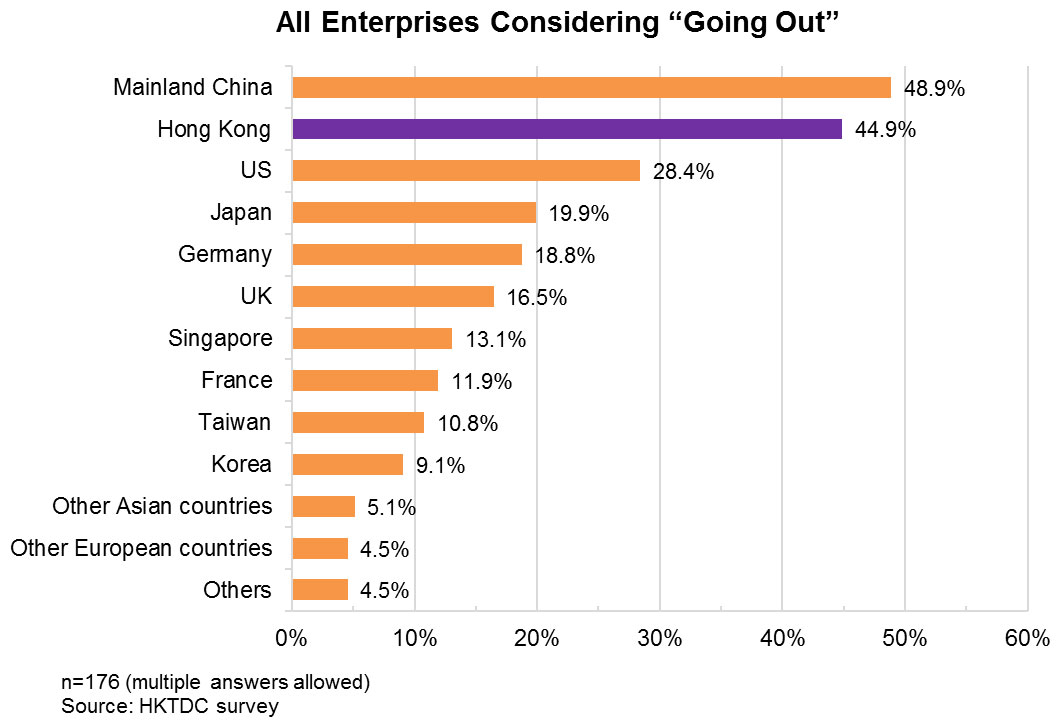
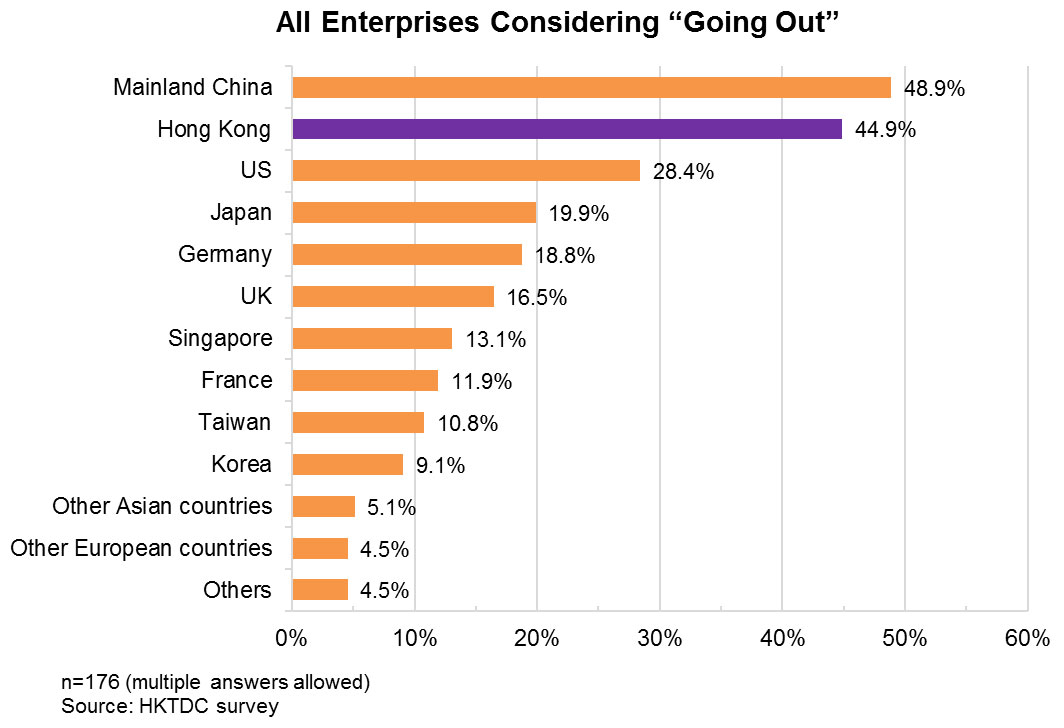
When looking for professional services support, nearly half (49%) of all enterprises considering “going out” said they would first try to source it locally. However, a significant number said they would also seek various professional services outside the mainland. Hong Kong was the preferred destination for 45% of enterprises considering “going out”. 28% said they also would look to the US, 20% to Japan and 19% to Germany.
Hong Kong was the top choice for professional services among those enterprises clearly indicating their intention to explore BRI opportunities, with 53% picking Hong Kong as their preferred location. Hong Kong was also the most preferred location among enterprises with a clear intention of “going out” to advanced countries (52%). However, among those enterprises without a clear “going out” destination in mind, most would first look for services support locally (58%) and only 30% would look to Hong Kong. Overall, though, the survey findings show Hong Kong is regarded as an important services platform for mainland enterprises considering “going out”.
Preferred Destinations for Seeking Professional Services
| Mainland China | Hong Kong | US | Japan | Germany | |
| All enterprises with “going out” intention, of which: | 48.9% | 44.9% | 28.4% | 19.9% | 18.8% |
| Enterprises with clear indication of intention to go to BRI countries | 50.6% | 53.2% | 34.2% | 25.3% | 22.8% |
| Enterprises with clear indication of intention to go to advanced countries | 41.2% | 51.5% | 41.2% | 32.4% | 27.9% |
| Enterprises without clear indication of destination | 58.0% | 30.1% | 17.5% | 13.3% | 9.8% |
n=176 (multiple answers allowed)
Source: HKTDC survey
HKTDC Research would like to acknowledge the help extended by the Shanghai Municipal Commission of Commerce in conducting the survey.
[1] Source: China Customs, World Trade Organisation
[2] Source: “World Investment Report 2019”, UNCTAD
[3] Source: Ministry of Commerce of China
[4] Source: Ministry of Commerce of China
[5] Do not include the number of enterprises that only indicated they would consider “going out” but did not have a clear destination.
Editor's picks
Trending articles
Growing numbers of mainland companies have gained considerable experience in construction and engineering in recent years through their involvement in massive infrastructure projects across China. Their achievements are remarkable by any standards. Logistics service providers supporting these projects have also benefitted, continuously innovating and offering total logistics solutions to construction projects with advanced technologies and specialised equipment.
However, the standards that Chinese companies in the construction and engineering project logistics fields currently work to are not the same as those used in overseas markets. Even companies with many projects under their belt have difficulty winning overseas business opportunities solely on the strength of their track record. In order to overcome this hurdle, some are hoping to gain international recognition by servicing construction projects in Hong Kong, in the expectation that this will help them explore overseas and Belt and Road markets. A Shanghai-based engineering project logistics firm told HKTDC Research that mainland enterprises may also use their overseas experience to gain access to the Hong Kong market.
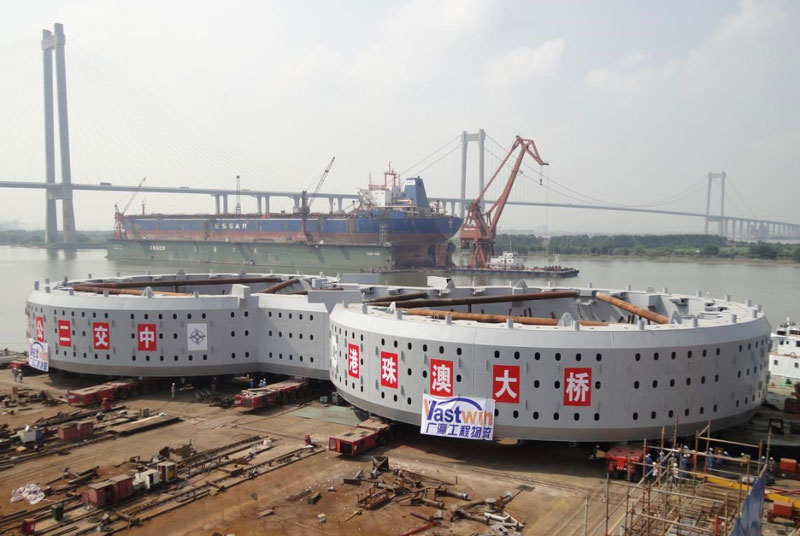
(Photo courtesy of China Shipping Vastwin)
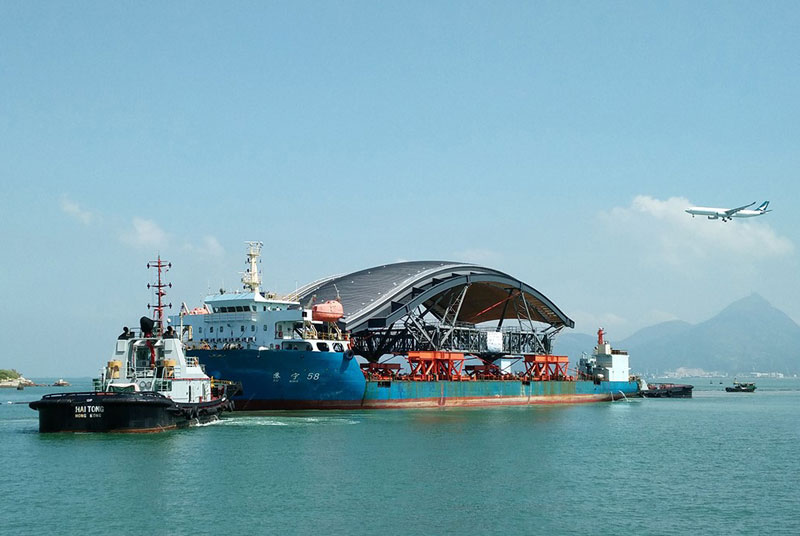
Daisy Liu, Deputy Director of the Engineering Design Centre of China Shipping Vastwin Project Logistics Co (China Shipping Vastwin) [1], explained how working in Hong Kong can help mainland businesses win contracts overseas, saying: “Construction projects in Hong Kong are up to international standards in their design, quality and safety requirements. They are also in line with international industry standards and certification systems. Leading Hong Kong and international construction firms and related service providers have won international recognition for their track record, and also know very well how to meet the requirements of their overseas peers. Mainland companies can gain valuable experience and become proficient in international industry standards, technological requirements and certification systems by participating in construction projects in Hong Kong. This way they can effectively bridge the gap between Chinese and overseas standards.”
A joint venture between COSCO Shipping Logistics Co - a subsidiary of the China COSCO Shipping Group - and the Jiangsu Vastwin Logistics Holding Co, China Shipping-Vastwin specialises in project logistics. Capitalising on its core engineering design capabilities, China Shipping-Vastwin focuses on ocean engineering, oil and gas refining, municipal infrastructure, new energy and special engineering projects. It offers on-time, safe and cost-effective total logistics solutions to clients in the electricity/new energy, petroleum/coal chemical industry and specialised logistics subcontracting fields, using advanced transportation equipment.
China Shipping-Vastwin runs an office in Hong Kong. As well as using the territory’s financial services platform to handle funds for projects in the Middle East, the US and other overseas markets, it also makes use of its innovative engineering technologies and specialised transportation equipment to provide logistics services for Hong Kong’s infrastructure projects. An example of this would be the delivery of various types of modular structures and complete units of oversize or overweight load. Liu hopes to provide more logistics services to large-scale construction projects in Hong Kong, such as the airport extension project and the construction of roads and bridges, and team up with Hong Kong companies looking to take advantage of Belt and Road opportunities.
[Remark: For more information, please refer to HKTDC research article: Hong Kong as the Major Service Platform for “Going-out” Enterprises: 2019 YRD Survey Results]